

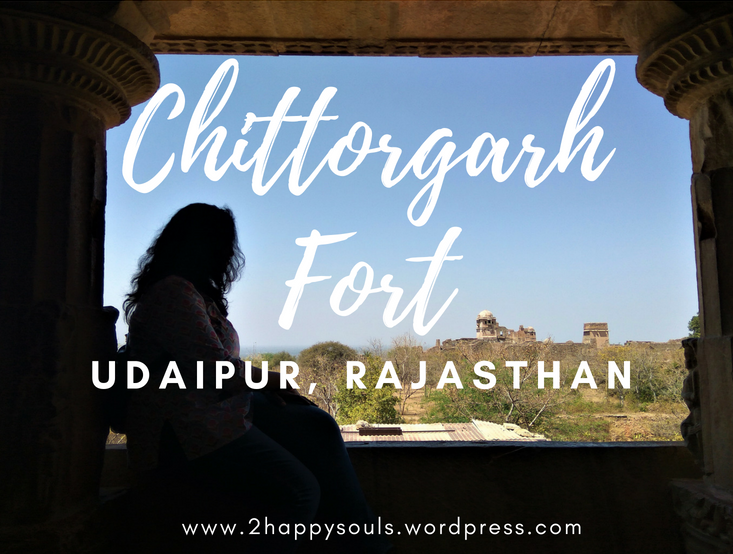
During my Delhi trip I did visit some heritage places which etched a mark on my memory. Its one thing to read history in books and another to see them in flesh & blood. Once of the most exciting thing about visiting heritage places is listening the folklore and at same time I can touch the monuments that witnessed those stories, people, emotions, events. Aah!
During my recent trip to Nathdwara and Kumbhalgarh Fort, I decided to do quick trip to nearby Chittorgarh fort in Chittorgarh, which was only about 107 kms, thats about 2.5 hours to 3 hours with 2 short breaks.
HISTORY
After the recent noise created by the latest Bollywood movie, Padmavat, it definitely raised my curiosity to visit this amazing place and learn the history in person. This India’s largest fort located on the eastern flank of Aravalli hill range, served as Mewar dynasty’s capital for many years.
This beautiful fort has witnessed some beautiful flourishing eras of kings while some kings shed blood to save the fort from capturing. I believe the most horrific witness for this fort would be the mass self-immolation (jauhar) of Chittorgarh women lead by queen Padmini in 1303 CE wherein Rajput women committed suicide with their children and valuables in massive fire, to avoid capture and abuse in the face of inescapable military defeat and capture. AFter this, there are 2 more acts of jauhar committed in Chittorgarh fort led by Rajput queens.
ARCHITECTURE
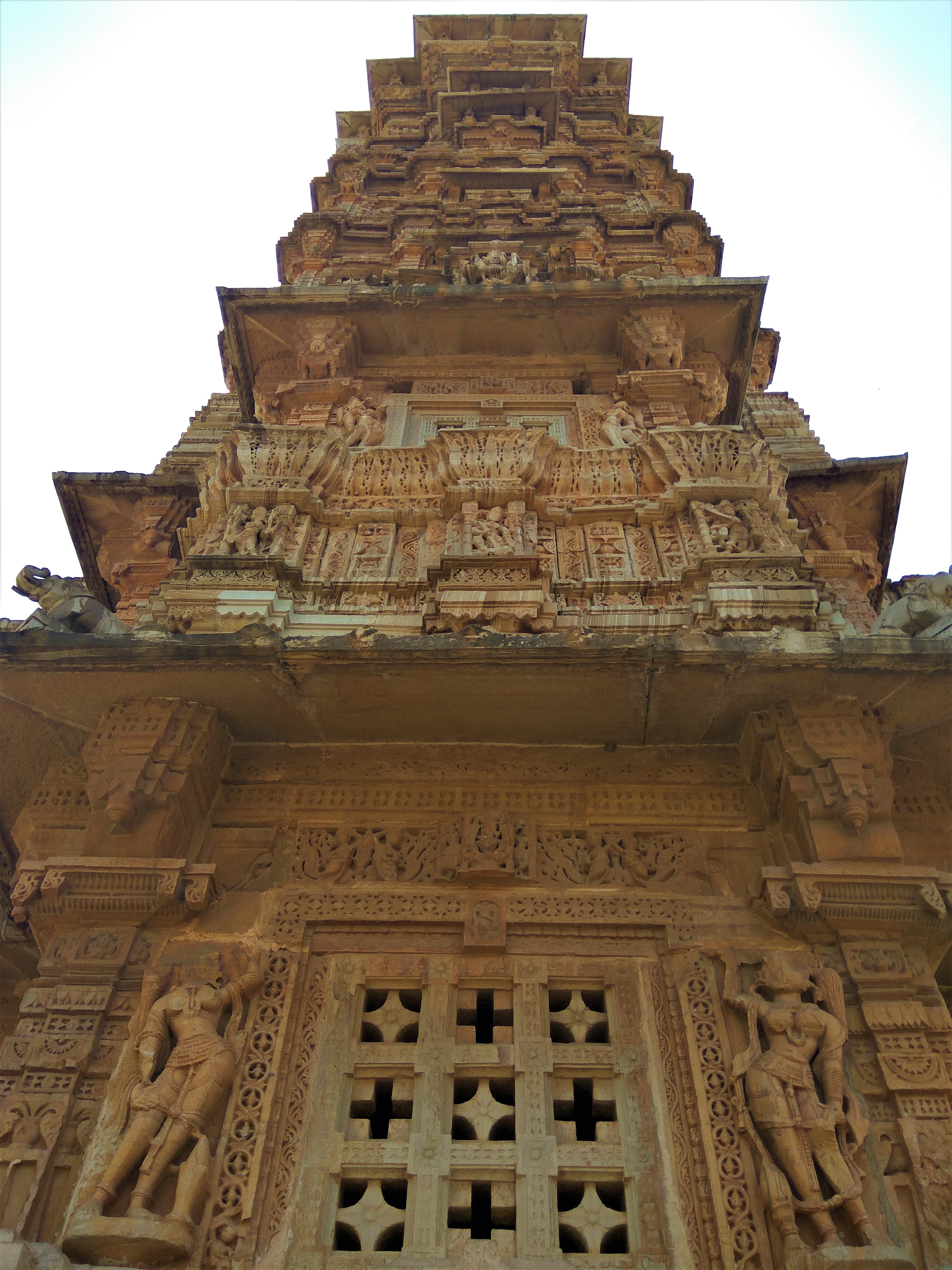
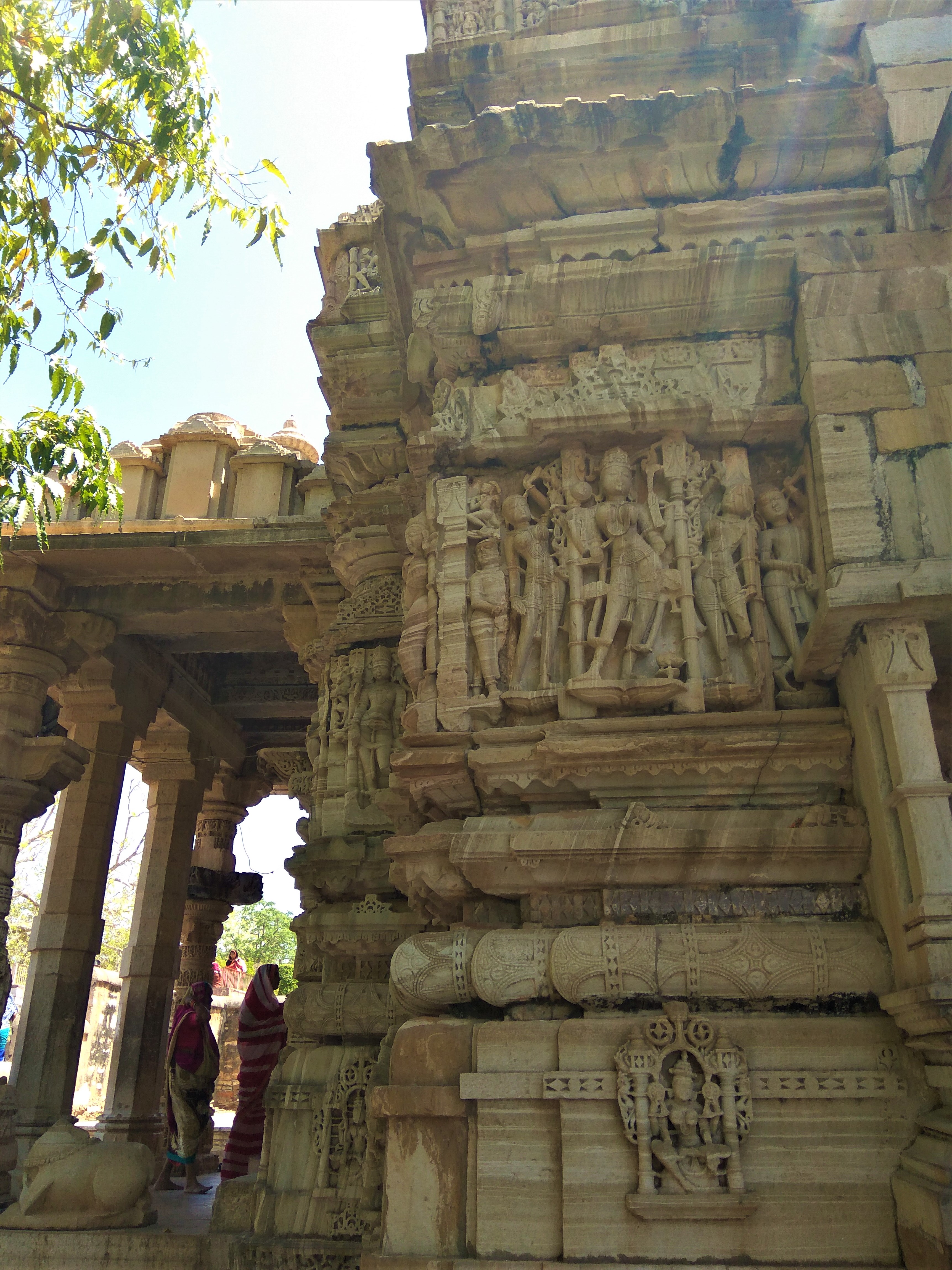
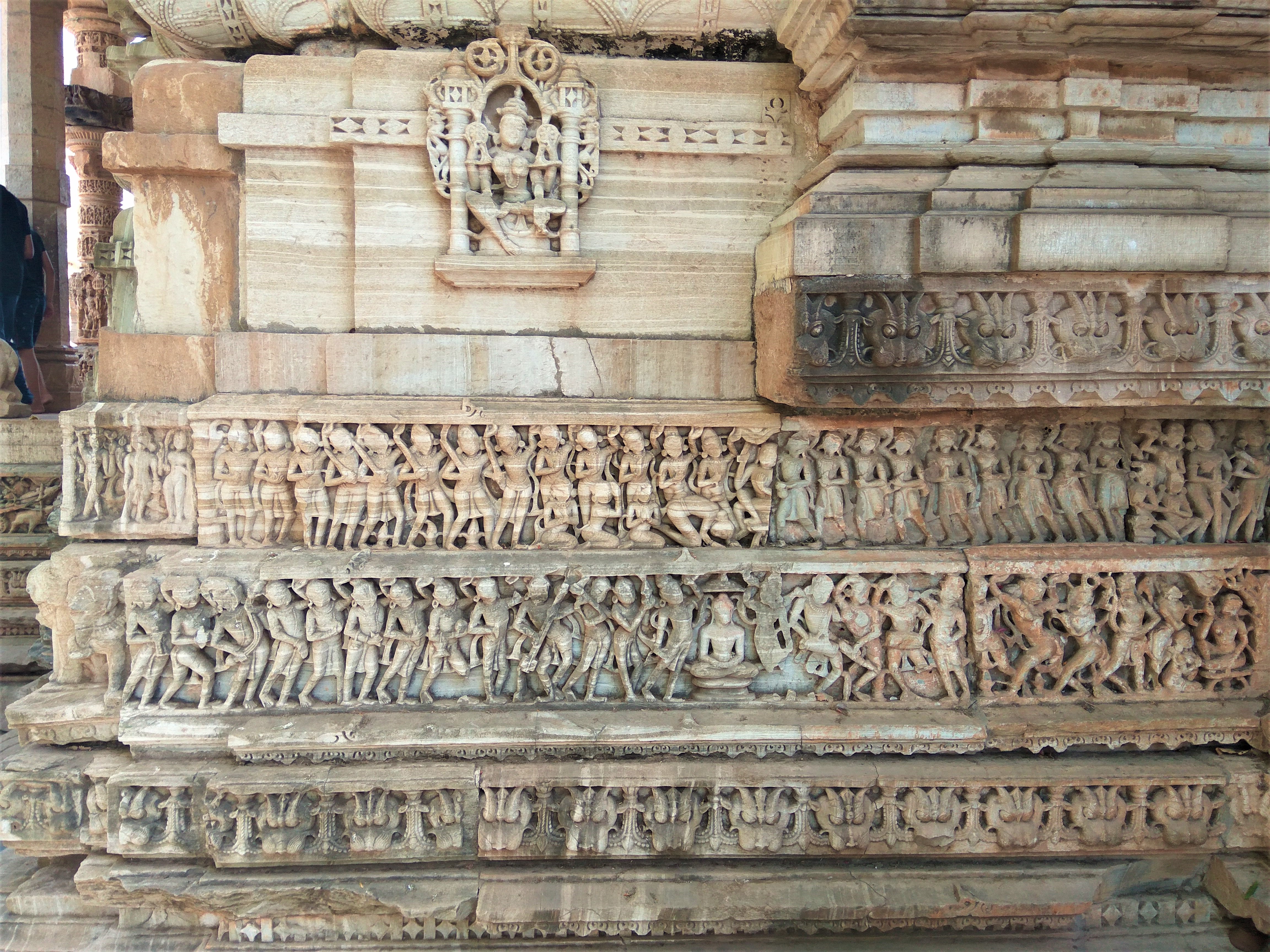
This fort is an architecture marvel for the world to witness the India’s knowledge on building multy storey towers, in depth meaning on designs and carvings and problem solving method to practical issues faced by people of fort due to the ecology and geographical circumstances.
WATER
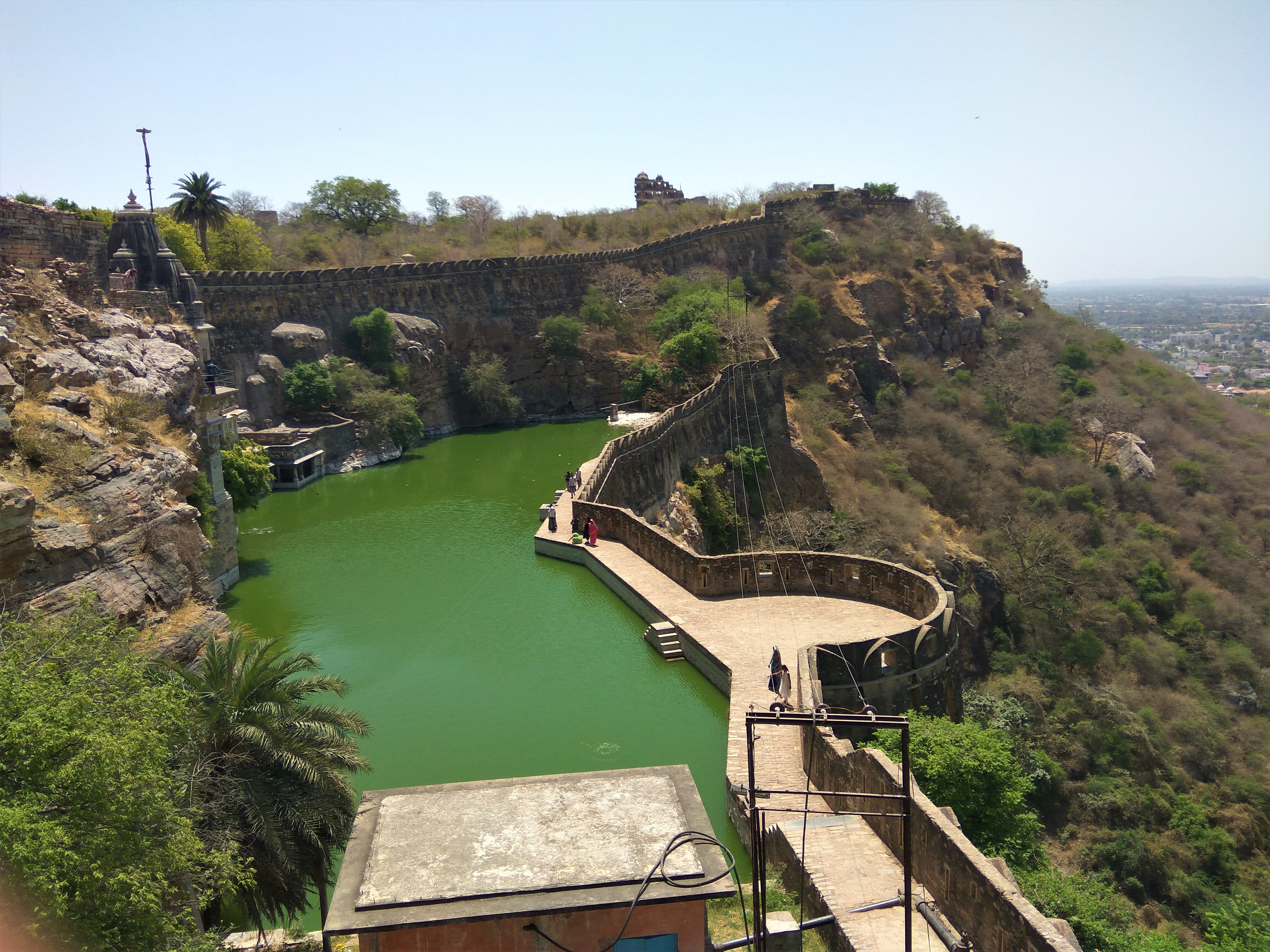
The fort had 84 water bodies, out of which only about 22 exist today. These Include talabs (ponds), kunds (wells), and baories (stepwells). All the talabs have a natural catchment. The kunds and baories are located below the talabs, so that even the seepage from the latter is not lost. The fort spreads over 700 hectares, 40 per cent of which are given over to water bodies. The average reservoir depth is about 2 m. Taken together, this means these reservoirs can store about 4 billion litres of water. In a year of more than normal rainfall (average annual rainfall: 700 mm), enough water would be stored to last the next 12 months. Even after water loss due to seepage and evaporation and other causes, an army of 50,000 could live in the fort for four years without fear of thirst.
A folk legend attributes the construction of fort to the legendary hero Bhima: it states that Bhima struck the ground here, which resulted in water springing up to form a large reservoir. The water body allegedly formed by Bhima is an artificial tank called Bhimlat kund. However, my practical vision believes that huge boulders were excavated which served to provide building material for fort construction and created cavities for rain water harvesting. However, the genius brains for such simple utilisation of available resource must be credited for their brilliance.
GATES
The fort has total seven gates (in local language, gate is called Pol), namely the Padan Pol, Bhairon Pol, Hanuman Pol, Ganesh Pol, Jodla Pol, Laxman Pol and the main gate named the Ram Pol (Lord Rama’s Gate). All the gateways to the fort have been built as massive stone structures with secure fortifications for military defense.
HOW TO REACH HERE
We did a road trip from Ahmedabad to Chittorgarh fort & Kumbalgarh fort via Nathdwara. It was a peaceful 3 hour drive from Nathdwara with sufficient chai and photography breaks. I did manage to spot the door to door census logo of the NGO that I am associated with on some of the houses of Chittorgarh. While passing through one of the village, we were offered some cool water and hearty chat with lots of smiles.
The Golden Quardilateral Road Project and North-South-East-West corridor expressways passes through Chittorgarh City. The bus stand (bus depot) of Chittorgarh is located in the mid of old and new city. There are good bus services (Private as well as government) available for Delhi, Mumbai, Ahamadbad, Udaipur and other major cities.
Preferable way to travel to Chittorgarh is to fly to Udaipur and hire a rental car service viz zoom car, uber or any local car rental service. You can utilise the same car to travel inside the fort periphery which has a 13km long stretch. Guides are easily available at the base of the fort which even local drivers will know of. We were charged about Rs. 500 for the 3 hours guide service and the guide narrated the famous tales of the fort. However, I would have preferred to have a much learned guide who could also tell me more about architecture and designs as well. But i guess it might be too much to ask from a local guide.
THINGS TO SEE
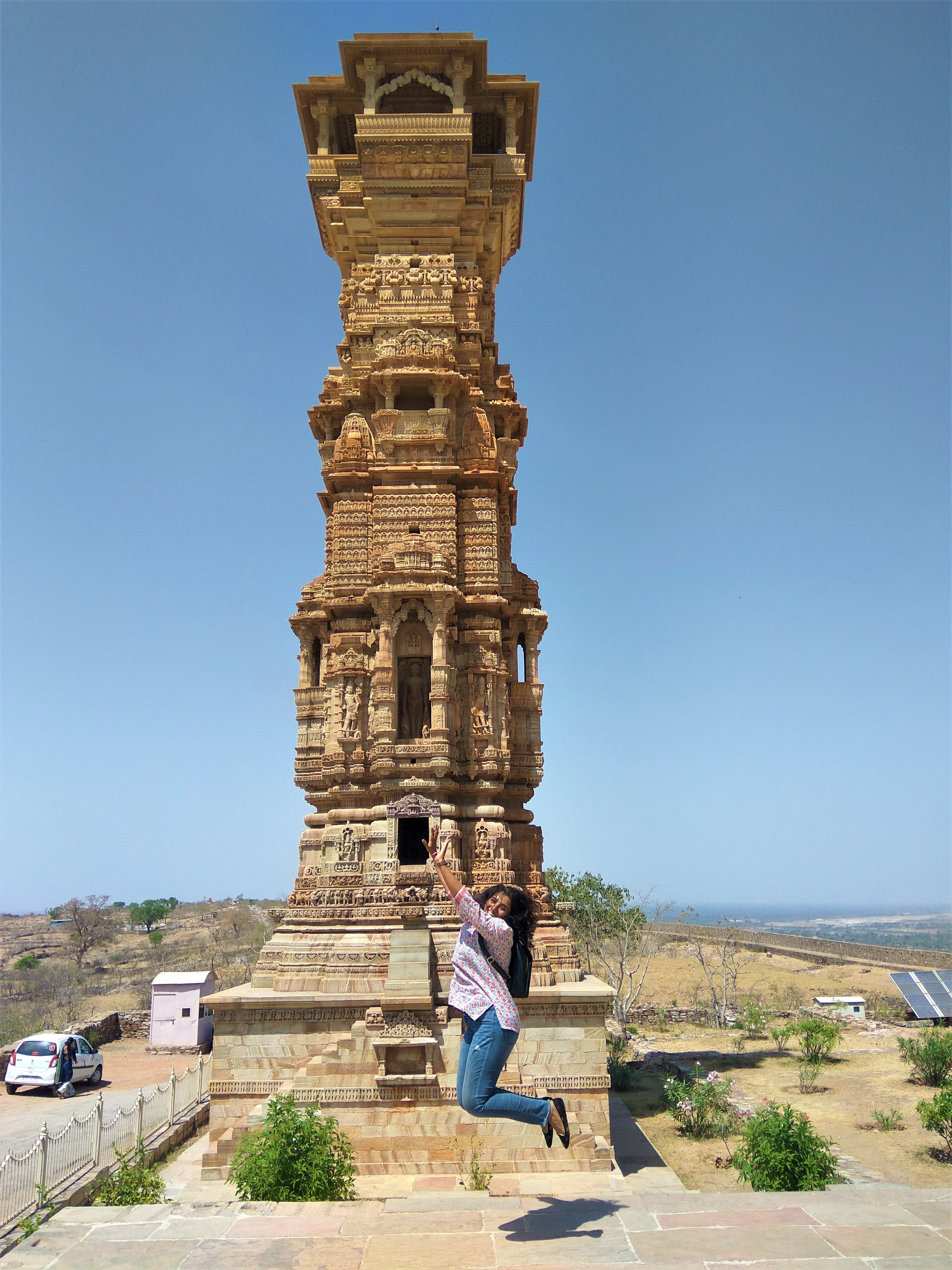
Vijay Stambh or Victory Tower is an architecture marvel and is must see in the entire fort. Built in 1440 AD by Maharana Kumbha to commemorate his victory over Mohamed Khilji this 9-storyed tower is adorned by sculptures of Hindu deities around. While we were visiting this fort, the top floors of the Vijay stambh were under restoration and hence entire tower was shut for visitors.
Kirti Stambh or Fame Tower is quiet a look a like of the Victory Stambh but was built before the construction of Victory Stambh. However, this tower is dedicated to Adinathji the 1st Jain Teerthankar adorned by the naked figures of the Digambars (Adherents of the Digambar sect who does not believe in covering the natural body). The tower was built by a Jain merchant Jeeja Bhagerwala during the reign of Rawal Kumar Singh for the glory of Jainism.
Padmini Palace was once the palatial abode of the exquisitely beautiful Rajput queen, Rani Padmini, the wife of King Rawal Ratan Singh. This palace is surrounded by water and served as the perfect abode for queen Padmini during the 3-4 months of hot summer season. However, after the recent backlash, entry to this palace is denied.
Gaumukh Reservoir symbolizes the exuberance of its homely fort more than the fort itself. A deep tank filled by a spring coming from a ‘cow mouth’, situated at the edge of the cliff. (Gaumukh is common way for Hindu’s to signify the main source/ mouth from wher the water starts to flow further.) It is located near temple, and is a complete natural beautyand also feeding fishes here is considered to be an auspicious ritual. The Gaumukh Reservoir is one of the eighty four water bodies of the fort is filled with water to this day.
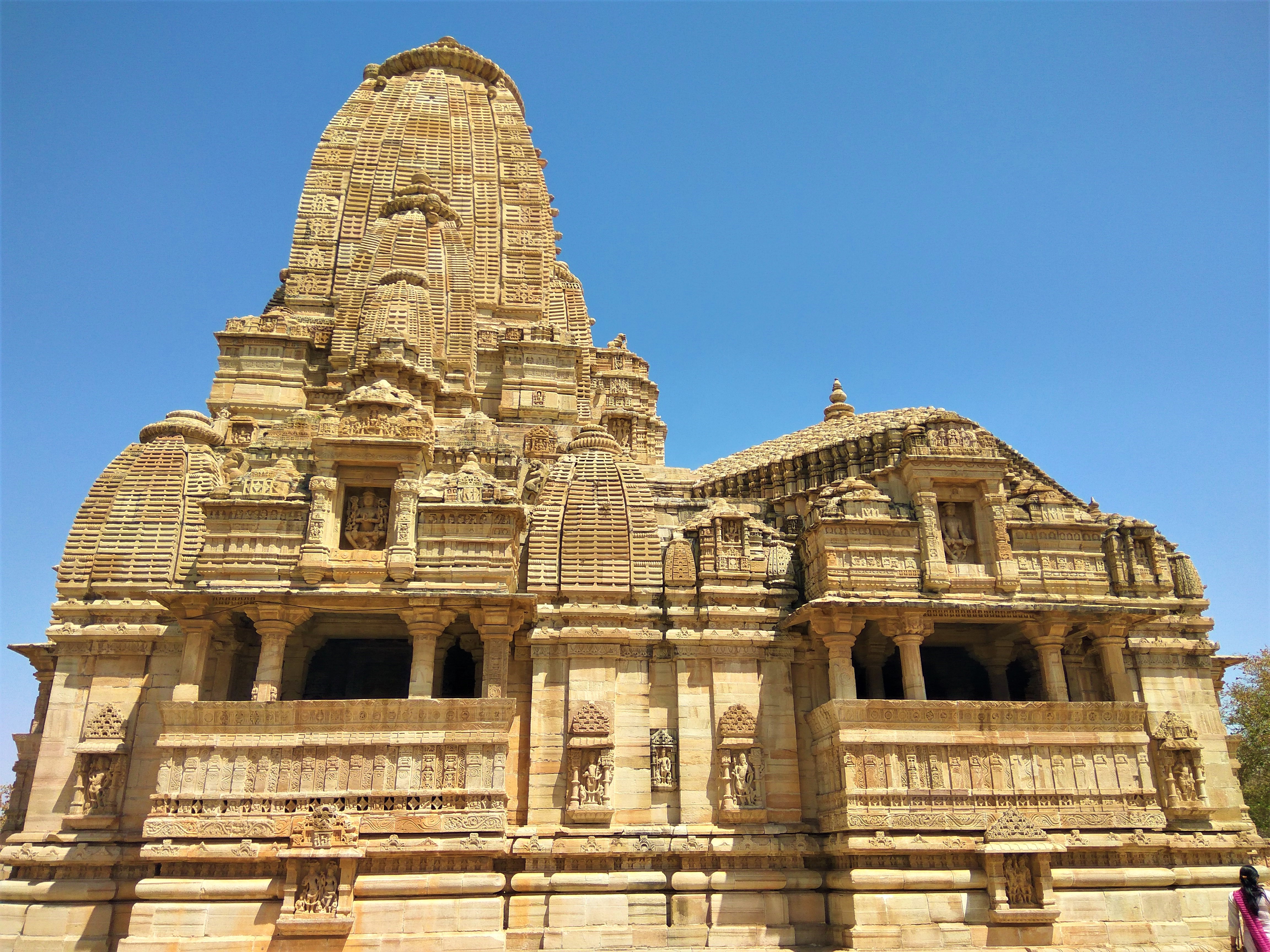
Meerabai Temple was built by Maharana Kumbha in 1449, this lord Vishnu Temple has beautiful idols in its sanctum, mendap and pillars. The Meera temple is constructed to be dedicated to Meera Bai that has splendid work of art reflecting the Indo-Aryan style of architecture which was very famous in those times and is still a part of Indian cultural heritage. On the outer side of the Meera Bai temple there is a carved statue of five human bodies with one head which symbolizes the fact that people of all castes and creed are the same and no differences exists.
EATS
Padmini Haveli is quiet an enchanted place for tourist to taste the culture with some great view.
Chokhi Dhani is another lovely option to taste local food while sitting on chaupai thats surrounded by Rajasthani artifacts and colors.
STAY
I personally didn’t stay in Chittorgarh but Menal Resort will be a good option incase you are looking for good budget hotels. I have stayed at Menal during my work visit and waterfall view during monsoon is spectacular. Castle Bijaipur and Panghar Lake Retreat are some other good options.
TIPS
- Hire a well certified guide coz the history is worth knowing about.
- Have a vehicle with you while touring the place since the entire periphery is about 13kms
Check out my other trips in Rajasthan and Udaipur.
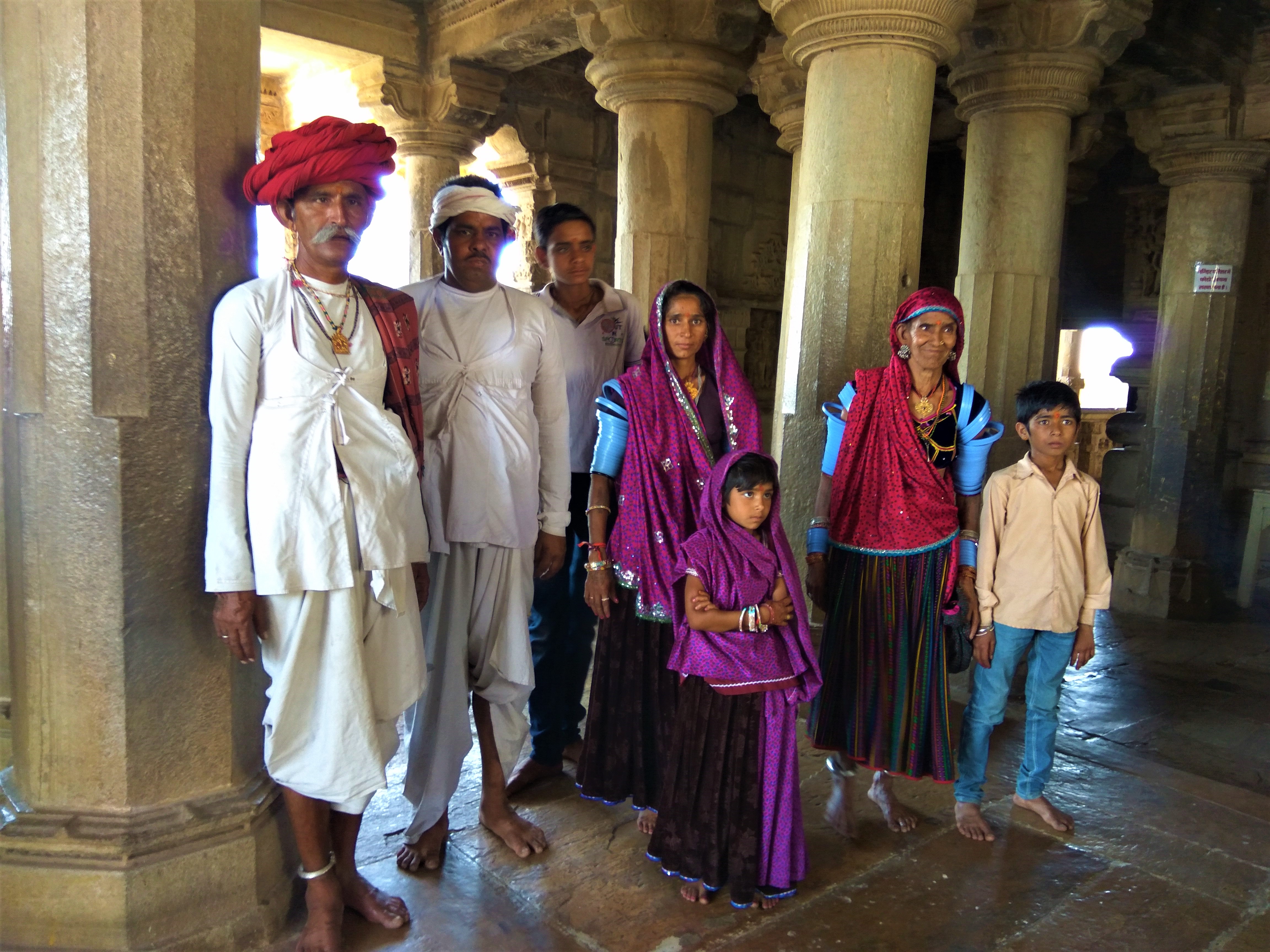
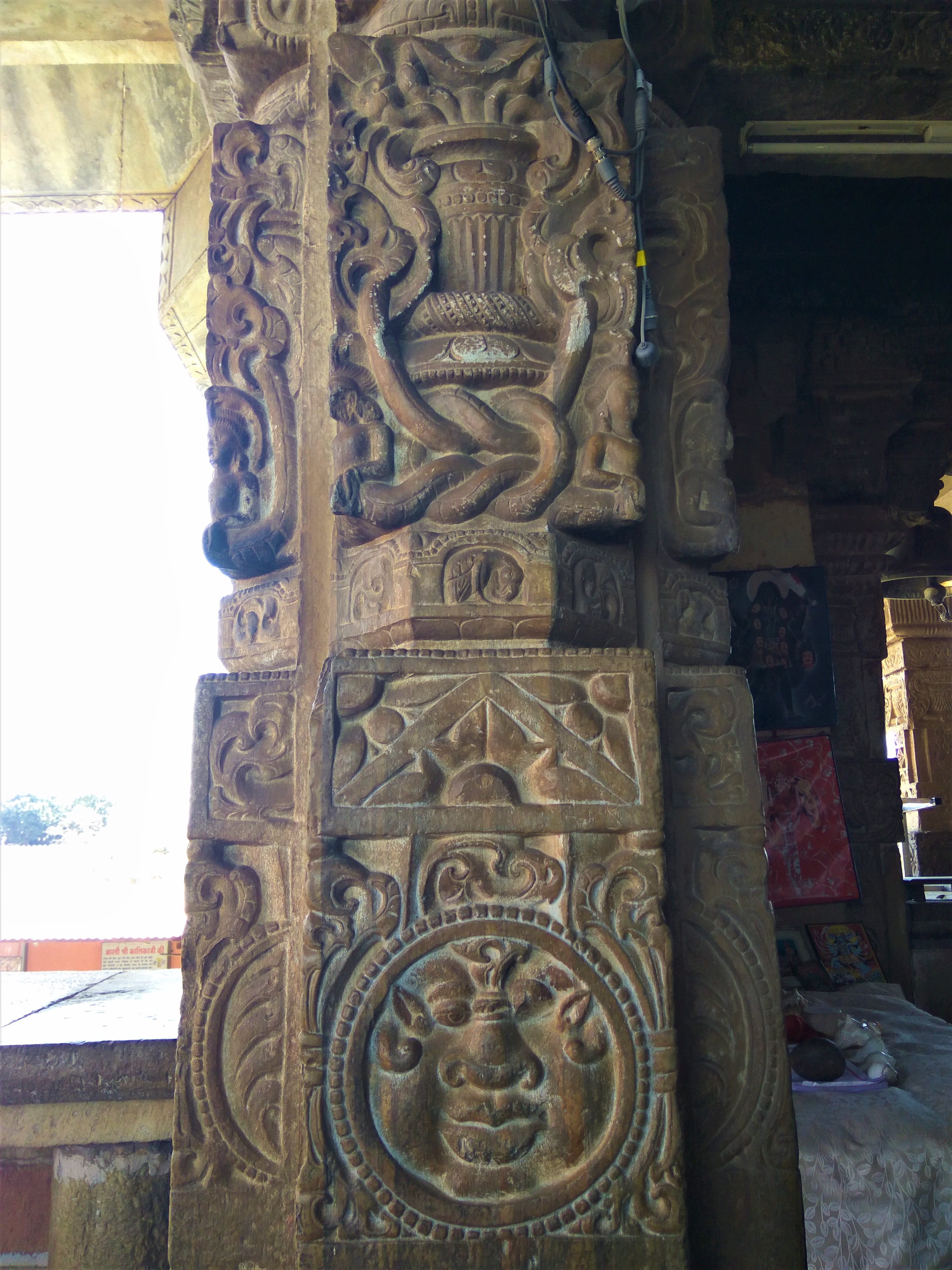
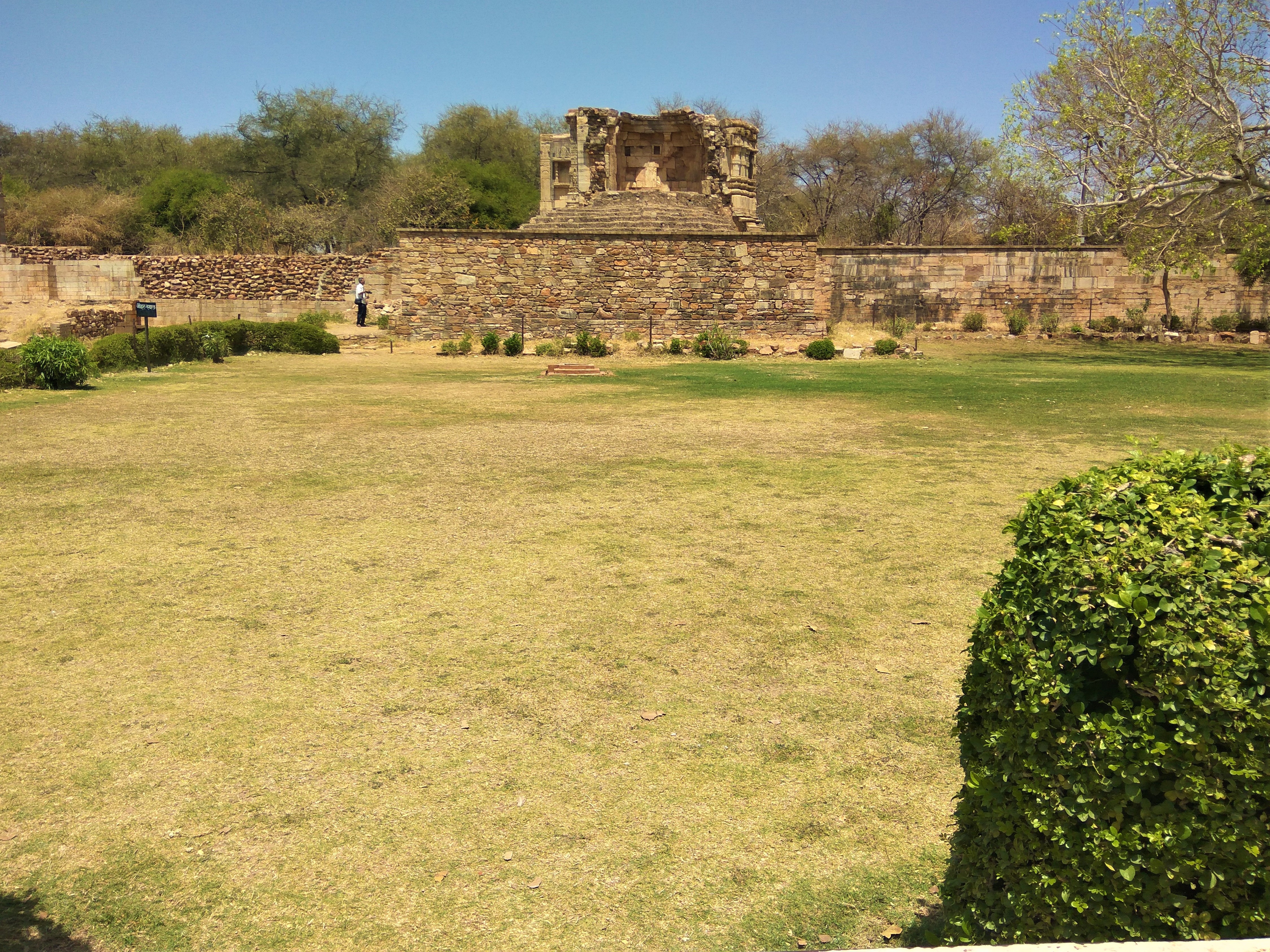
Here is a visual tour of my trip to Chittorgarh Fort:


Discover more from 2HappySouls
Subscribe to get the latest posts sent to your email.

Leave a Reply