


Bhutan is an brilliant travel destination for backpackers and hikers. Once we got our permit sorted at Phuntshuling (read details here), our next pits top was Paro – a valley town of Bhutan located in the western part of the country and the only town with international airport. Its a beautiful city with its own pace that i fell in love with.
SEE
1. Monasteries at Tigers Nest (Taktsang Palphug Monastery): Is a prominent Himalayan Buddhist sacred site and the temple complex is located in the cliffside of the upper Paro valley. The temple complex was first built in 1692, around the Taktsang Senge Samdup cave where Guru Padmasambhava (a reincarnation of Bhudh who was born to spread the message of bhuddhism) is said to have meditated for three years, three months, three weeks, three days and three hours during the 8th century. Padmasambhava is credited with introducing Buddhism to Bhutan and is the tutelary deity of the country. Best way to reach the monastery is by hiking which is of medium level mainly for the slight altitude complexity that might challenge few tropical souls like us. Locals take about 1.5 hours to hike however, non-hikers especially the not so fit-ones will take about 3.5 to 4 hours. There is an option to reach halfway by horse and rest of the hike mainly consists of steps. So people with knee/ artherities problem will face difficulty. However, the view is breathtakingly beautiful and definitely worth every effort. Make sure to carry enough water and energy bar as there are’nt any supplies available on the way. Take a guide from the base or on top to tell you the mythological stories of the place – its a must as without which its just a temple with statues and paintings. The entry ticket has to be bought at the base costing about Nu 500 and guide cost of about Nu 200-300. Must try the Holly water which is actually stream water coming from Tibet (I tasted Tibet for 1st time and I am so intrigued).
2. Kyichu Lhakhang: is an important Himalayan Buddhist temple situated in Lango Gewog of Paro District. The Jowo Temple of Kyichu is one of the oldest temples in Bhutan, originally built in the 7th century by the Tibetan Emperor Songtsän Gampo. We faced a hard luck as the royal mother of Bhutan was living in the temple premise for 21 days for which the temple was shut for visitors, including locals. We could visit the veranda and buildings located in the complex except for the main temple. Still it was lovely touching the temple walls of the 12th century.
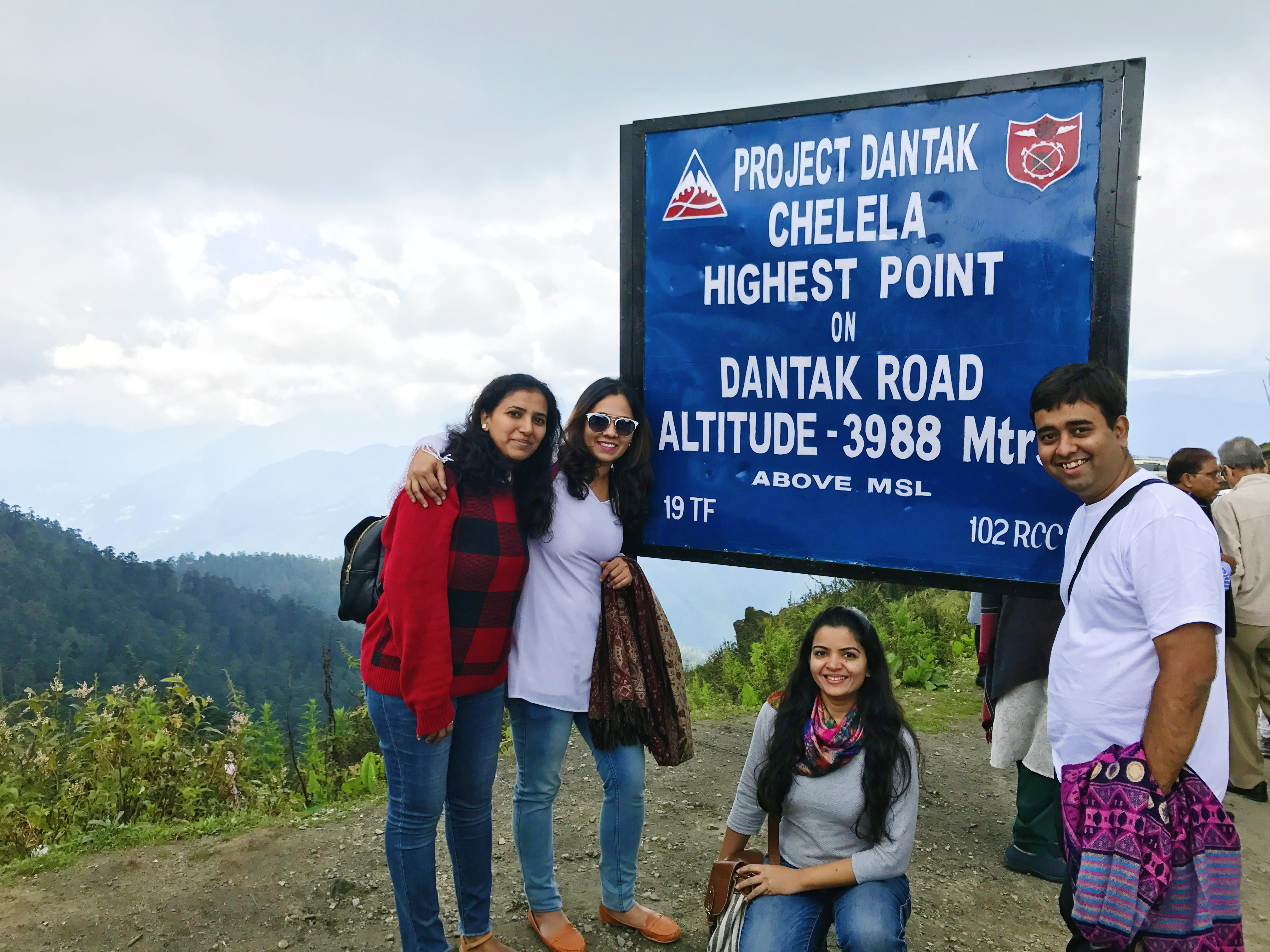
3. Chelela Pass: Is at an elevation of 13000 ft and is considered to be one of the highest motorable pass in Bhutan. About an hour’s drive from Paro which is filled with lush valleys, pine and rhododendron forest. The pass provides stunning views of the sacred mountain Jomolhari and Jichu Drake with buntings of prayer flags everywhere. Its a delight to be at the top of this pass where you may enjoy hot beverage or thukpas and momos. Make sure to carry woolens as it can get quiet chilly up there in most seasons.
4. Archery: Is the national sport of Bhutan and you could be lucky to catch a tournament going on at the nearby stadium/ ground. Only a ground in paro, located in town, allows visitors to try their hands on archery. So make sure not to miss it. However, archery must be done during day time as it is performed in open ground which gives it a time limit till day light. You may catch a tournament of locals in their traditional wear playing their traditional sport. Get more details here.
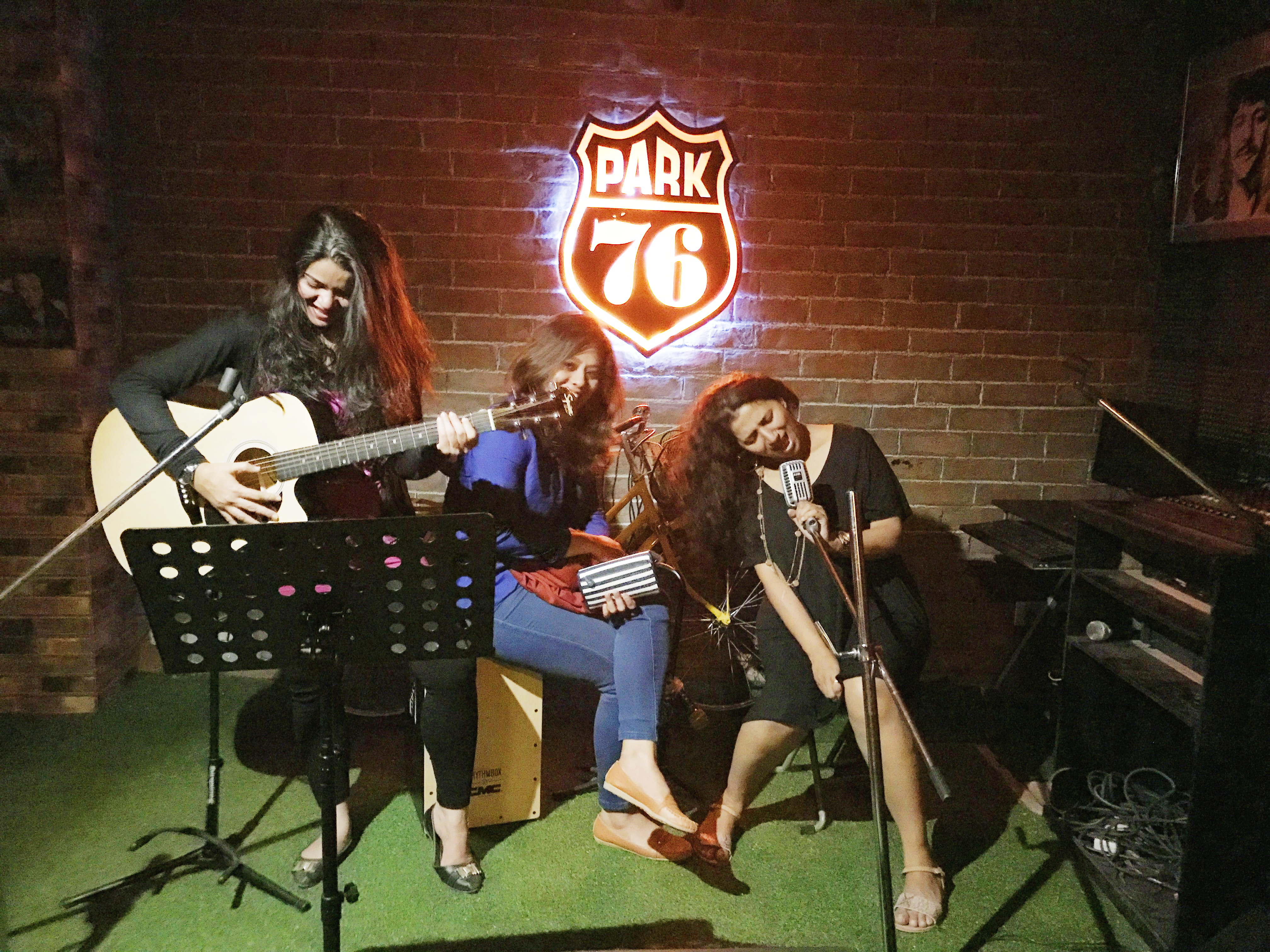
5. Night life: I was surprised to read about the night life of Bhutan. Paro has few pubs located in the town and couple of clubs to shake a leg – and Bhutanese youth definitely shakes it well. Experience the pub and club culture of Paro as it exposes a very diffrent side of the country. The clubs mainly have Hindi and English music playing along with some Bhutanese music. We visited club Insomnia and the owner of the club made it a memorable trip was us.
There are some more places in recommendation but we gave them a pass.
6. Dzongdrakha Goempa: This monastery is located in a village called Bondey in Paro district. This Goempa is often called mini Taktshang as it is built on a cliff above the village. Dzongdrakha is translated as ‘Temple on a cliff’ in Bhutanese terminology. It takes 20 minutes by car from the Paro town to reach the Goempa. It is located in the altitude of 2227 meter. Dzongdrakha Goempa is a secondary example of a cliff-side temple. We gave this a pass as its very similar to monastries at Tiger’s Nest, only on a smaller scale. Read more here.
7. Haa valley: Haa’s major feature is the Haa Valley, a steep north-south valley with a narrow floor. The name Haa (pronounced “hah”), connotes esoteric hiddenness. An alternative name for the district is “Hidden-Land Rice Valley.” We started our journey to Haa after visiting Chelela Pass but we dropped the idea. The roads are relatively poor quality with too many hair-pin turns making the road trip filled with nausea and motion sickness. But it is a lovely place for camping. Read more here.
8. Drukgyal Dzong: was a fortress and Buddhist monastery, now in ruins, located in the upper part of the Paro District. Read more here.
Bhutan is a paradise for trekkers and here are some mesmerising places to hike which may span for more than couple of days. From the list Bumthang Owl Trek sounds like he perfect way to experience Bhutan mountains if on a short trip.
EAT
1. Ema Datshi is the national dish which is mainly a preparation from cheese and chilies and is available throughout the country. Datshi is a spicy mix of chilies (like a curry) which is combined either with Ema (homemade cheese), Kewa (potatoes), Shamu (mushroom), Hantsey (spinach), etc to create various preparations. Authentically datshi is made from Yak cheese. Try eating homecooked Ema Datshi in somebodies traditional house as the preparation is different in restaurants. We ate at the homestay that we livid in and i must say, i didnt get similar taste at any of the restaurants.
2. Butter Tea also known as po cha is a drink of the people in the Himalayan regions of Nepal, Bhutan, India (particularly in Ladakh, Sikkim) and, most famously, Tibet. Traditionally, it is made from tea leaves, yak butter, water, and salt, although butter made from cow’s milk is increasingly used, given its wider availability and lower cost. We were served butter tea every morning by our lovely host. But i must admit after experiencing it once, i couldn’t drink it as its a heavy drink and definitely didn’t provide me the wake up like my normal tea does.
3. Momos These Tibetan-style dumplings are stuffed with pork, beef or cabbages and cheese. Traditionally eaten during special occasions, these tasty treats are a Bhutanese favourite and surely were mine. There are many tiny joints in the Paro town selling them as snack.
4. Sonam Trophel is a delightful restaurant with lovely owners who are well traveled and have lovely stories to share. Most of the food out here is nice. Must try the momos, hentsey datshi, and chicken maru.
In Paro, since we lived in a homestay, we had most of our meals were home-cooked by the host family. Hence we got to try lesser food at the restaurants. However, here are some popular recommendations.
STAY
1. Paro Penlop Dawa Penjor Heritage Farmhouse is where we stayed and will highly recommend it. Read the detail review on the homestay on my blog.
2. Hotel Peljorling is a budget stay option available in the heart of Paro.
3. Sonam trophel Inn is well frequented option.
Read cover post on Bhutan for cost & details. along with a post detailed homestay. Travel guide on Punakha & Thimphu coming soon.
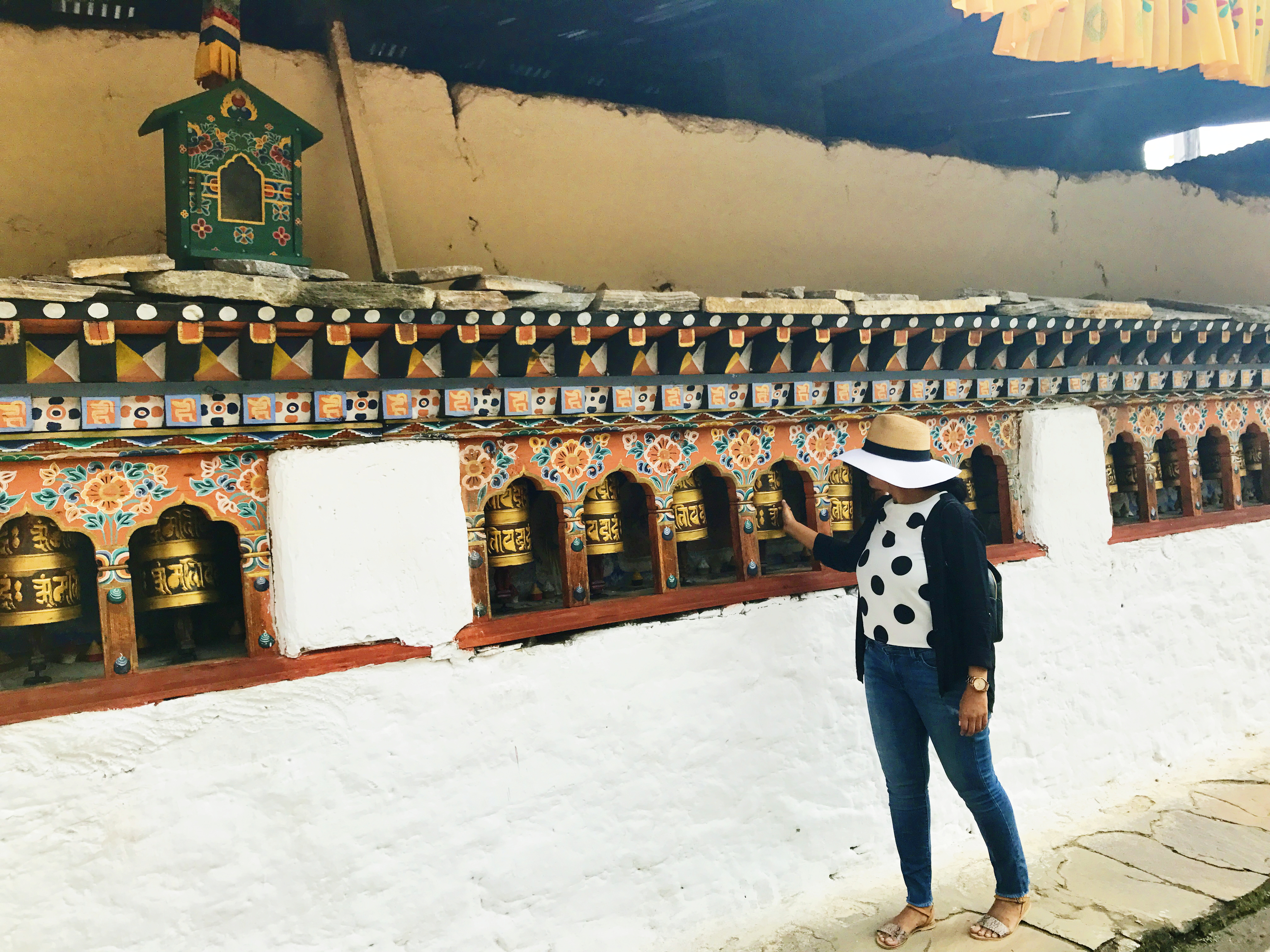
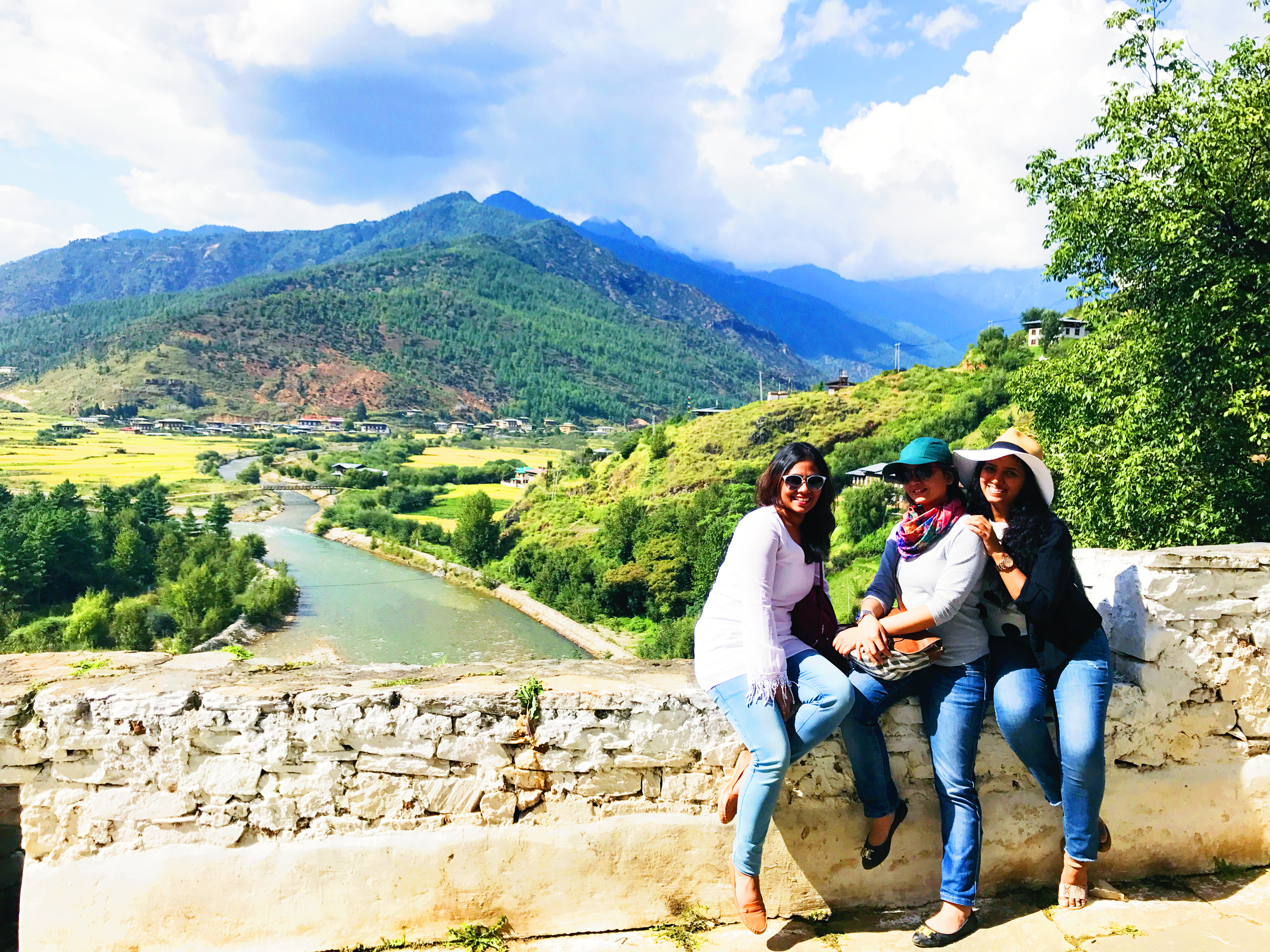
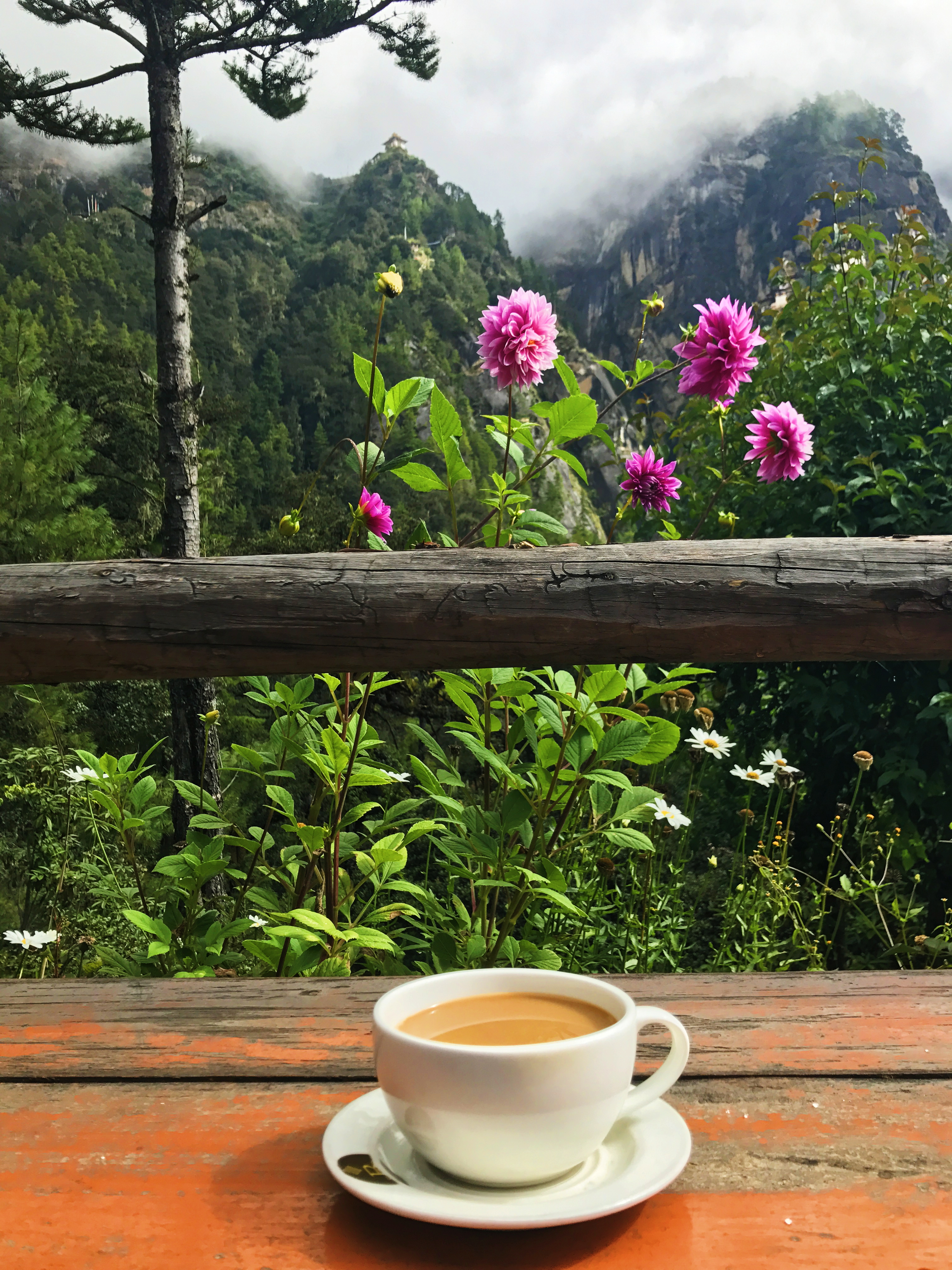
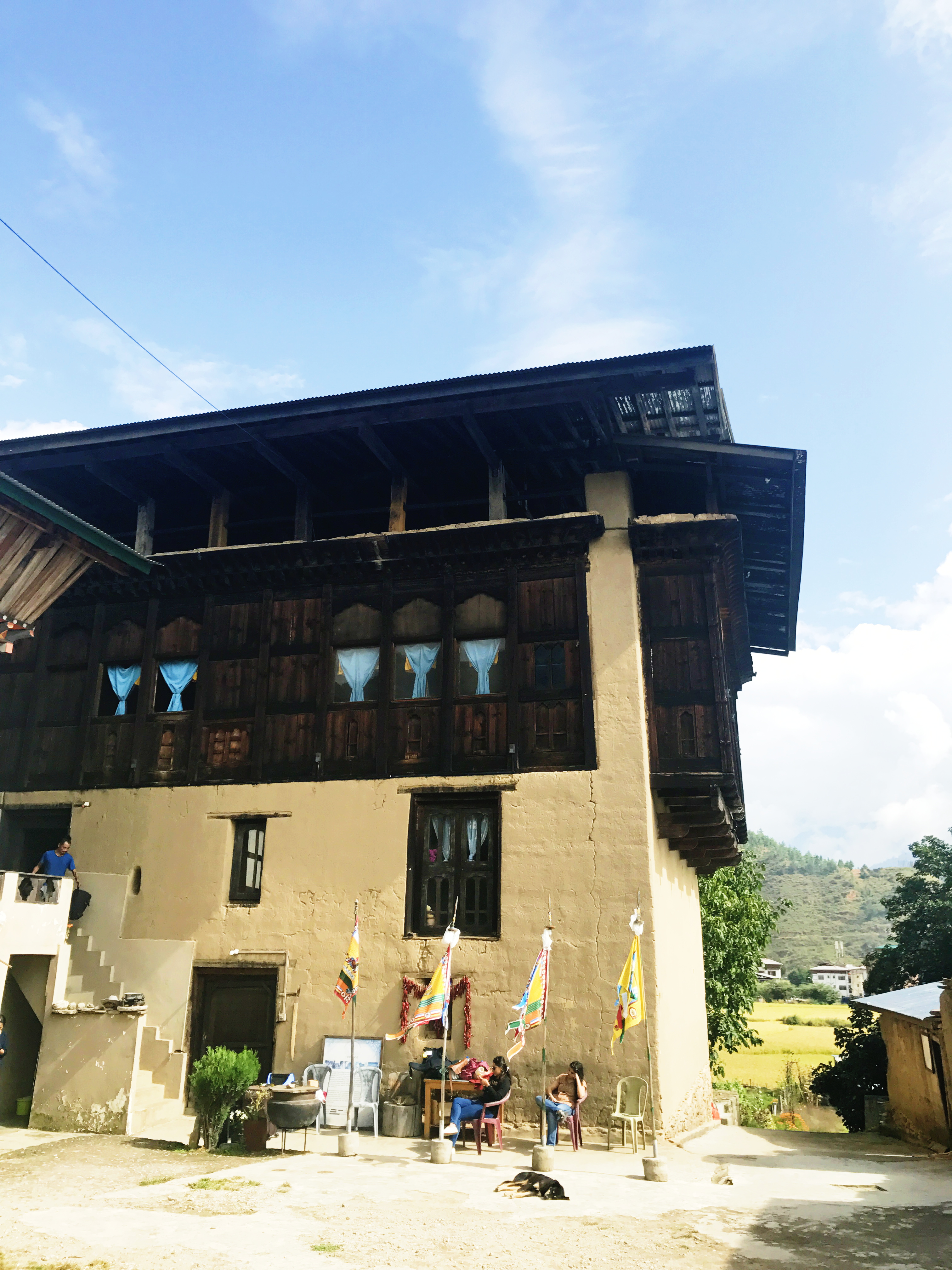
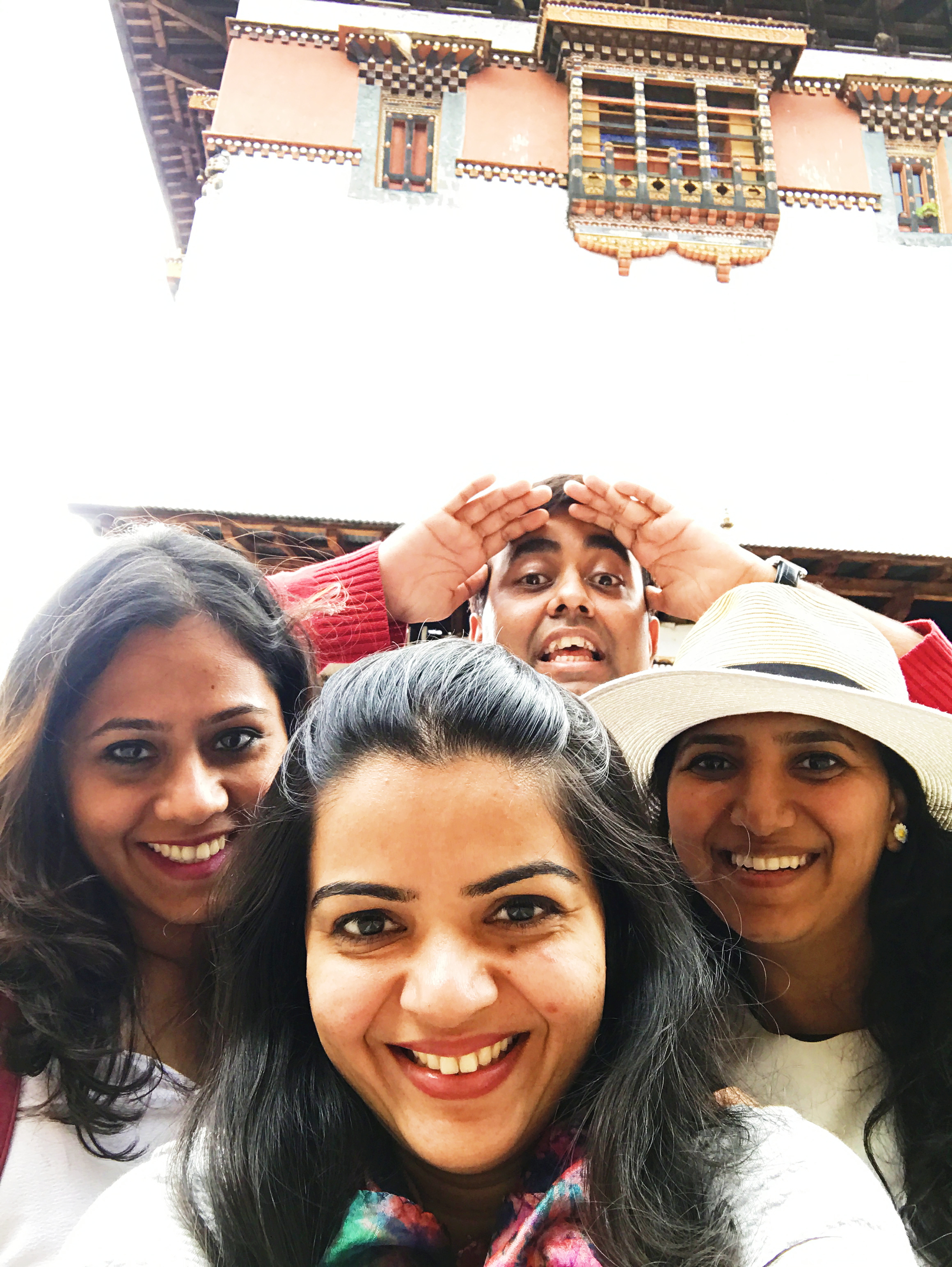
Here is a visual trip to Paro:

Discover more from 2HappySouls
Subscribe to get the latest posts sent to your email.

wow beautifull place amazing
cooking recipes
LikeLike