

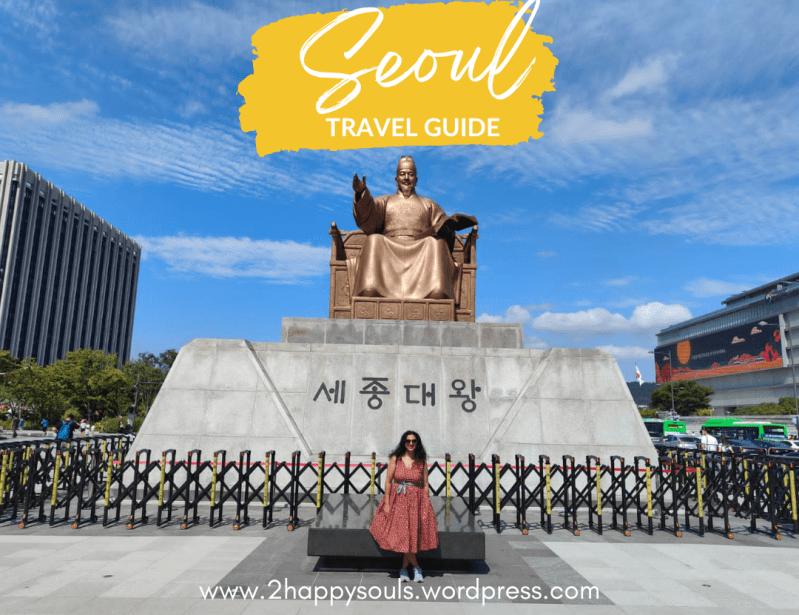
This city absolutely lives up to its name – Seoul (soul), atleast from a tourist’s perspective. If you see this city completely, you have experienced a significant part of the country.
Seoul is a unique city with new age design buildings, glass sky scrappers, huge parks, and many historical palaces & gates. Thats because Seoul was also the capital city for the last Korean Joseon dynasty before Japanese colonised Korea. Joseon dynasty was active for almost 500 years which makes this city an epicenter for cultural activities for Korea in general.
| Article Content |
| South Korea Blog articles link |
| 5 to 7 days itinerary |
| Things to do in Seoul |
| Essentials for Seoul |
| Where to stay in Seoul and stay options with prices |
| Travel budget for Seoul |
| Cost saving tips |
South Korea travel blog links
| South Korea Travel Guide | Seoul Travel Guide | Busan Travel Guide | Jeonju Travel Guide | Incheon Travel Guide |
| Temples of South Korea | Seoul Tea house & Cafe Guide | Busan Cafe Guide | Jeonju Cafe Guide | |
| South Korea Food Guide | Seoul Food Guide | Busan Food Guide | Jeonju Food Guide | Incheon Food Guide |
| South Korea Library Guide | Cooking experience in Jeonju | |||
| Soju guide for South Korea | Moju making class in Jeonju, South Korea | |||
| Socks craze of South Korea | Experience of living in a hanok stay |
Here is our 5/7 days itinerary for Seoul
We spent about 7 days just in Seoul and they were absolutely worth it. I will share note in the itinerary on what you can skip to shorten the trip but definitely 4-5days is bare minimum do justice to this city.
| Day 01 | Northern Seoul History Tour Part 1: Start at Gyeongbokgung palace (2-3 hours). Buy integrated palace tickets valid for multiple palace entry. Since we were visiting during Chuseok festival, and most palace entries were free. Lucky us! Dont miss the cafe of this palace. Then head to Bukchok Hanok village to see traditional homes, enjoy a bite at cafes and buy souveniers. After that head to Jogyesa temple in Insadong (450 years old Buddhist temple) and a really important temple of Seoul. Take an evening stroll at Cheonggyecheon stream and rested almost 2 hours by dipping our feet in the stream. End the day at Euljiro nogari alley for some beer and pollock fish, an extremely popular area for local office people after hours. |
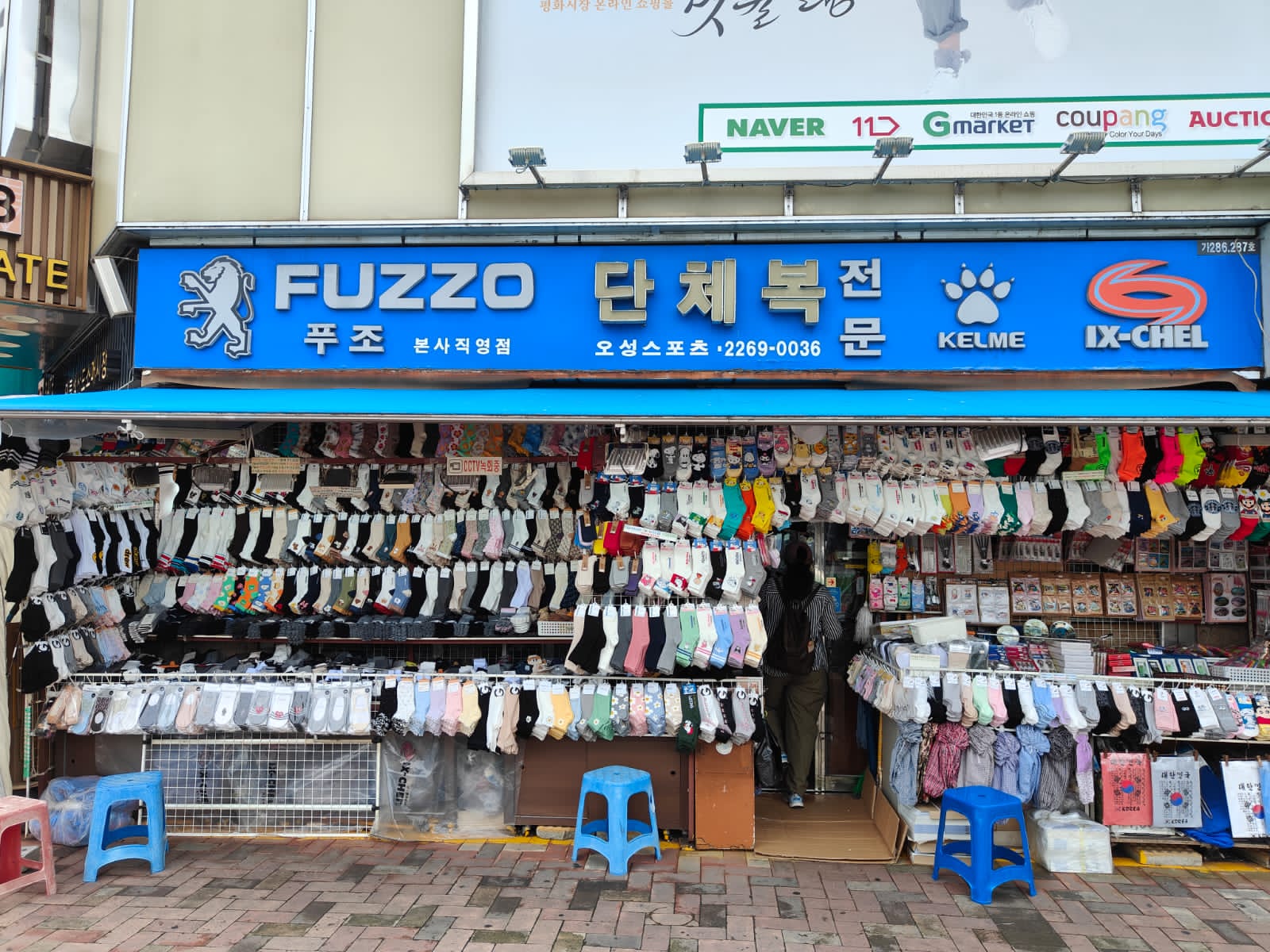
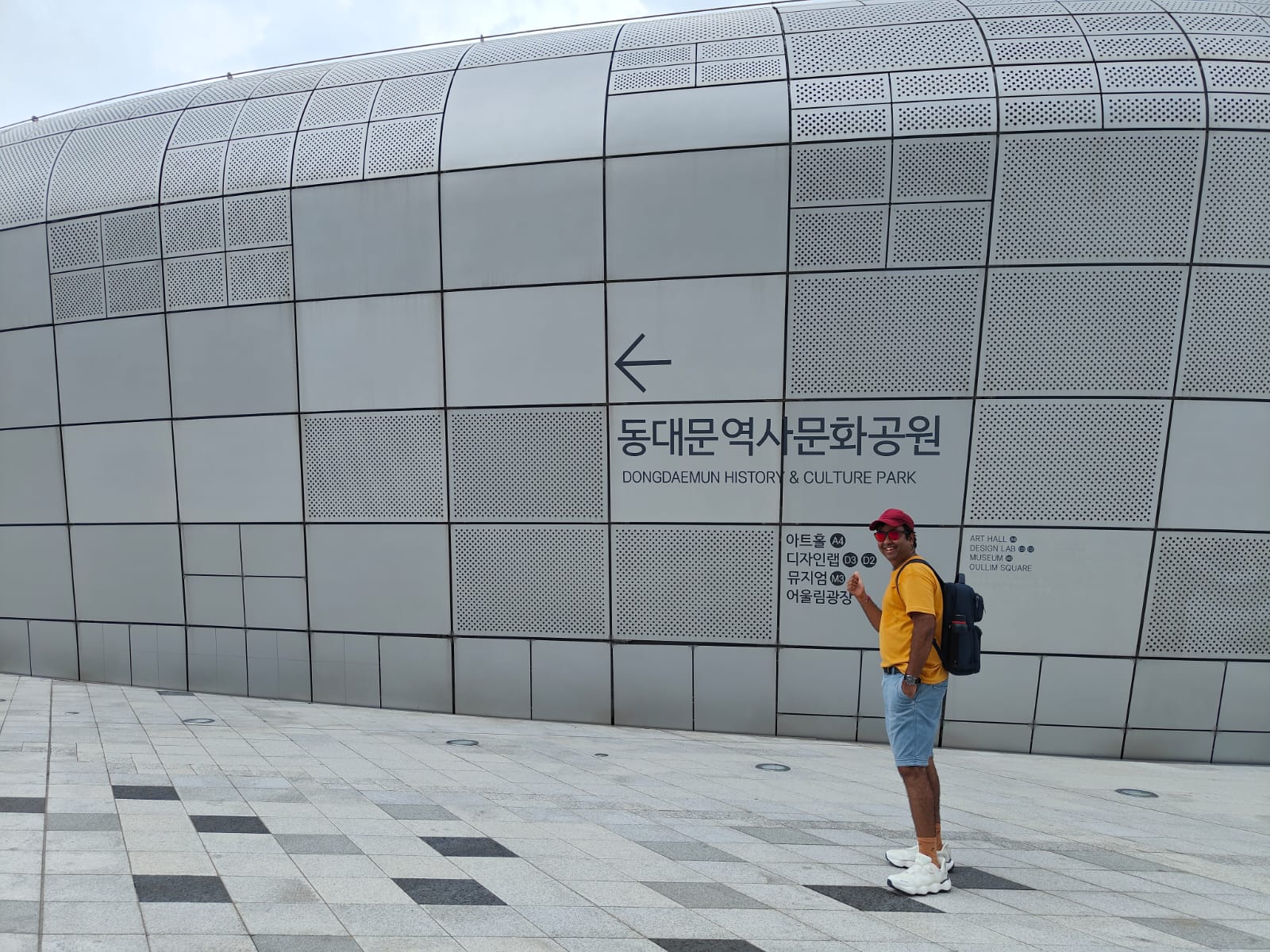
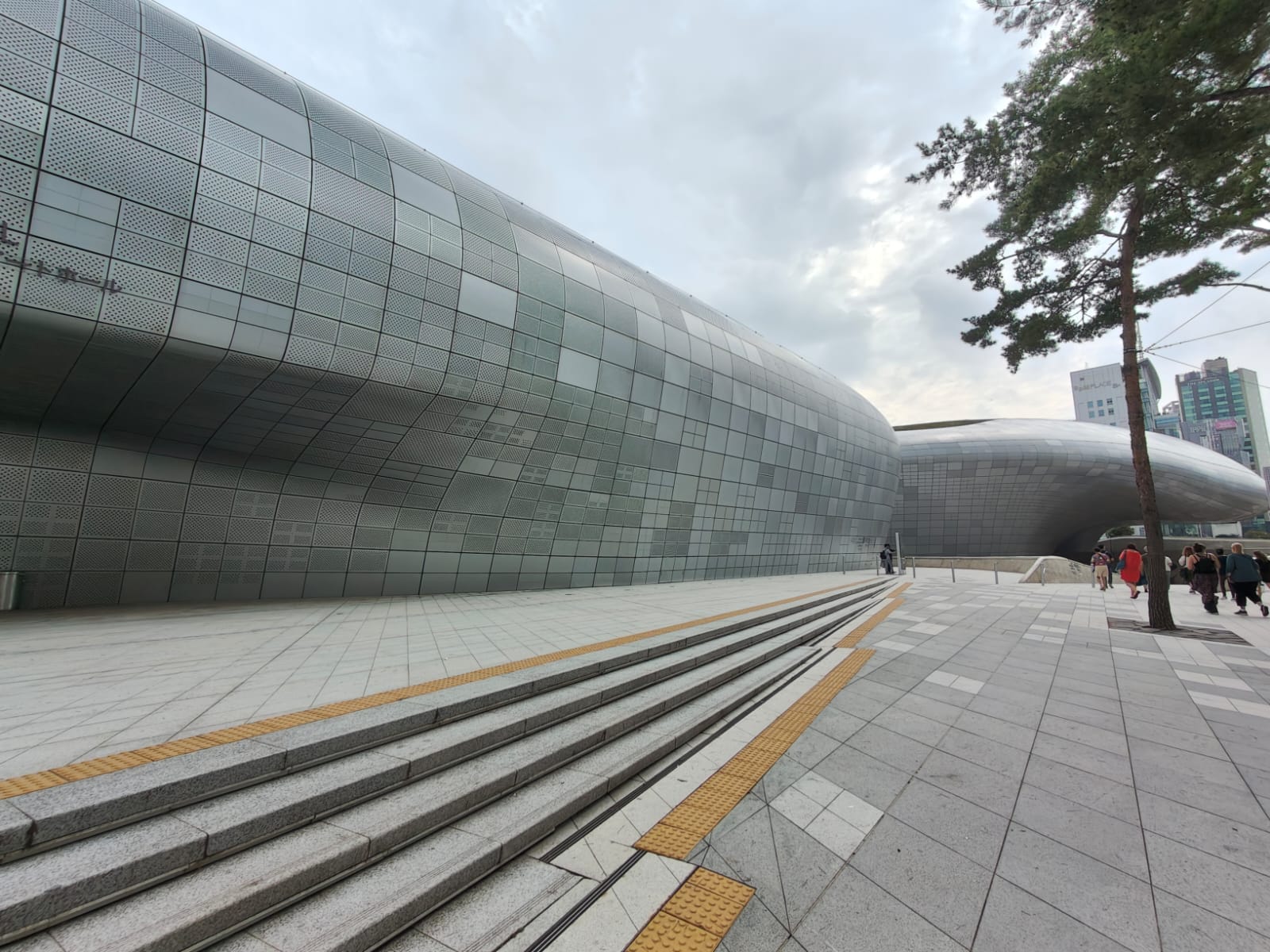
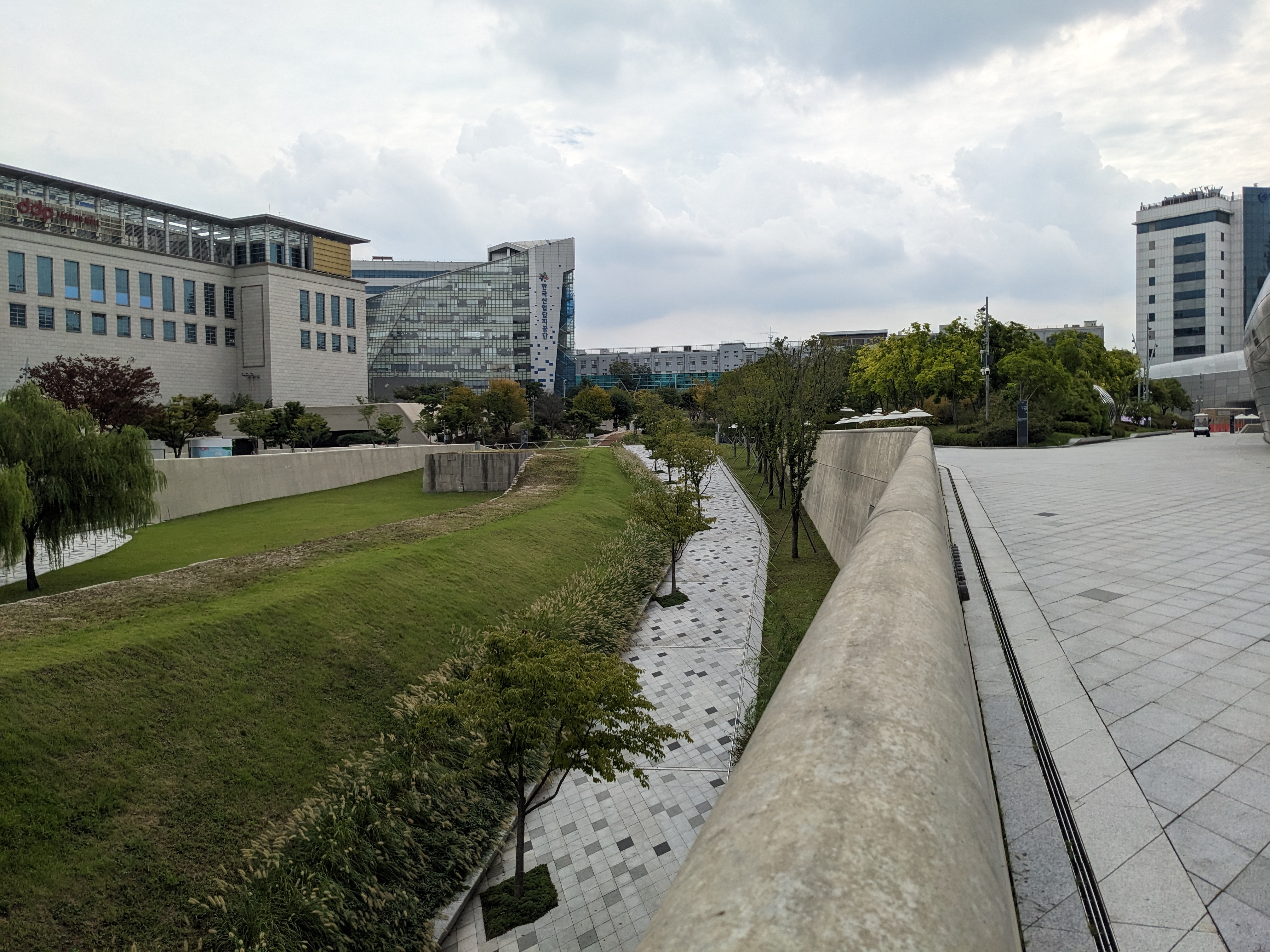
| Day 02 | Northern Seoul History Tour Part 2 Start the day in Insadong (Orange subway till Anguk station Exit 6 & walk to Insadong culture street) for shopping, cafe, & food. Lunch at Doma (ate Jeong Sik and Mok Sal) or eat at Imun Seolnongtang (oldest resto in Korea) or at Osegyehyang. Visit Cheongdeokgung palace and Huwon Secret garden on guided tour (not part of Integrated ticket). After that visited Jongmyo shrine which has a attached park. Visit Dongdaemun from East gate and took the walk uphill at Heunginjimun park (this is a famous spot from Kdrama). Explore Dongdaemun design plaza (futuristic landmark place). Shop at Pyeonghwa fashion plaza (I bought cute socks here). Dinner at Ikseon-dong with many cool places. Jongsamyuk is a popular barbeque restaurant. |
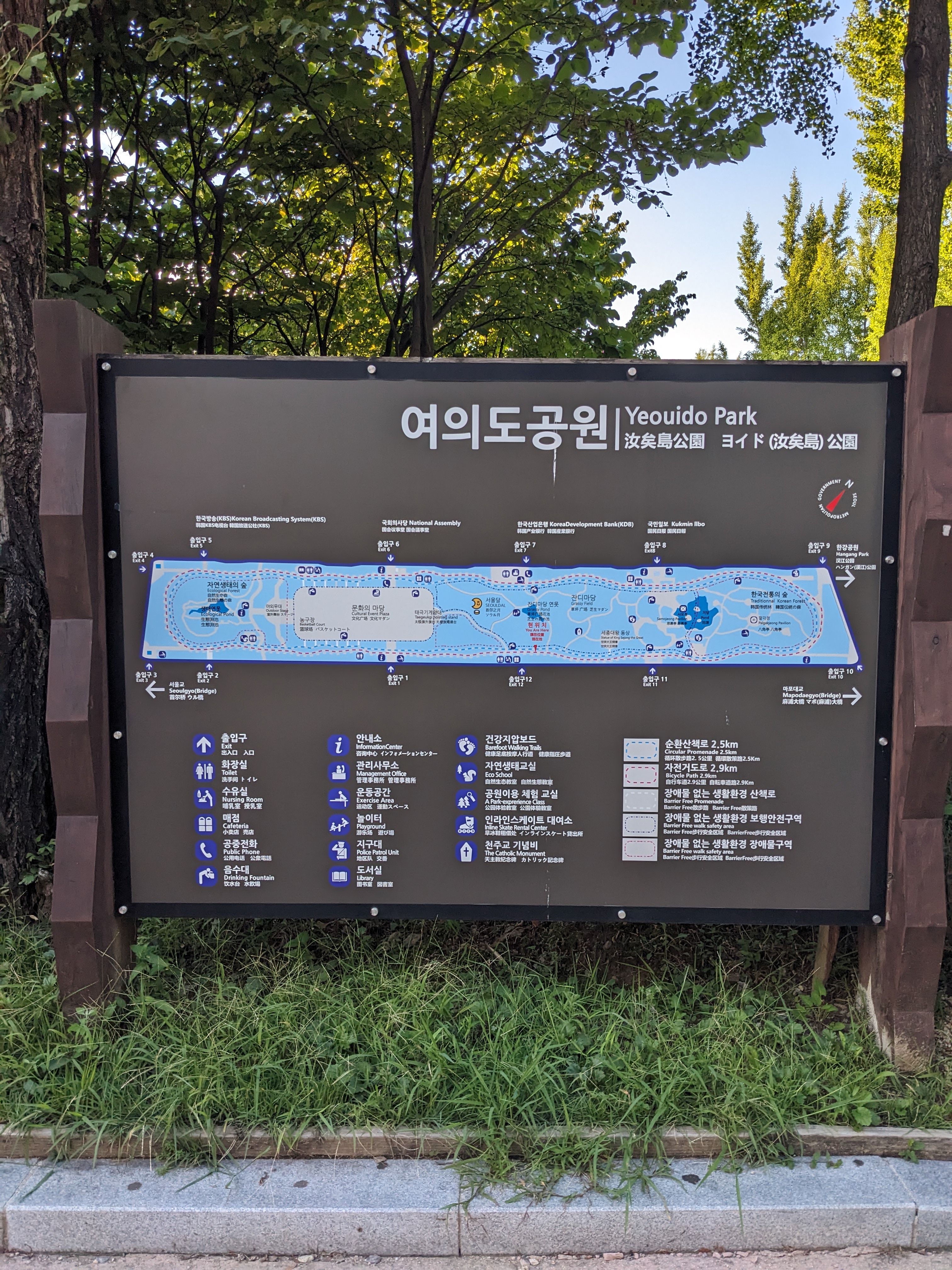
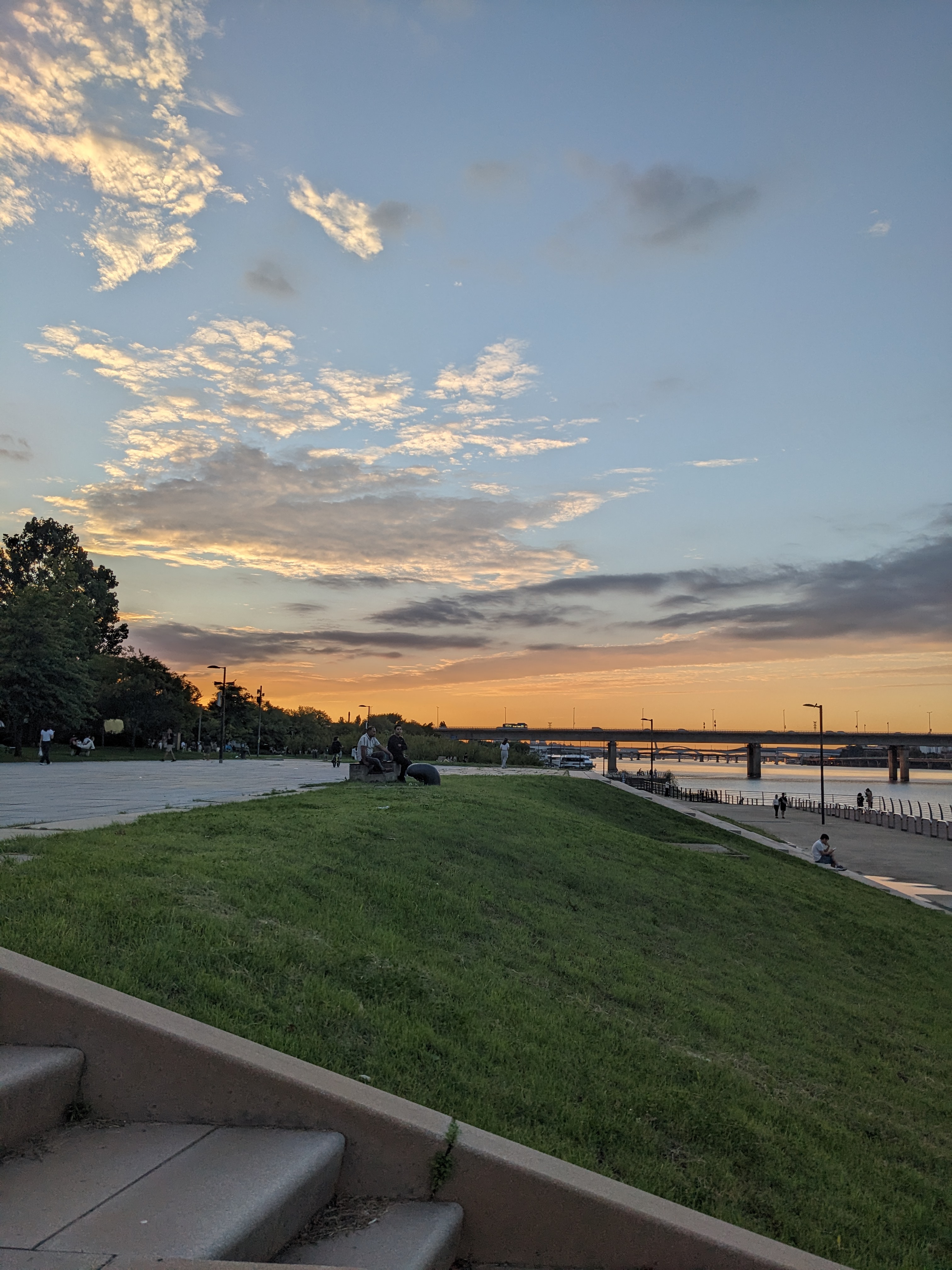
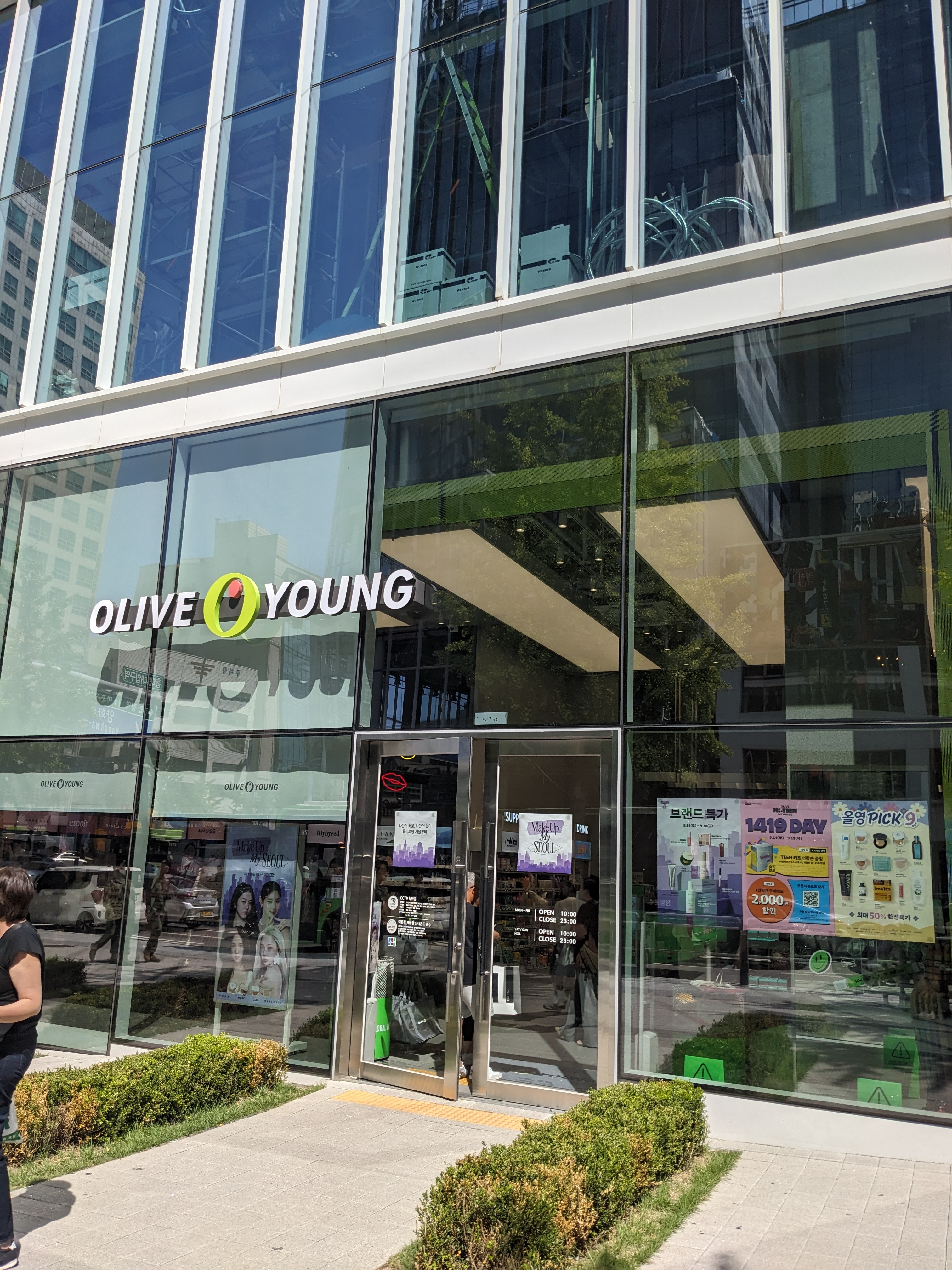
| Day 03 | Relaxing Day at Yeouido Visit Hongdae street – get off at Hongdae University Station to grab cart food, shop at malls & checkout graffitti art walls. I shopped for some Korean makeup at Olive & Young in Insadong, which I used throughout my trip. Visit Yeouido park – rent a bike through Seoul bike app (2000 WON for 24 hours) at the station and ride in Yeouido park thru the bike loop path & head towards Han river bike path. Enjoy a picnic by the Han river & experience sunset at Yeouido han river park or at Banpo Han river park (has light show from 7:30 to 8:30pm). |
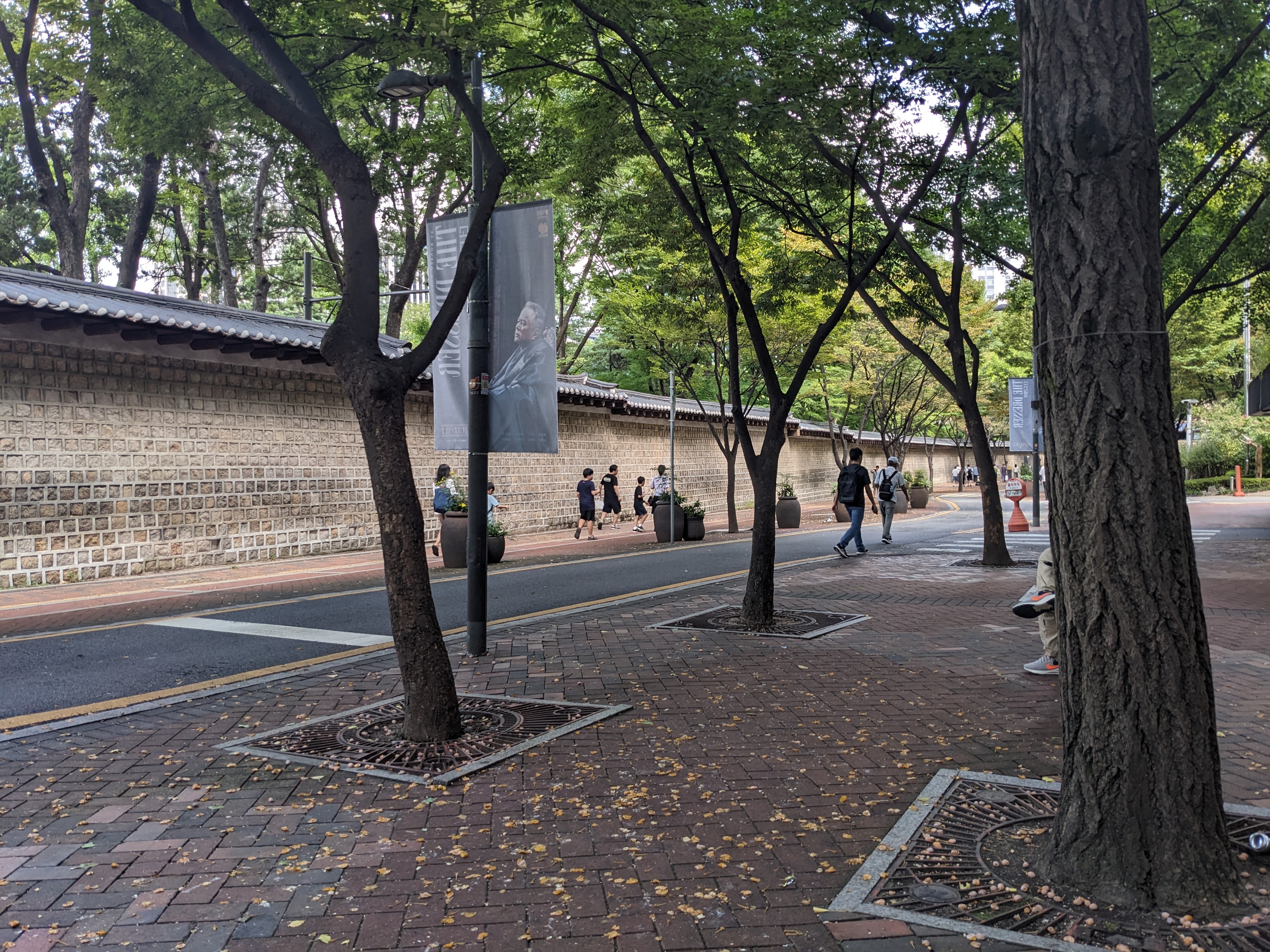
| Day 04 | Central Seoul Visit Seoul Plaza – City Hall station exit 5 and enjoy morning walk in the park. Visit Deoksugung palace (The stone wall pathway outside was featured in Goblin). Check out the Seoul station – walk outside at protesting area, and walk on 7017 walk way path to get Seoul’s busy under roads view. Visit Namsan tower – either take cable car (15000 won) or hike up for 30mins to enjoy sunset (2.5hrs). After this we went to Myeongdong for street food dinner but it ended up being really bad. So we then went to Gangnam area to grab dinner. (Incase of short itinerary, itinerary of this day can be skipped) |
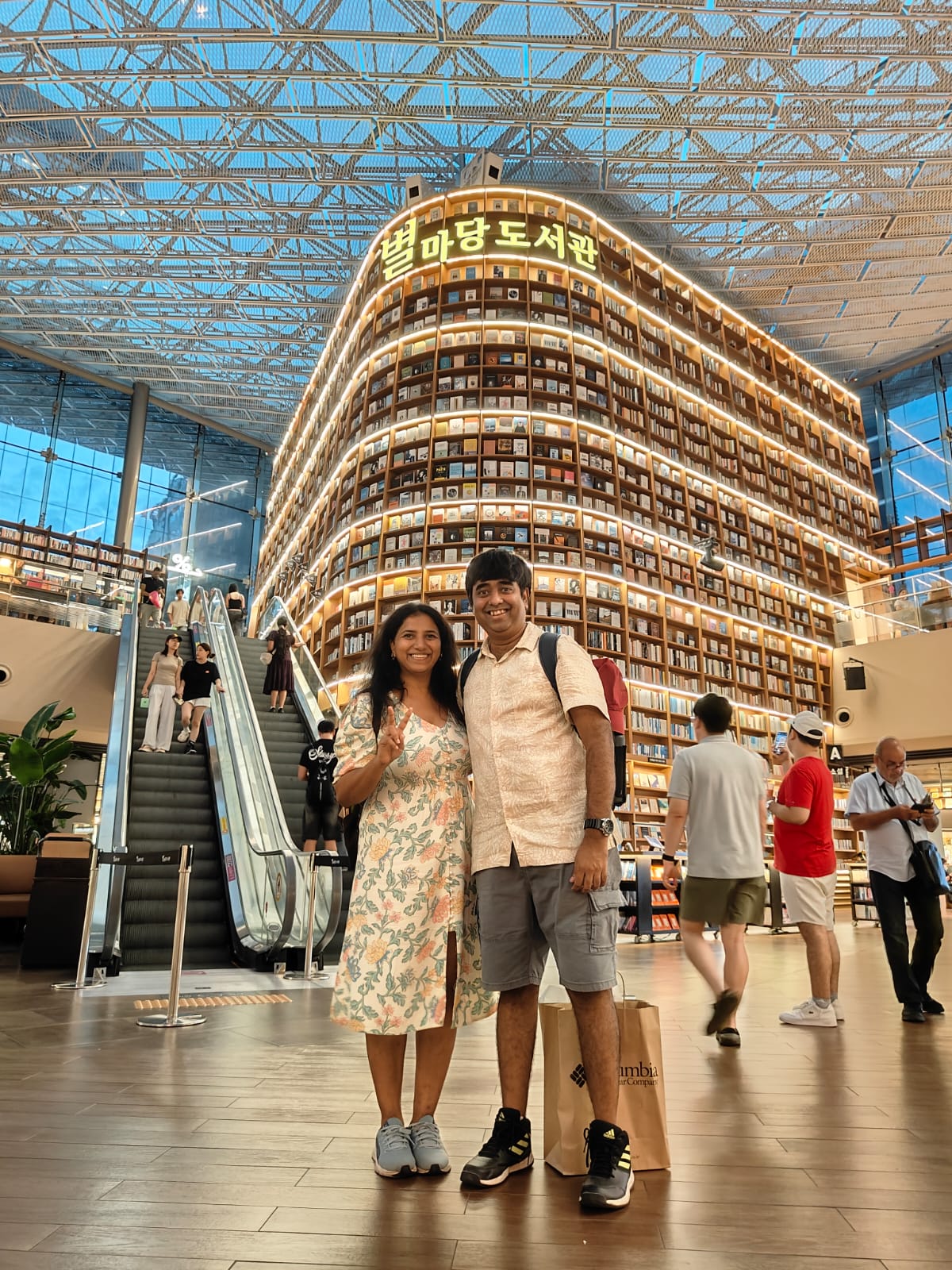
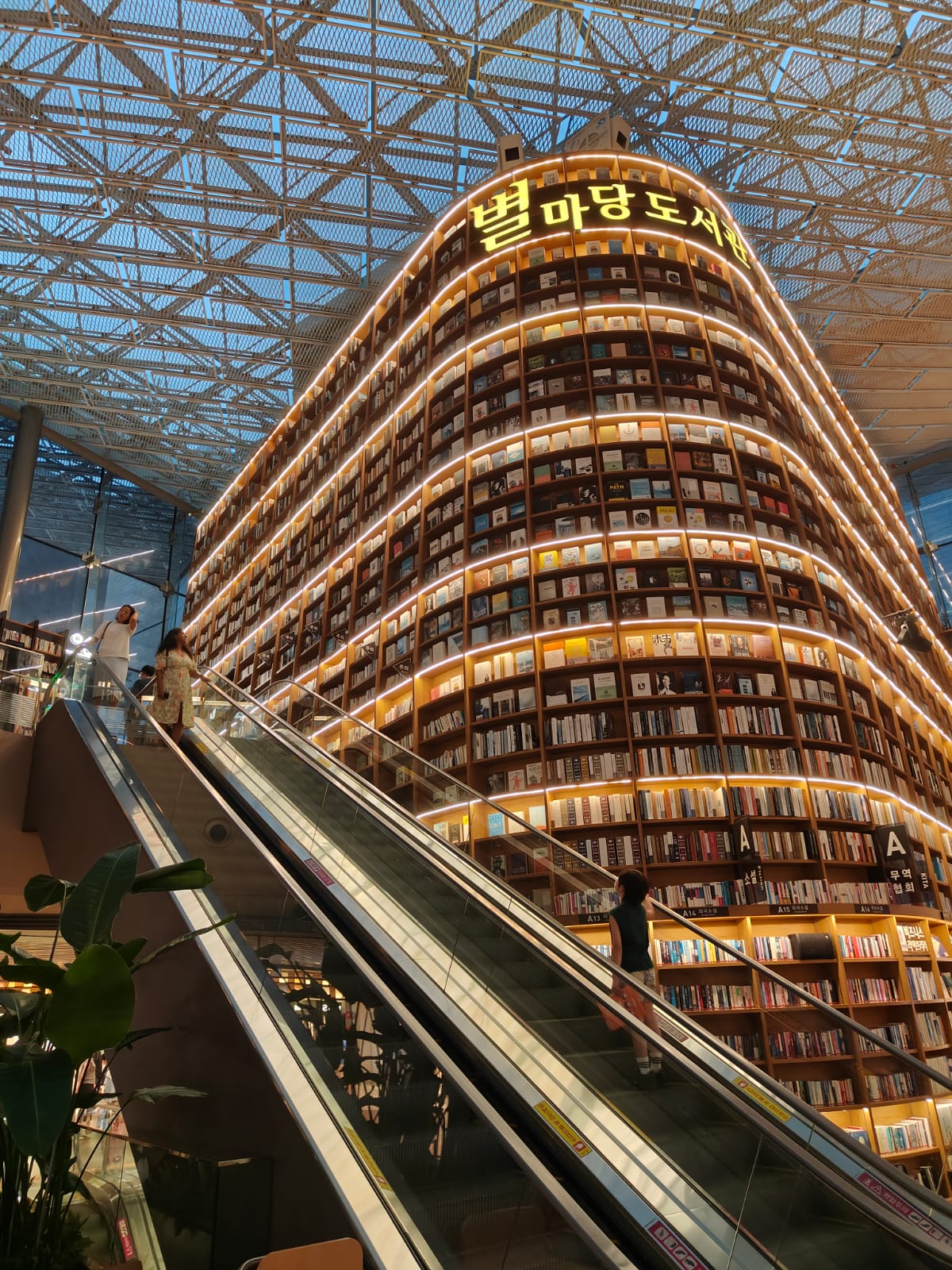
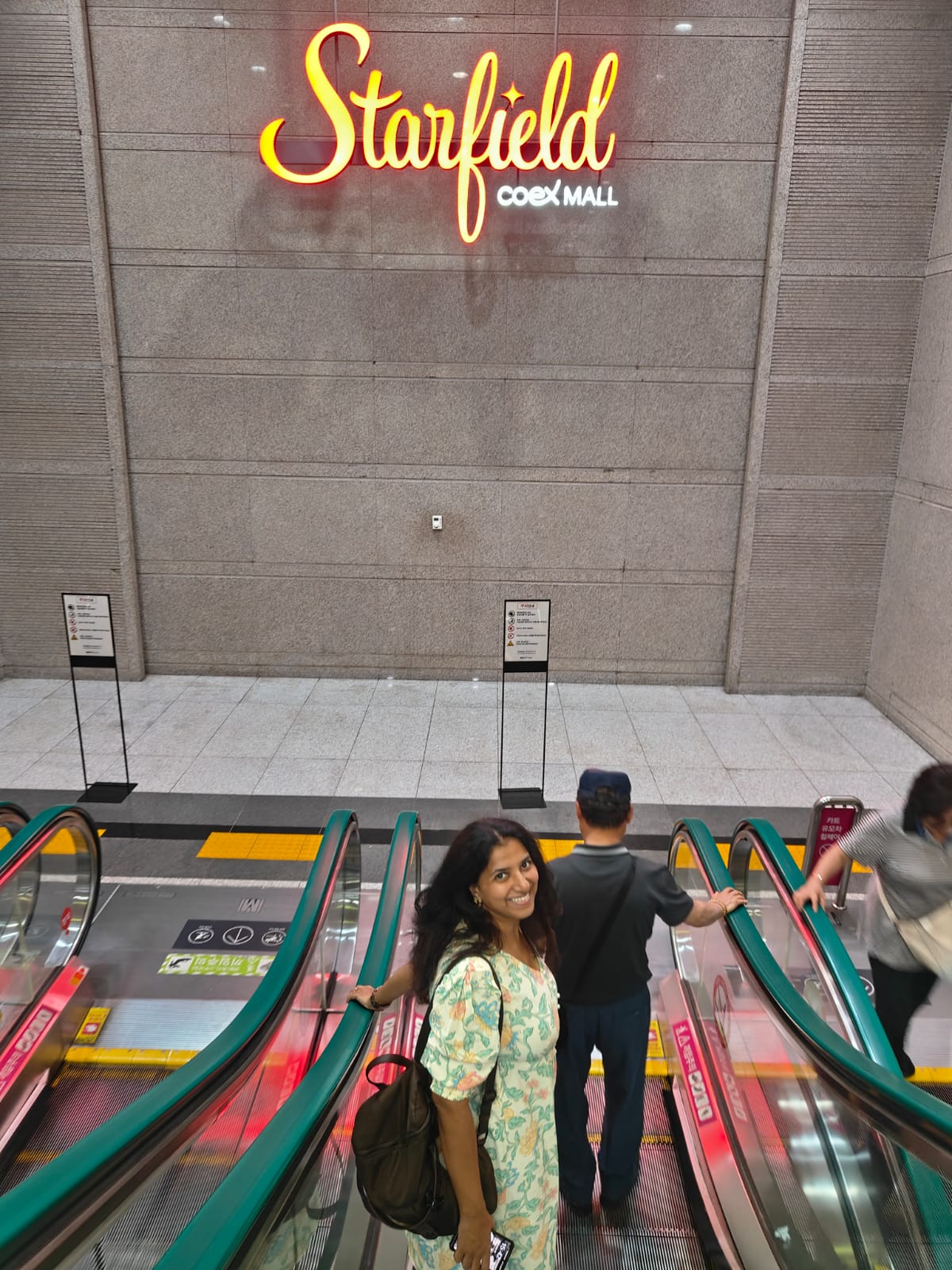
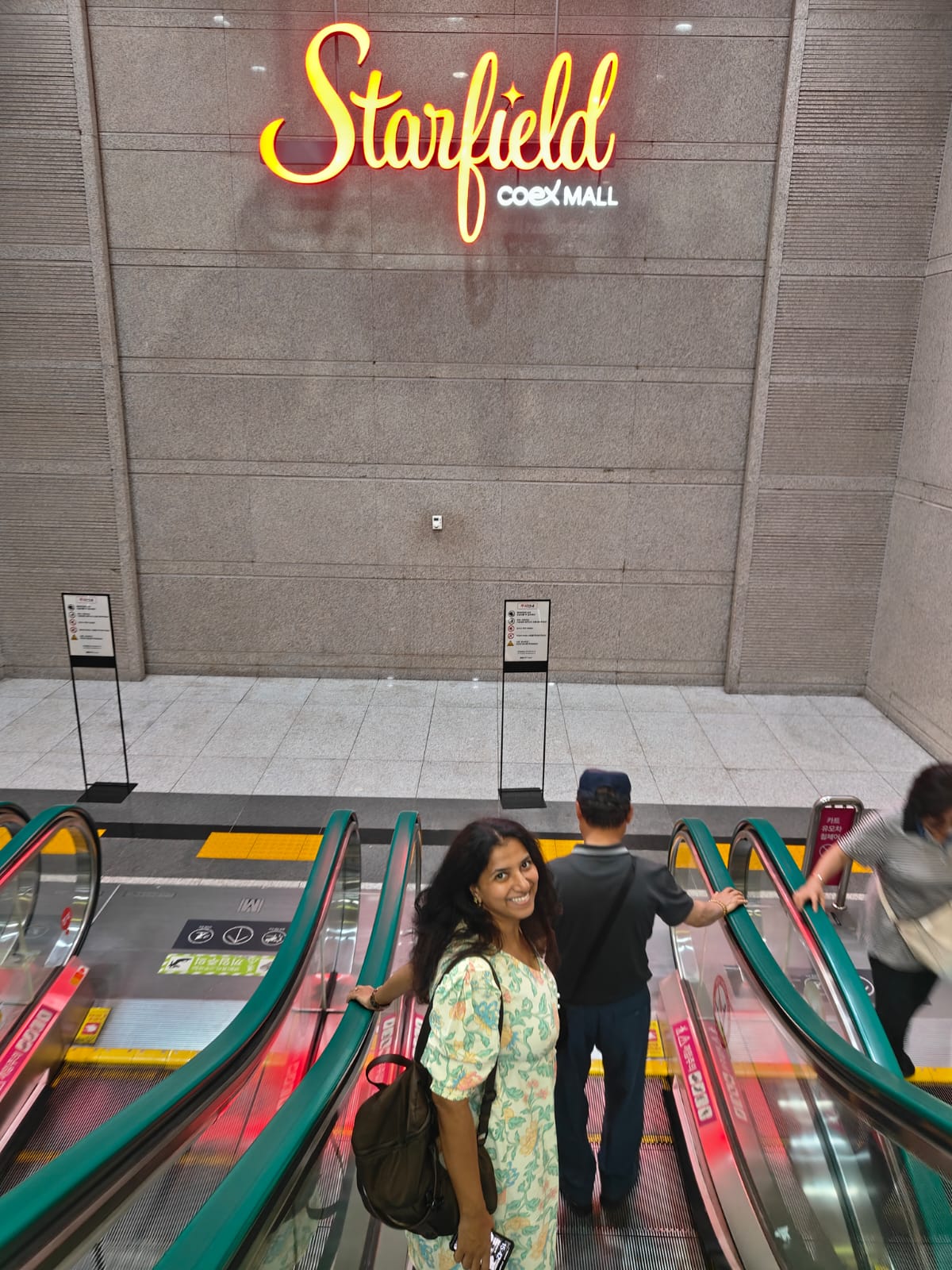
| Day 05 | DMZ (Closed on monday) During our visit, many parts of the DMZ were inaccessible making it not worth to use up entire 1 day for to & fro. For DMZ, either book a tour or better, bike it through the national bike paths (read details). OR Reach Jamsil station in morning to enjoy Seokchon lake walk. Then head to Samseong station exit 5 to head to Starfield library, in Coex mall. This is a coveted library and we spent almost 2 hours here. FYI carry your own book incase you dont know to read korean. You can catch a movie in the Coex mall theater. Coex mall also has some good Korean brands to explore and yes, brands dedicated for such socks. Walk across to Bongeunsa temple (built in 794) which is really beautiful. Head to Gangnam area – take red line to Sinsa Station exit 8 explore luxury brands & cafes. Head to Apgujeong rodeo for more luxury brands & end with dinner at fancy place. Check out Dakeuro-ga restaurant for Dak-galbi. (Incase of short itinerary, except for the Bongeunsa temple, everything else can be skipped) |
| Day 06 | Eastern Seoul Visit Seoul Forest – Seoul forrest station exit 5 rent a bike to go around the park. Good place to have a picnic. Do not miss. Lunch at Seongsu-dong (old industrial area coverted into food resto & cafes) is a bit hipster area for young seoul people hang out. or lunch at Ataellie-gil – an alley way with restos. Visit Ttukseom flea market – Jayang station to go to Ttukseom. Enjoy sunset by the Han river. Has different view & vibe from Yeouido. End your day with enjoying nighlife at Konkuk University station exit 1, cool bars & nighlife for local people. Try O’Sulcha bar. |
| Day 07 | Western Seoul – Mapo-gu area Go hiking in Inwangsan for 2-3 hrs – start at Gyeongbokgung station exit 1, walk to Inwangsan path entrance and go hiking. Yeonnam dong – popular among young koreans with narrow alley, food & cafes & photobooth. Head to Yeonnam dong for breakfast – popular among young koreans with narrow alley, food & cafes & photobooth. Head to Mangwan market (bhaji market) for lunch – brown subway Mangwon station exit 2. Try sweet hotteok at Hoon hoon hotteok (best). Try Kochu at Uirak which also sells Makgeolli. Head to Mangwon han river park – Walk after heavy lunch. Visit Gyeongui forest park – Take a walk at this park. Head to Hongdae – (indepent artist display art & dance, etc ) Hongsik University station exit 9 take left in alley. nighlife & bars. Try Saemmaeul sikdang for barbeque. |
Things to do in Seoul
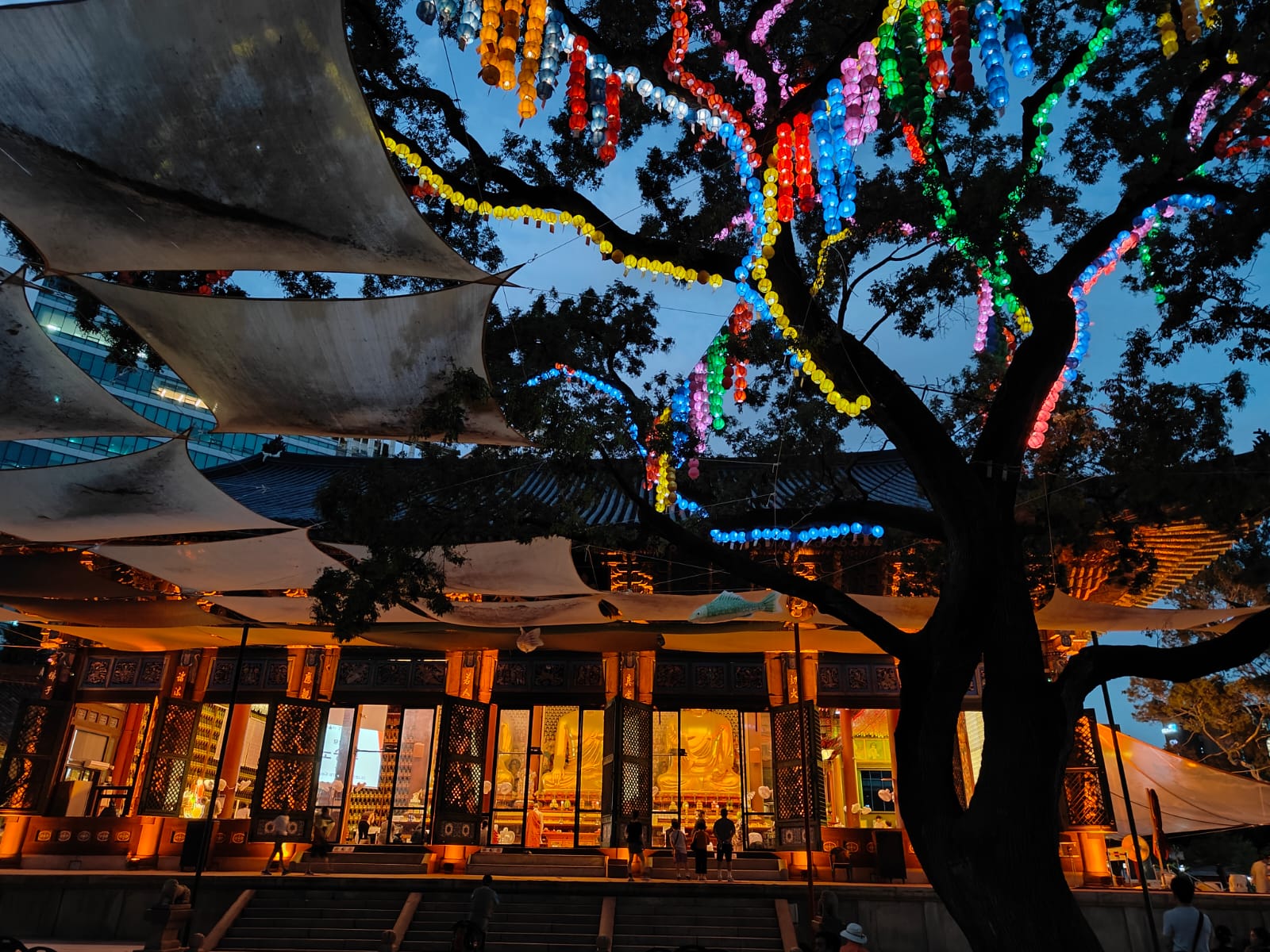
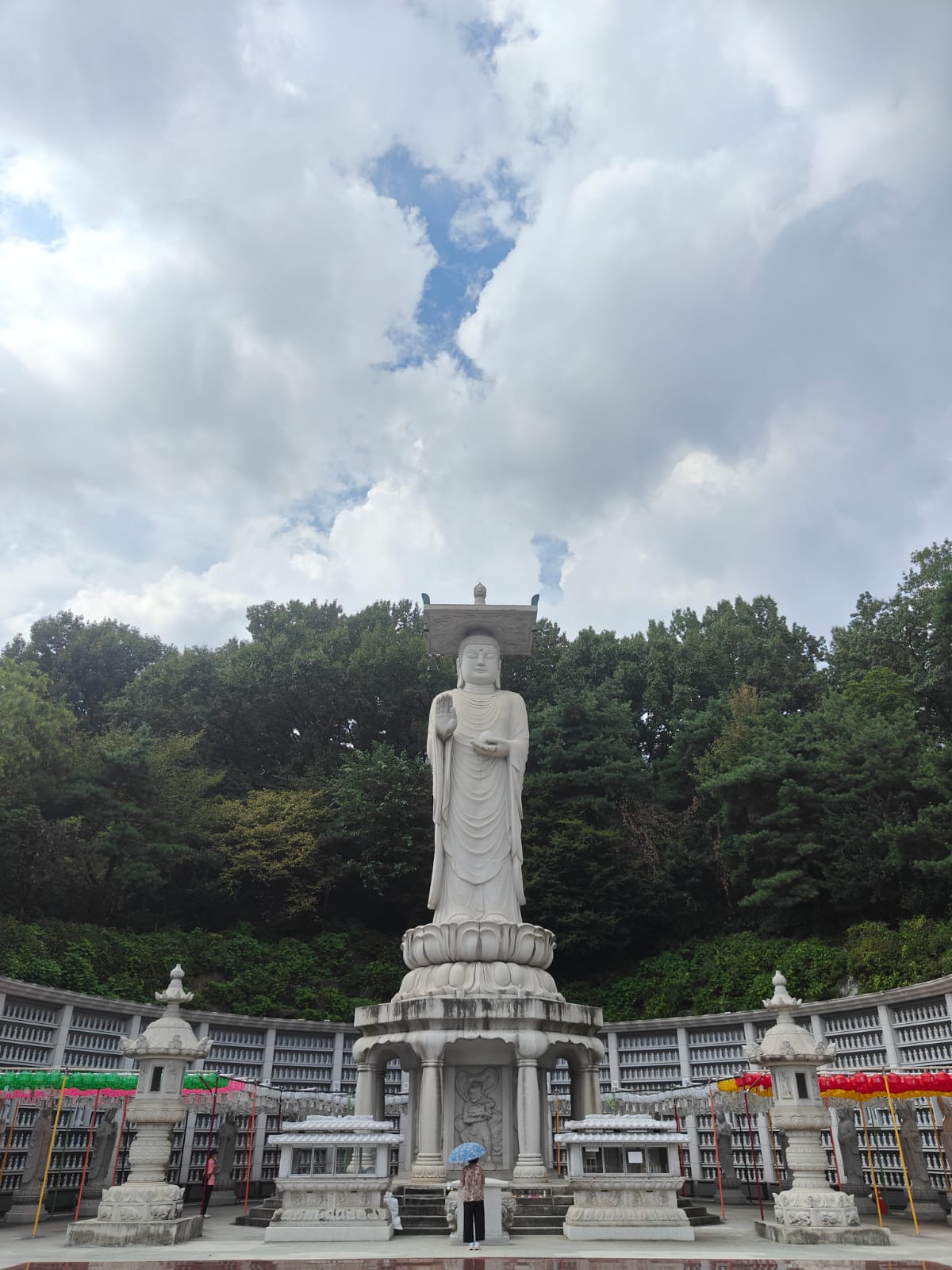
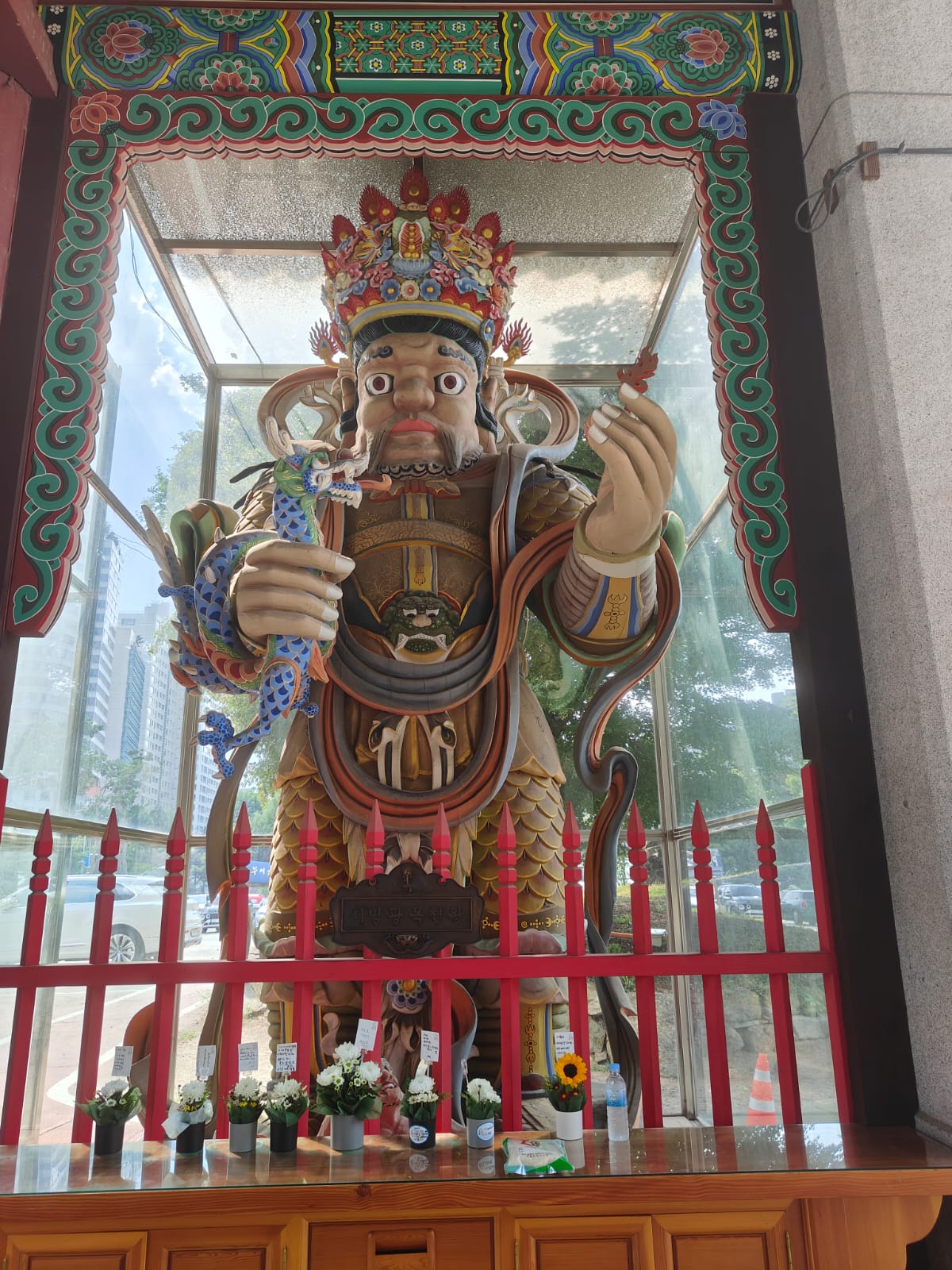
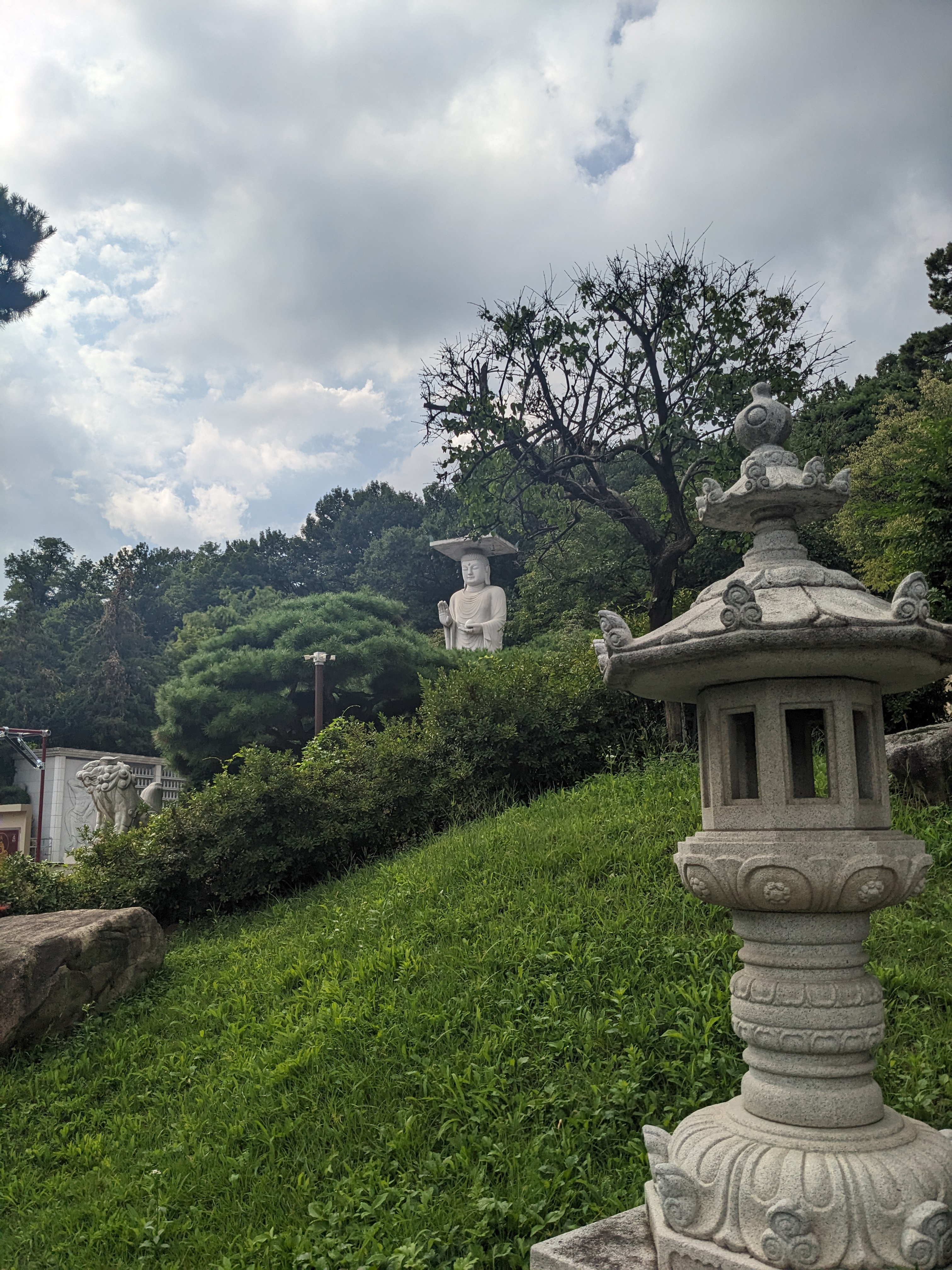
1. Visit the Buddhist temples – Korea, before Joseon dynasty, was a deeply Buddhist religion country. So most of these temples are atleast 250years to 500years old, making it interesting visit. Most of these temples are going through restoration in last 15-20 years as part of increasing tourism. My favourite was Jogyesa temple which is built in 14th century and has a 450years white pine tree as a symbol of resilience, for the temple stood still even during Joeon period when Buddhism was disliked by then ruler. Some of the other must visit temples in Seoul are Bongeunsa, Kyungguksa, and Doseonsa. Many of these temples offer stay for 1 day or 1 night or even longer to get a peak into temple life while you gather some positive energy from dharma.
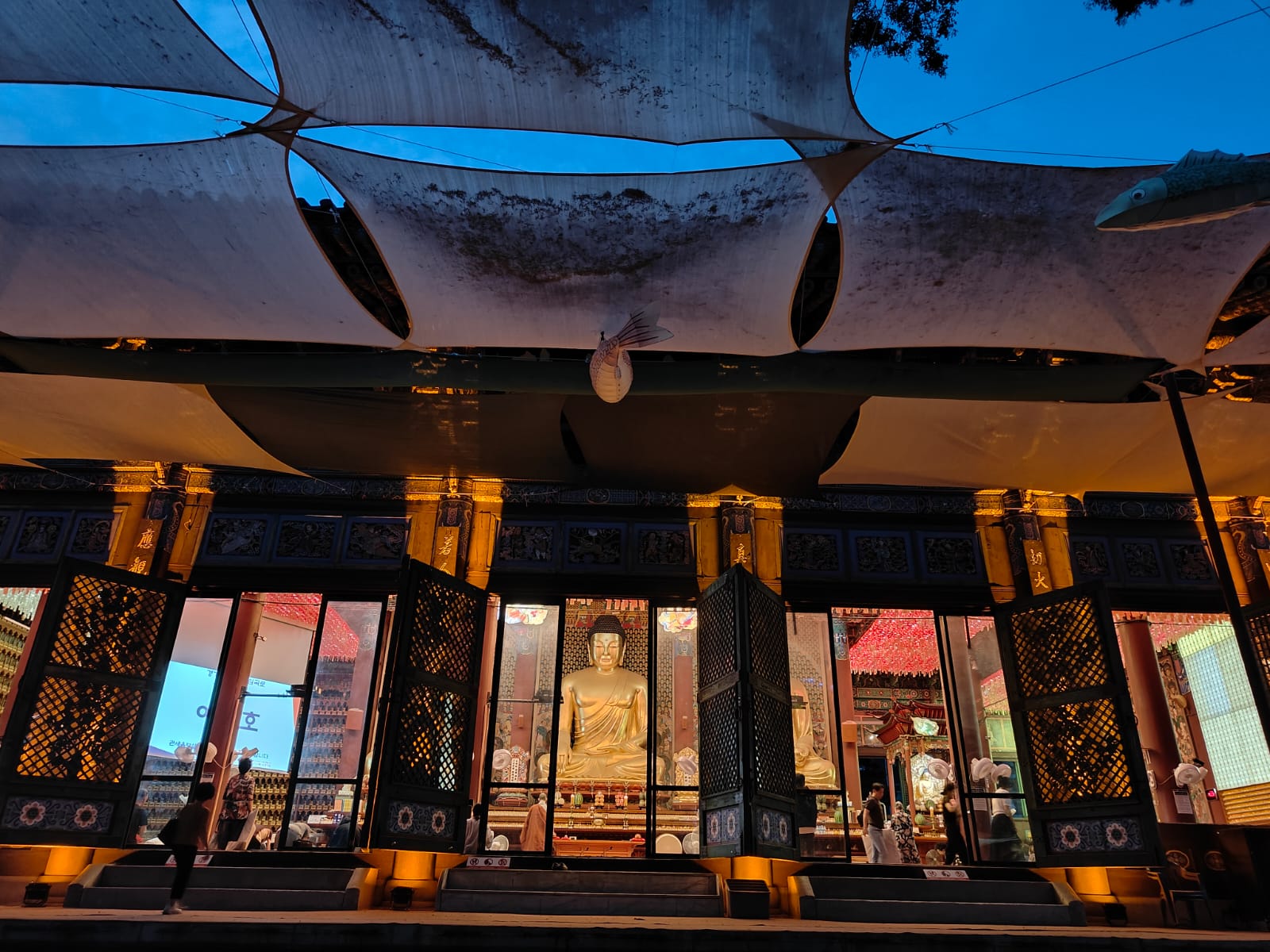
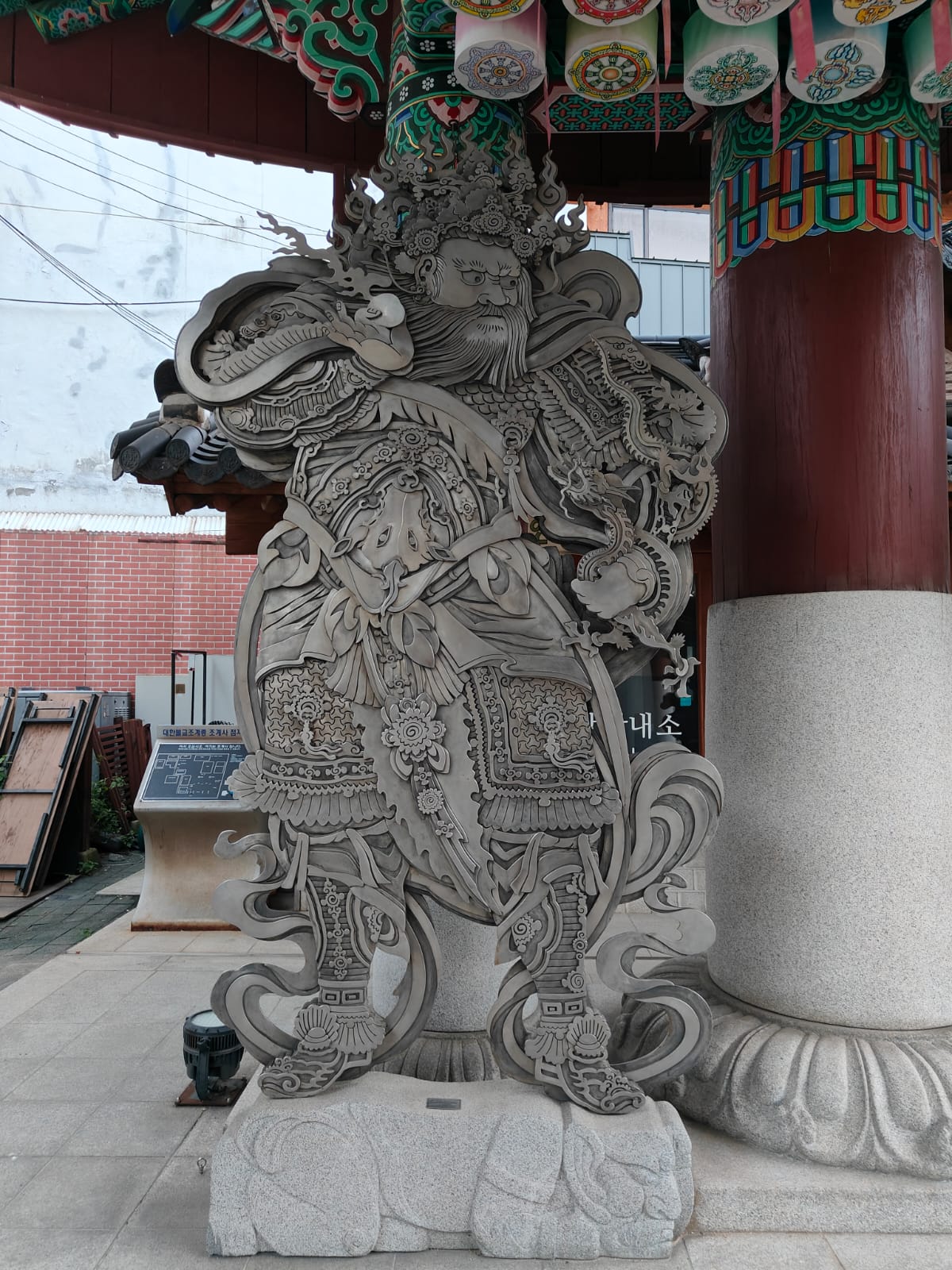
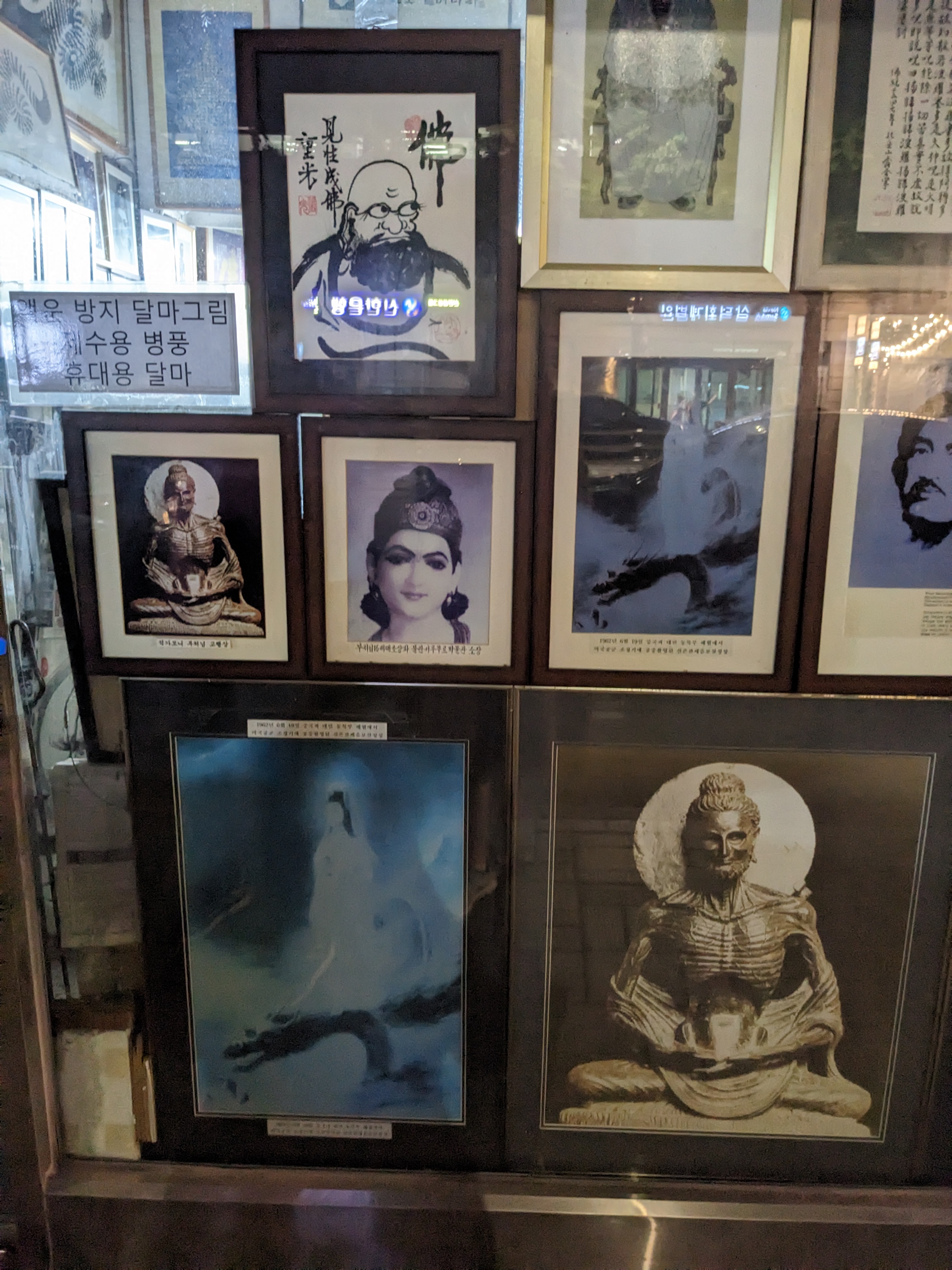
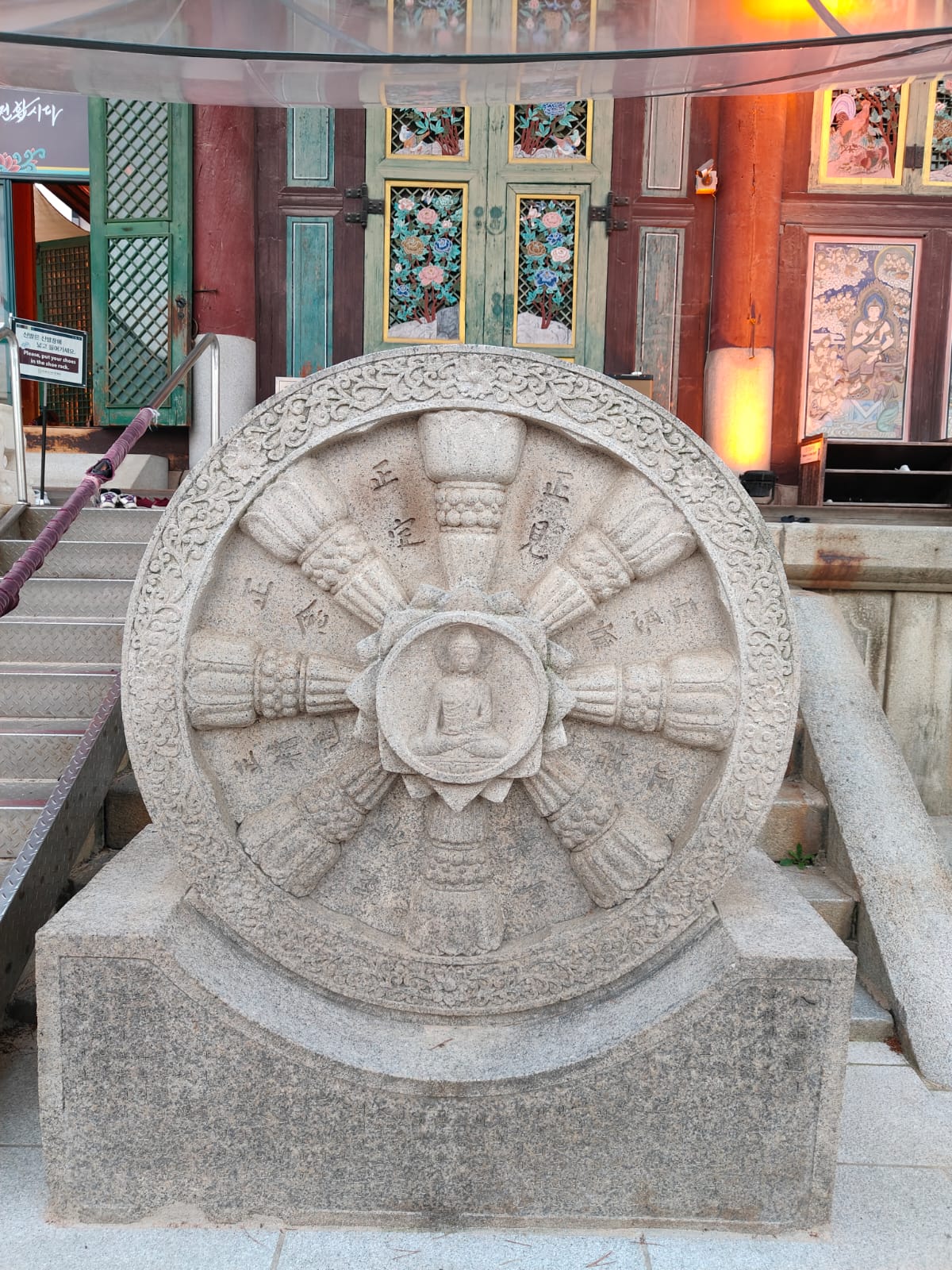
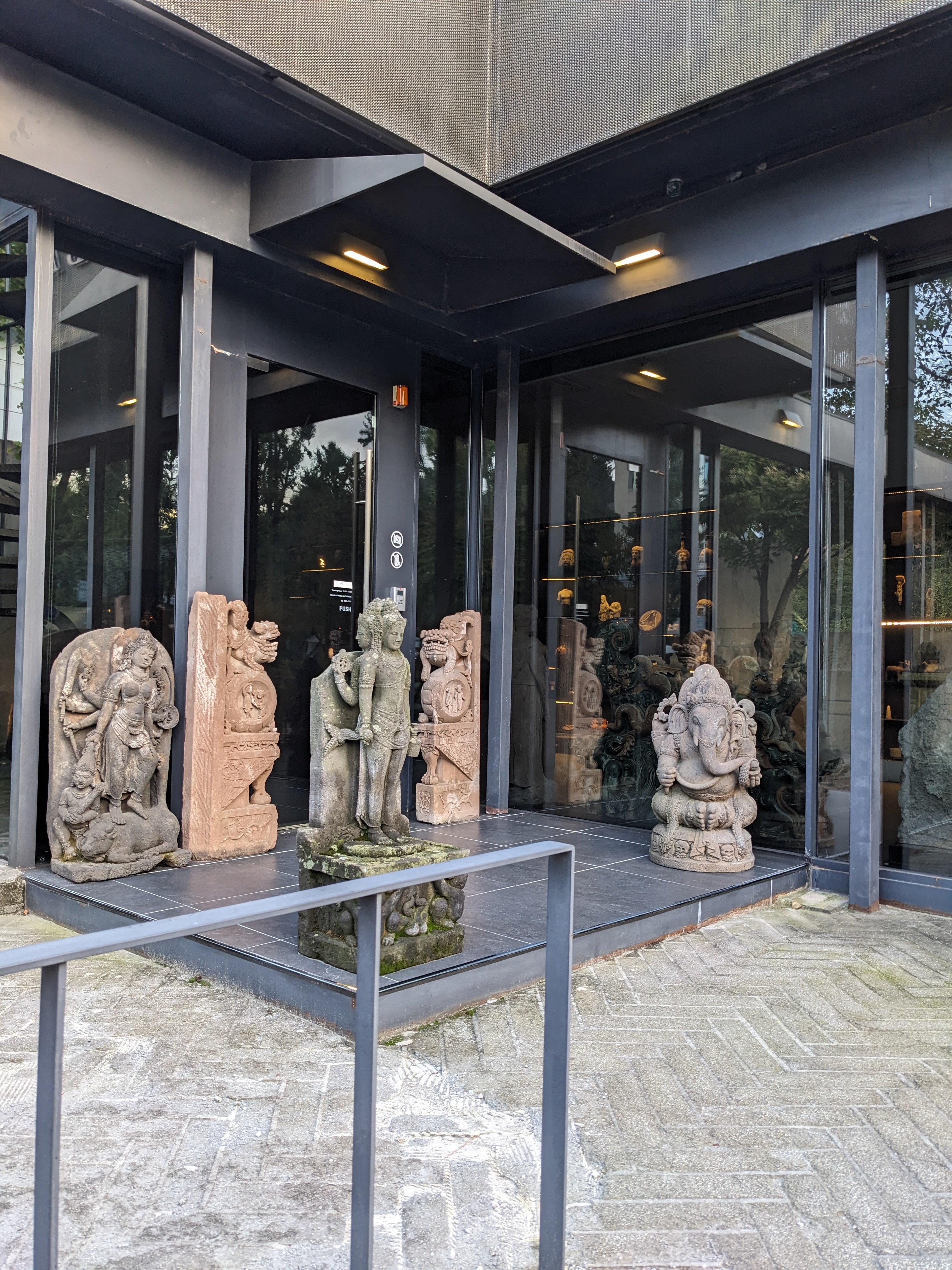
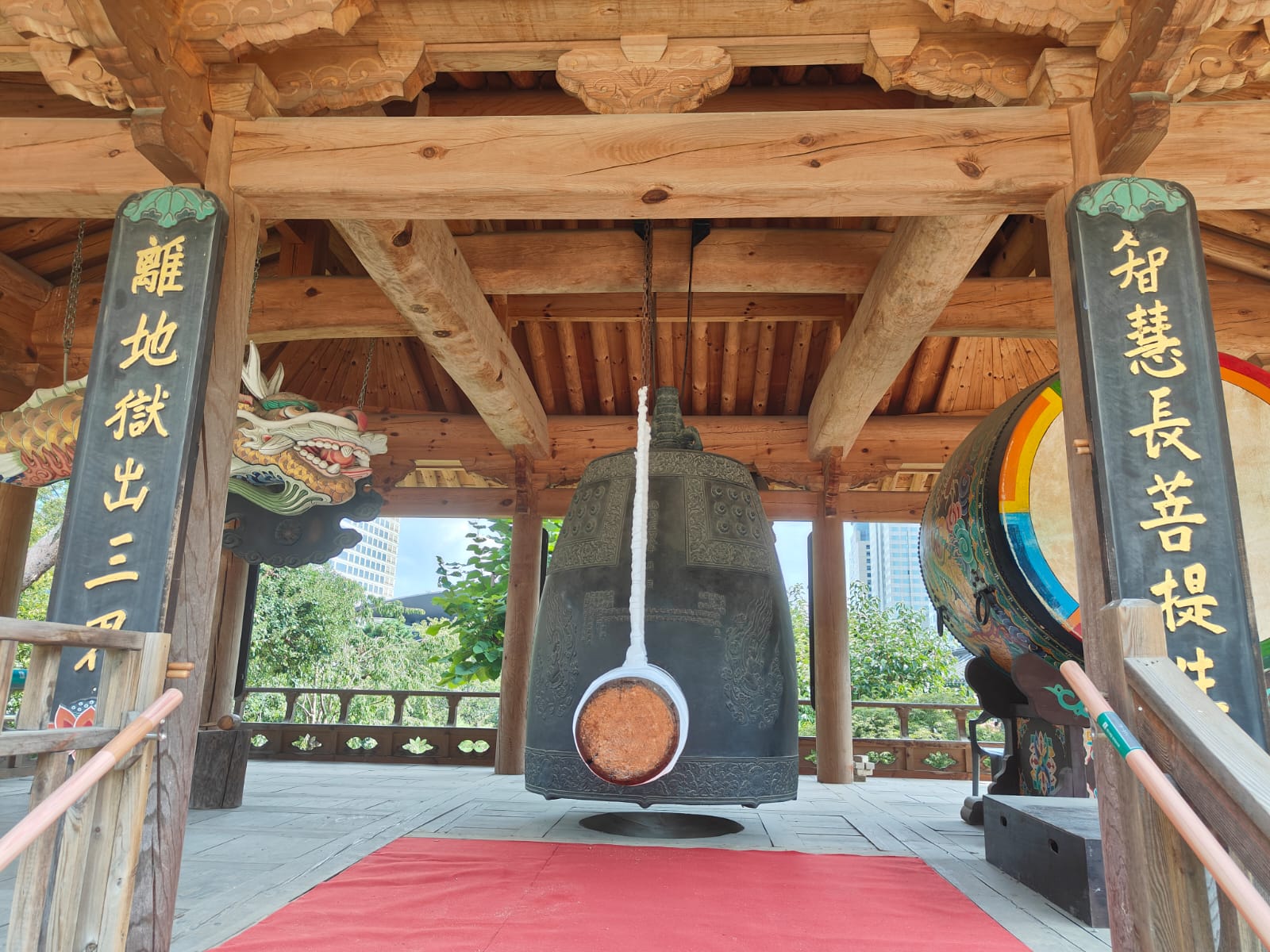
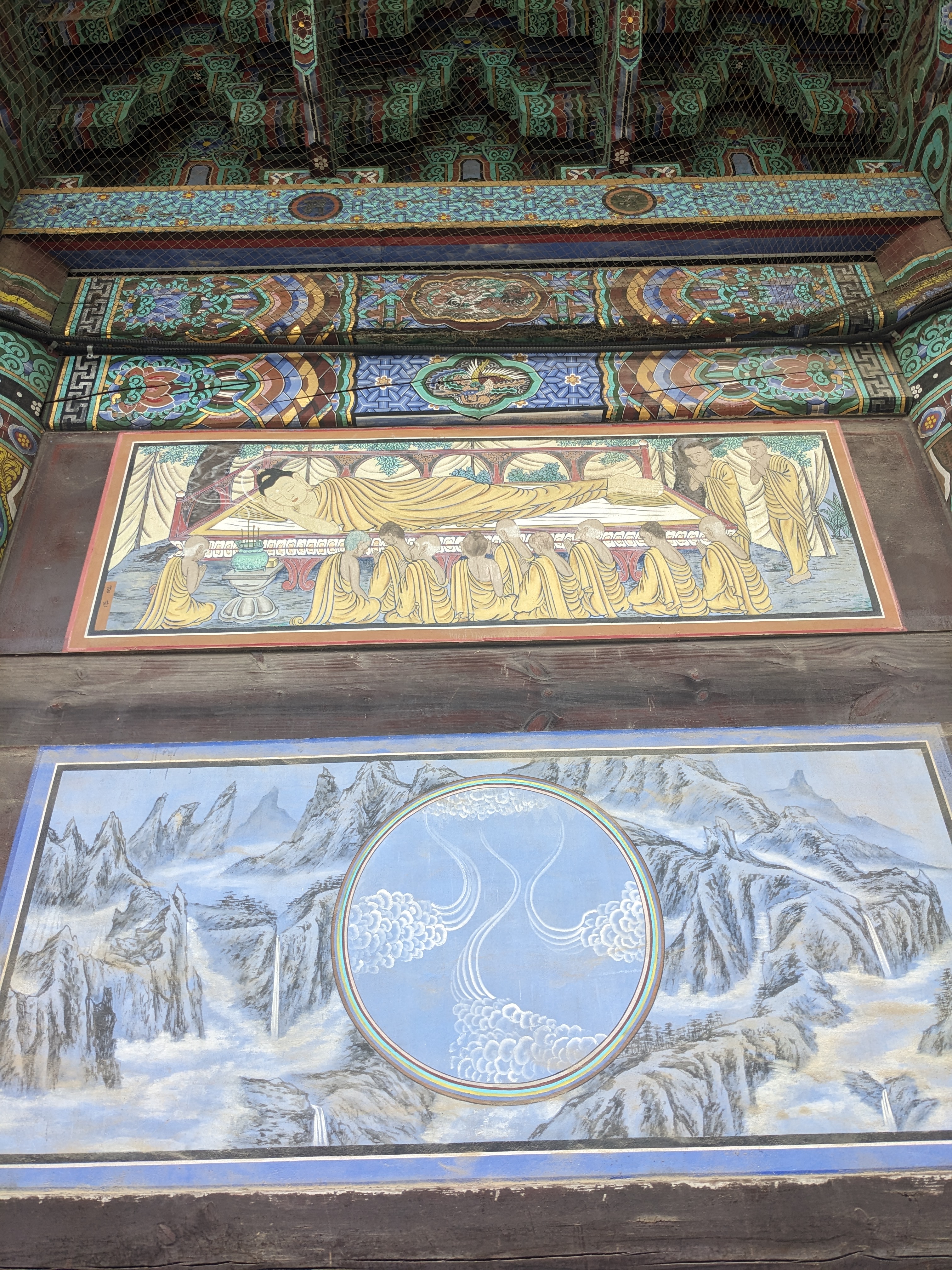
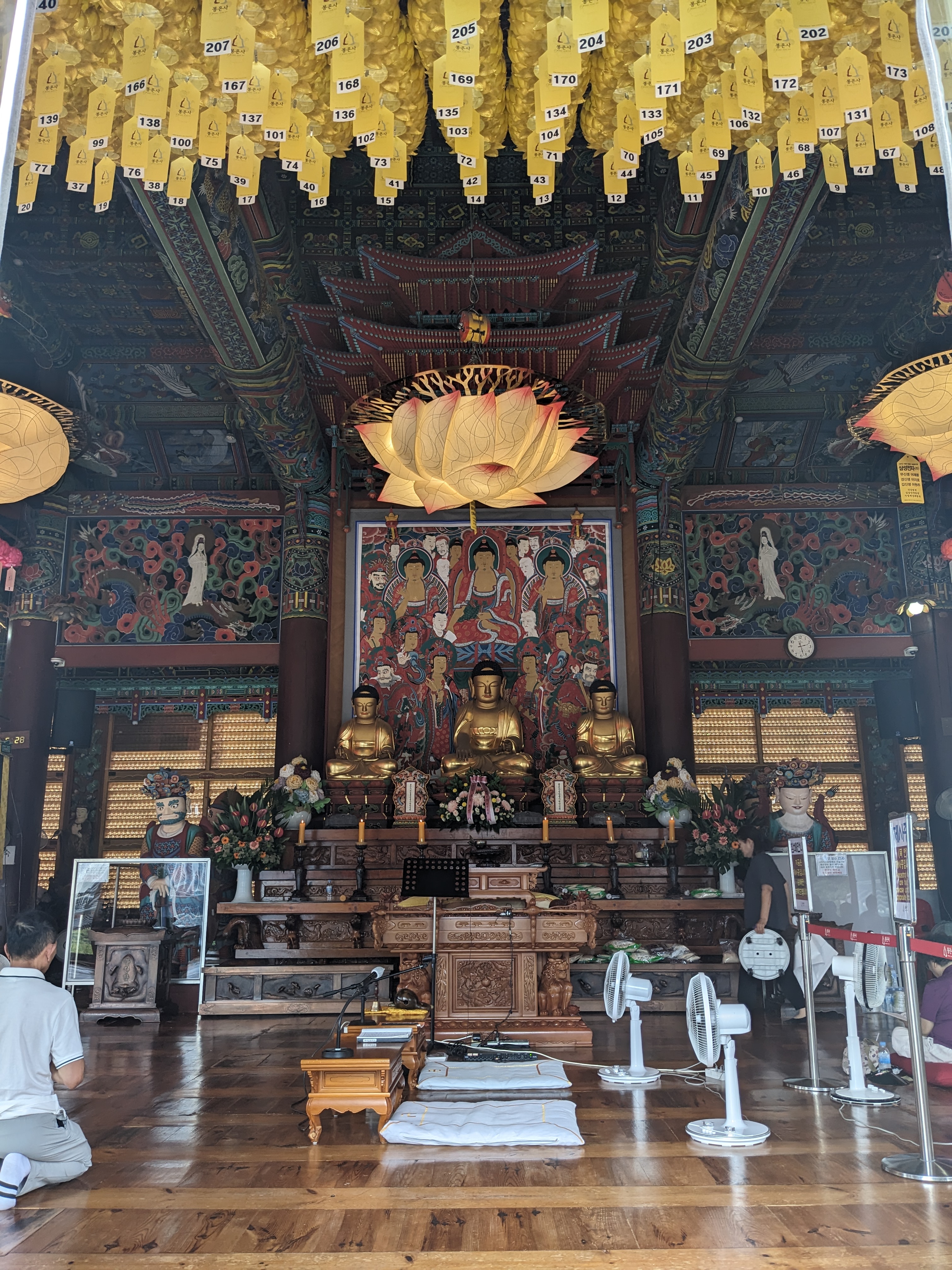
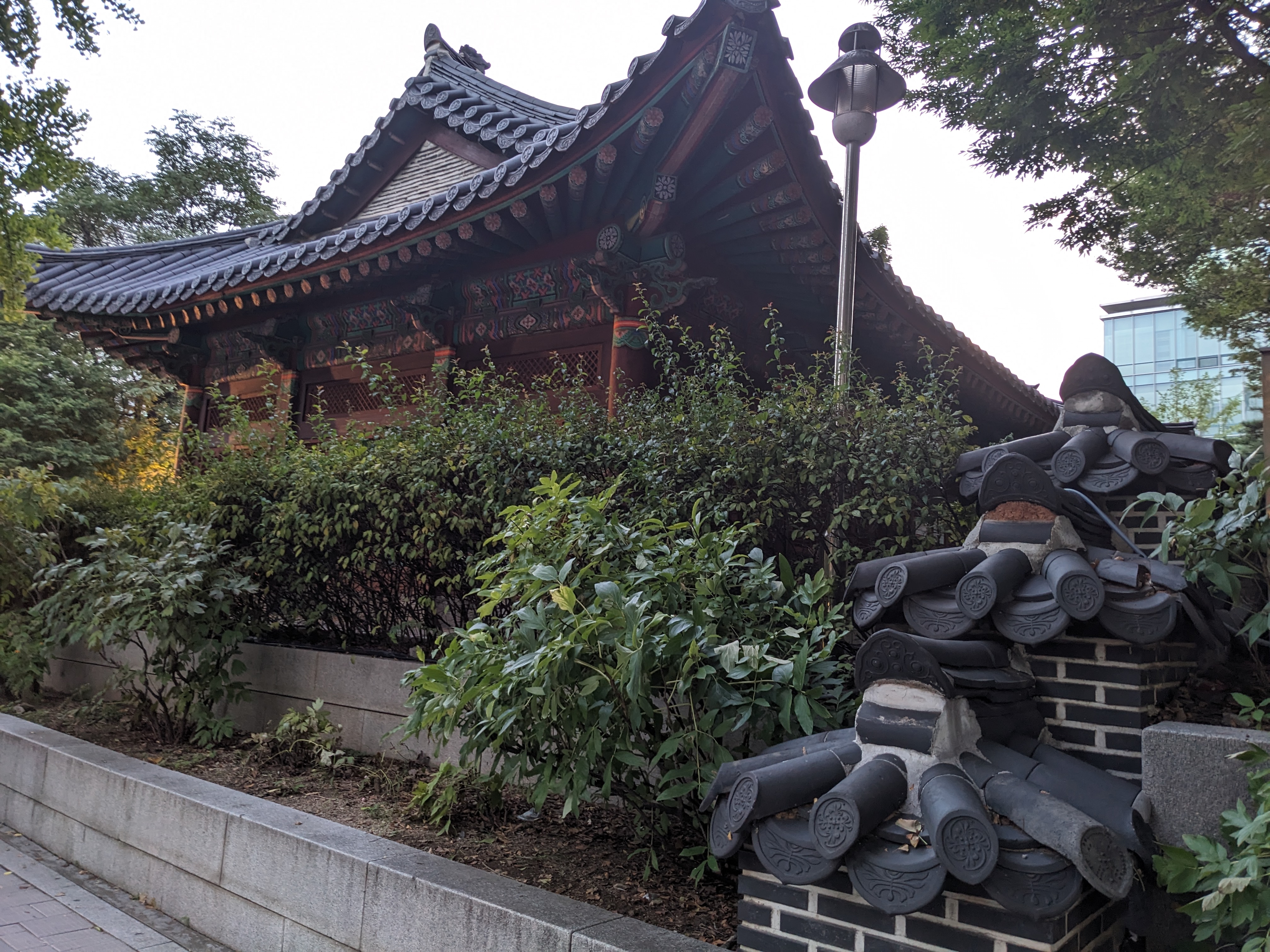
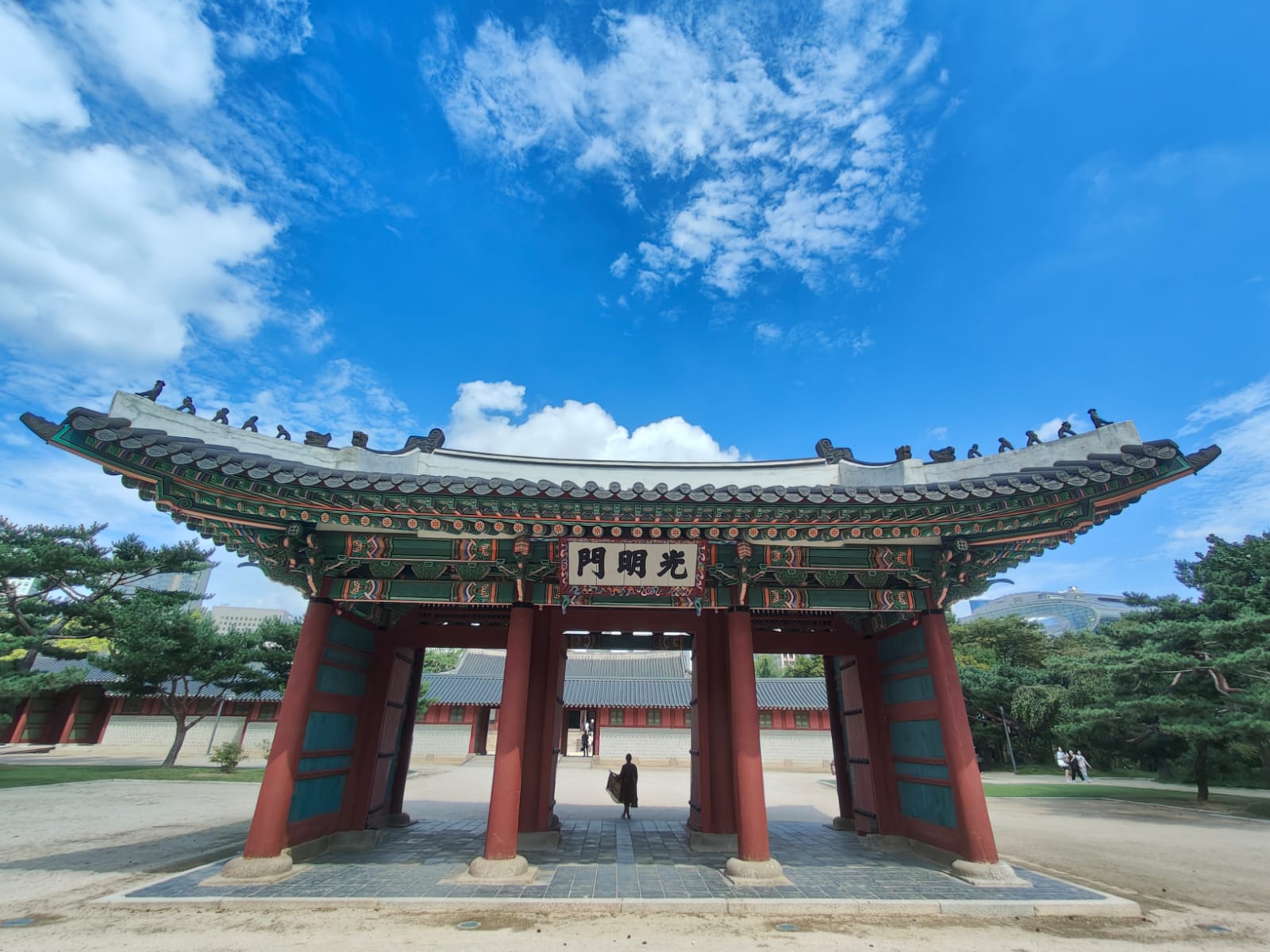
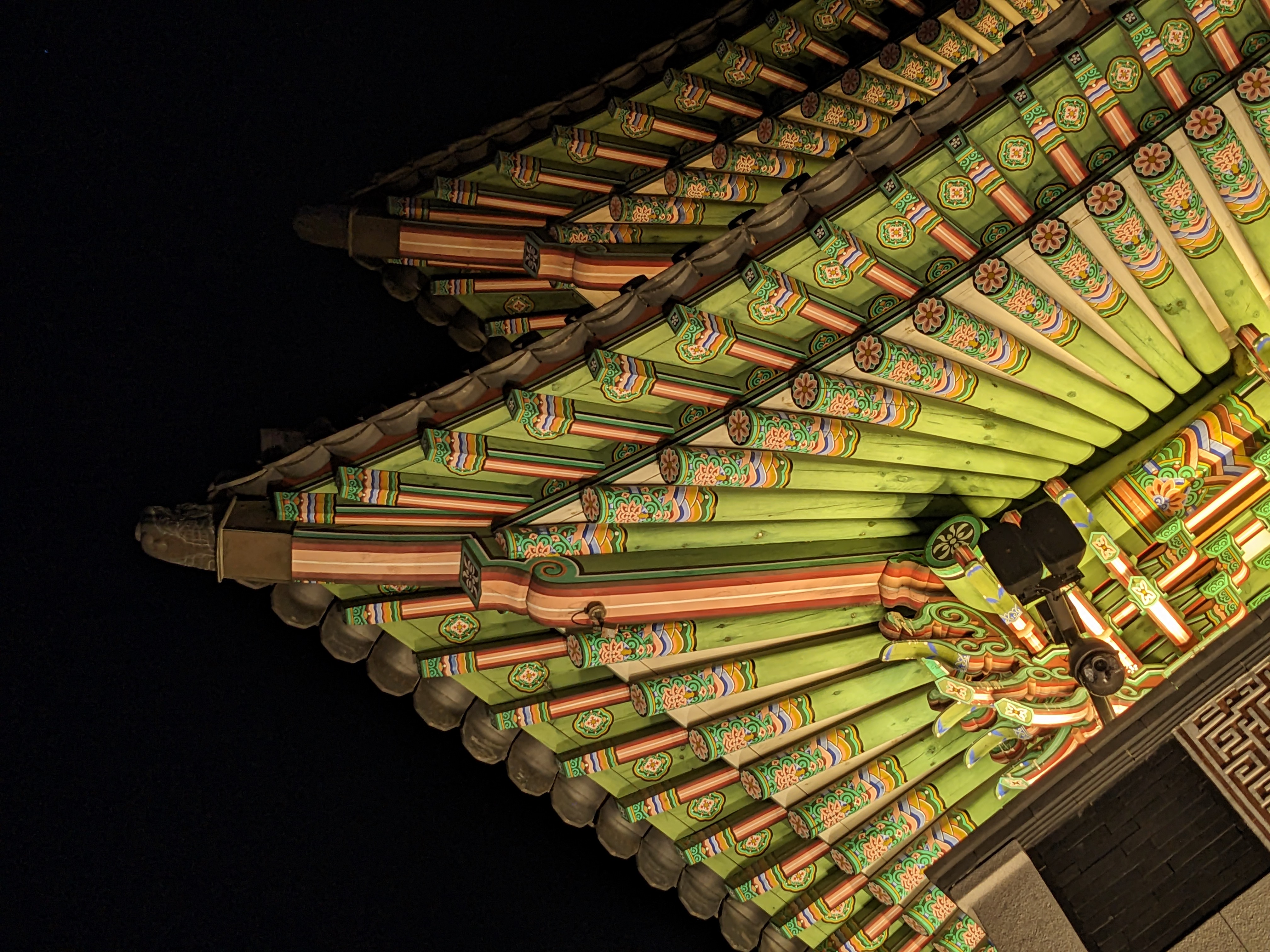
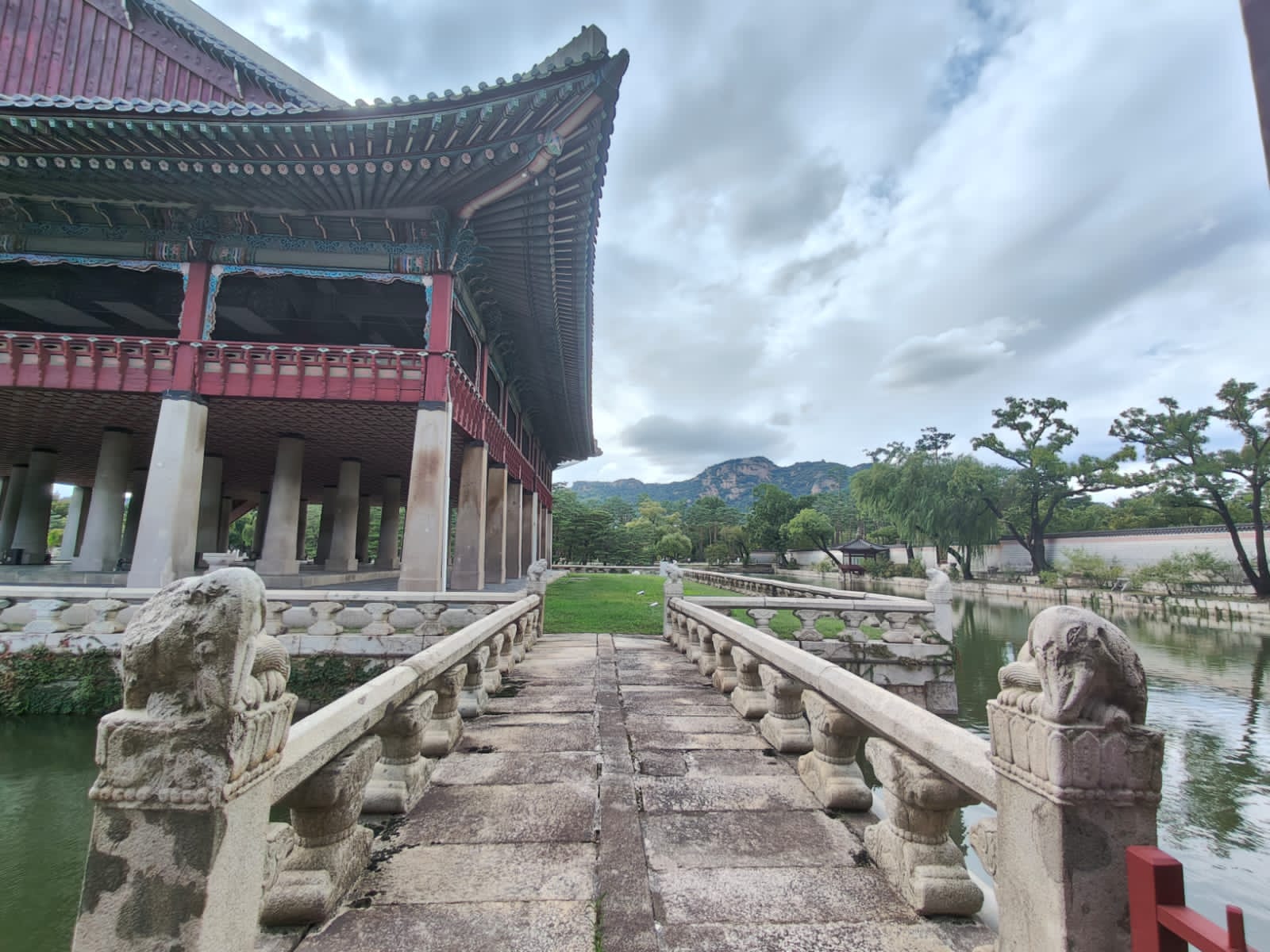
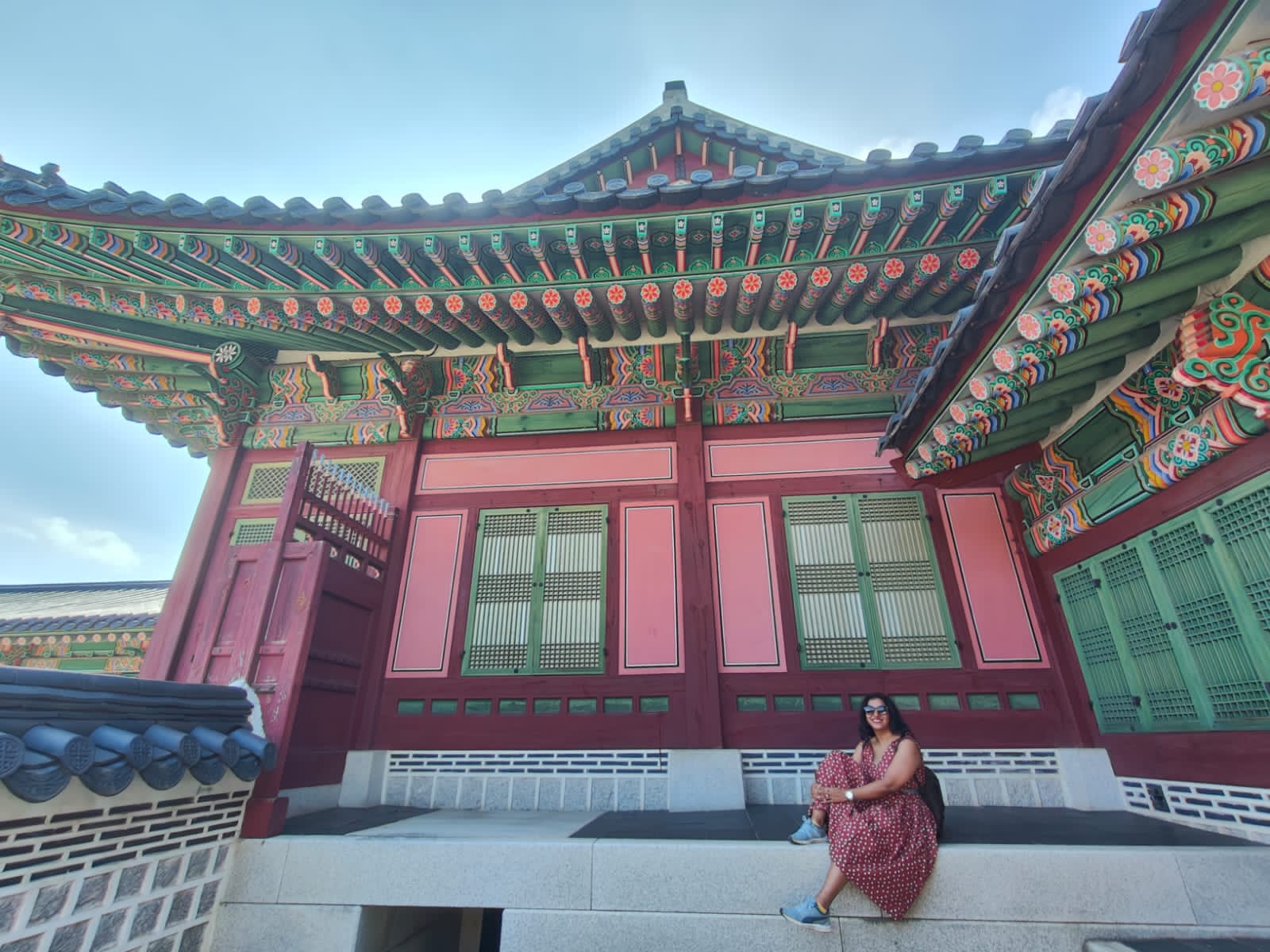
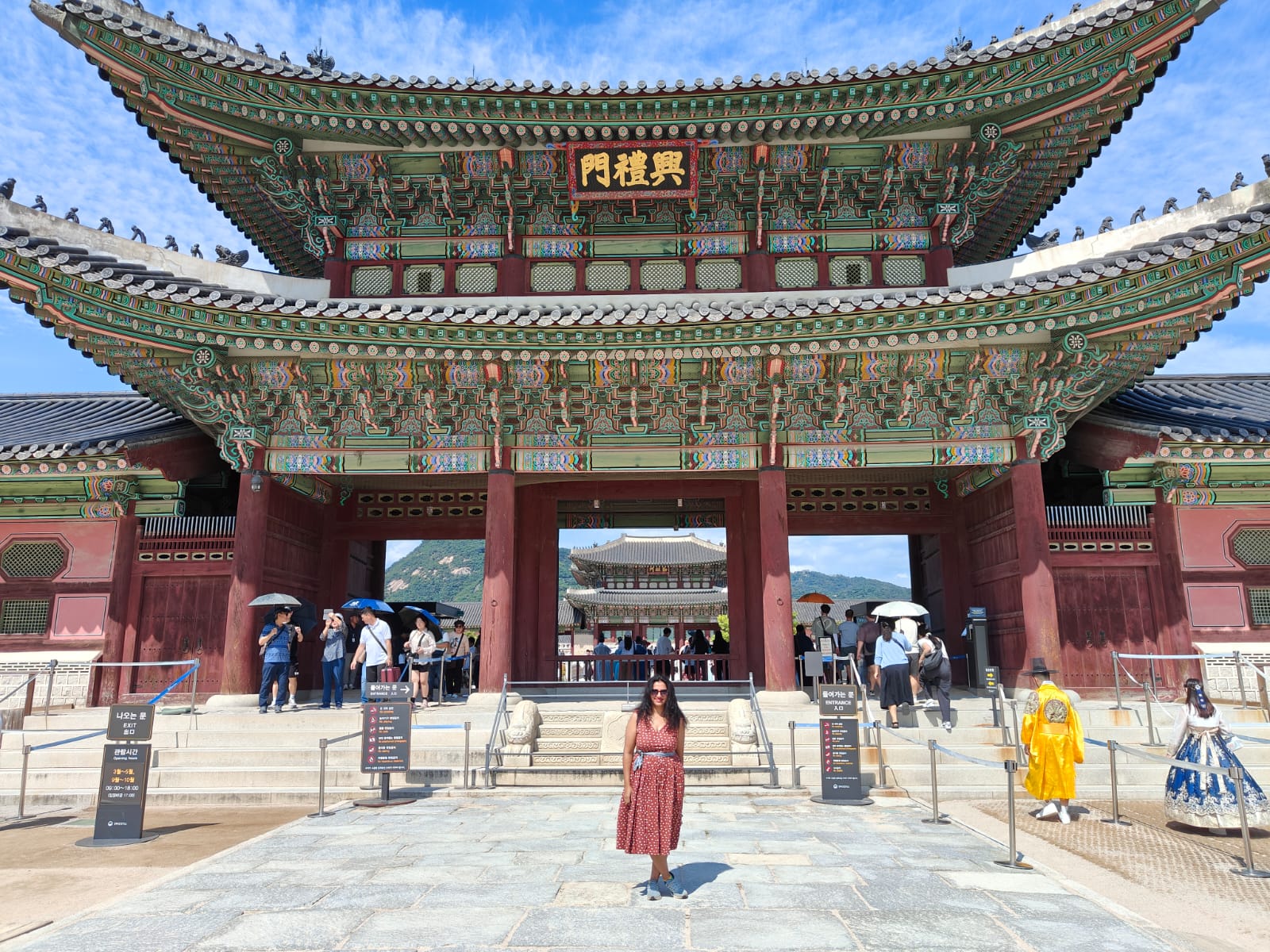
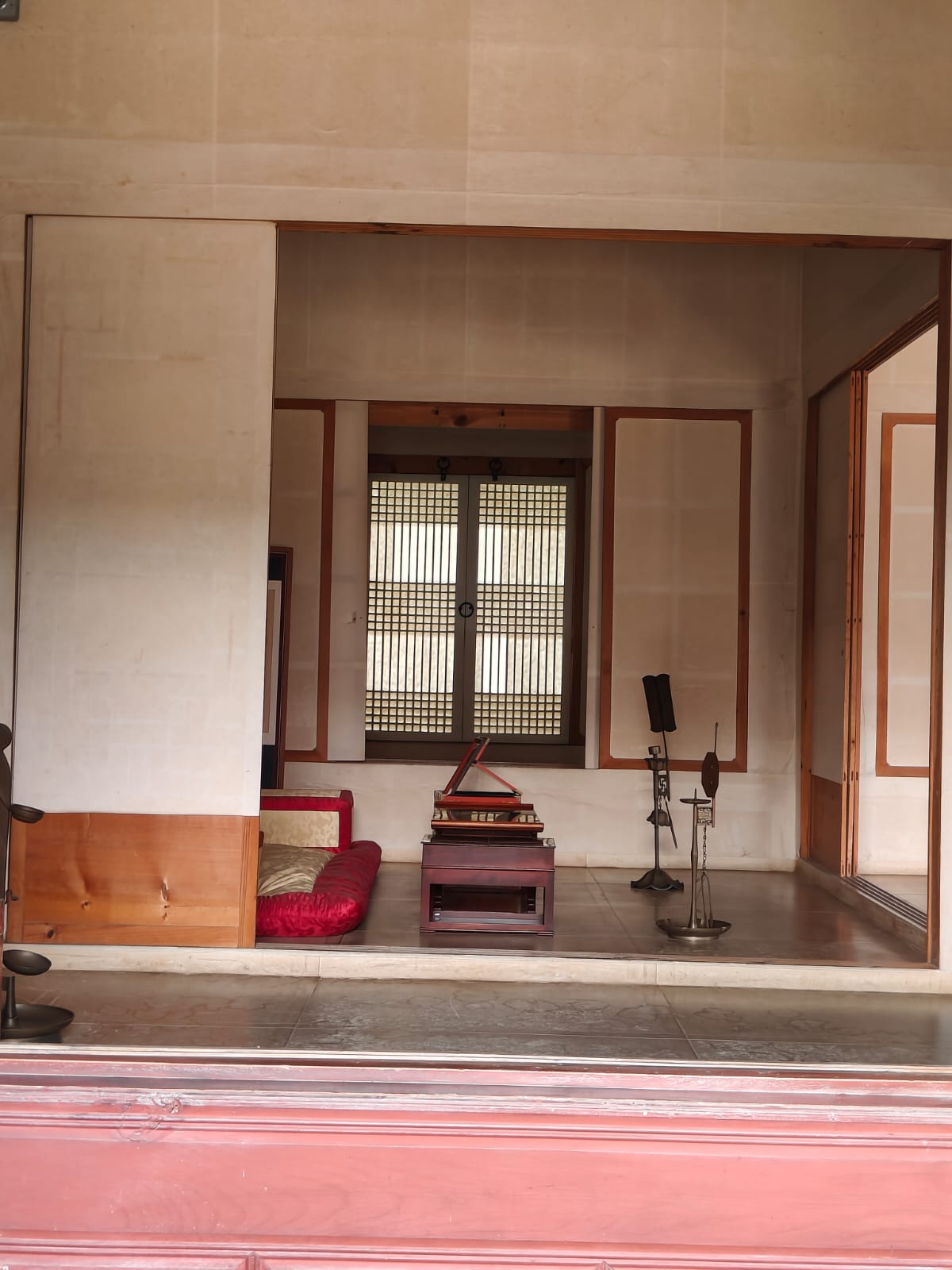
2. Explore the Korean palaces – Seoul was the capital city for ruling dynasties before Japanese colonisation making it a city filled with history & lots of historical monuments. Some of the key palaces to see are Gyeongbokgung, Changdeokgung, Changgyeonggung, Gyeonghuigung, and Deoksogung. Gyeongbokgung is the large palace complex spread (largest in Seoul) in 44lac sq feet with 330 buildings first built in 1395 and then rebuilt in 1868. During Japanese occupation of Korea, many Japanese migrating started making small homes in this palace land and a big community was living. After the independence, Koreans removed all such communities from Japanese for all major sites and restored back the palace in the way they were with no sign of Japanese community lived once. A guide is must to go through any historical sites to get some history and nuanced information about the architecture, design, and stories of the royal families. Definitely try the little cafe in Deoksogung palace which is basically by a lotus pond and the view is just too good.

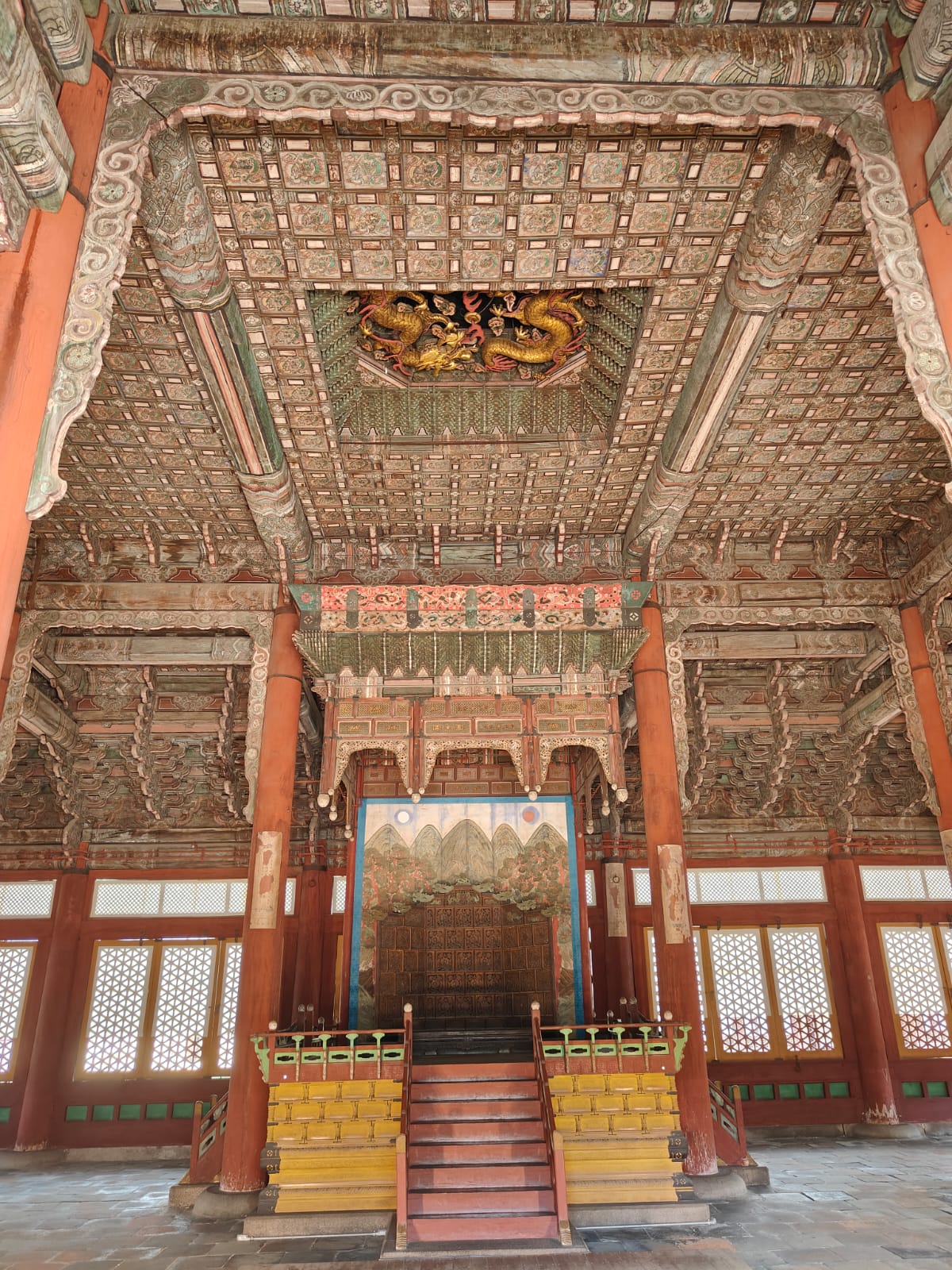
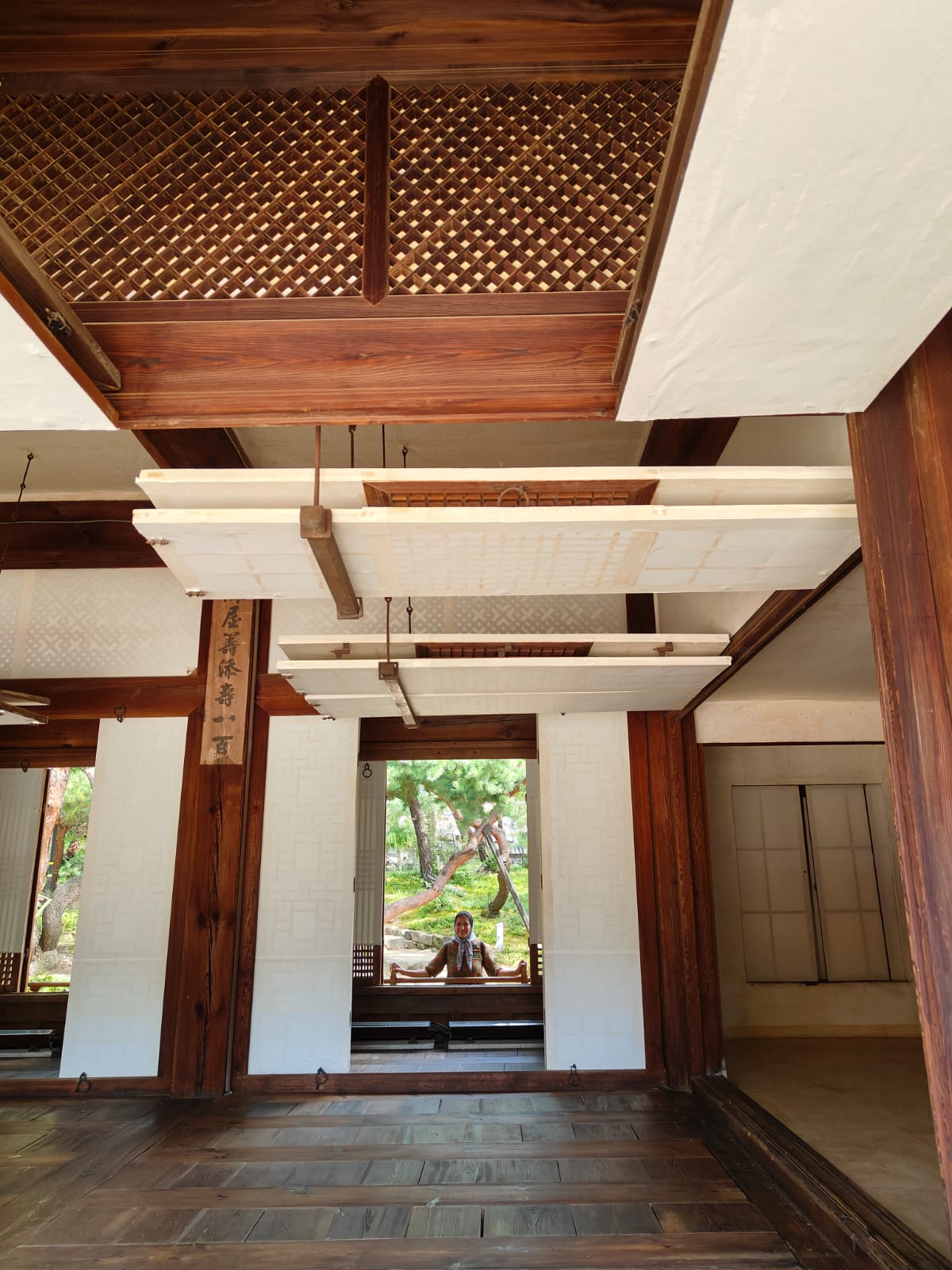
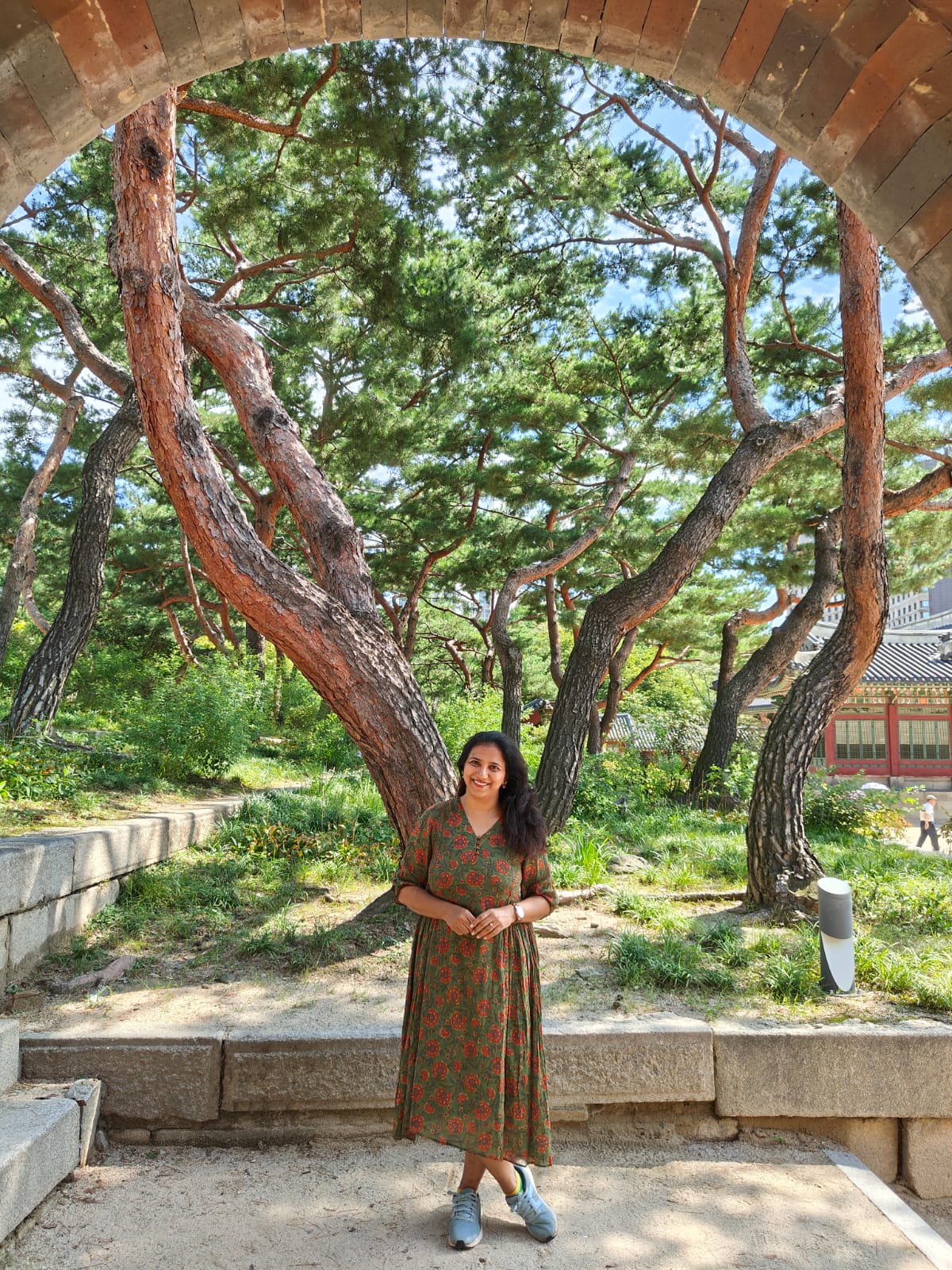

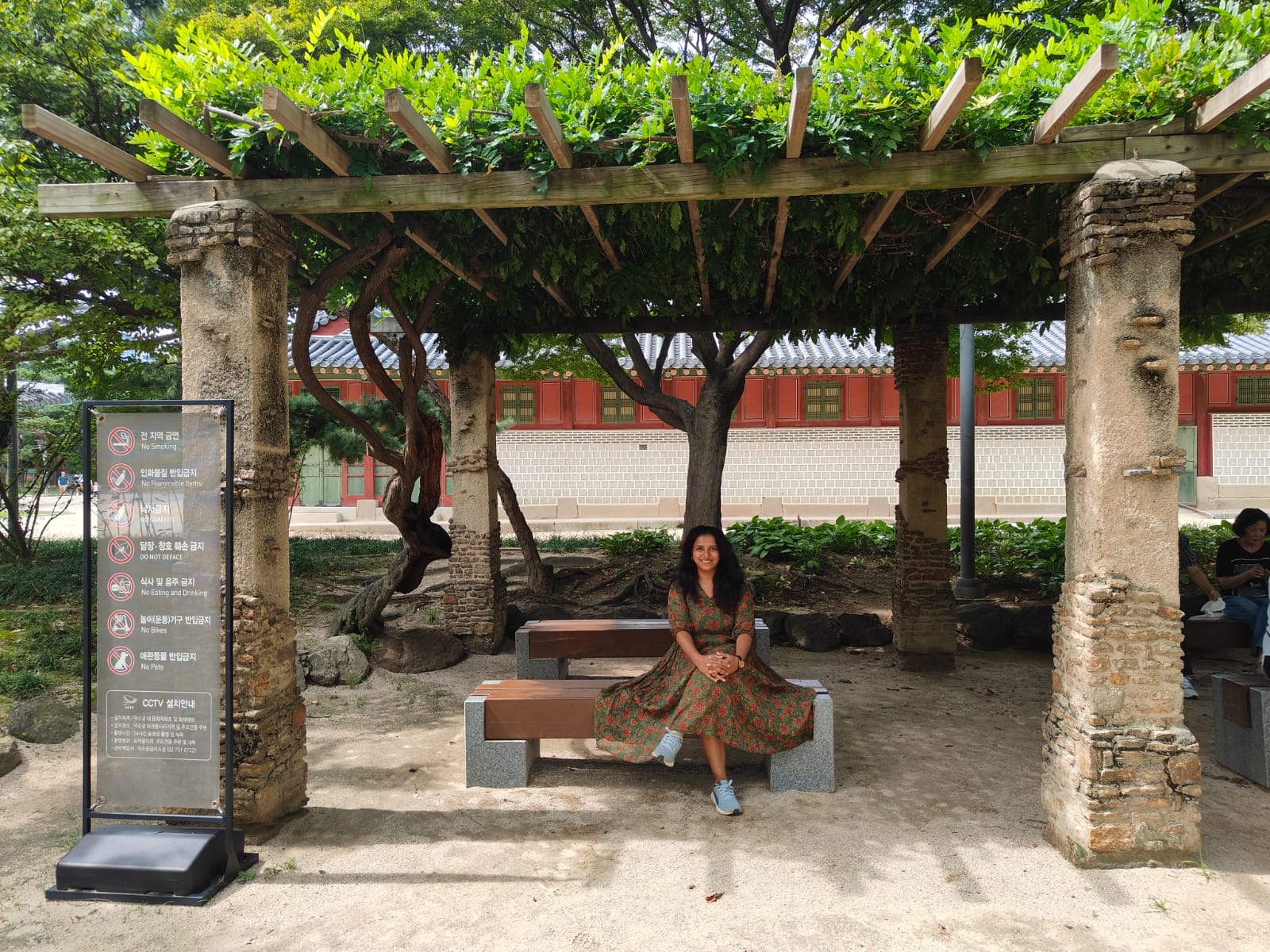
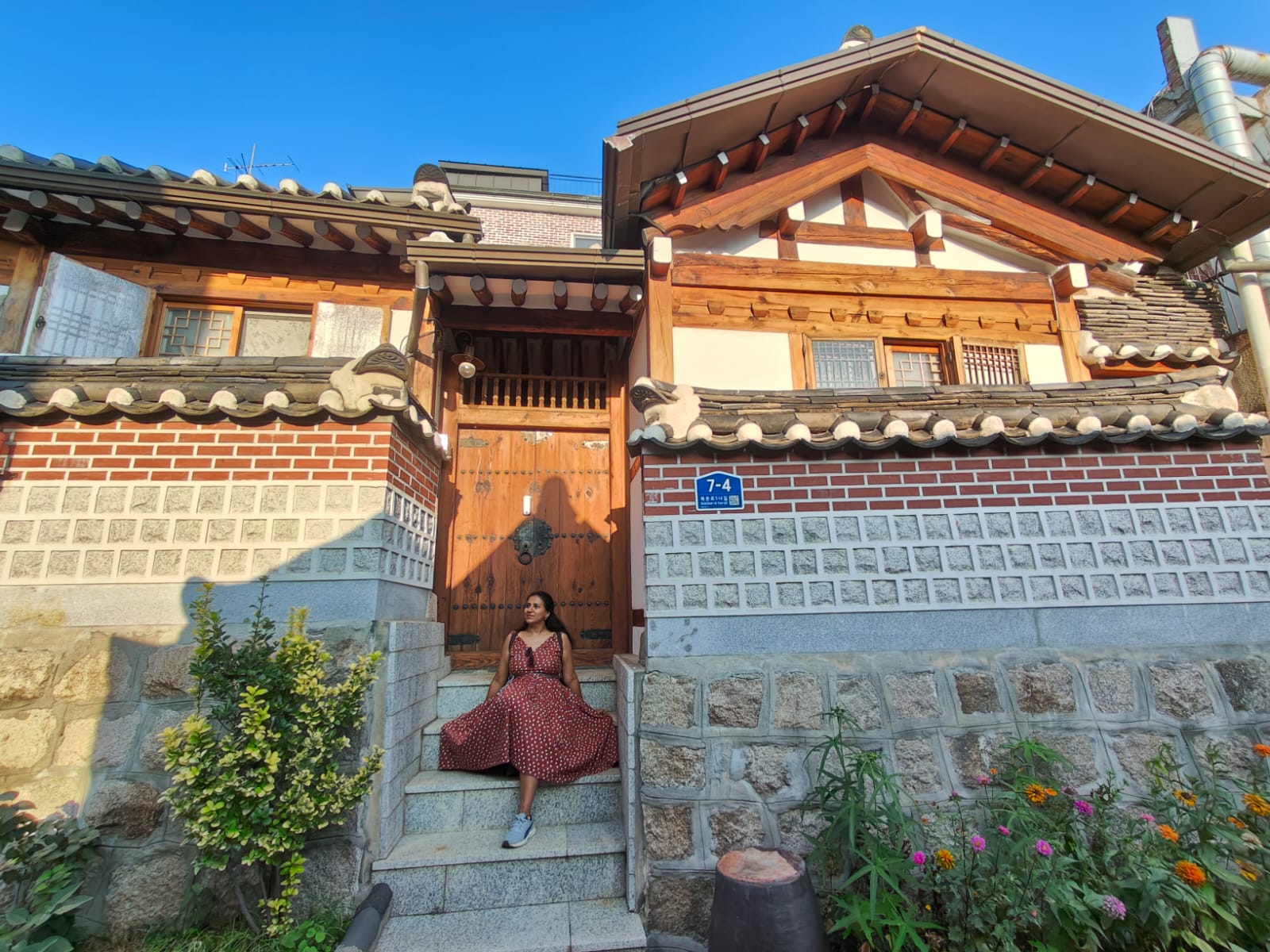
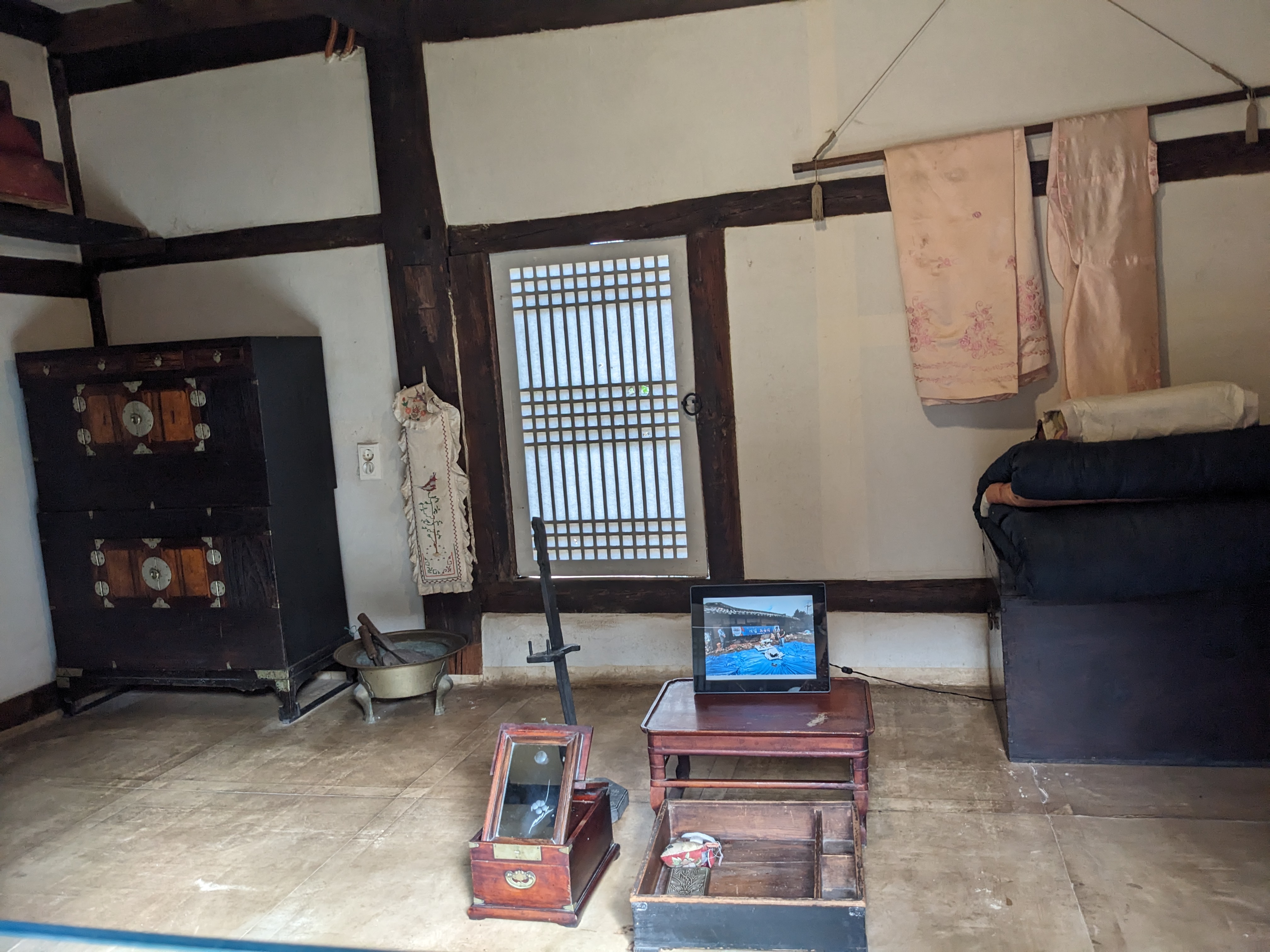
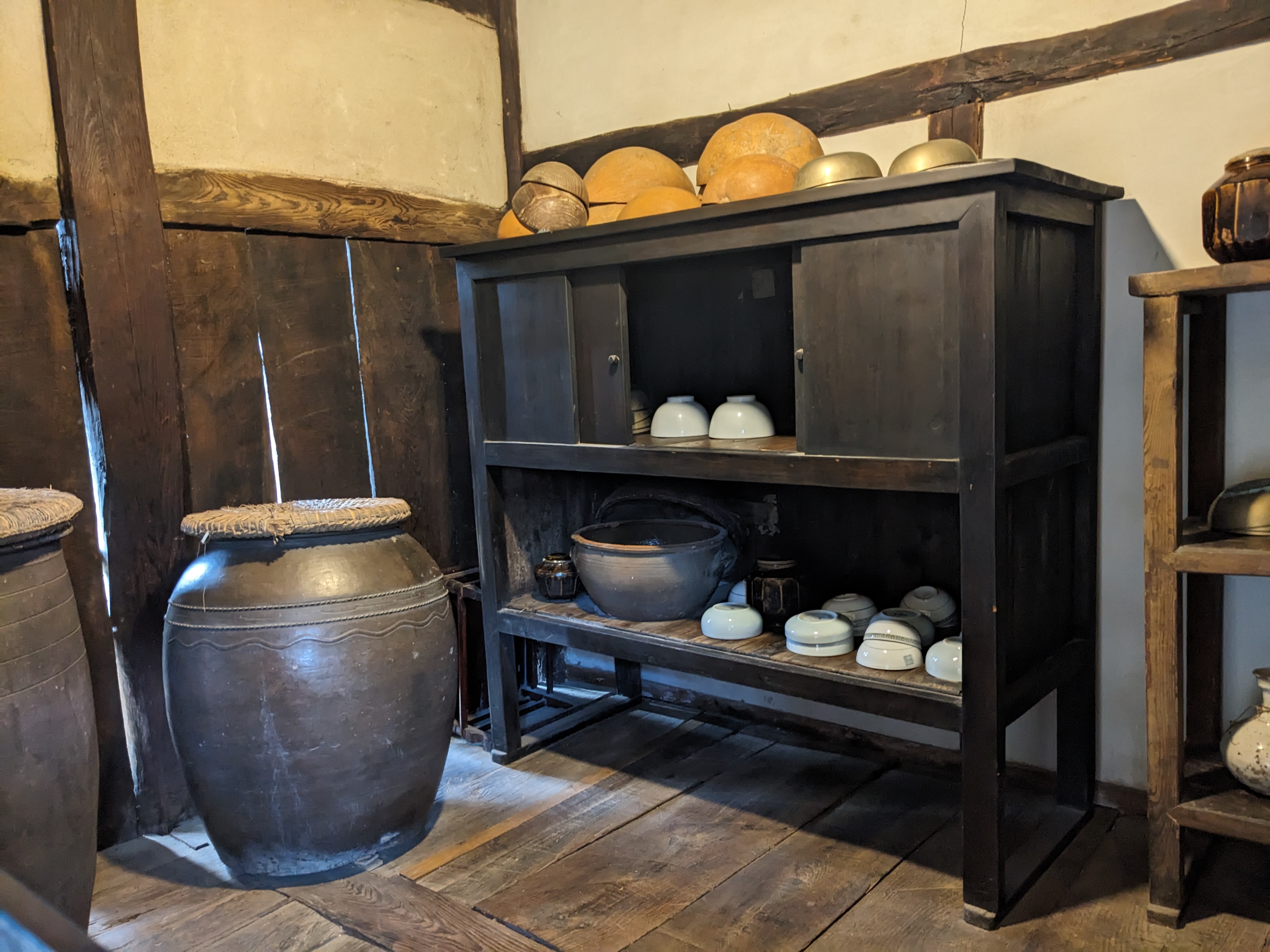
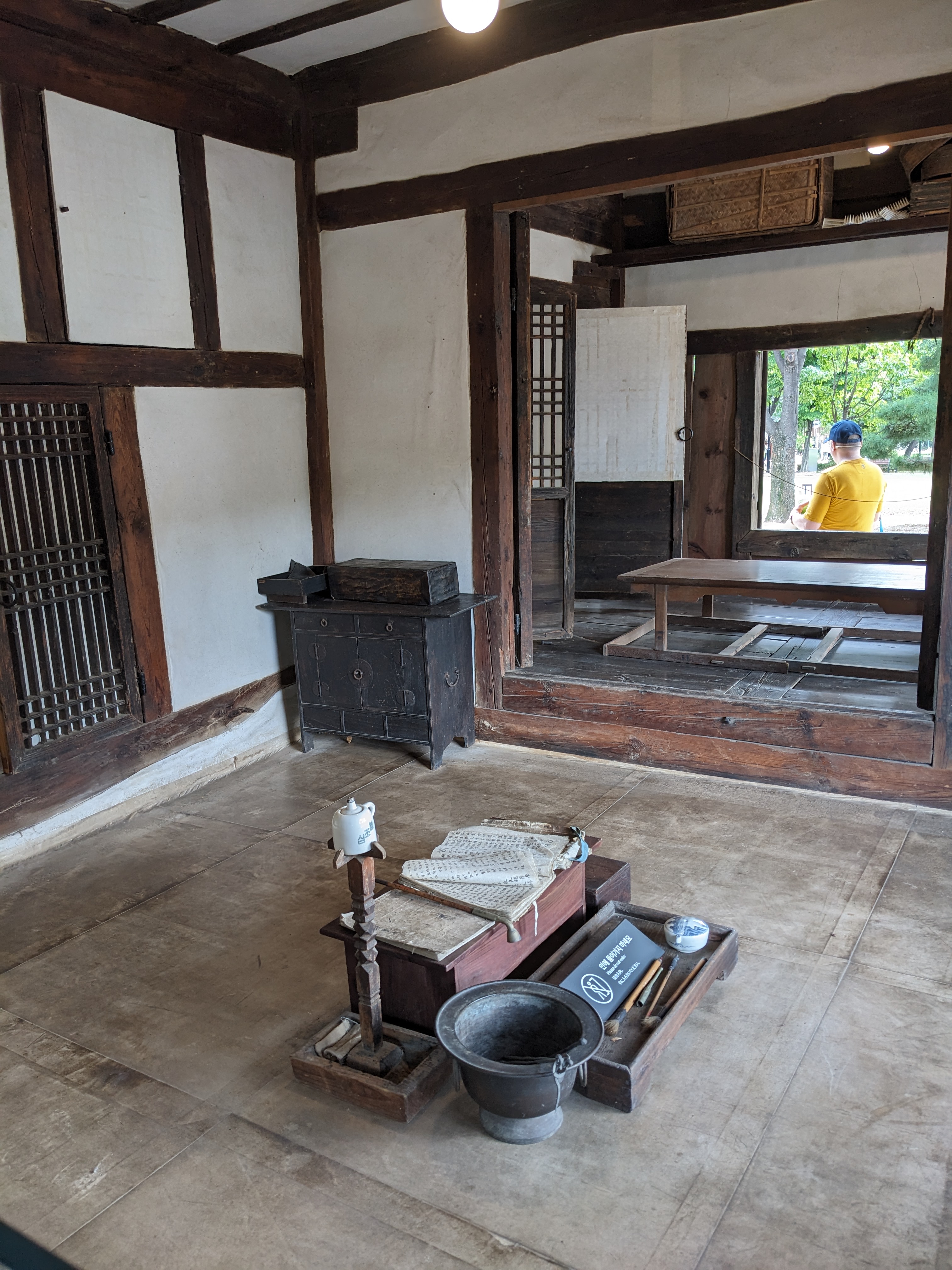
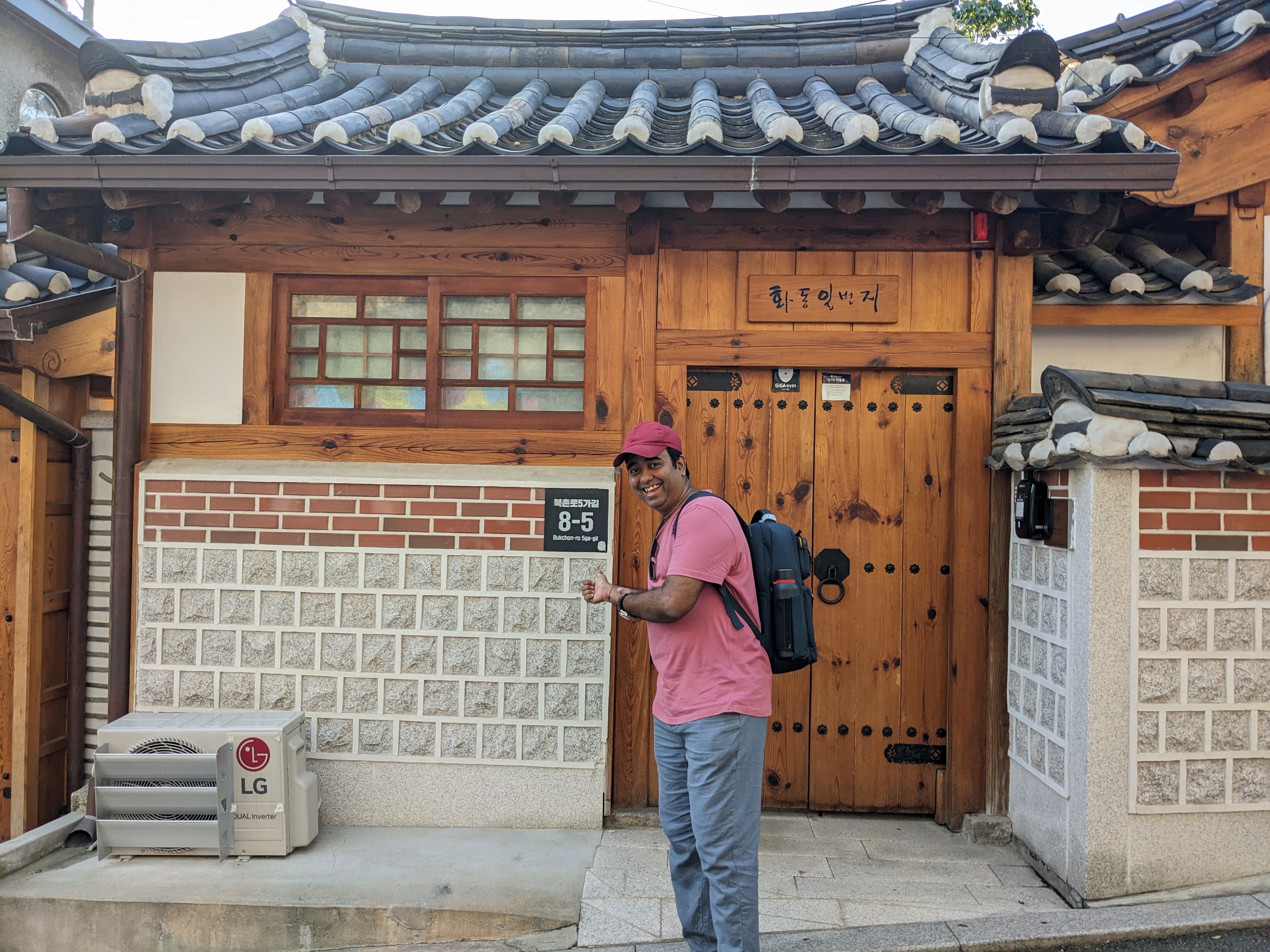
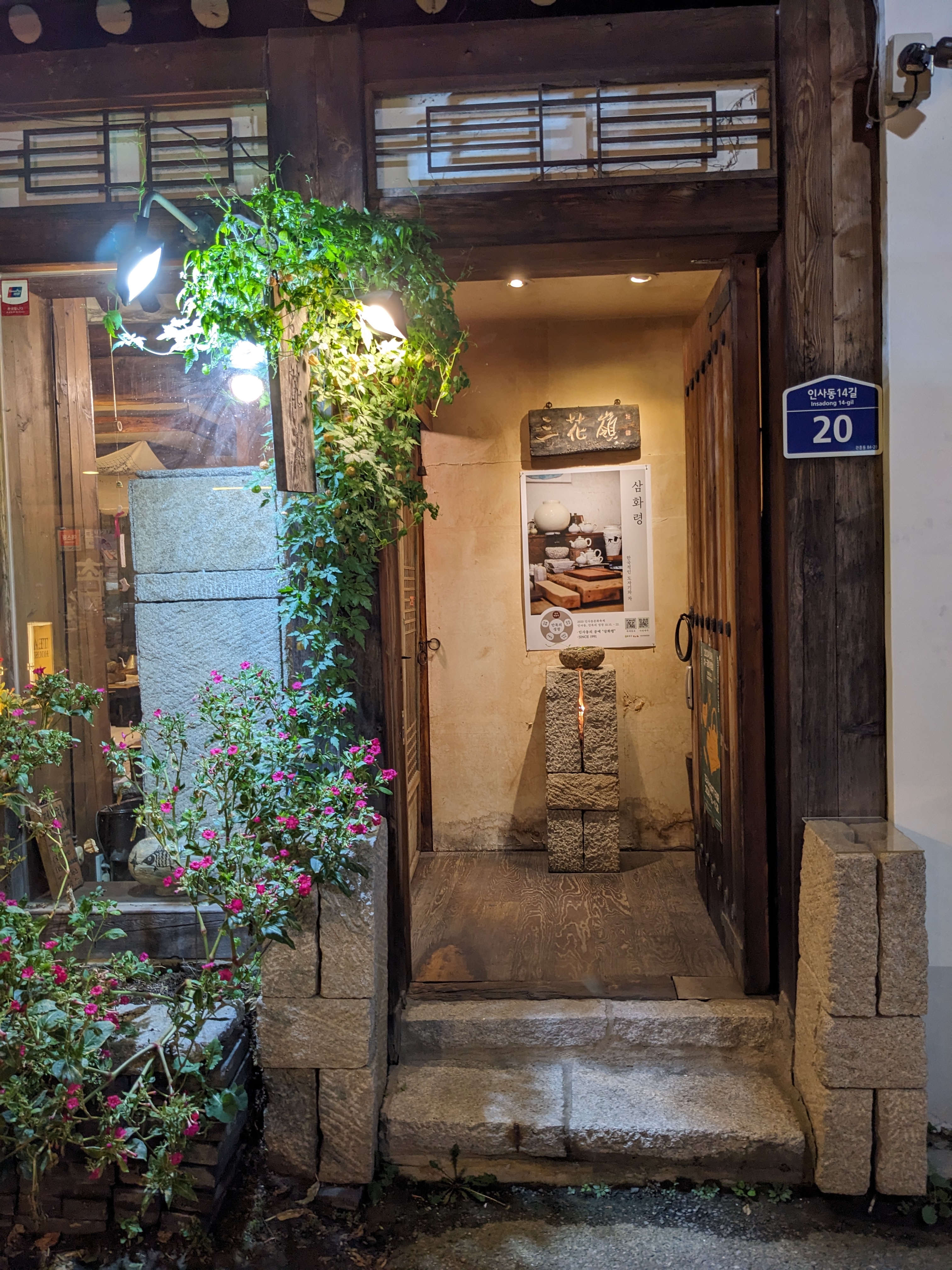
3. Experience the hanok village (traditional homes) – The traditional homes of Korea are called hanok and you can find clusters of hanok homes or referred as hanok villages can be found in many parts of Korea. There are local residents living in some of these hanoks while many of them are now converted into homestays, cafes or restaurants. Most of the hanok villages have crammed lanes and ideal to wonder around. Bukchon Hanok village is close to Gyeongbokgung palace and has lovely cafes to eat at. Definitely try the ice cream cafes to taste some yummy milk ice cream. There is also Namsangol Hanok Village to visit in Seoul. Insa dong Hanok village has some lovely gibhli vibe tea houses that I fell in love with.
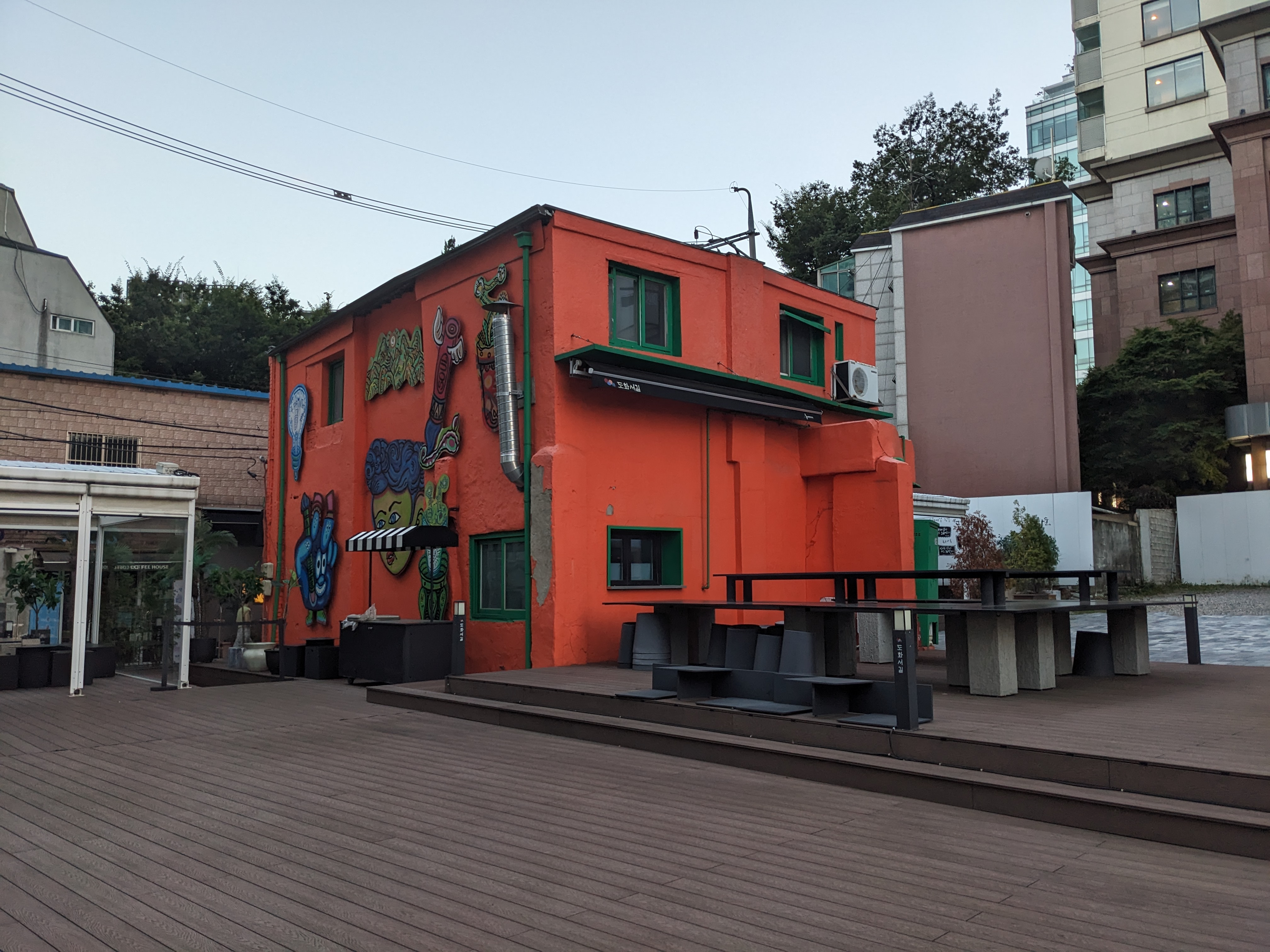
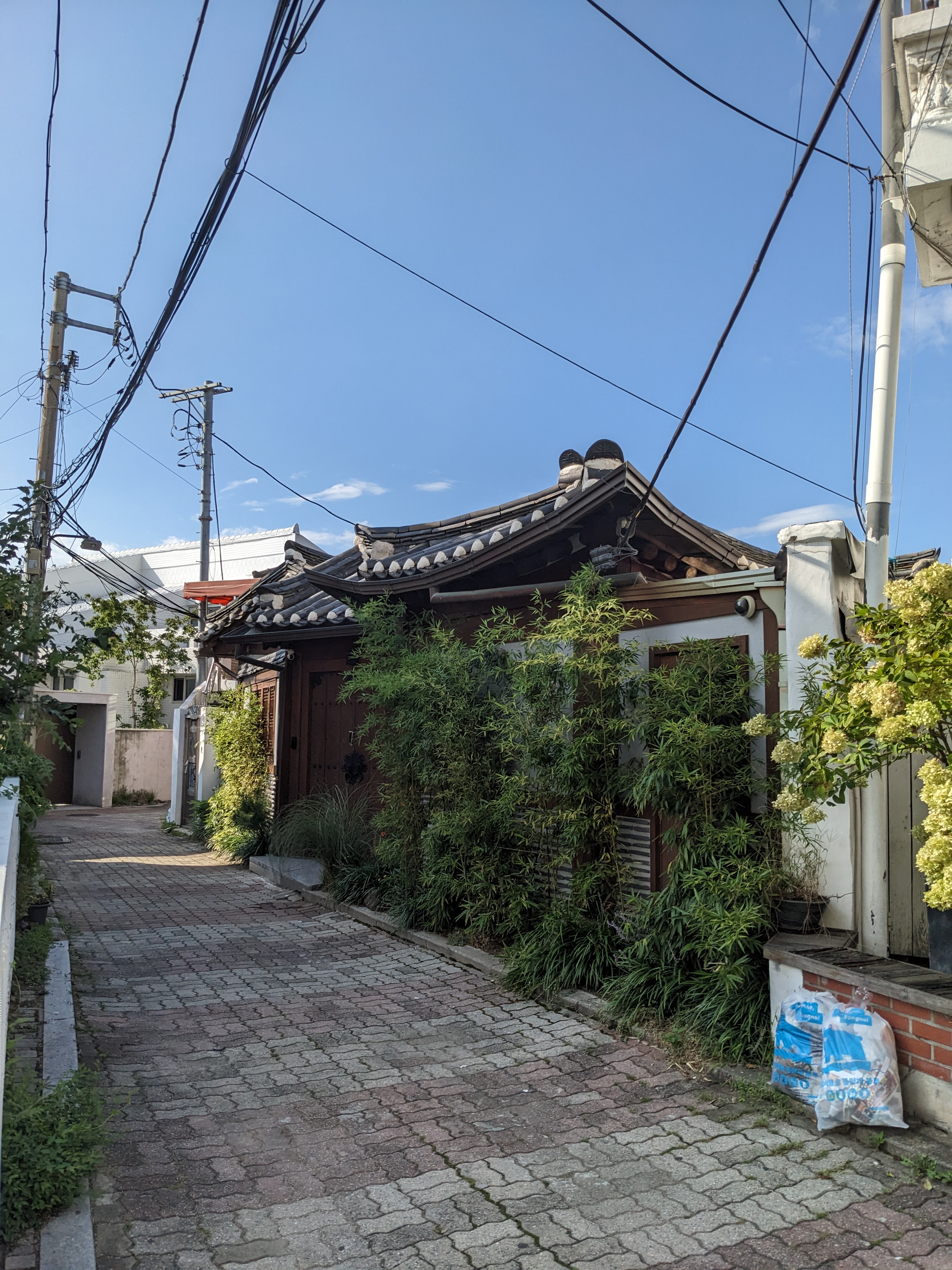
4. Hike the trails & mountains – Most of the South Korea is mountaineous country which means plenty of mountains to climb & learn from. For hiking in Korea, ensure you use Korea National Park Service (KNPS) for great information about the different trails, amenities, restrictions, and even more at each of their parks. Always read up about the estimated hiking time and plan your hike gears accordingly. Additionally use Kakao or Naver maps for trail information during hiking. Ensure to roll a Kimbap or carry a baked jeon to treak in typical Korean style. Other trails/ mountains to hike when in Seoul are:
- Seoraksan National Park – is the tallest peak of South Korea. Its 200km from Seoul (closer from Sokcho) & only 40km from North Korea. You will see this mountain in most historical paintins and there are many trails ranging from 1-3 days for the hike.
- Bukhasan National Park – is a highly recommended hike from Seoul which takes about 2.5-3 hours and has camping options available. Here you can spot the unique Rock pine flowers and Lotus leaf pheasant leg flowers.
- Mount Seorak – is a easy 3hrs hike where you can also see Naksansa Temple
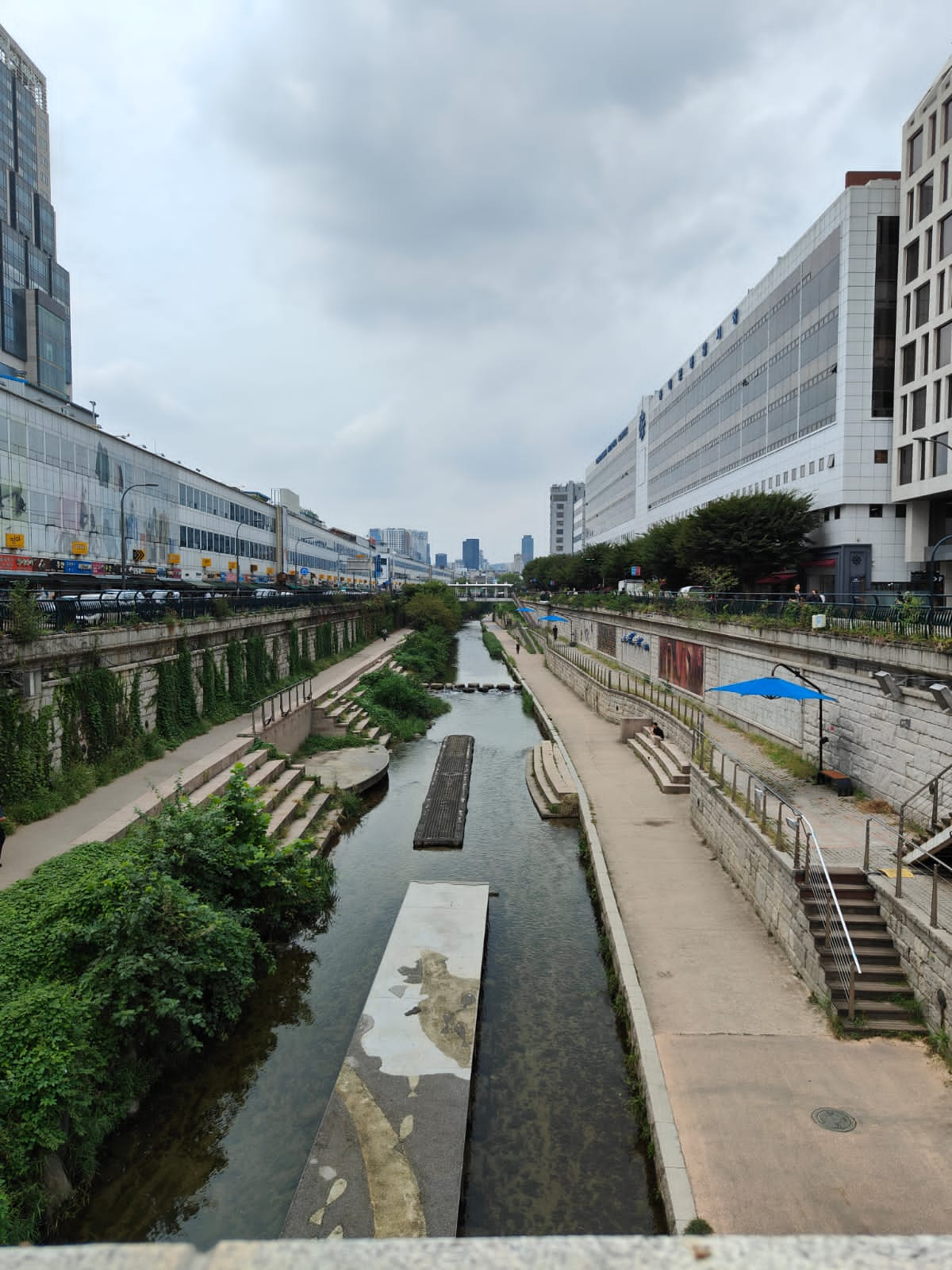
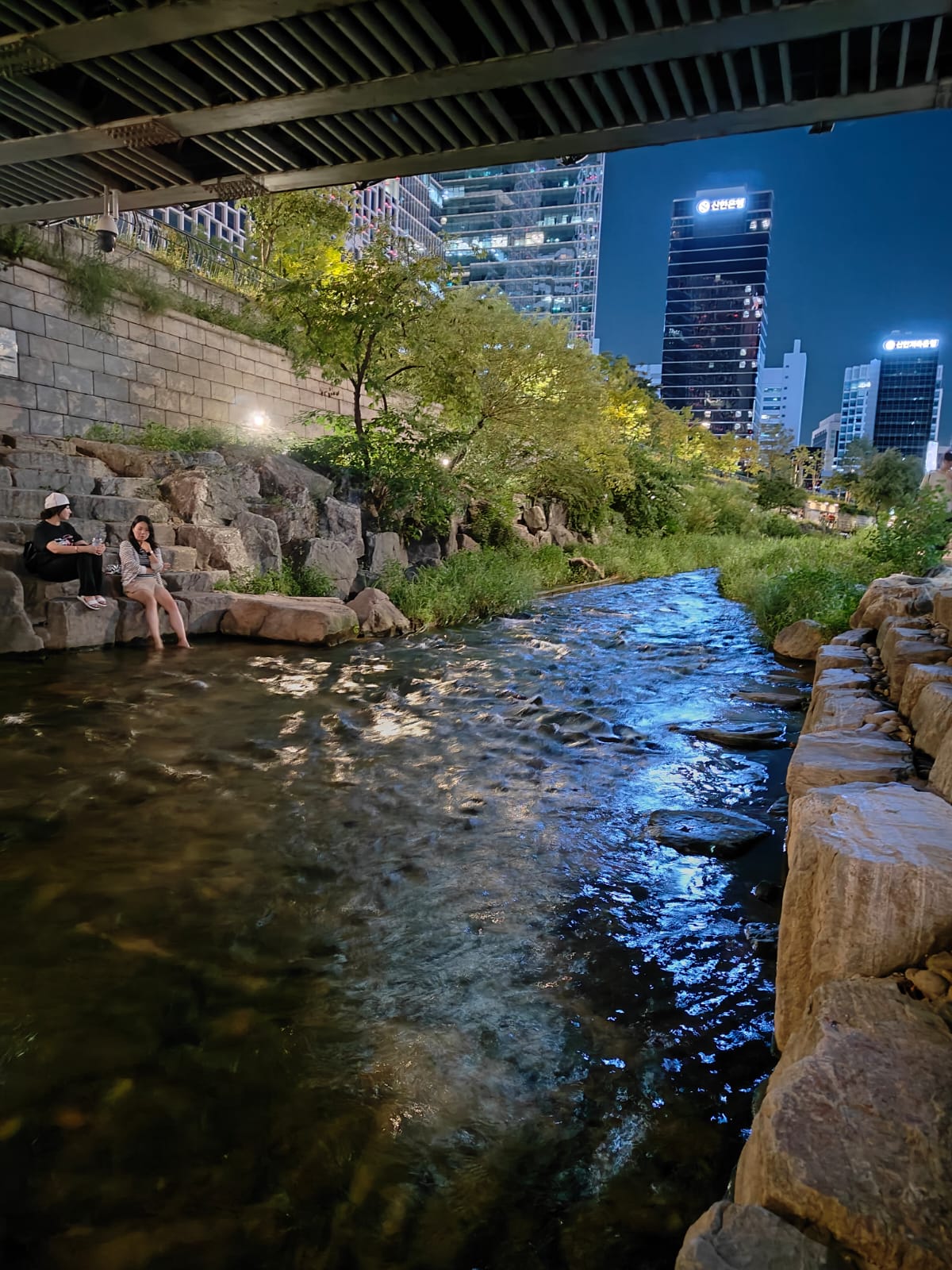
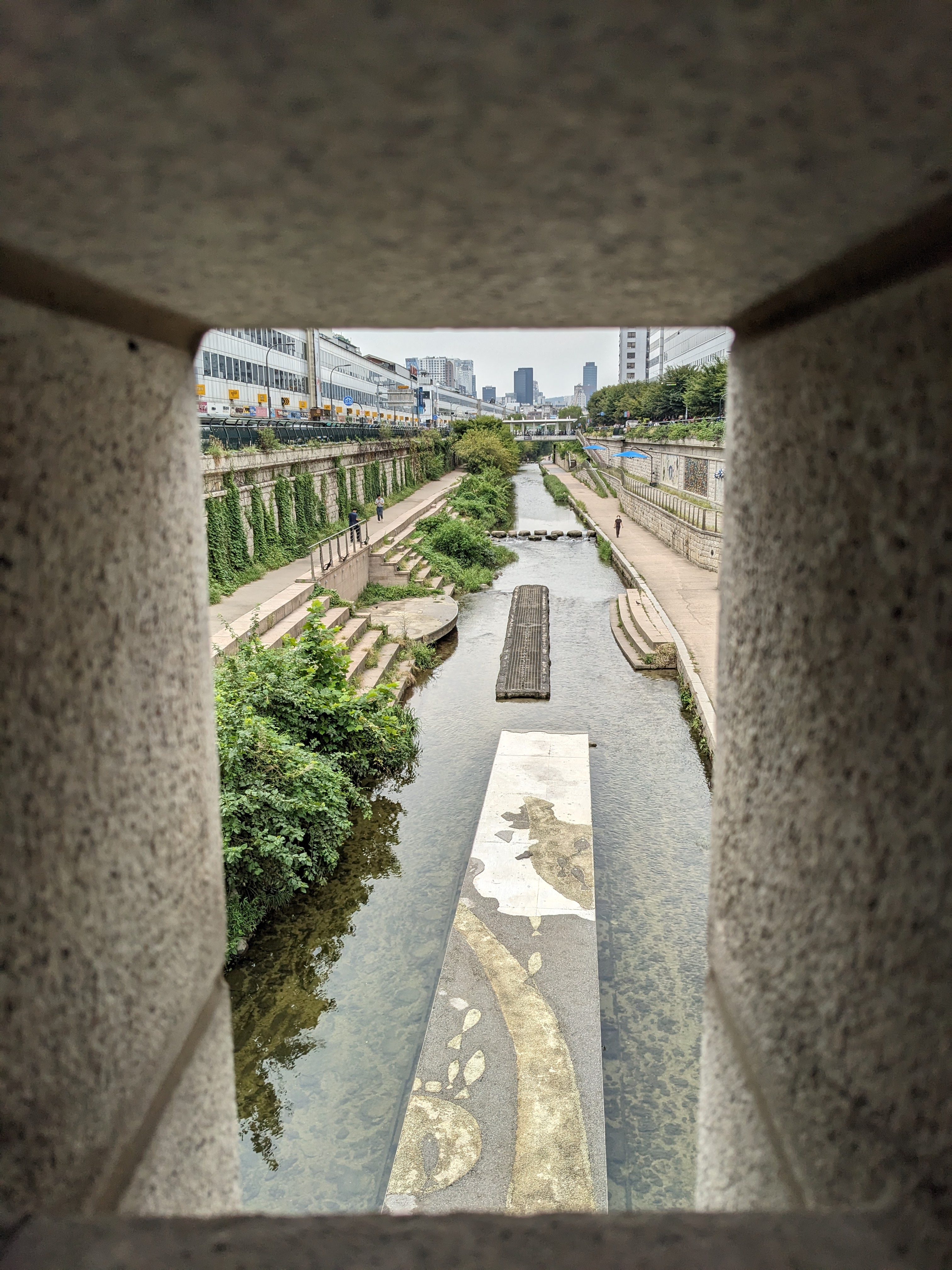
5. Dip your feet in Cheonggyecheon stream – this is by far our favourite attraction in Seoul simply because this constantly flowing 11km long stream thats meets in han river, cuts through city and creates small oasis to relax your tired city feet. I wish such thing to be in every city. Imagine someday Mithi river in Mumbai, can become like this. Cheonggyecheon stream has rock beds at shore to perch & dip feet. Most stream is barely knee deep in height so need not worry about drowning. There is also an outdoor reading nook by the stream which is set up on specific dates & time and an amazing place to go for that reading date (even by yourself).
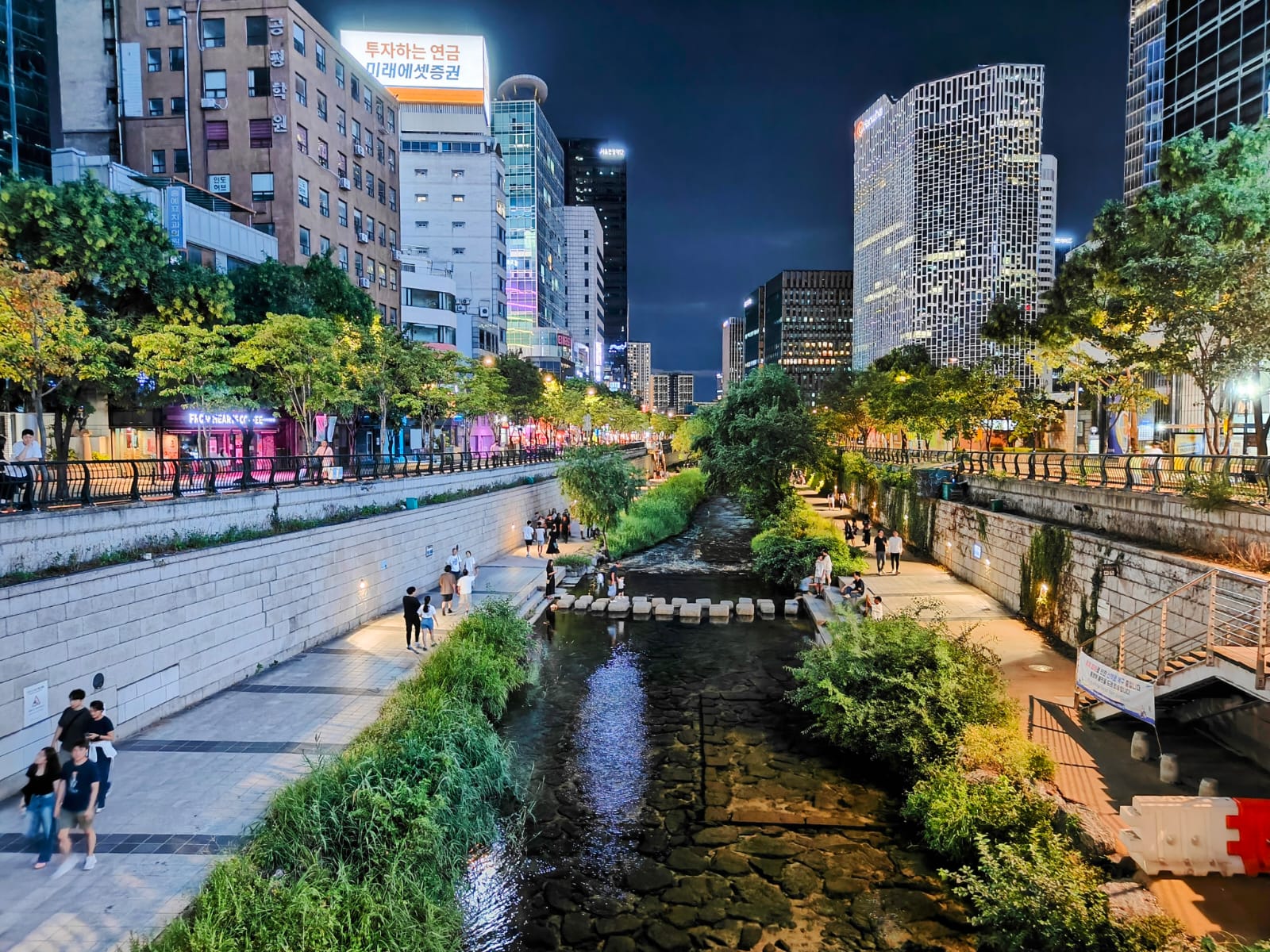
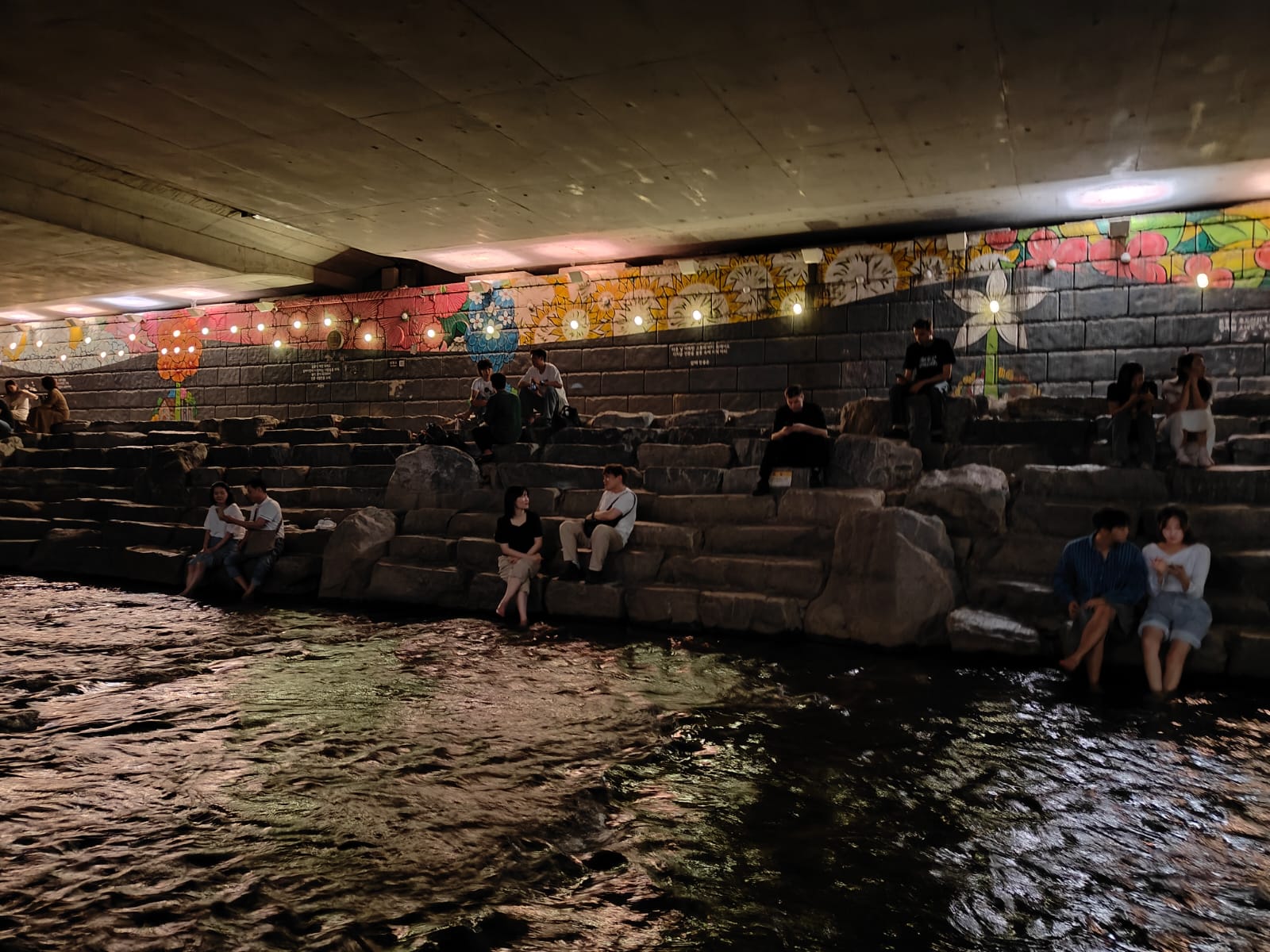
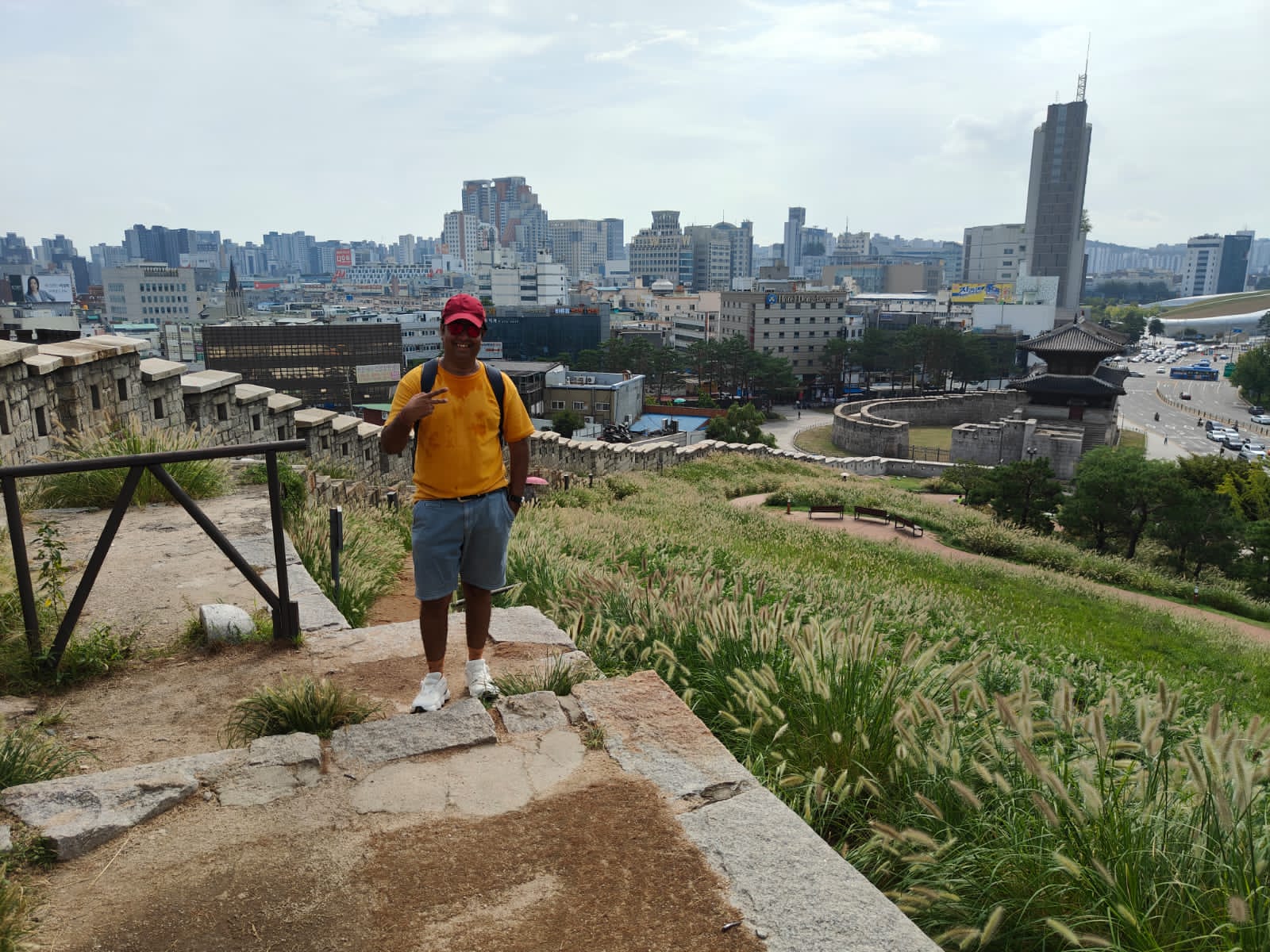
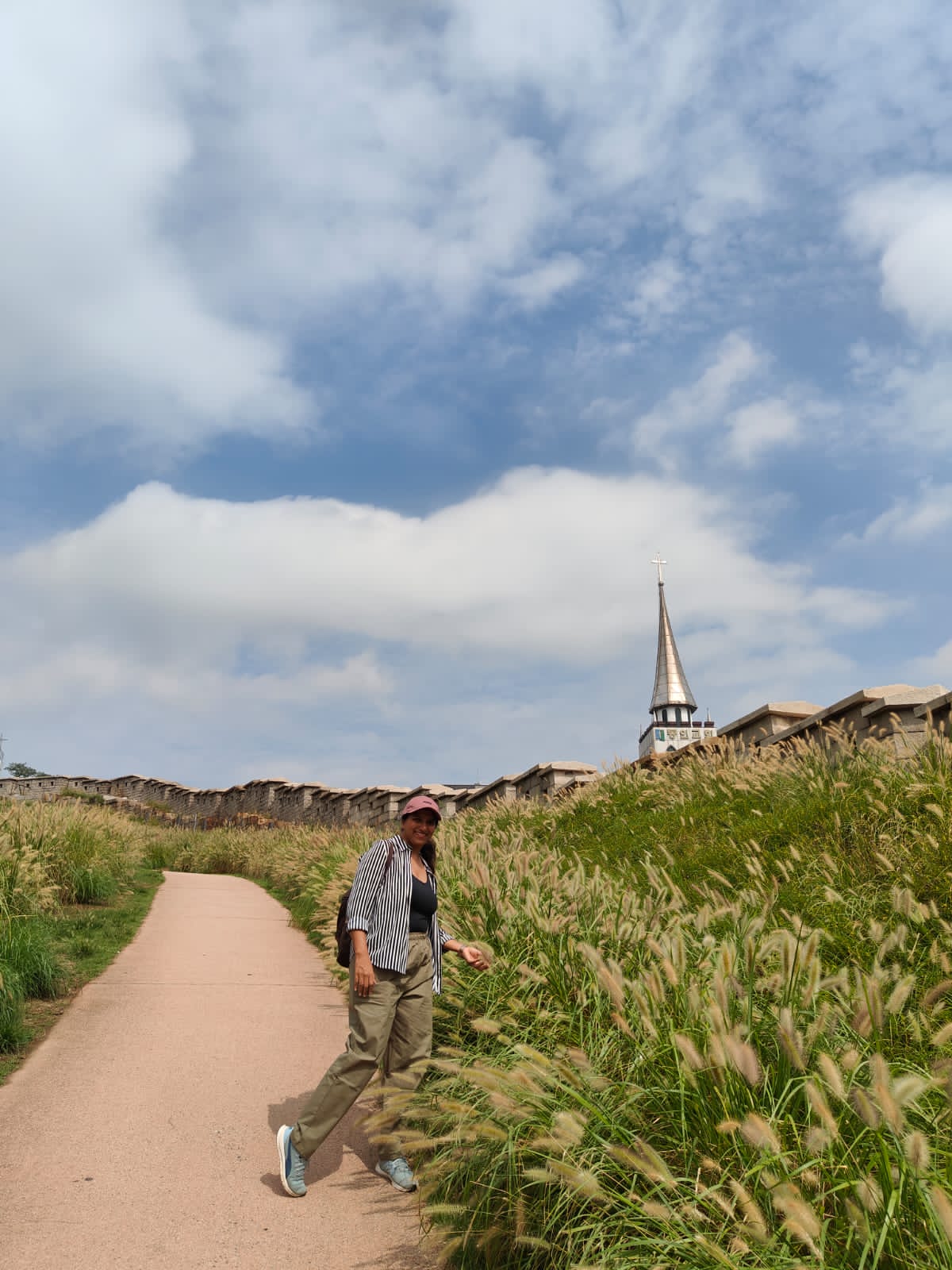
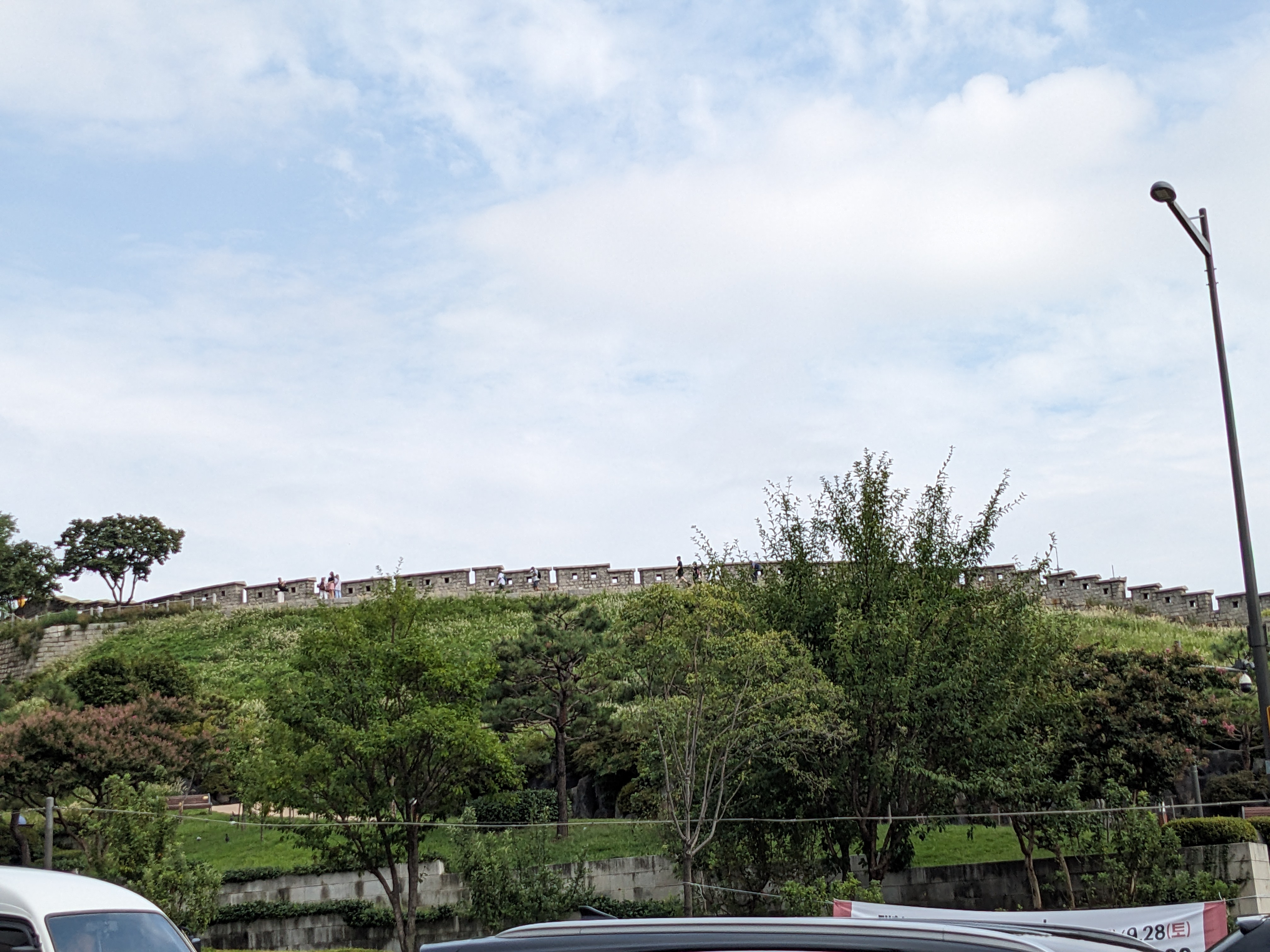
6. Enjoy short trails of city wall/ fortress wall for city view – Seoul being a mountaineous region, there are many historical fort gates which lead to city walls or fortress walls. Now a part of these walls remains (mostly post restoration) which are converted into parks for city people to break the chaos. Enjoy these when in Seoul:
- City wall – is a short 30mins hike which is within city ideal during sunset. You can even join a group and follow it up with some korean meal for dinner.
- Heunginjimun park – we visited during a warm aftertoon and within minutes or ascending we were in a quiet zone away from car horns. This place has office near by so we saw some office goers enjoying heir lunch hour with a colleague or just by themselves.
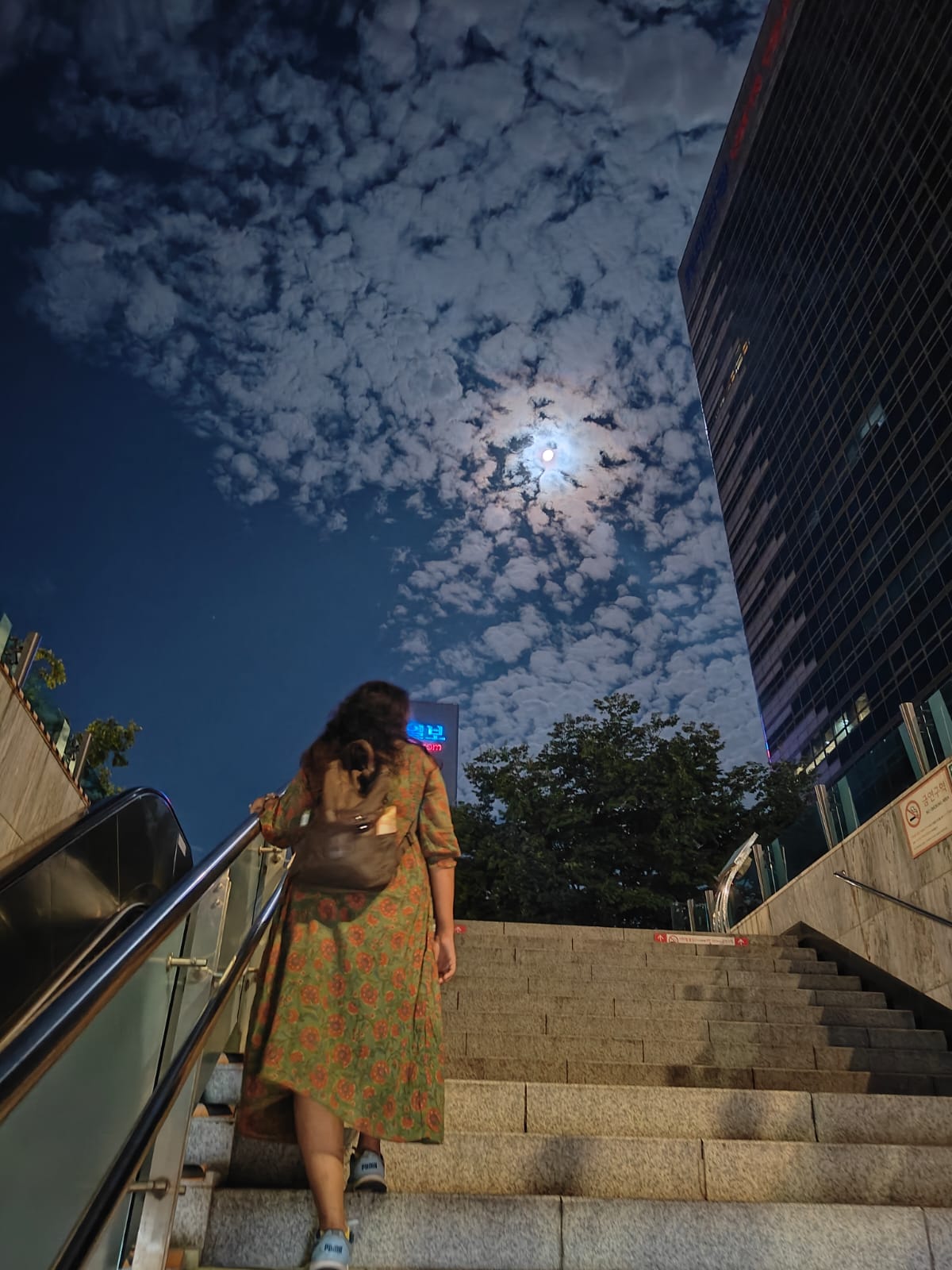
- Iwangsan – is a fortress wall hike ideal for night to get a panoramic view of the city and Gyeongbokgung palace.
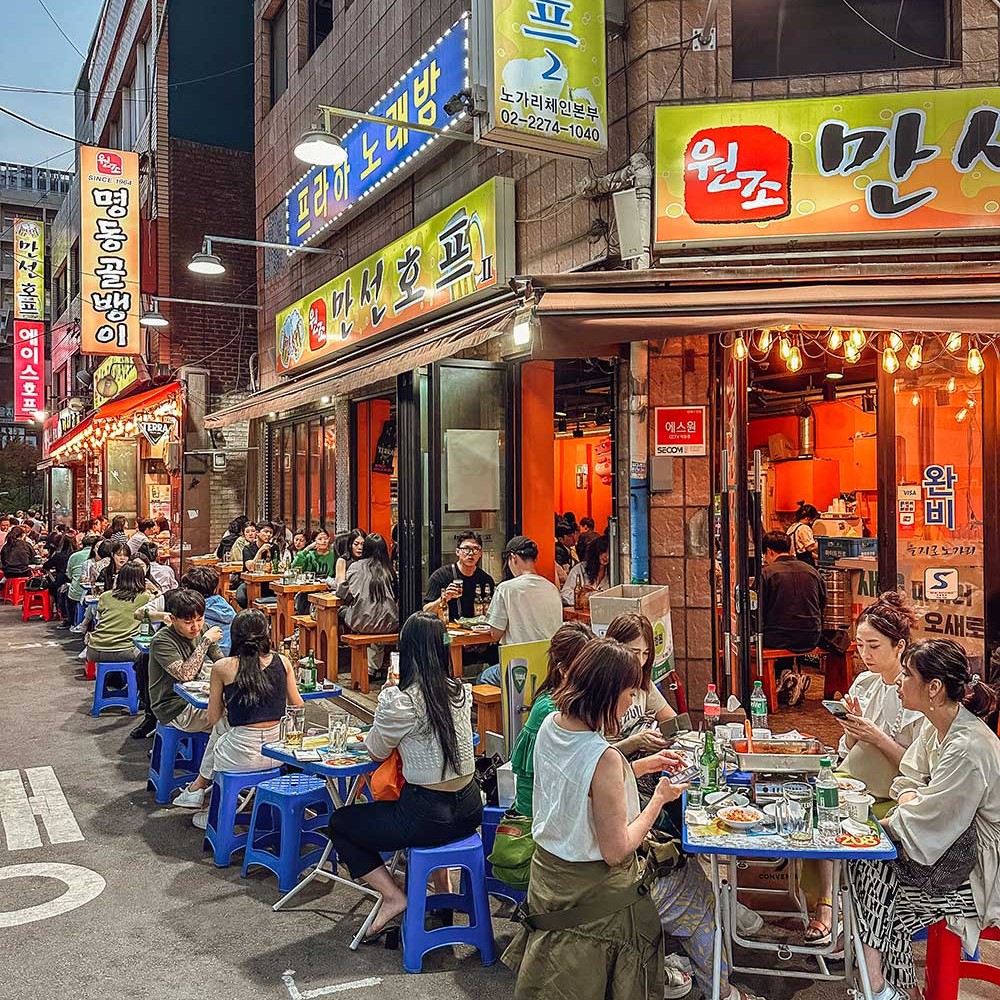
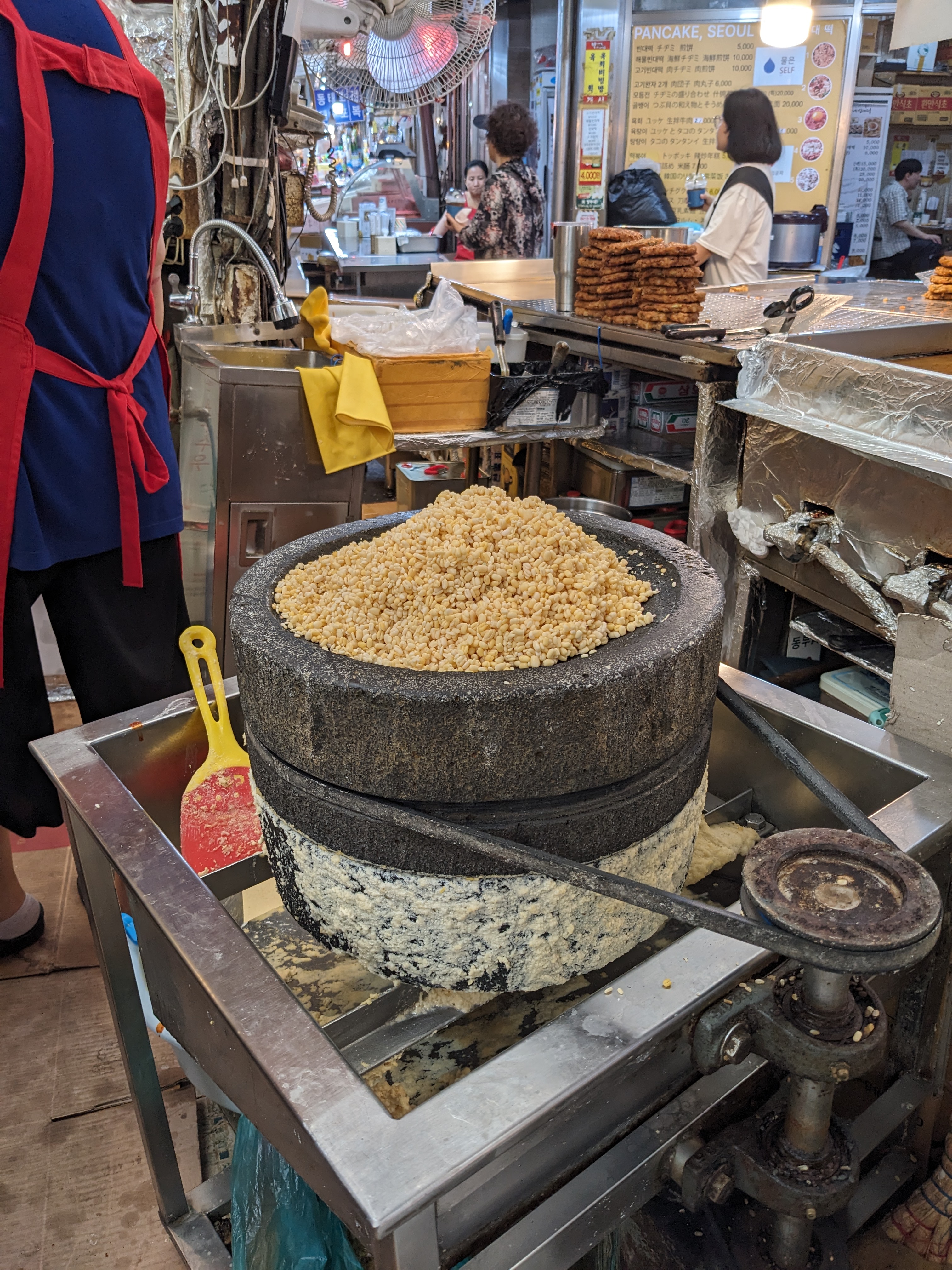
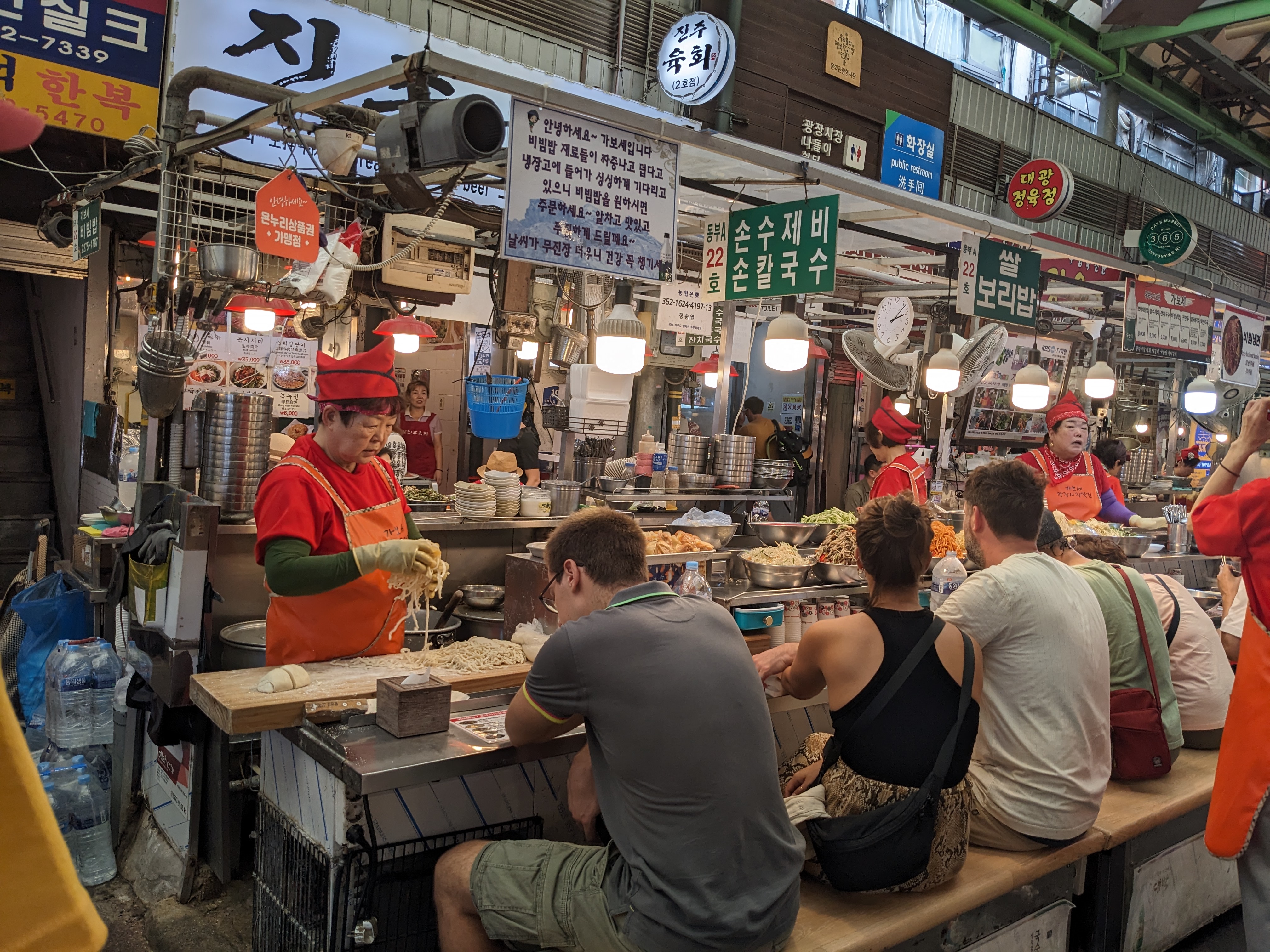
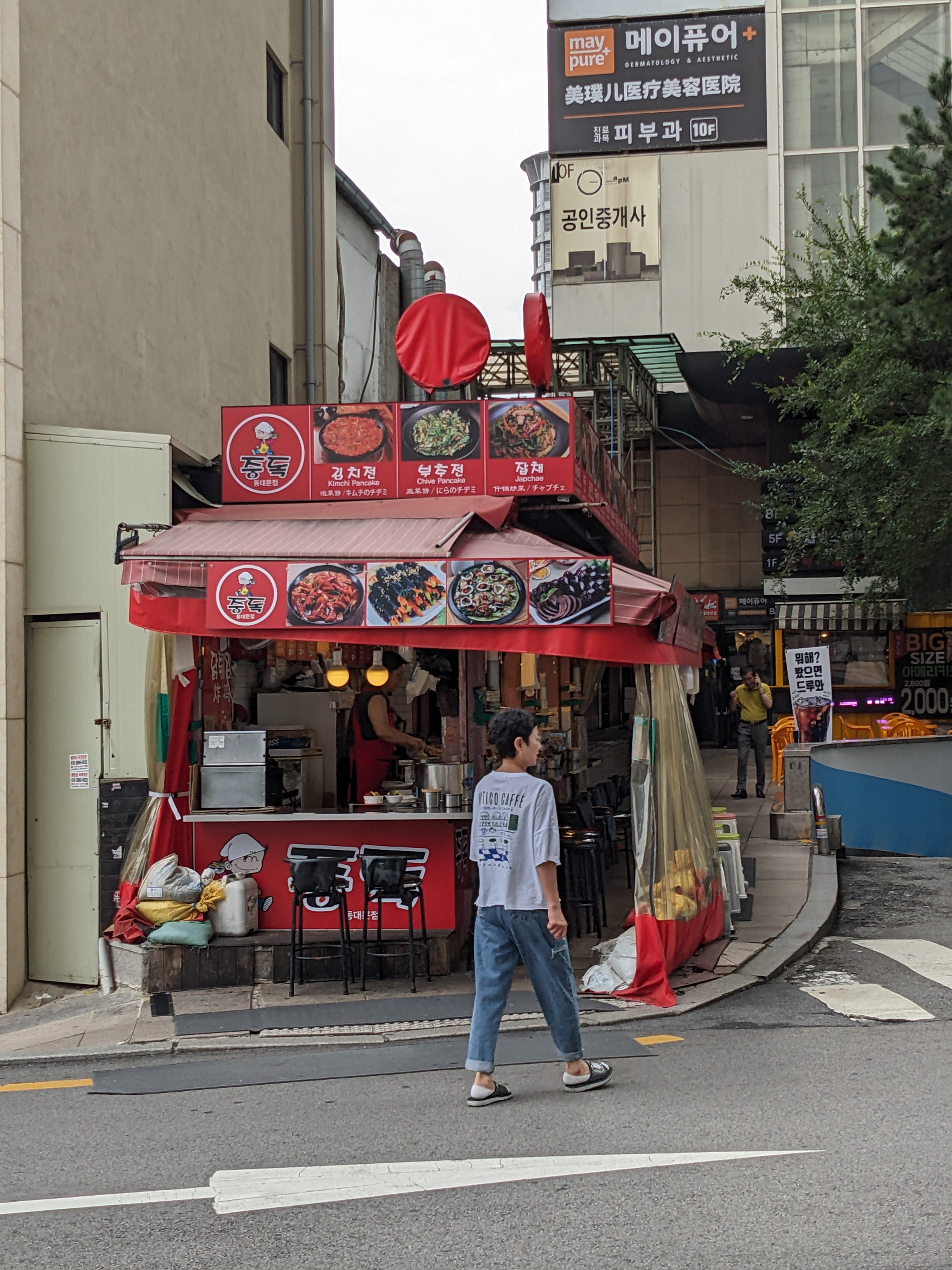
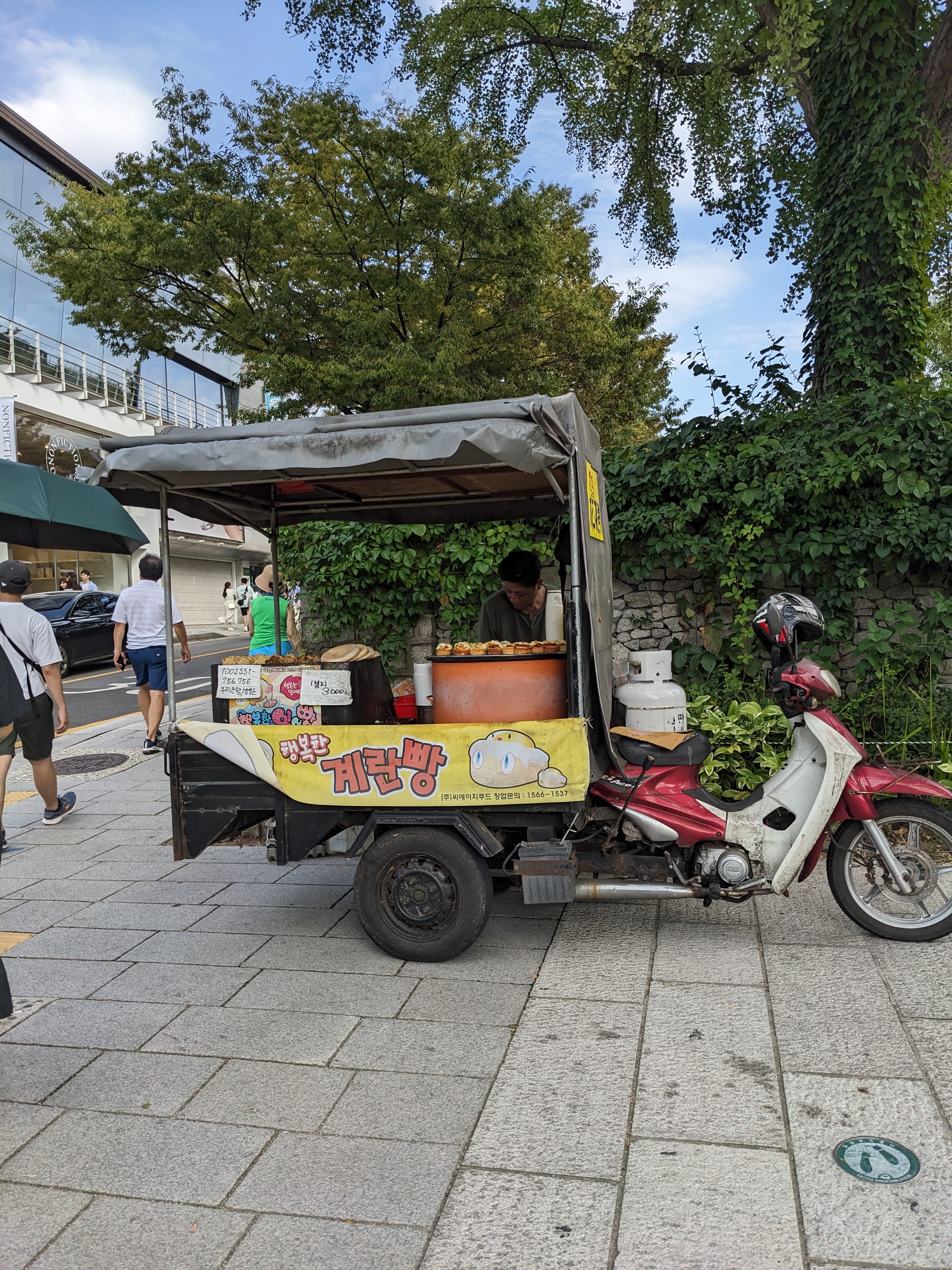
7. Dine at street joints in Korean street style – If you have seen any kdrama, you would be familiar with korean’s obsession with eating at street joints perched on blue plastic stool. You will even fancy office people at such joints for their after hours. A key to finding good spot in the market to eat is, eat where the lcoals are eating. I have documented a detailed article on our experience for all the markets in Seoul Food Guide. You can also take a food tour if pressed on time. Some of the markets that are a must try are:
- Euljiro nogari alley (을지로 노가리골목) frequented by office people. Best for grilled Pollock & beer or soju. Ideal for dinner time or after hours. Open till 1am.
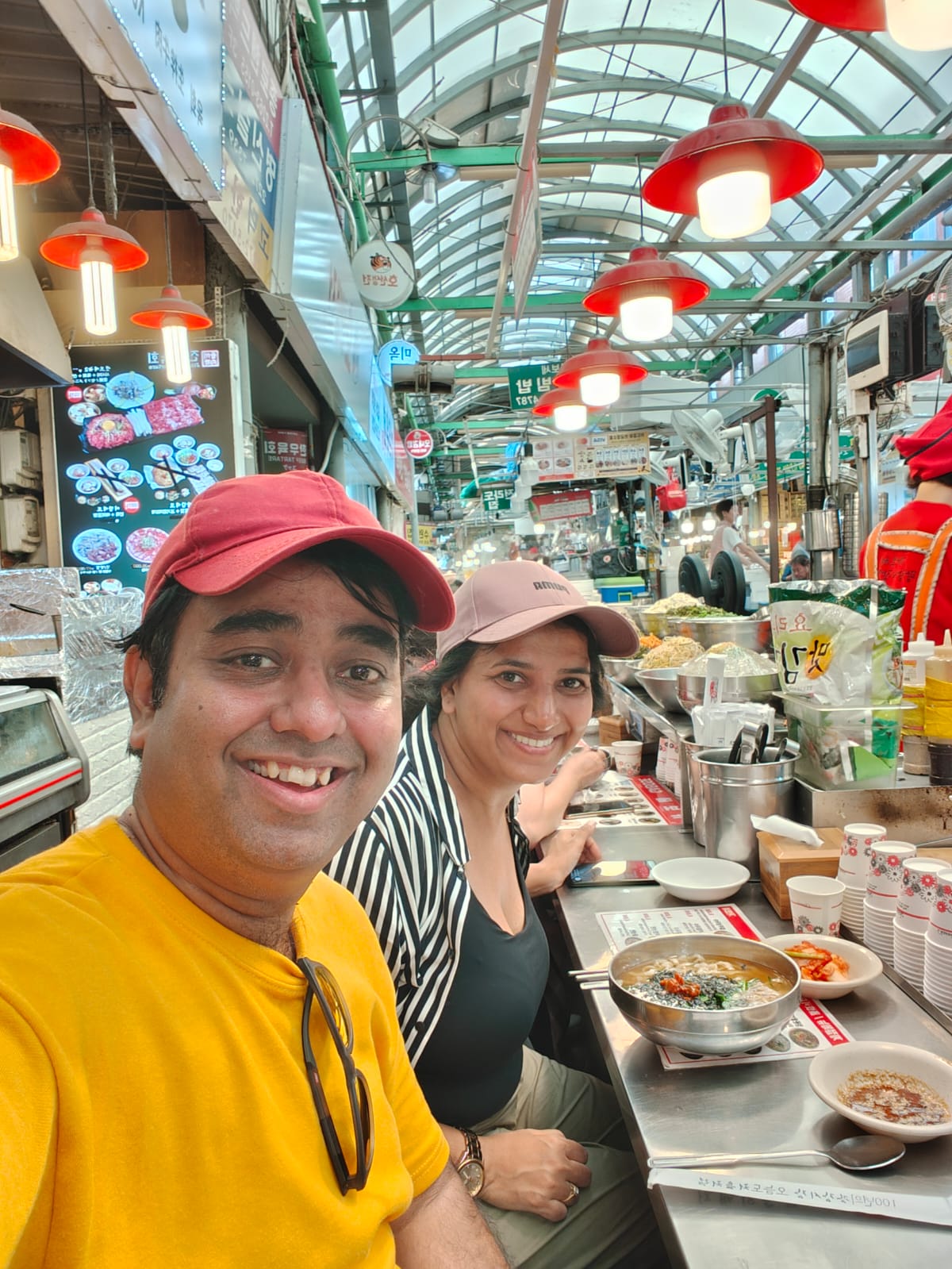
- Gwangjang Market (광장시장) is much more organised market for dedicated food stalls & grocery shopping. Ideal for lunch hours. Visit stalls run by oldies and try different types of Jeons, kalguksu, and red bean paste buns (jjingbbang).
- Namdaemun Market (남대문시장) is a huge market with closse to 10000 vendors selling fashion to stationary to food. There is plenty to find and you can spends hours seeing and trying things.
- Seoul Bamdokkaebi Night Market (서울 밤도깨비 야시장) food market to grabd the midnight bites along with locals.


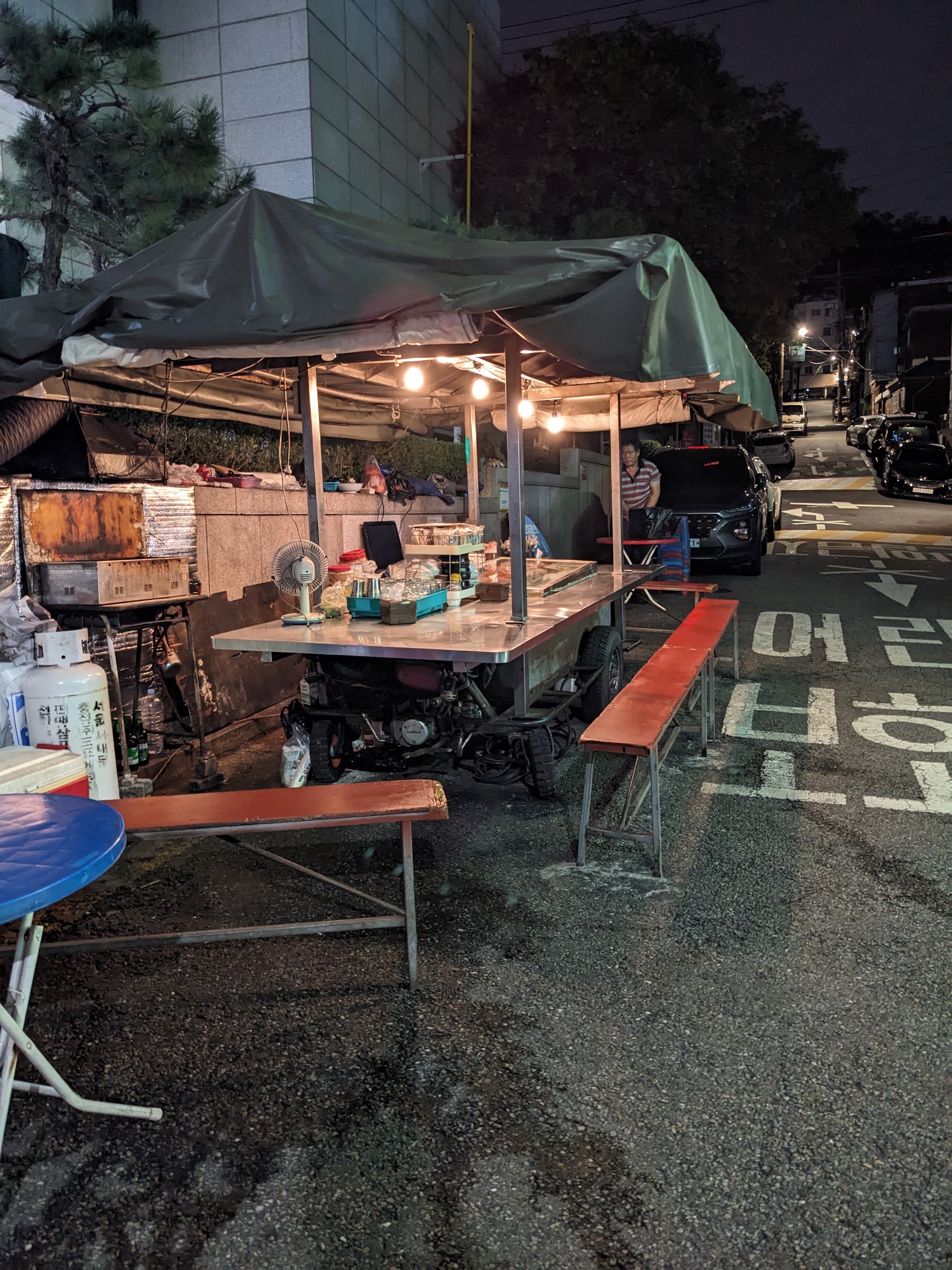
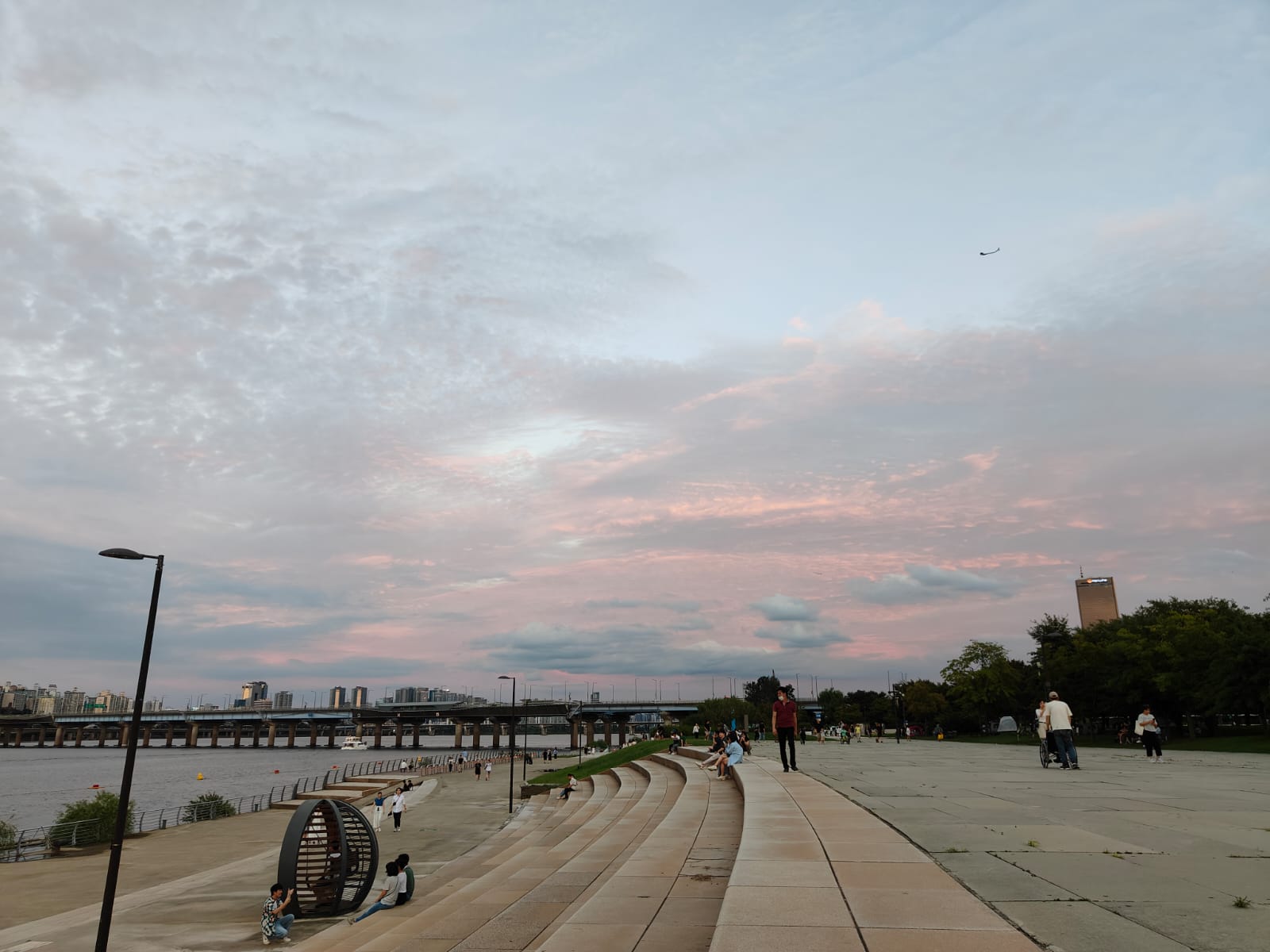
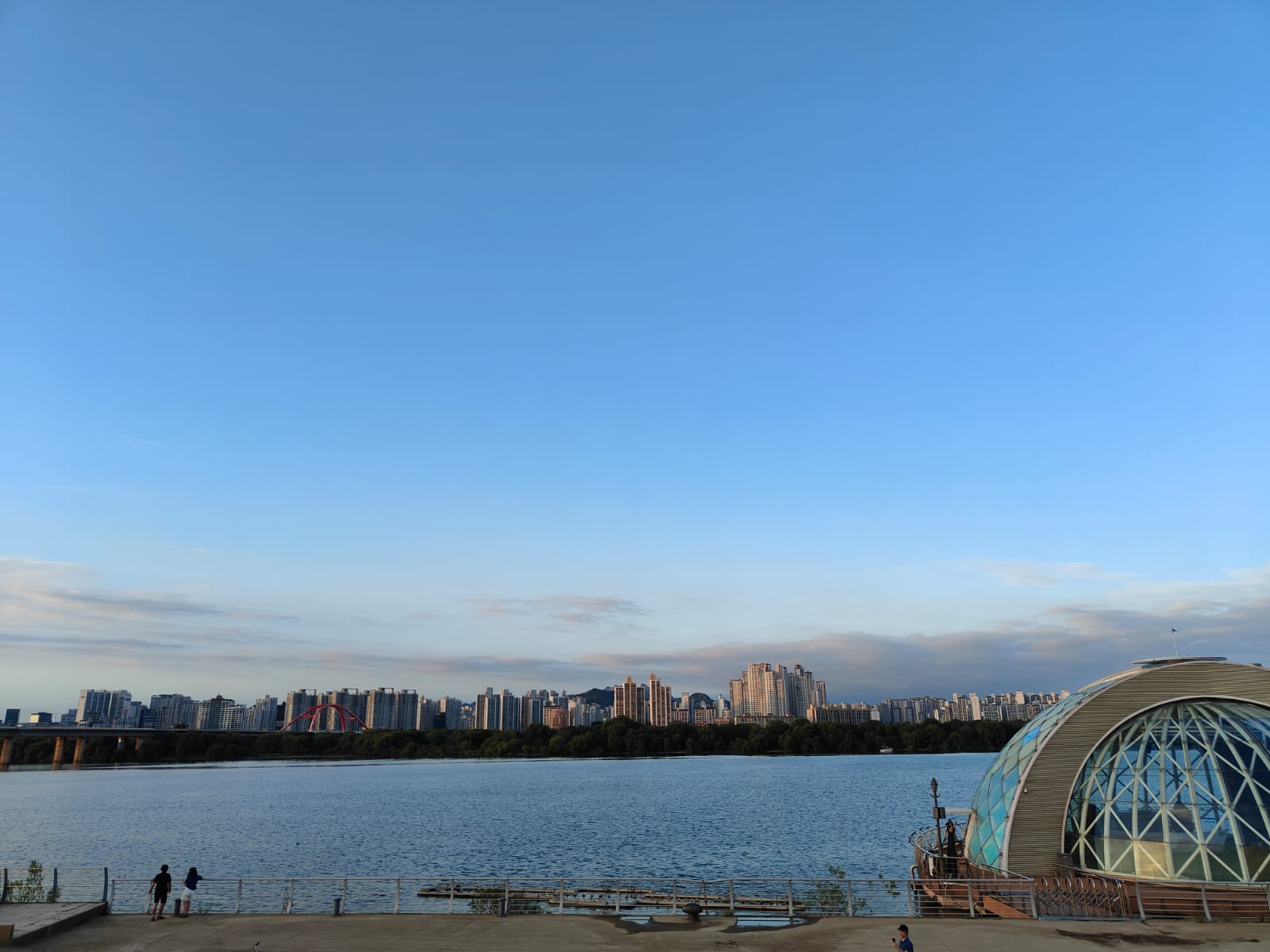
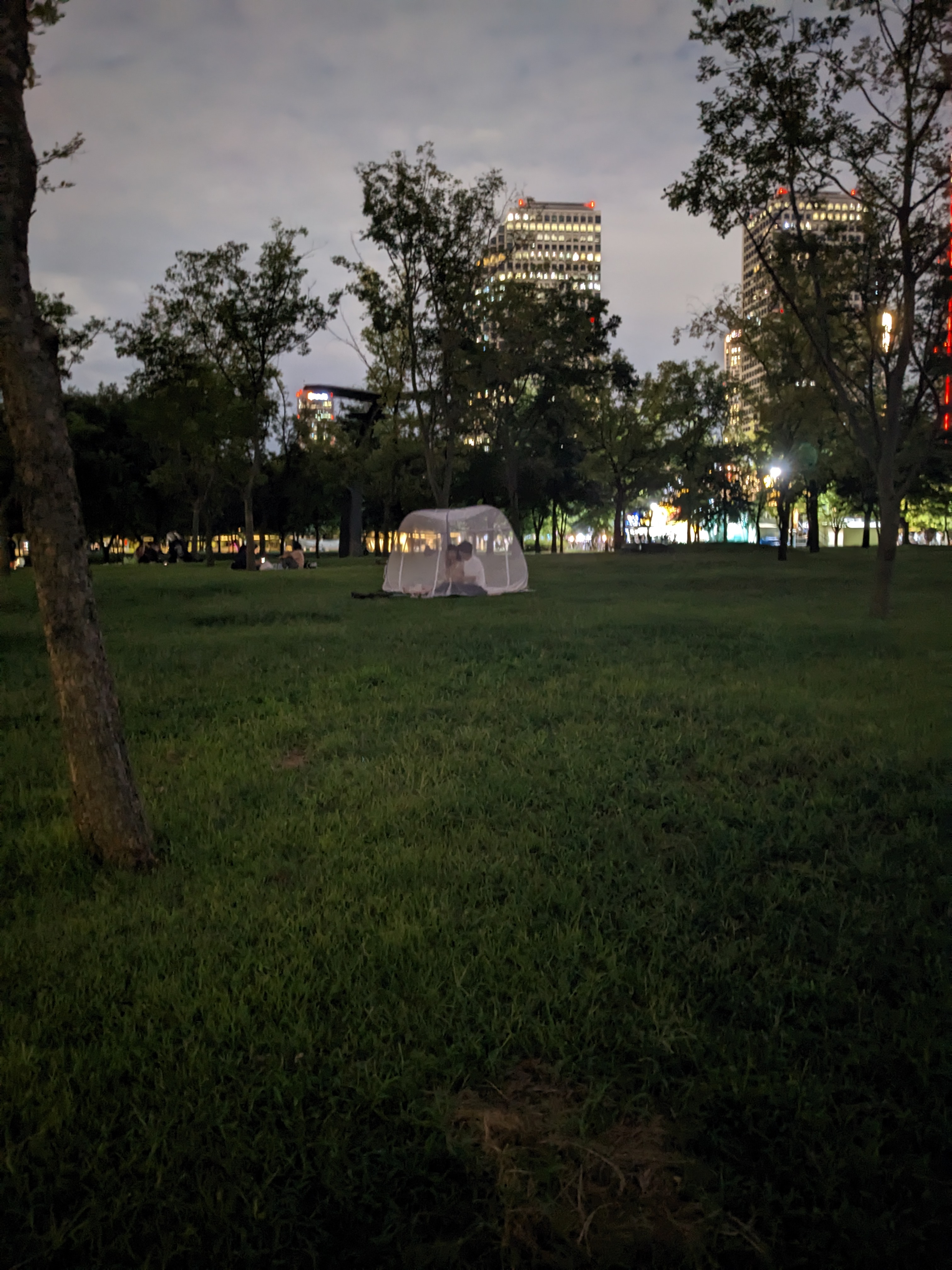
8. Picnic by the Han river – If you have followed my blog for sometime, you would know this is by far my favourite activity to do in any travel. There are 11 Han river parks along the river with skateboarding, live concert areas, art installations, museums, pools, and camping spots. At every parks you will have few take away joints, convenience stores, bikes rentals, and restrooms. We visited the Yeouido Han River Park (여의도한강공원) which is the most popular one with camping options, water activitives, cherry blowwom trees, and fire works during festivals. Ttukseom Han River Park (뚝섬한강공원) near Seongsu-dong is also very inetresting to visit for architechture and flower lovers. Nanij Han River Park (난지강강공원) is with huge pool by the river which can be fun specially in summer. Banpo Han River Park (반포한강공원) is another lovely place to spot the evening light show at the bridge, rainbow fountain, and yatcht sailing.
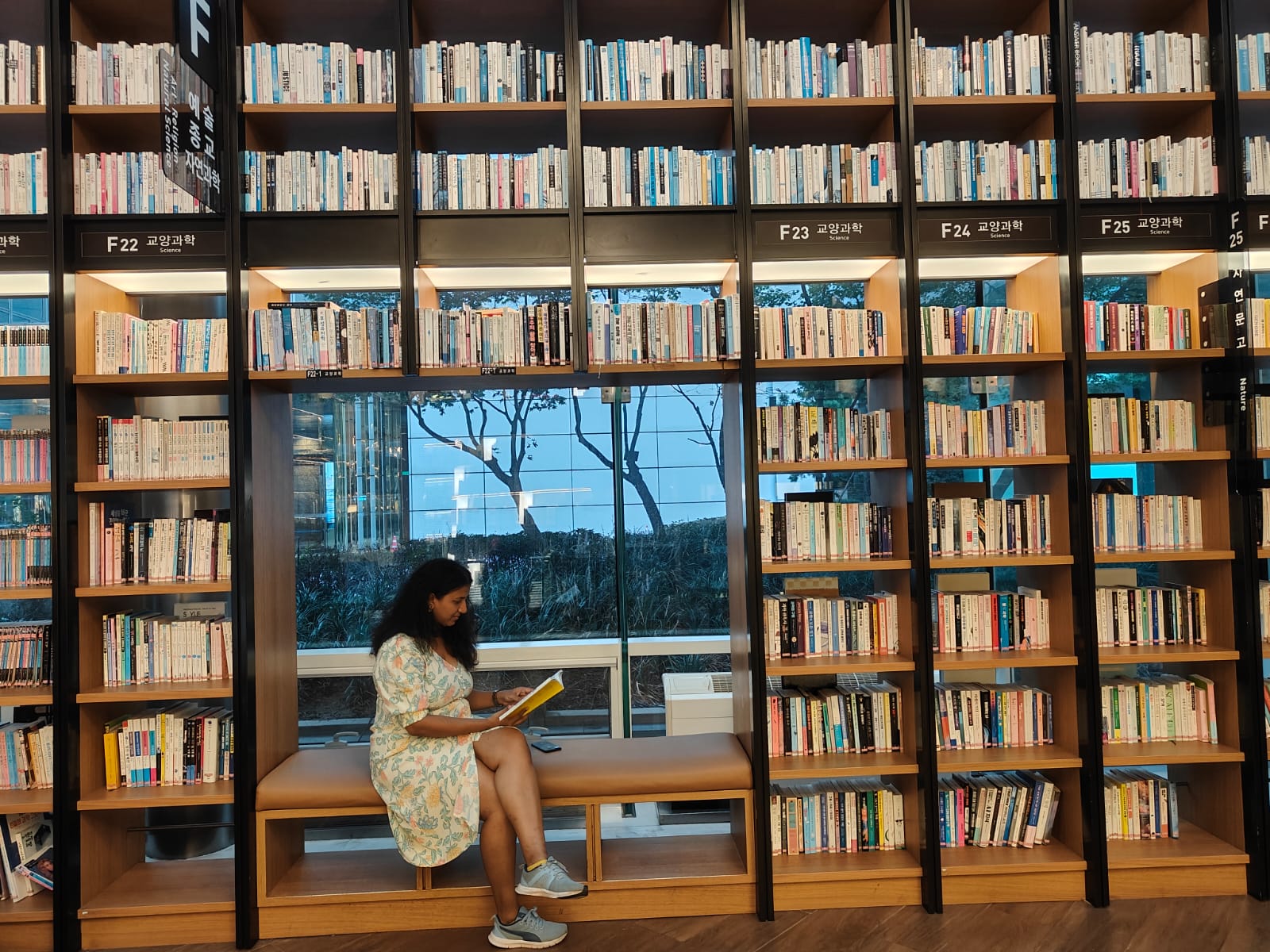
9. Read a book at some of coolest libraries – To inculcate reading habit among the people of Seoul, there are some creative reading spots in the city. We experienced pop up reading spots by the Cheonggyecheon stream, pop up reading nooks at the Gwanghwamun square (more of festival thing), and many cool libraries. Read a complete library guide on my blog. But do not miss the reading by the Cheonggyecheon stream (happens on specific dates & timing) and Starfield library in Coex mall.
10. Experience the night life of Seoul – Hongdae, Gangnam, and Itaewon are the 3 spots where major night life action happens. Itaewon is quite americanised including food, music so try places such as Salon de MU/ART (뮤아트 본점) has good food with live music, Carlos’ Bar (까를로스 바) has good whiskey collection, Sunsetmood Rooftop (선셋 무드) for some romantic time, Faust (파우스트) is for techno lovers, and Volnost also has good music. Hongdae changes completely by night and very different crowd emerge changing complete vibe of this place including sober korean men turn flirty & borderline creepy. Visit Hongdae’s playground which is a open playground where by night large group appears for open party, Thursday’s (썰스데이파티) has lively crowd of local & foreigners & has dancing, Mike’s cabin has latin music & dancing space, and Junto’s attracts large crowds for its latin music. Gangnam is one of the most expensive areas of Seoul so be ready to shell a good amount at most of the spots in this location. Le Chamber is rated in top 50 best restaurants in Asia so definitely dress for one of the best meals in Korea, Octagon is one of the most popular nightclubs playing mix of electronic dance music, hip-hop, and K-pop, Monkey Museum has art installations and live performances by local musicians along with good food, Griffin Bar is favourite among locals & expats, and Mikkeller Bar is a trending uptown bar. Or just take a pub crawl to experience the crazy party feels of Seoul.
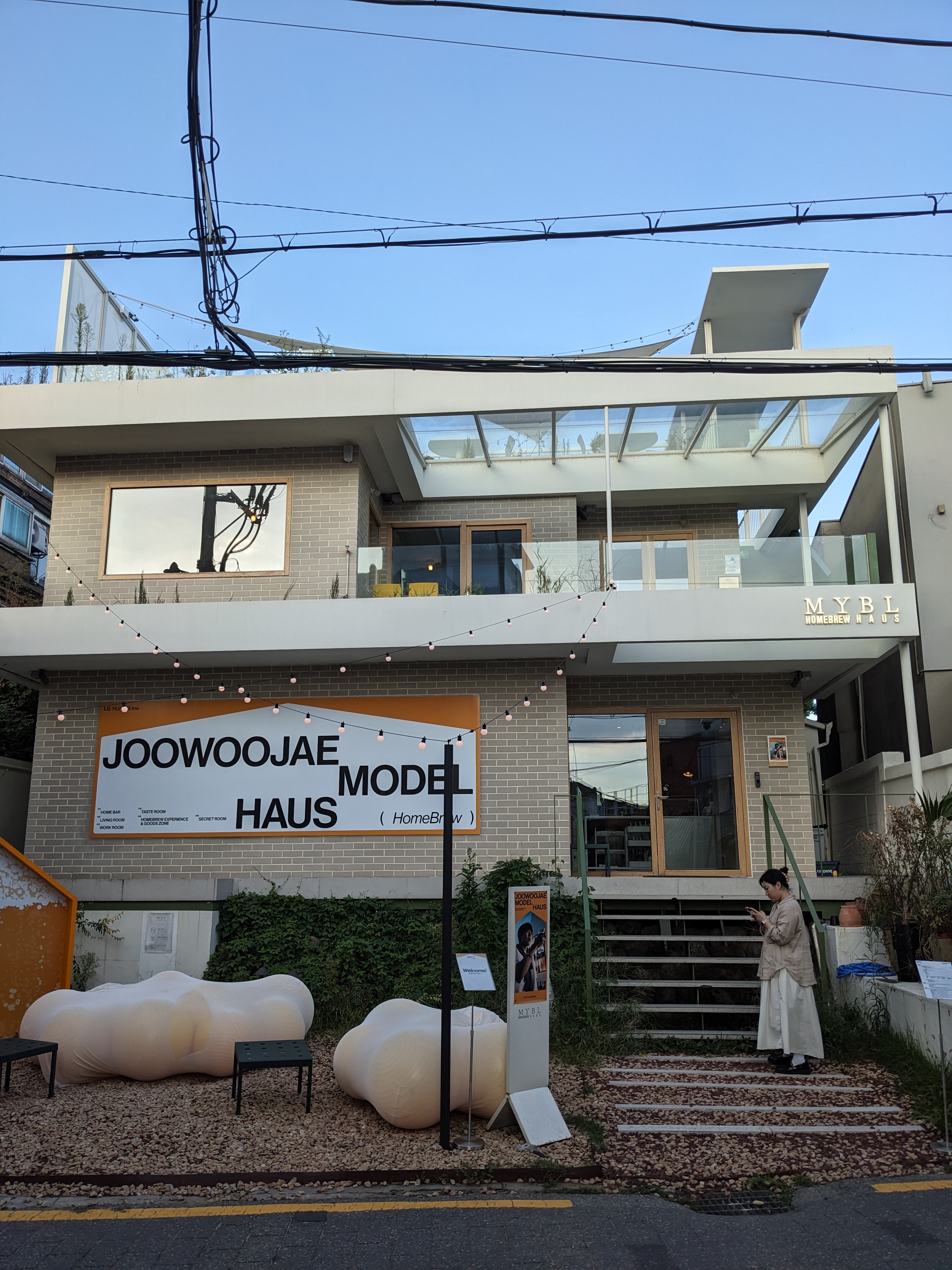
11. Visit the iconic Namsan tower – This is a popular tourist spot and you will mostly spot foreigners. We are usually not fond of touristy spots but this place gives you a good view of Seoul city. Ascend to the Namsan tower with a 45 mins incline walk or quick cable car ride. Ideally reach 30mins before sunset to experience the city transition from day to night. We spent about 2 hrs at the tower and bought fortune cookie which was written in Korean. Try to take the trail walk either while going up or down as the Namsan tower is surrounded by beautiful park called N Seoul park.
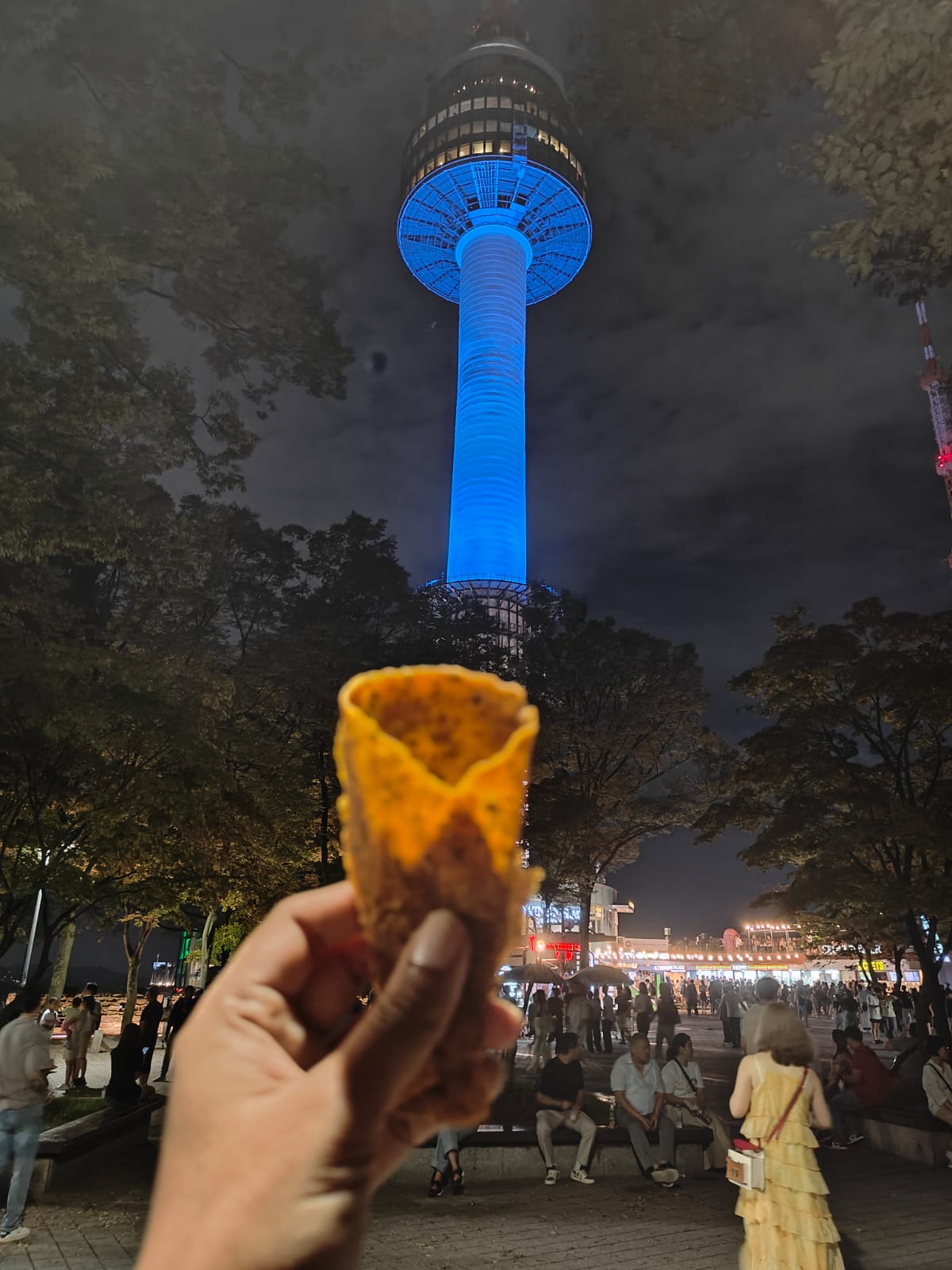
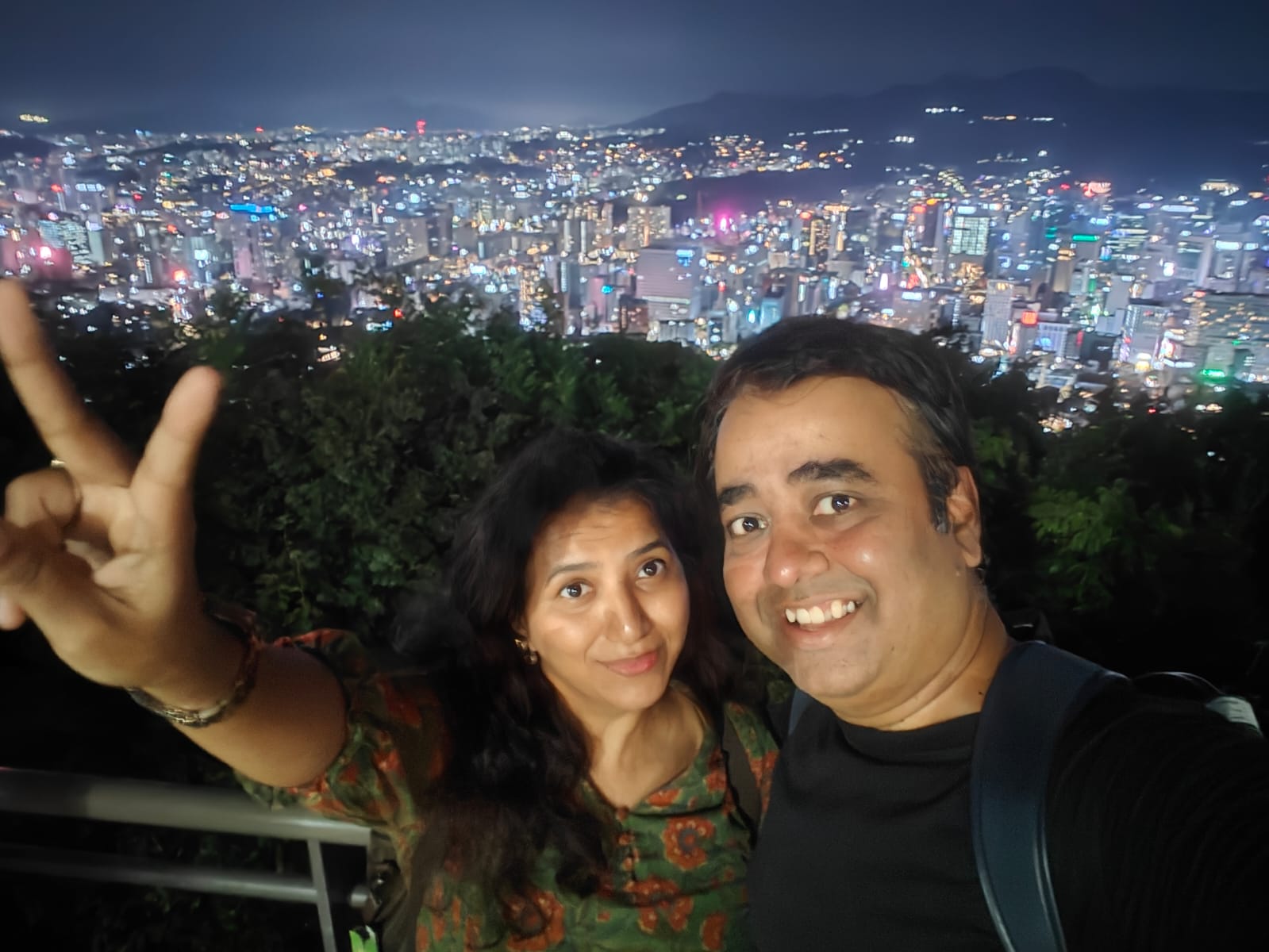
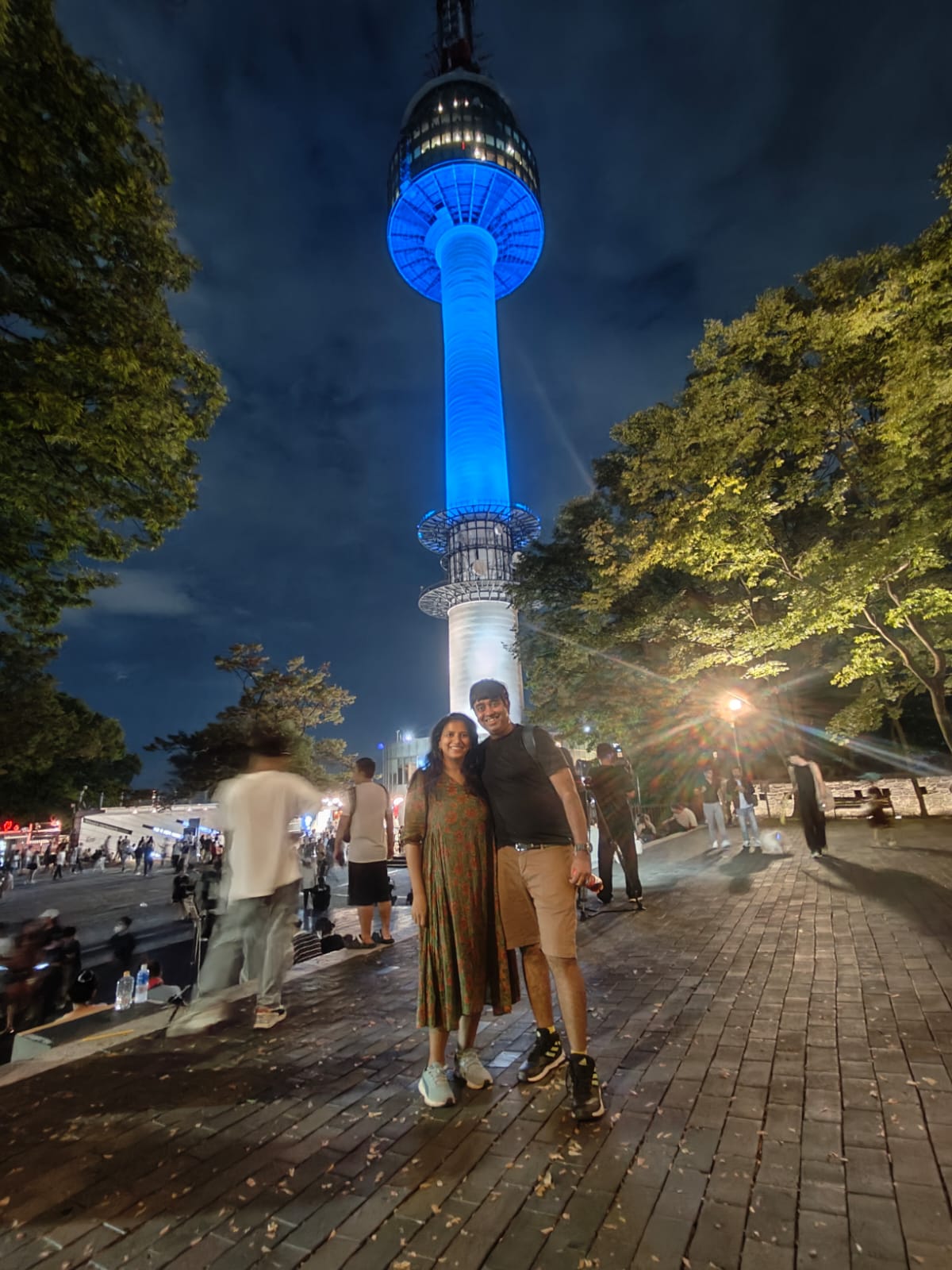
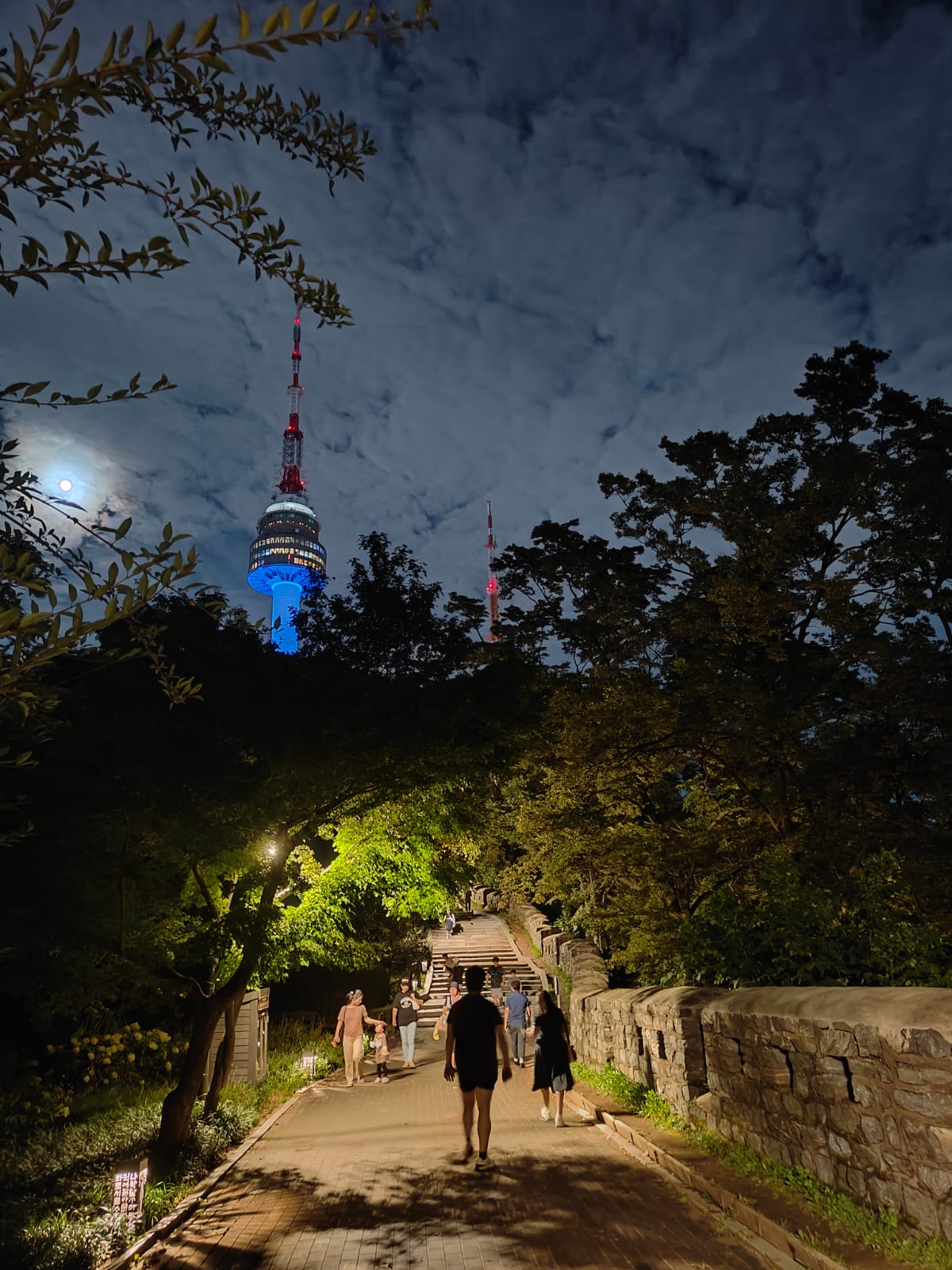
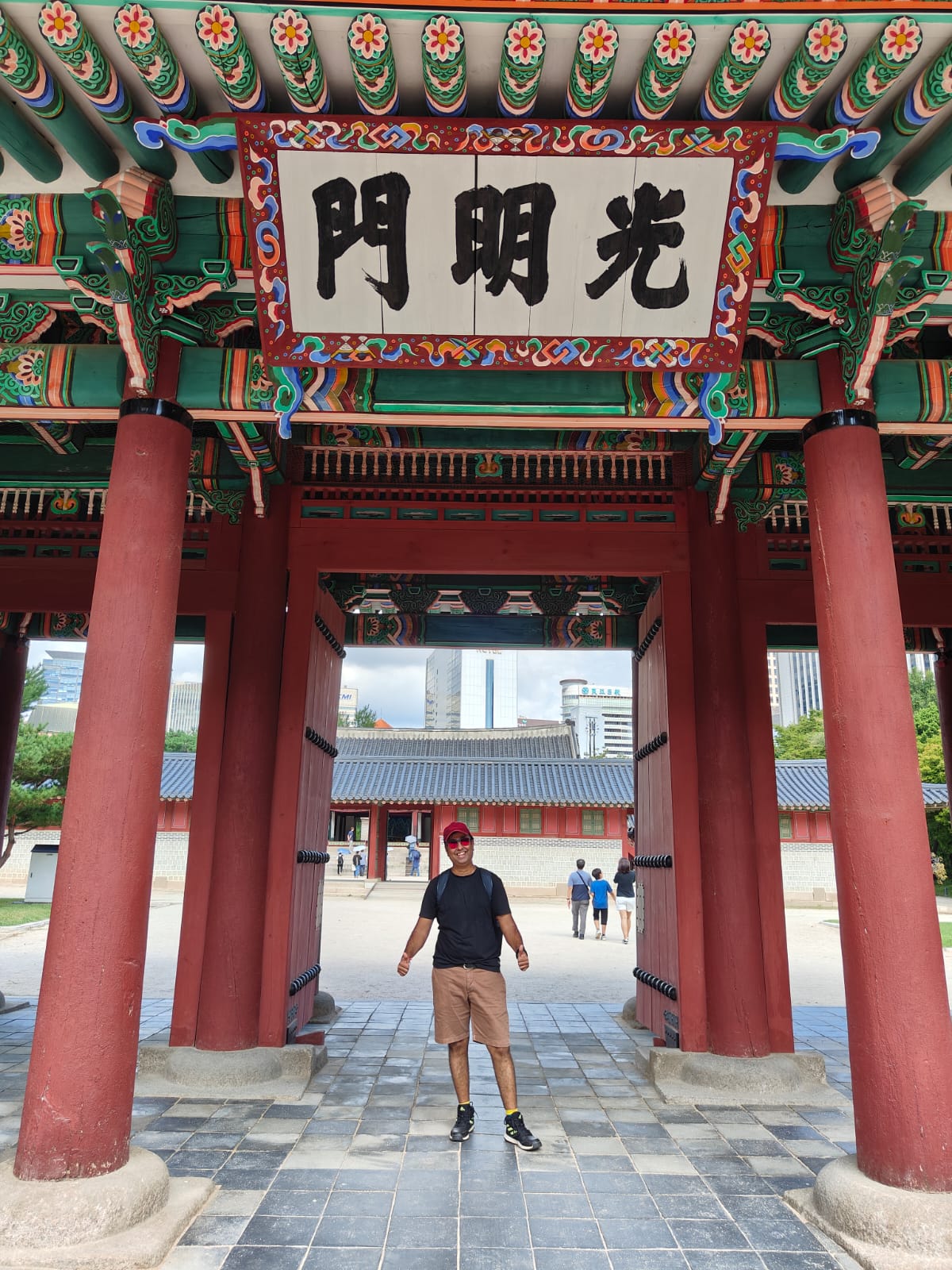
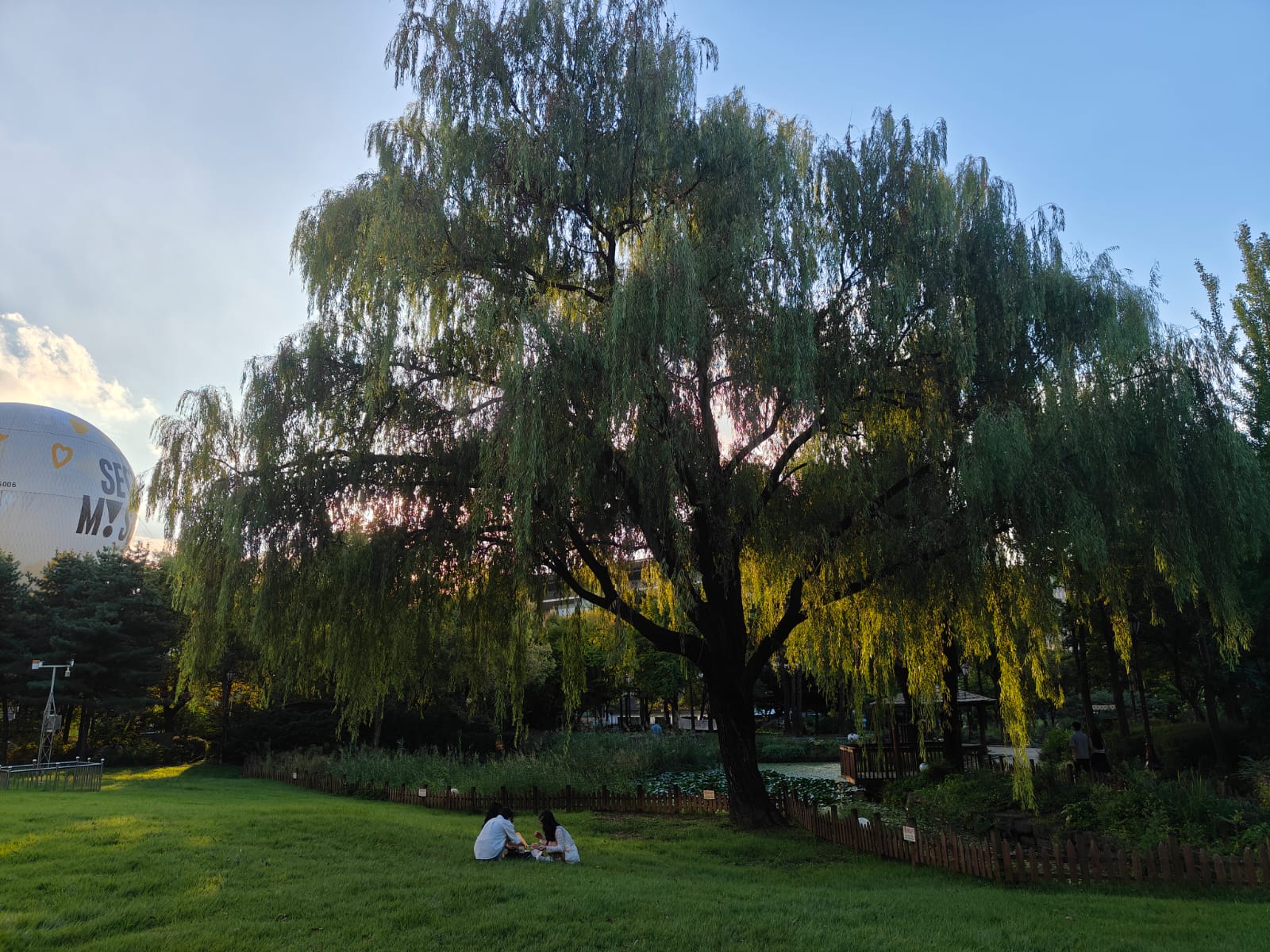
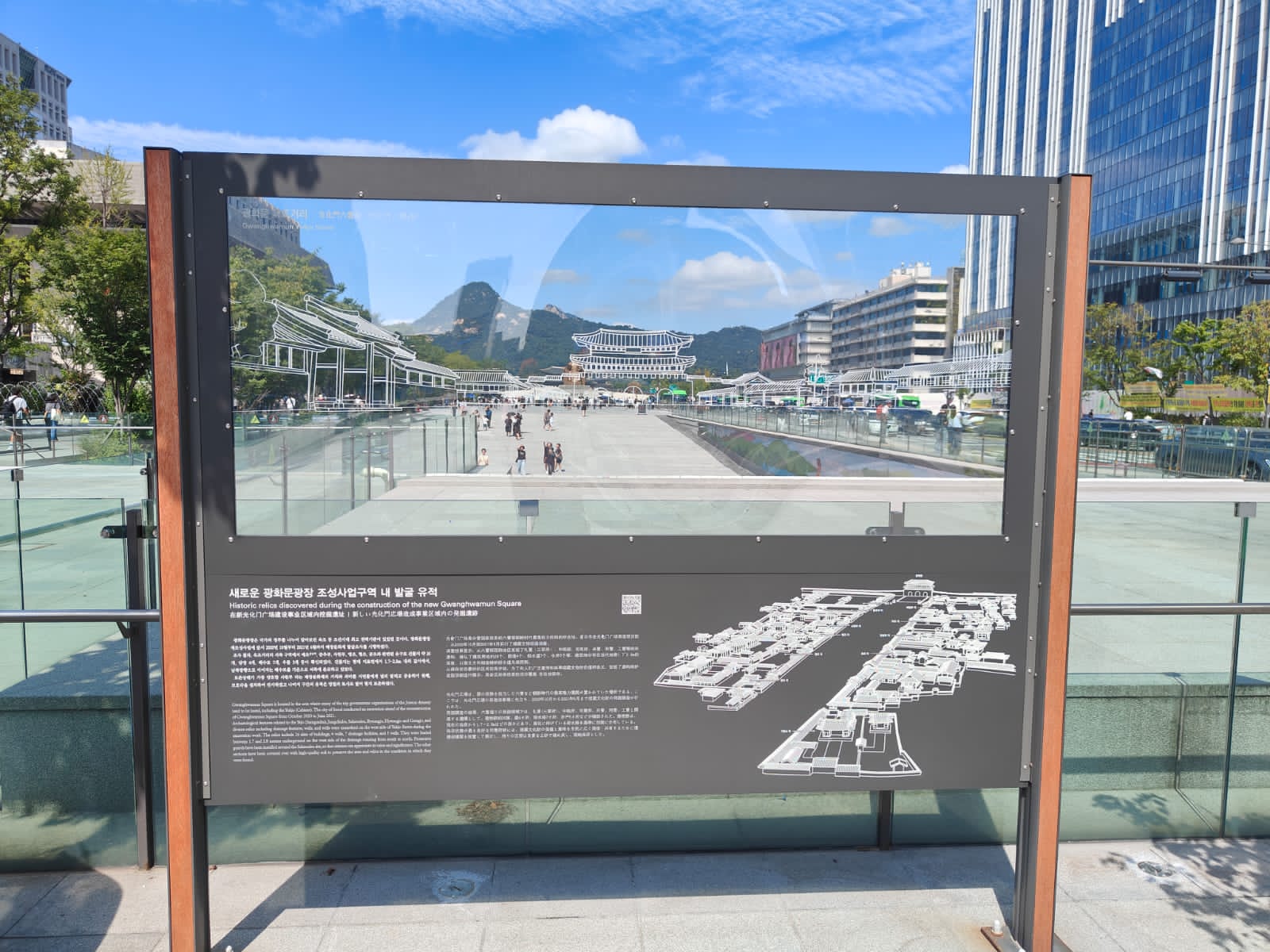
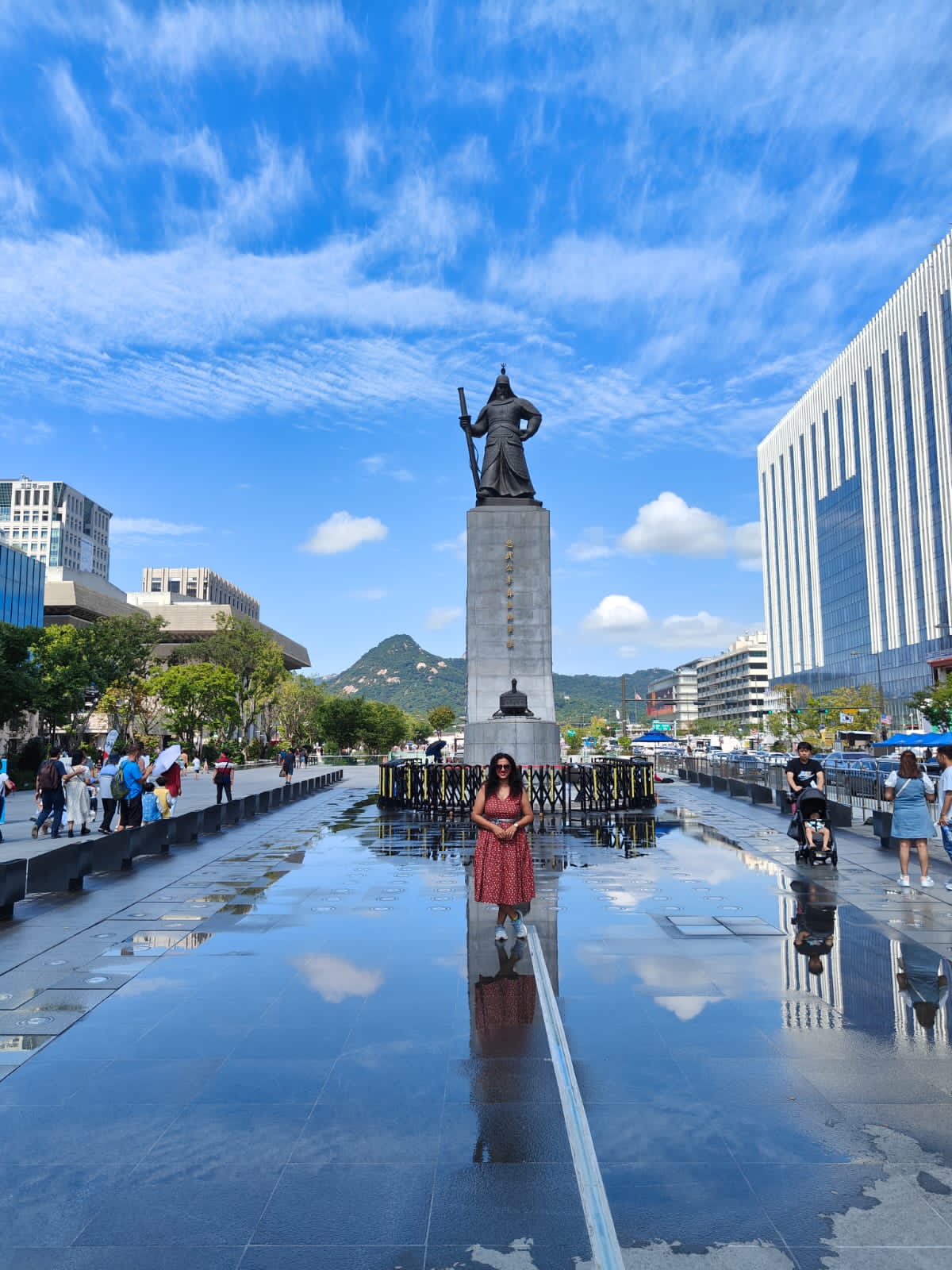
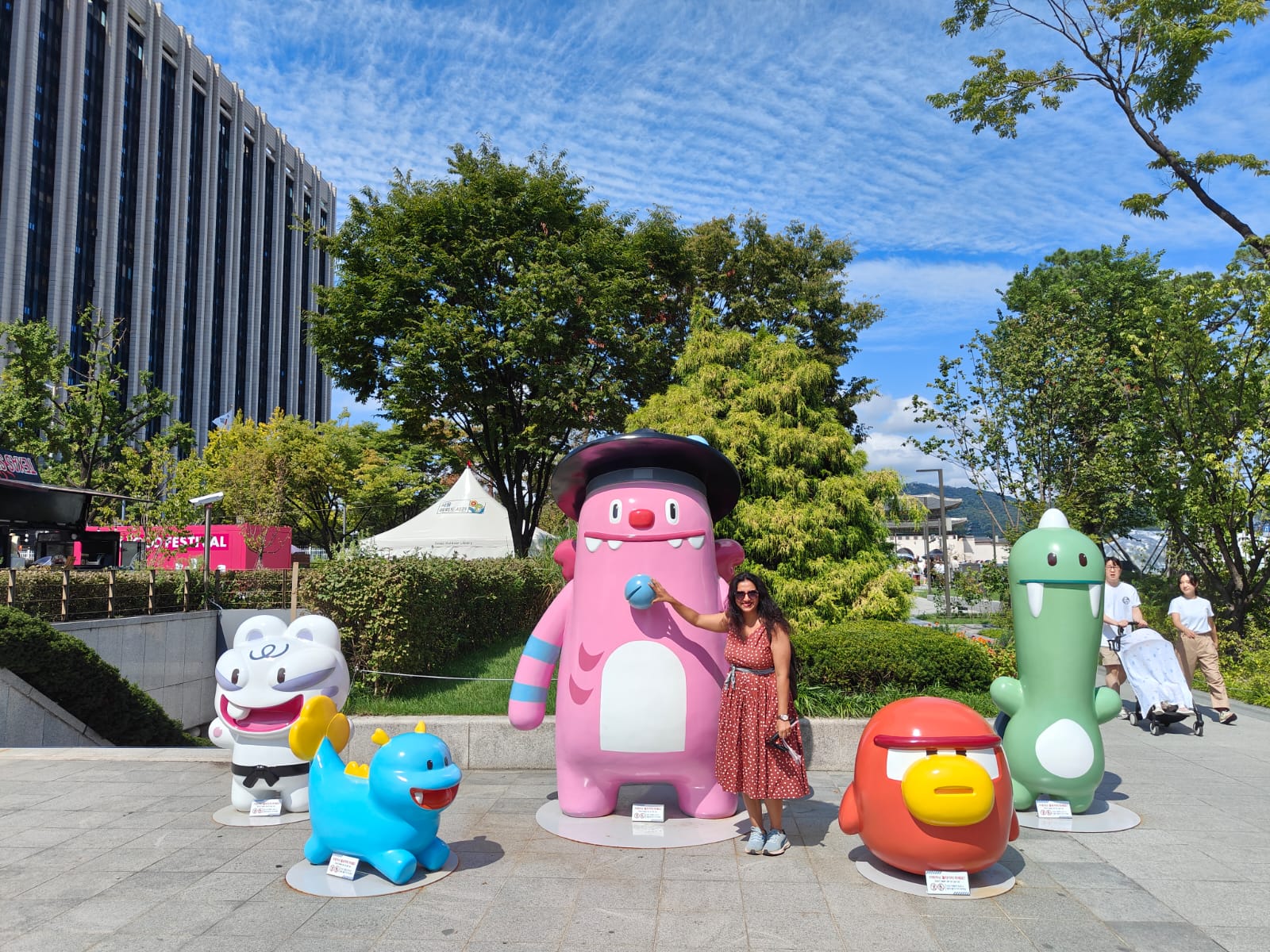
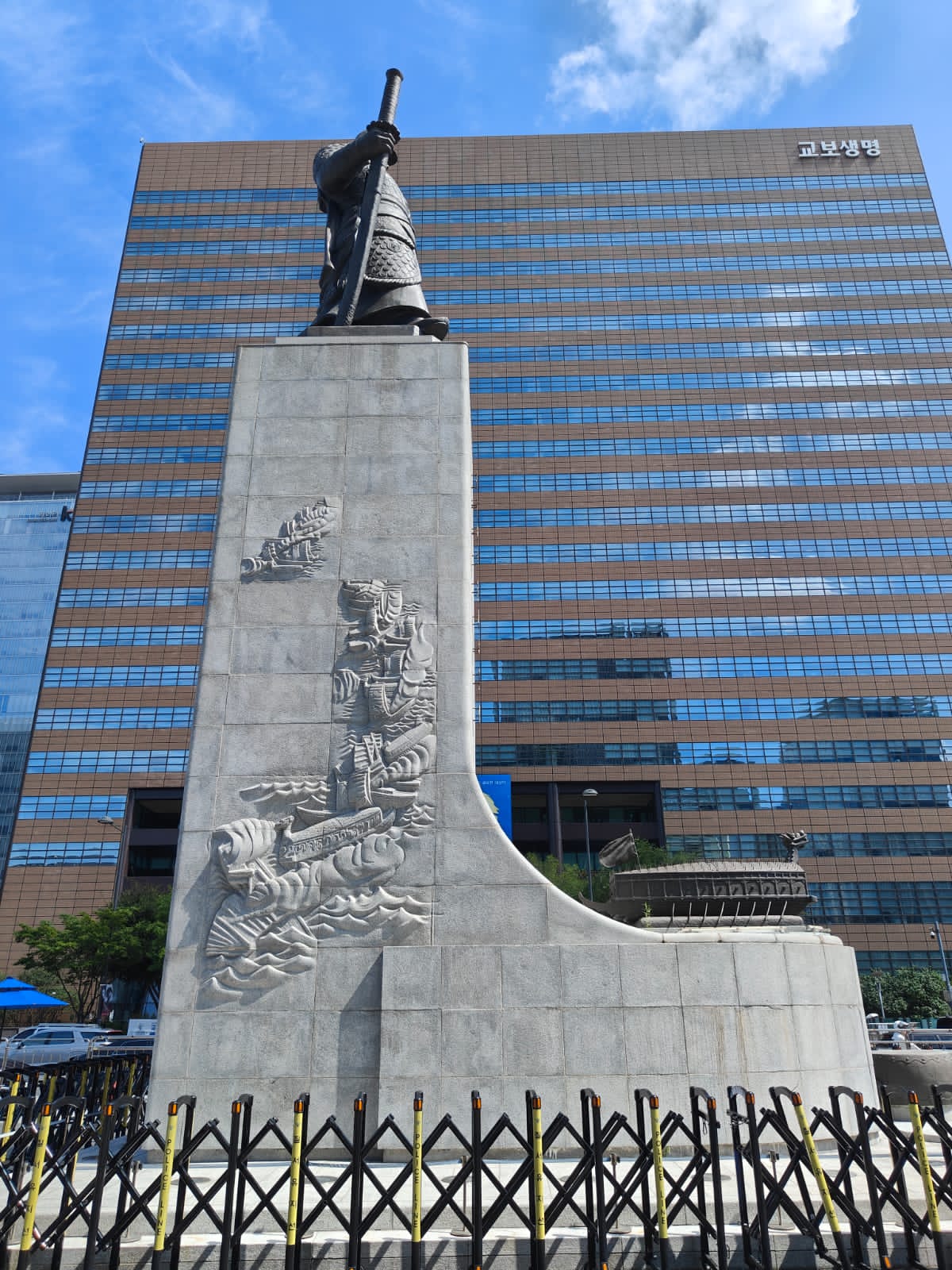
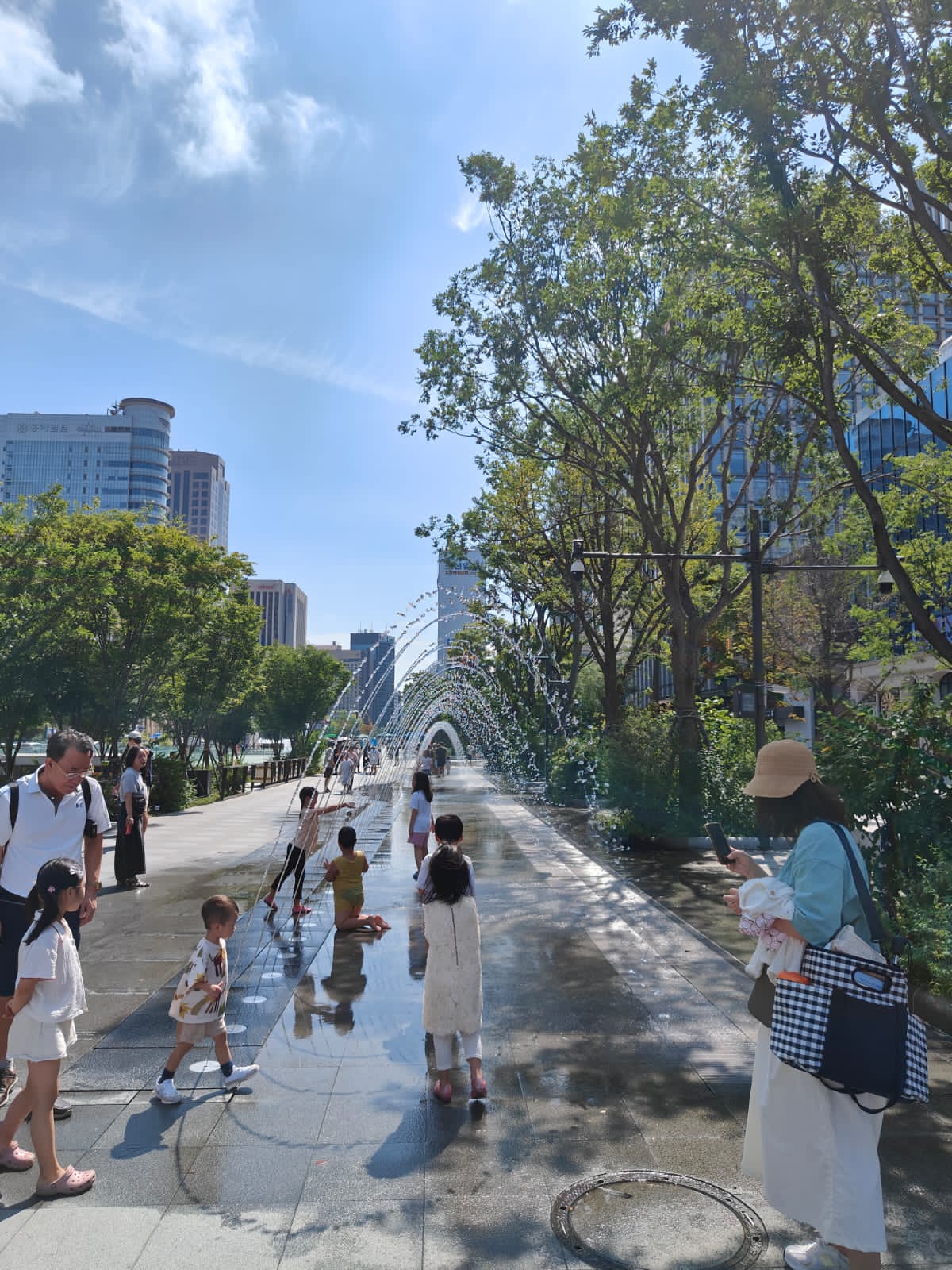
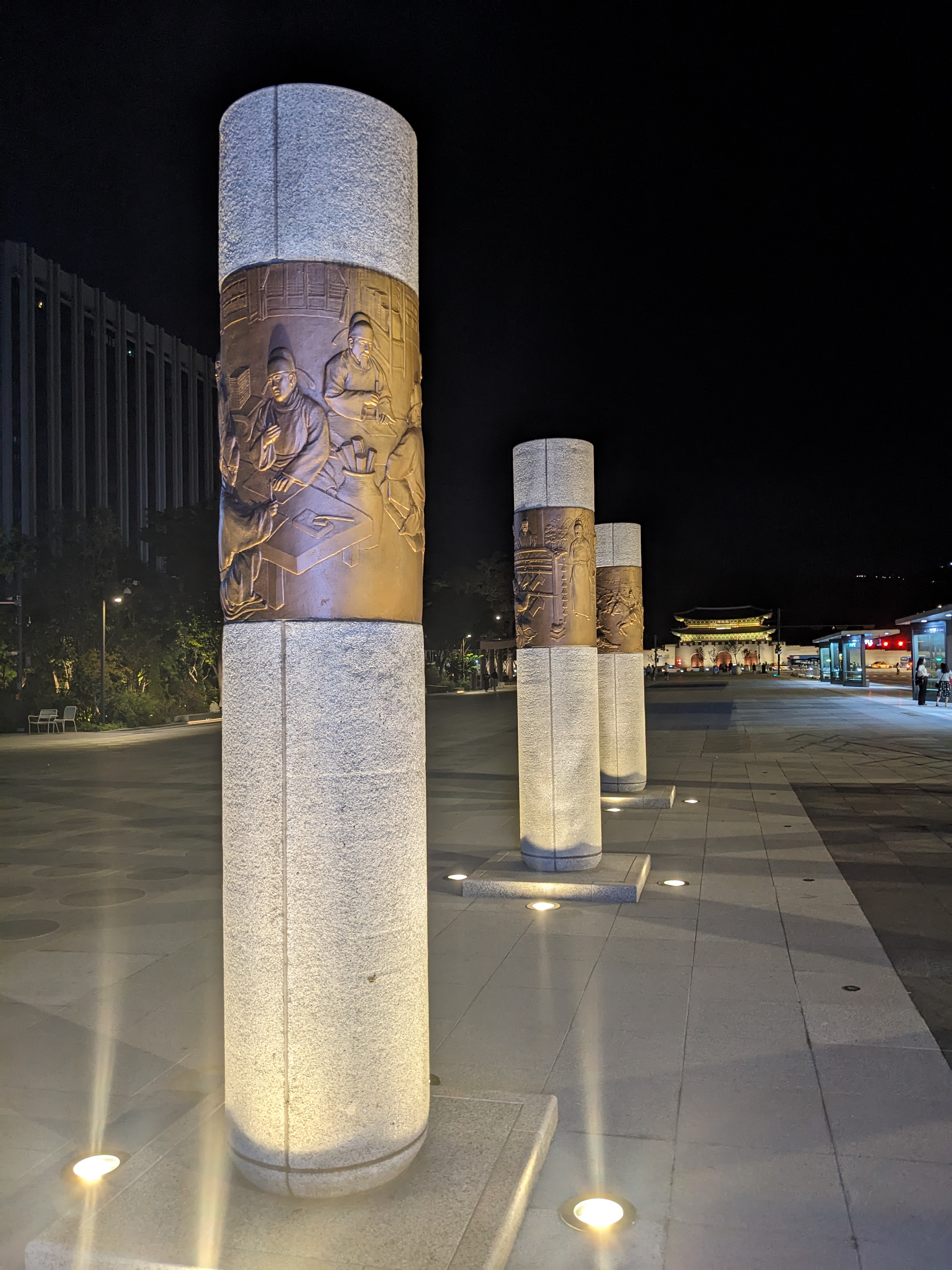
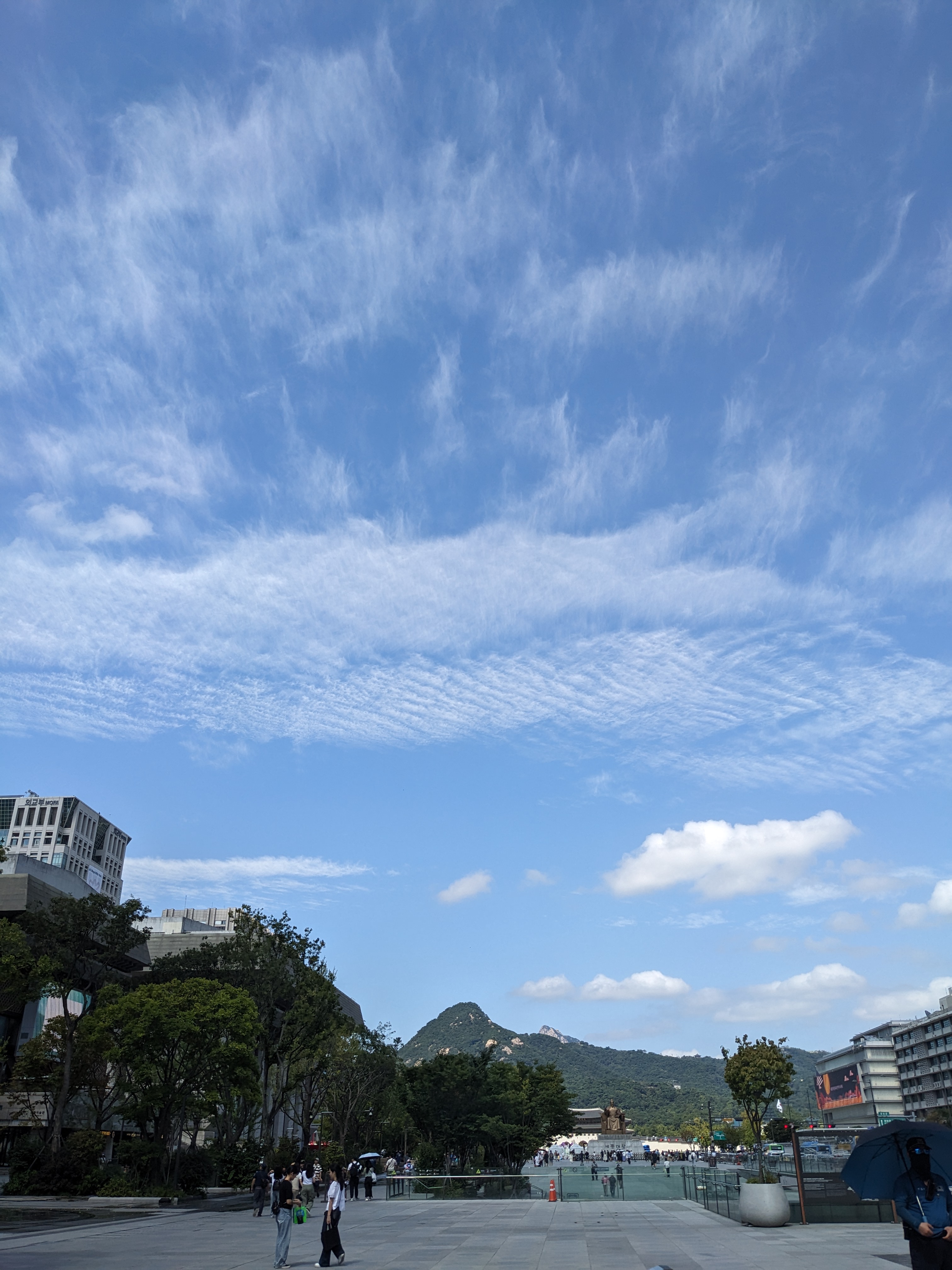
12. Experience the Korean culture at city parks and squares – Seoul has many city parks of which some of the them are on the hilly terrains. One of the reason why Koreans are so fit as they walk a lot and most of the Korea is hilly, which means many steps and inclined roads taken daily. Definitely try visiting Seoul forest Park which is one the best curated dense forrest in Seoul, N Seoul Park is surrounding the Namsan tower and hence its located on a hill, Yeouido Han River Park (여의도한강공원) where you can even camp, Seonyudo Park (선유도공원) located on a small island in the Han river is a hidden gem popular among locals, Haneul Park (하늘공원) has tall pale grass which looks beautiful especially in autumn, Maebongsan (매봉산) has a lovely walkway in the middle of this manmade forrest, and Olympic Park (올림픽공원) where the 1988 Olympics were held and now a park located on a massive 1.4million sq meters. Gwanghwamun Square is really big and has many things to see and do. This square is active with fountains to run from (kids love it), educate on history, and many pop ups that open, reading nook that is functional on select days in open, museums to enjoy from, and list goes on. We lived very close to this square so we walked by this place almost everyday of the 7days that we spent in Seoul.

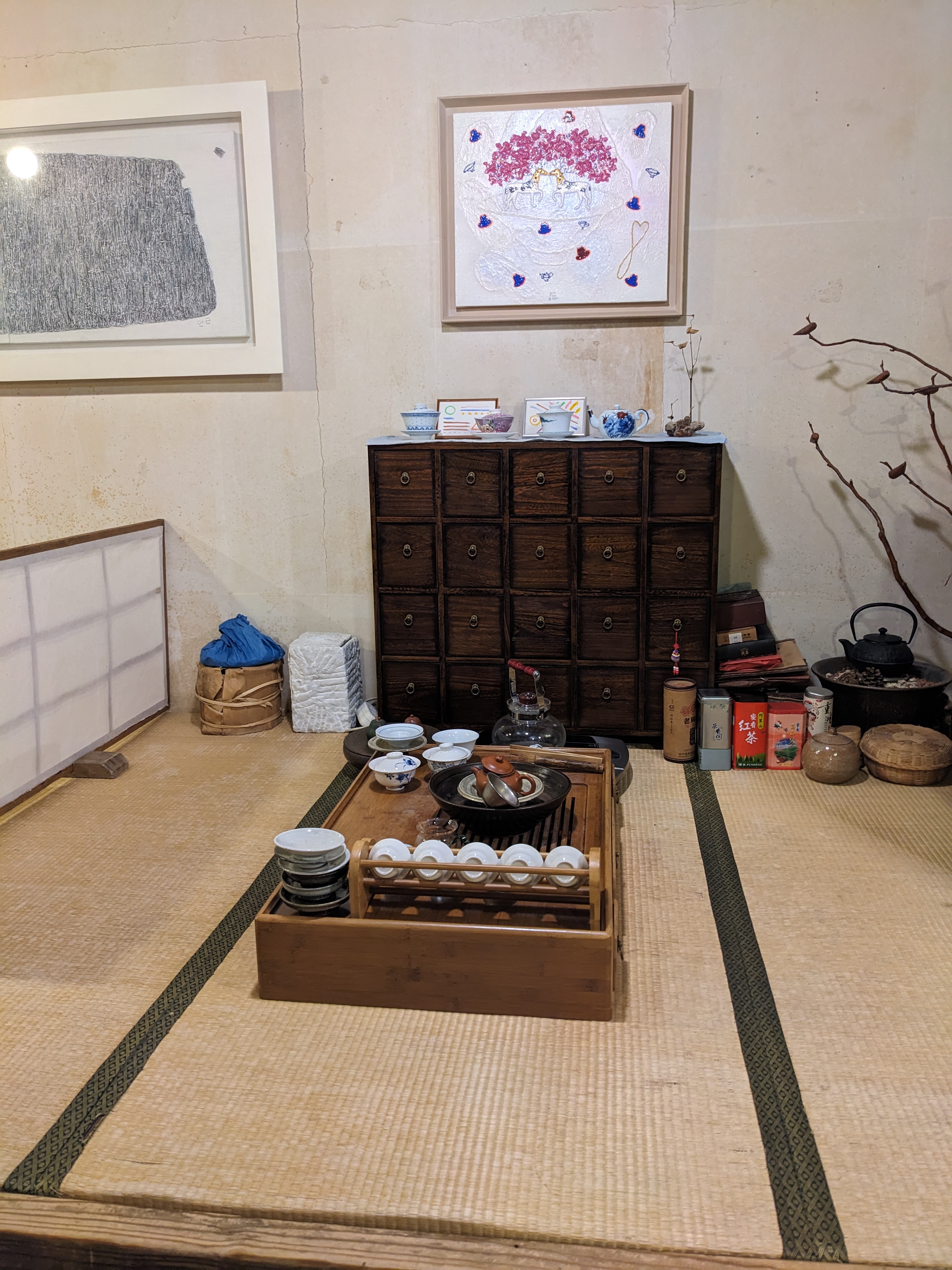
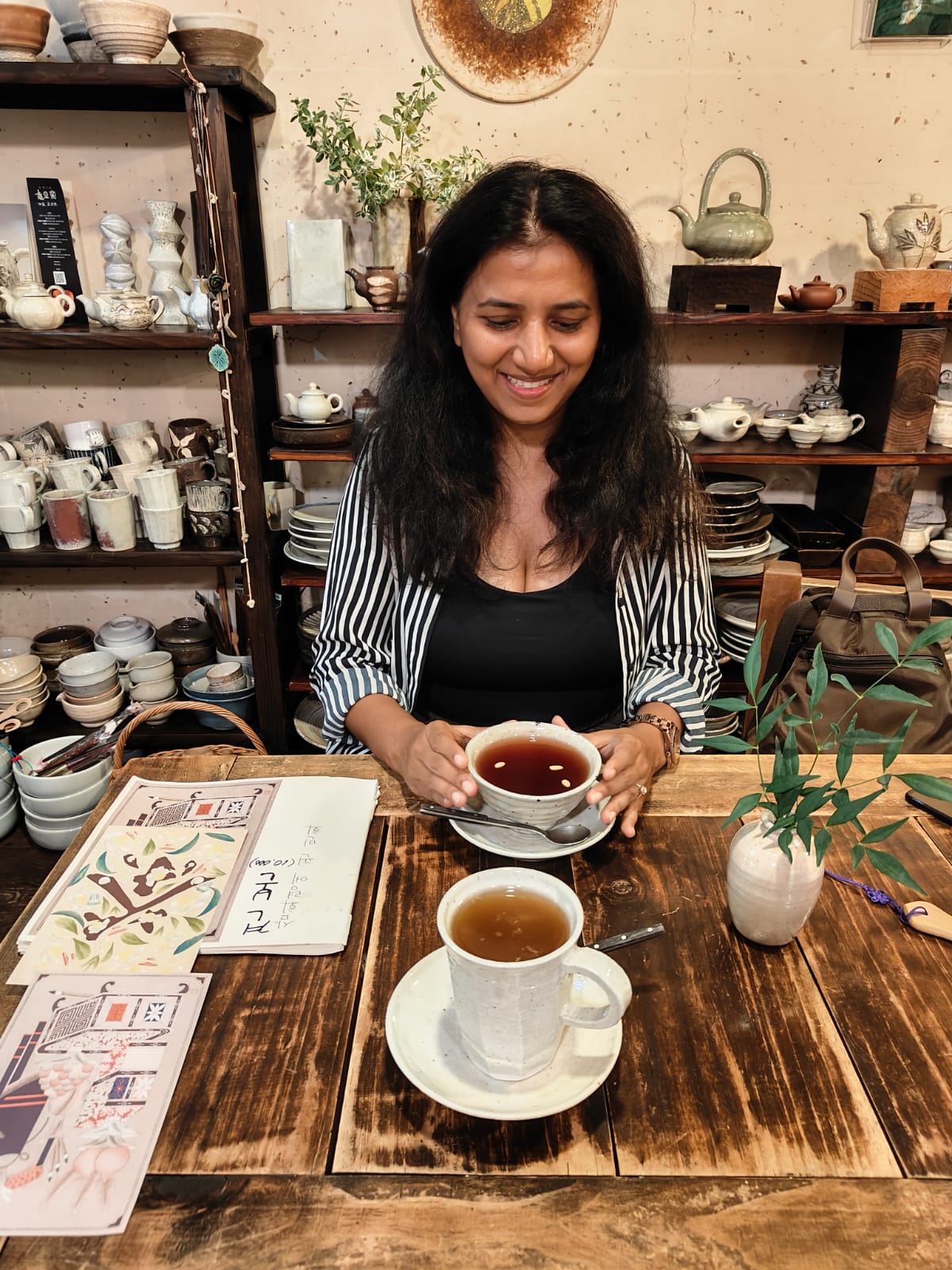
13. Experience a tea ceremony – Tea is a big part of Korean culture like most Asian countries. Its common for Koreans to make tea out of most fruits, flowers, grains, and ofcourse, tea leaves. Definitely try some Korean tea at some of the tea houses such as Jeongtong Dewon to try Yuja Cha, Mokmyeoksanbang restaurant (목멱산방) located on the hill of Namsan tower also serves tea with good view, Tteuran Tea House in Insadong for a some tea in traditional hanok homes. Infact most Hanok villages, traditional markets, shopping areas, and some residential areas will have some kind of tea house.
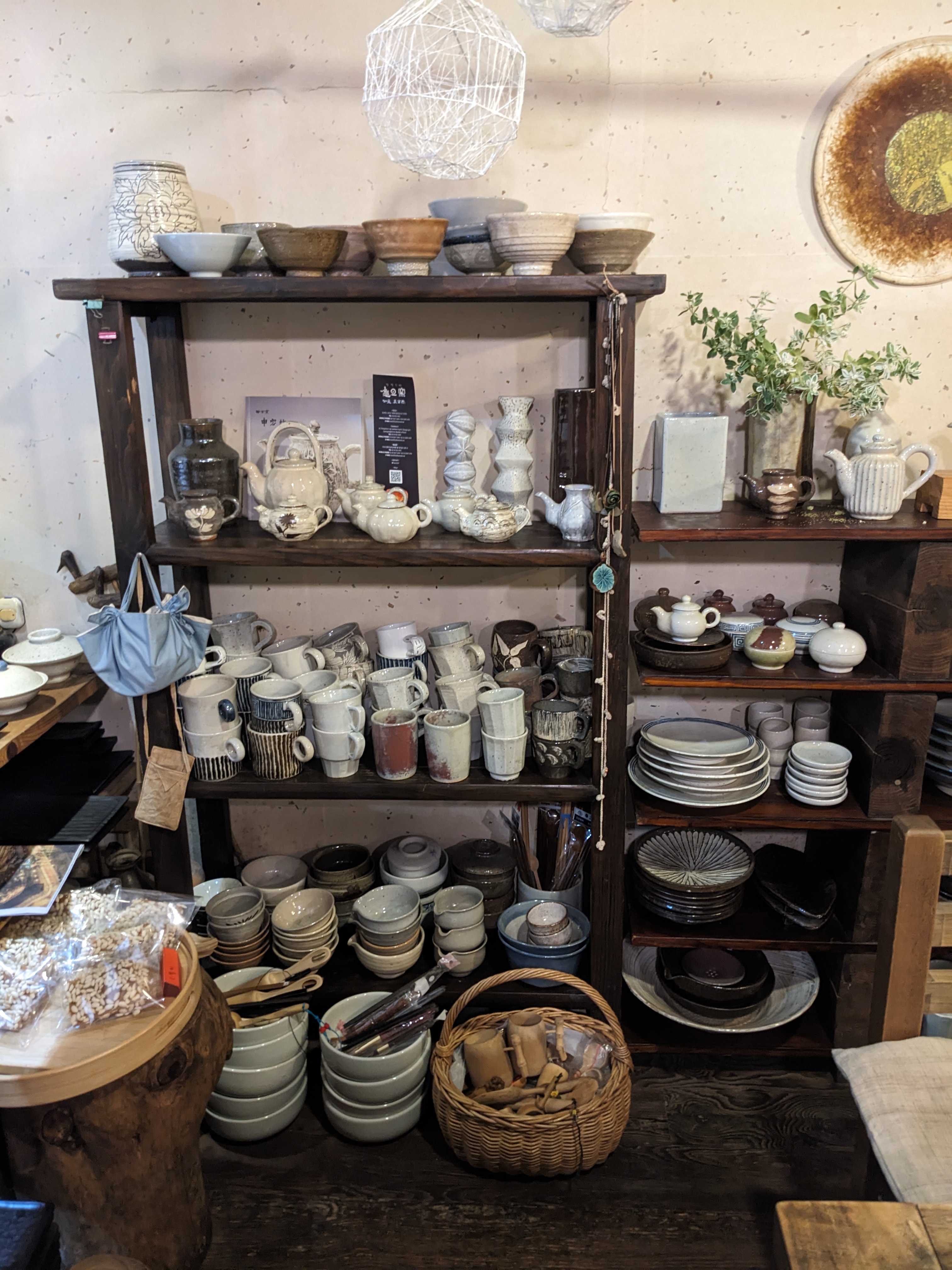
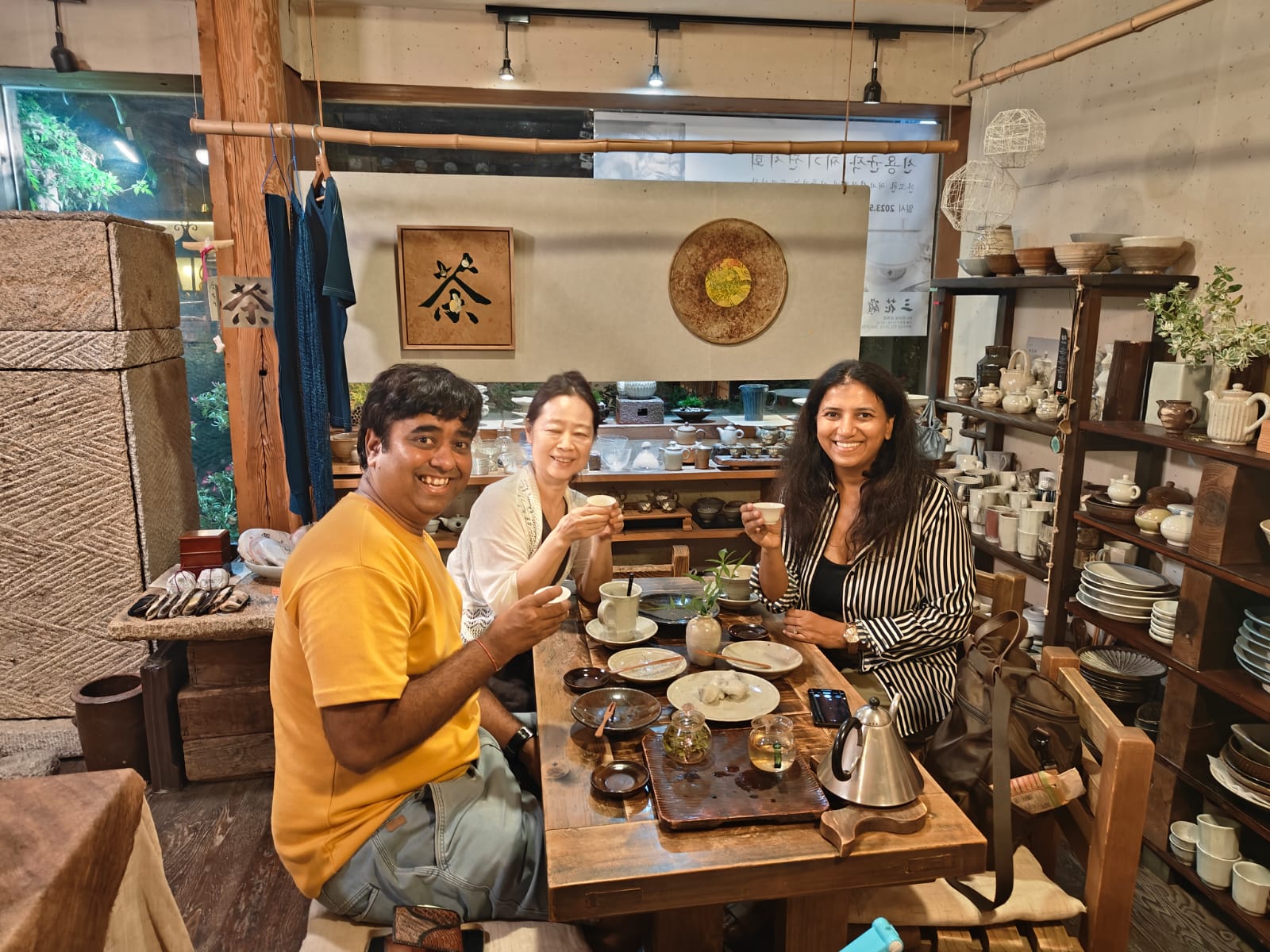
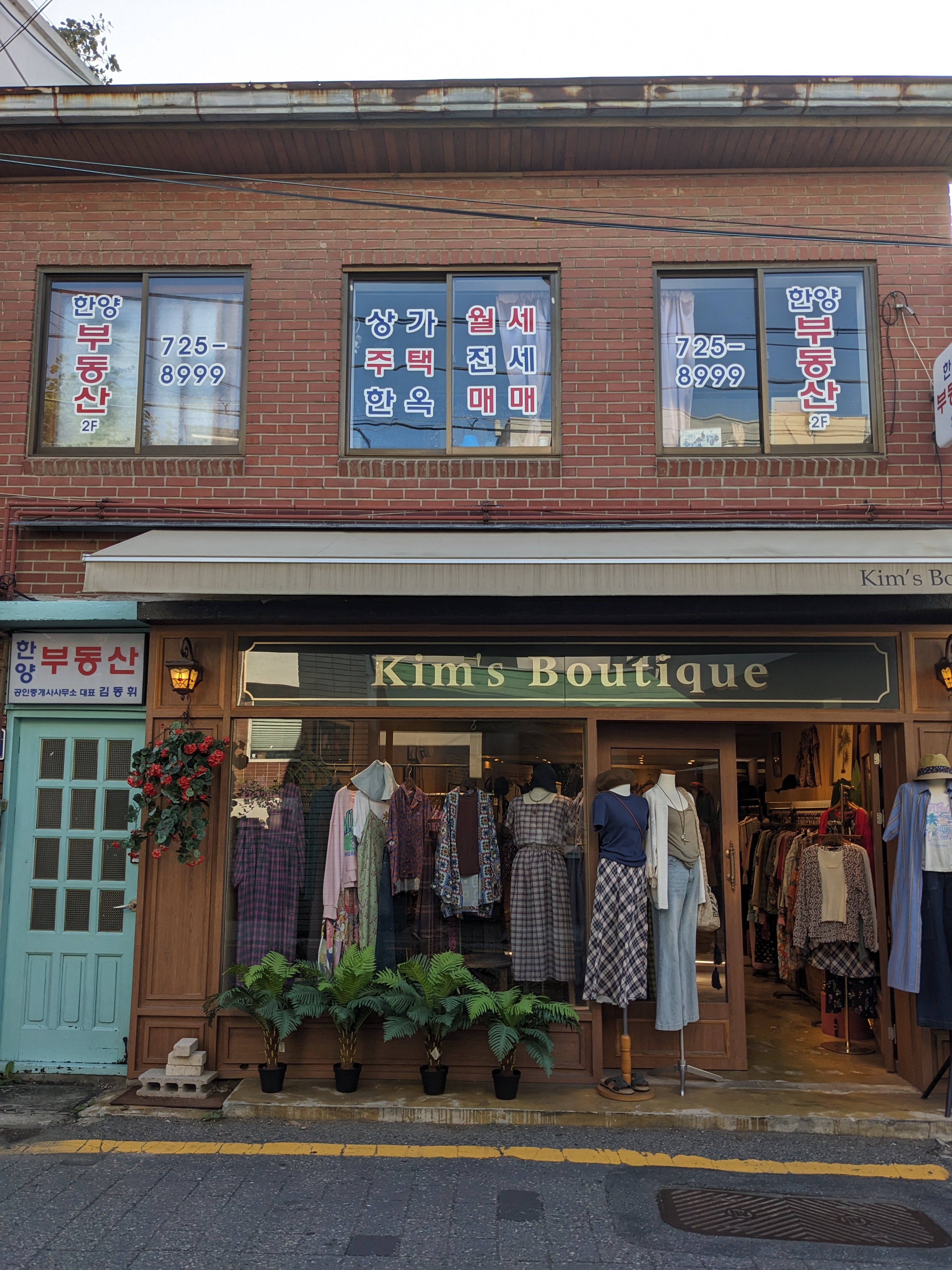
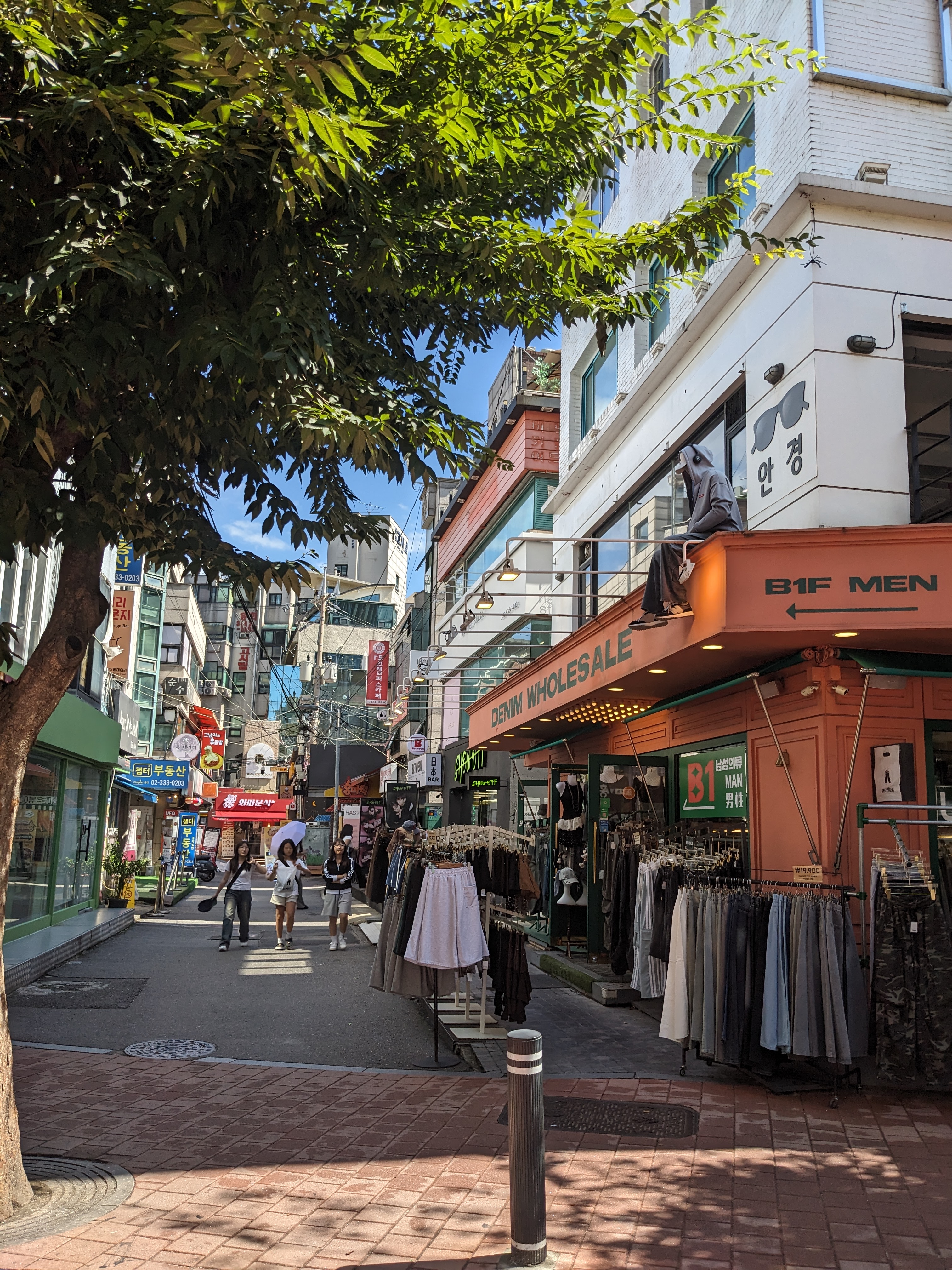
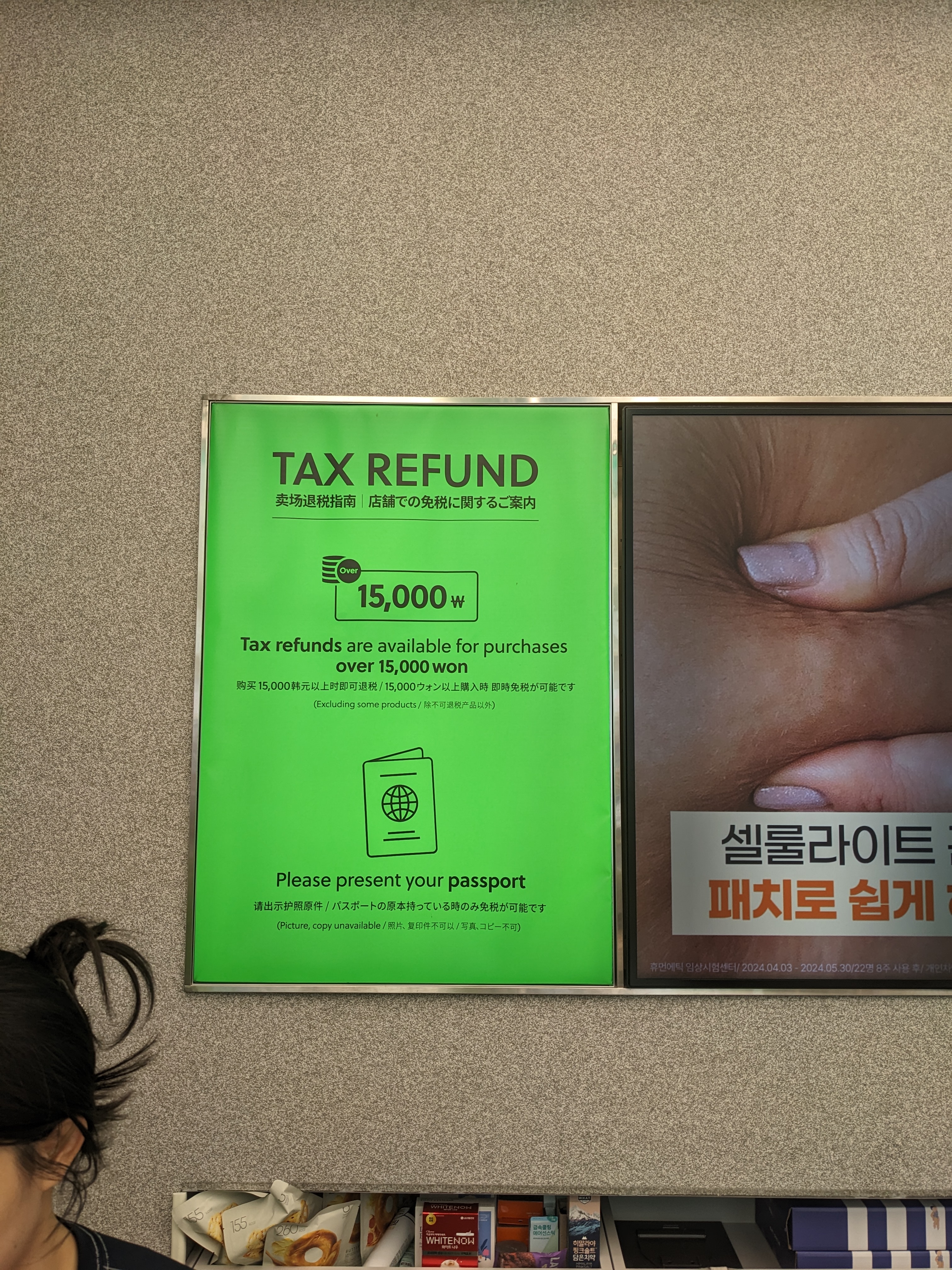
14. Go shopping in local markets – the local markets where mostly locals shop for clothes, shoes, bags, etc. These have decent quality mostly made in Korea but not branded. But before you get high hopes let me share that clothes shopping for female is tough as Korean women have extremely petite figure. So mostly look for size agnostic, shop in mens section or shop loose fit clothes which ensures our plump Indians bodies can easily fit into. Dont shop much at the hanok villages, as the cute looking shops charge way too high. Shopping at most large stores provide tax refund which you can availa at the airport during return flight (check the image below). Here is my take based on my purchase or look around experience:
- Hongdae street – This is a popular youth area and you will see many Seoul youth hanging out due to the nearest Hongik University. This is a lively area with good clothing shops for hipster vibes. Lunch at Boseung hall, a 24hrs restaurant with heavy foot and good food at great price. Since its a youth area, you will see live gigs, tiny pop ups, cute souveniers that are not traditional at all (I bought tiny porceline figurines) and affordable brands. Dont miss the underground stores selling vintage clothes. Look for shop called M playground that sells clothes by kilo.
- Dongdaemun Night Market (동대문 야시장) – is one of the best spots to visit at night in Seoul for fashion & food. There are thousands of shops and dozens of shopping malls as it’s one of the largest venues in Korea. Sunday closed.
- Ttukseom flea market – This is popular local market to shop quirks but unfortunately it was closed during Chuseok festival i.e. when we visited. So try this market and tell us. But I gather its a fun place for locals, espcially youth.
- Sewoon plaza – has shops that sell antique & old electronics like karoke machine, radio, camera, etc. Mostly locals shop here and I recommend visit this place as it has a unique character to it.
- Ssamjigil shopping center – in Insadong sells souveniers, has nice cafes & restaurants. Sip Tea in traditional tea house such as Jeongtong Dewon and try Yuja Cha (7000 KRW).
- Pyeonghwa fashion plaza – This is nice shopping market tucked cozyly between landmarks such as Dongdaemun design plaza & office district. Its a nice place frequented by locals mainly and I highly recommend them. This place had no bargain policy and I could spot many Korean aunties dressed up in cheap blazers trying to look uber.

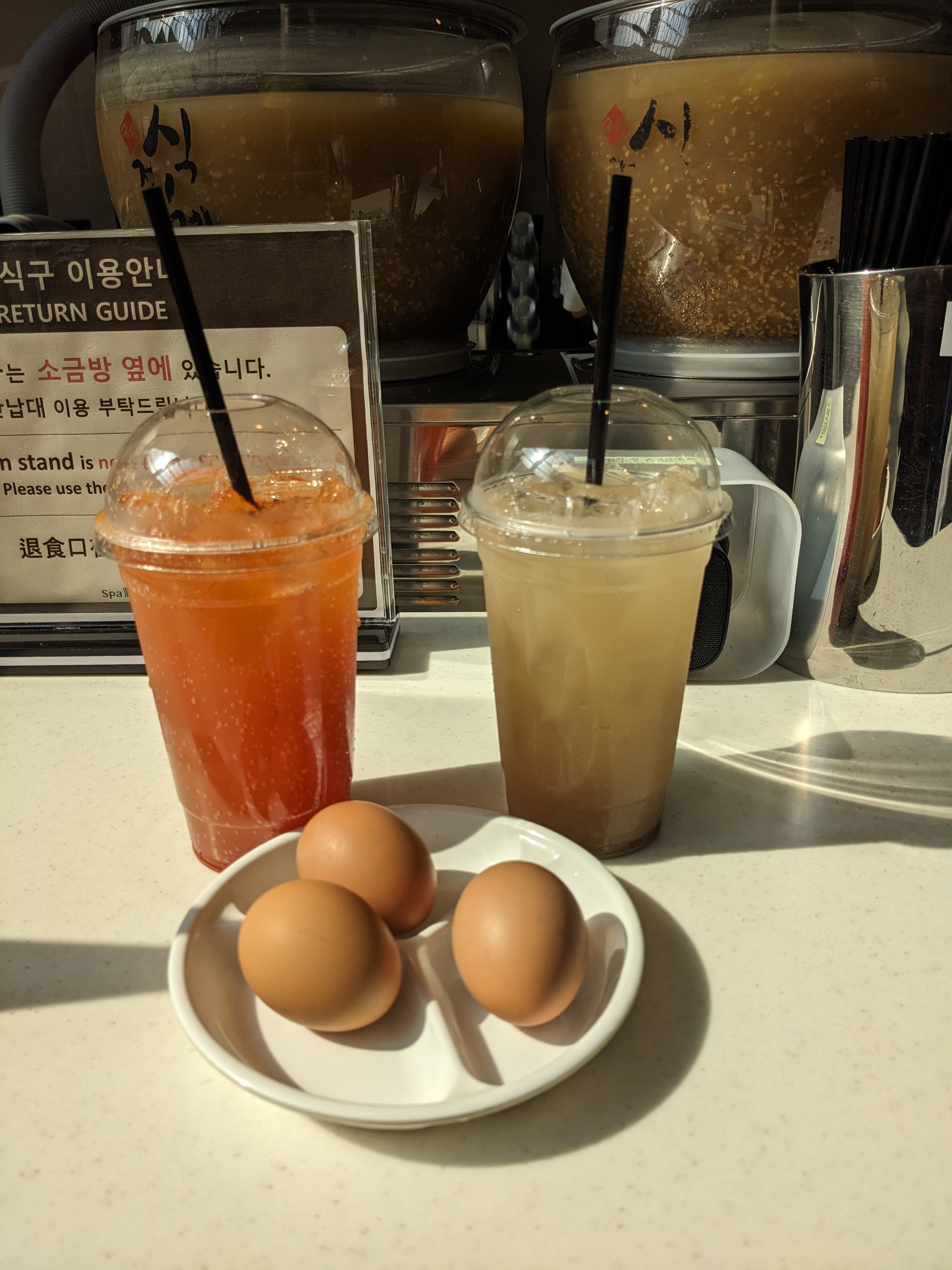
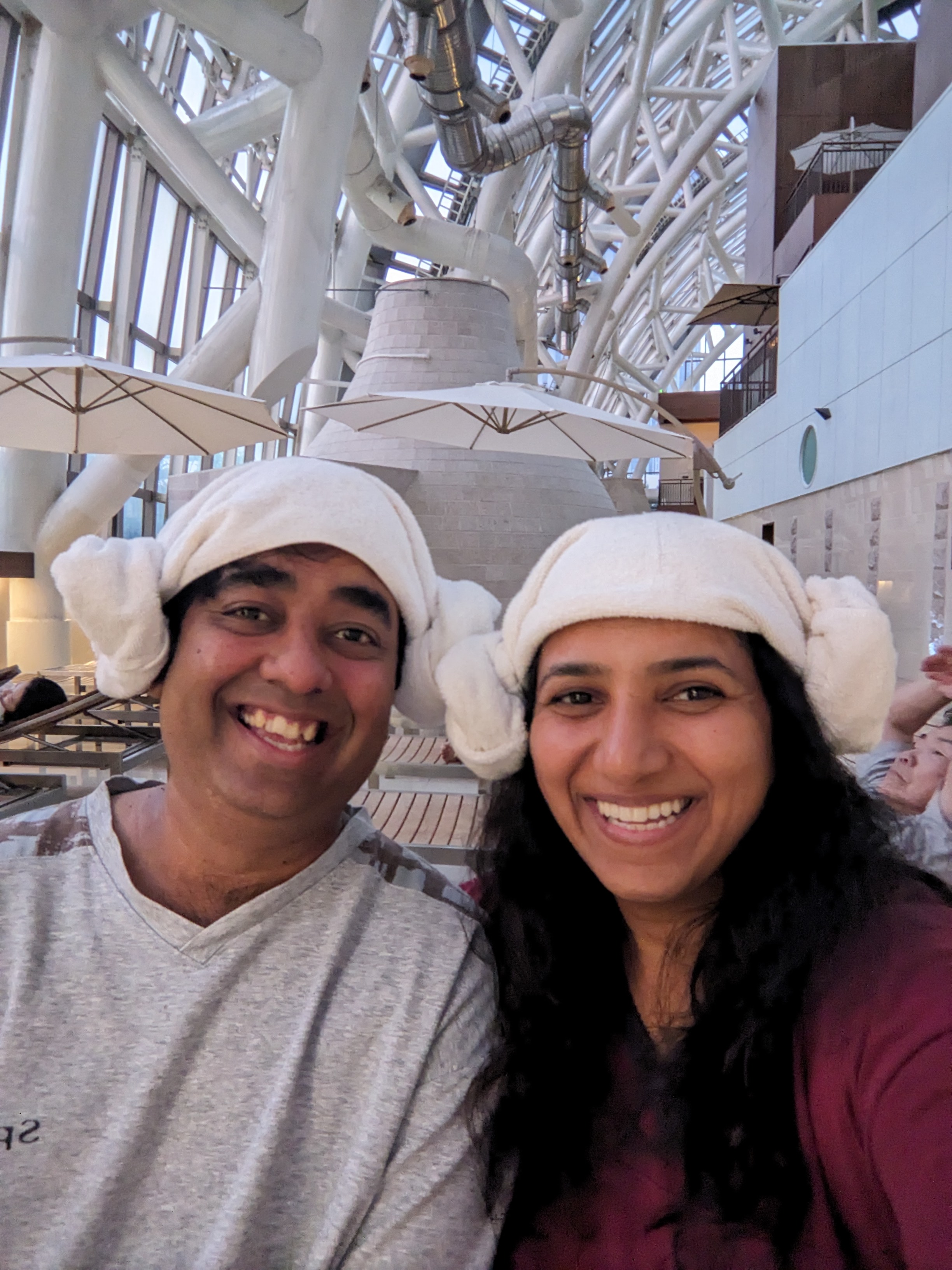
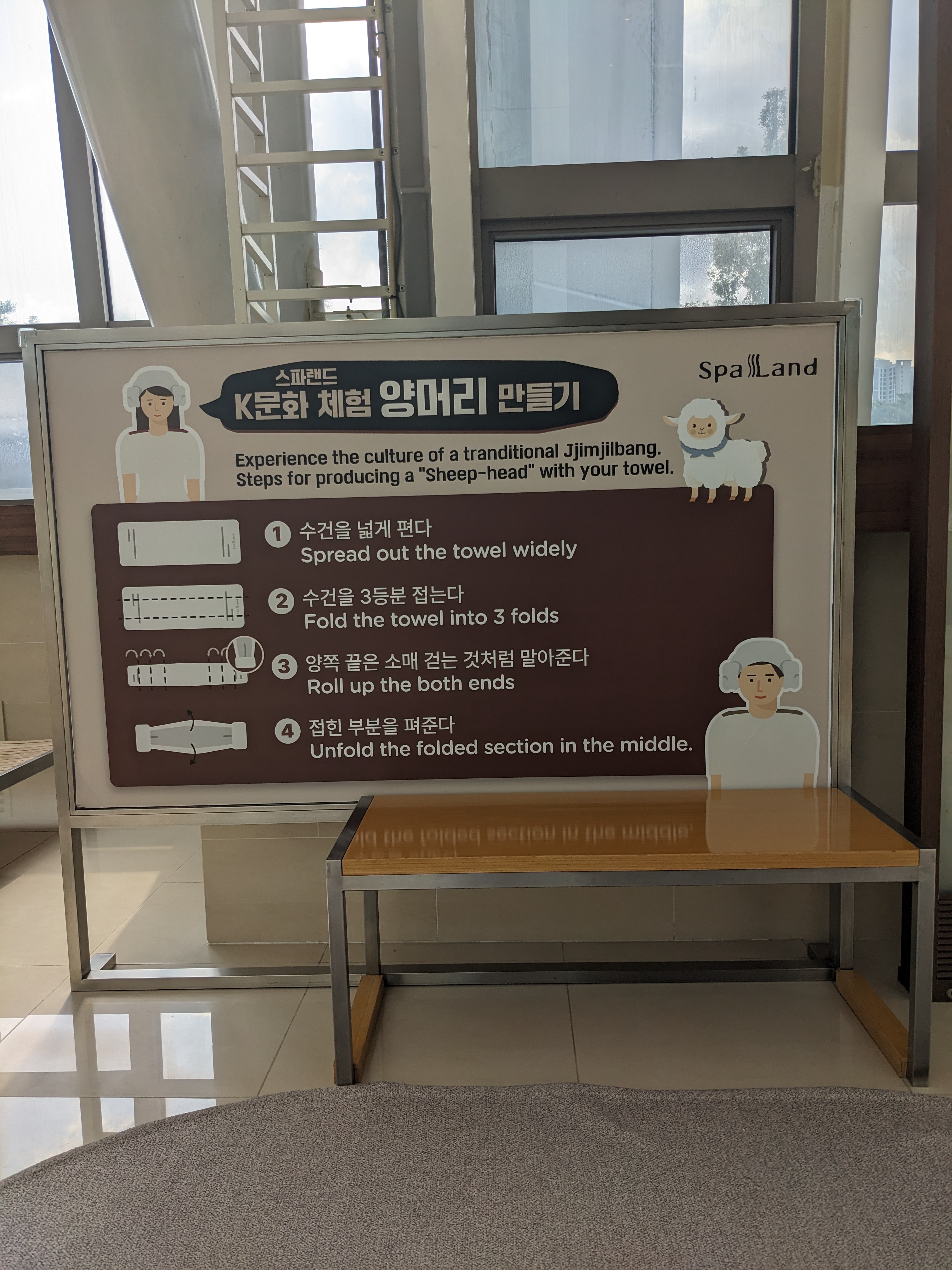
15. Experience a traditional Korean sauna (Jjimjilbang) – Jjimjilbangs are Korean dry sauna that mainly has common jacuzi tubs, open shower areas (its an experience to be bathing buck naked in front of everyone – ofcourse men & women have different section), pods with different heat temperature (that you can bare), exfoliation given by a local masseuse, may have hand & foot, and may have full body massage (with oil or cream). The jjimjilbangs charge you a set cost for some hours that you can spend and then for any additional cost you pay additional. A small bracelet device is given which is used to account all the services used by you in the Jjimjilbang (except for jacuzi & heat pods). As per some Kdrama, locals when dont have space to live, they spend even a night at these Jjimjilbangs. Some of these Jjimjilbang needs pre-booking but in most you can do a walk-in. You can try Insadong Spa & sauna is a classic Jjimjilbang, Samho Gungjeon Sauna is another good place to get Korean sauna experience, Bulgama Sauna is a 24hrs options, and Spa Lei is a modern take on sauna which makes it more foreigner friendly. We experienced the traditional sauna in Busan at one of the biggest korean sauna in South Korea and I highly recommend this spa if you are going Busan.
Other things to do:
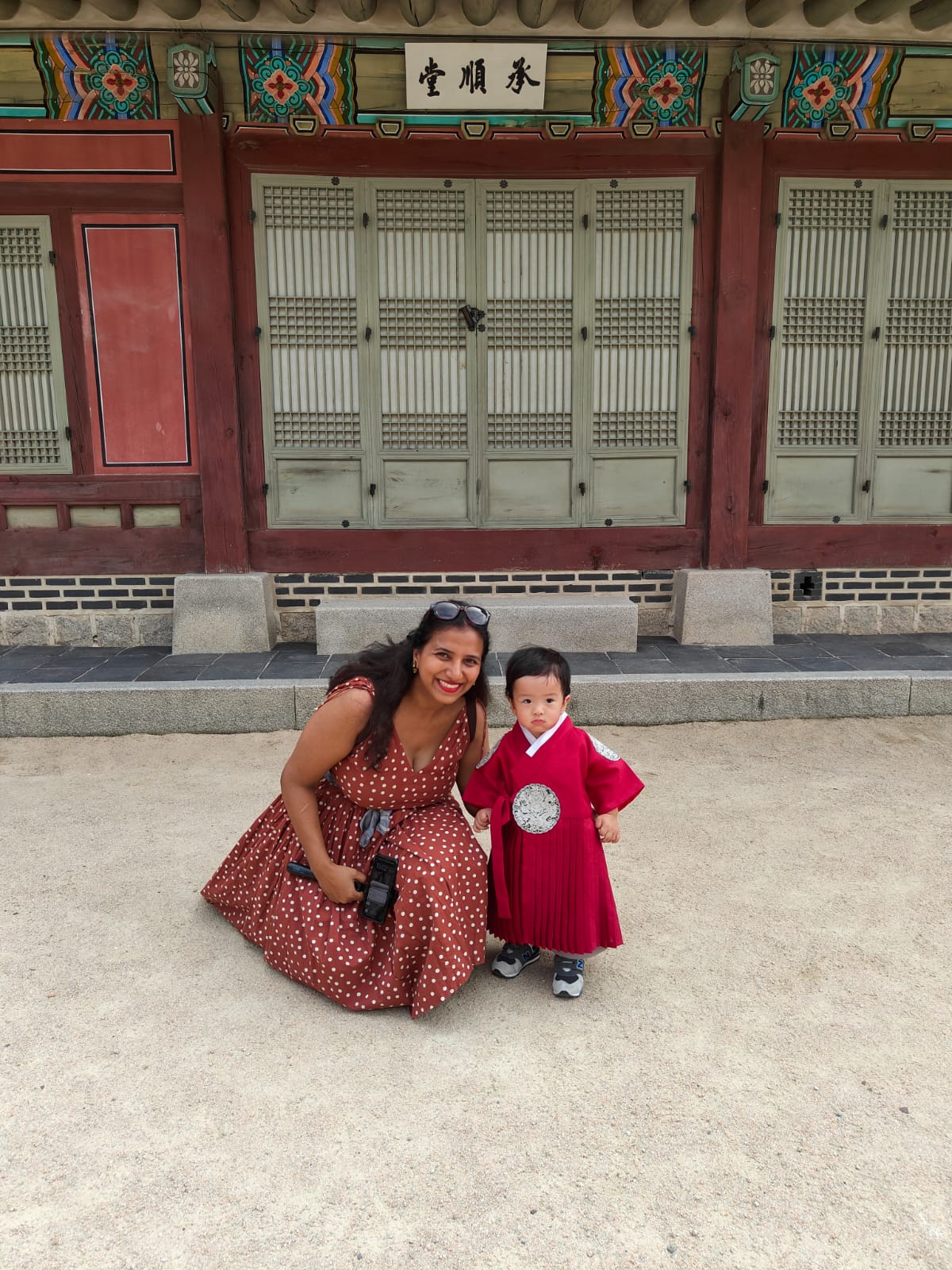
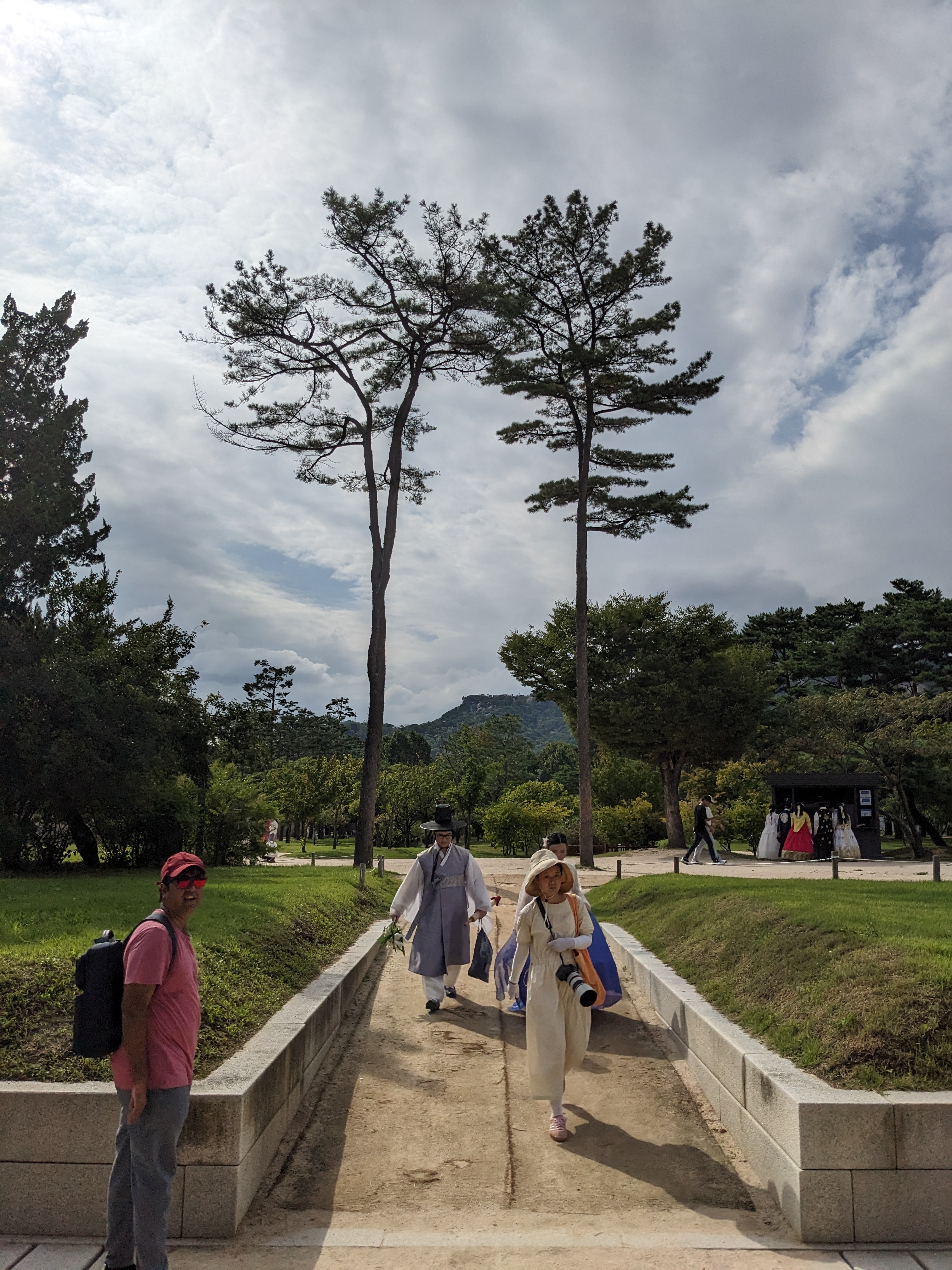
16. Wear traditional Korean attire – Most palaces have a traditional attire shop near the entrances and you get free entry if you are wearing traditional clothes. Its a favourite thing to do for most tourists which you can capture through a professional photographer as well in the palaces.
17. Check our Seoul sky observatory (서울스카이) – As of now, Seoul sky tower is 3rd highest in world with a complete glass observatory. There is an observatory deck located next to the Lotte world, there are multiple floors for viewing from the 117th to the 120th floor.
18. Visit a Korean museum – National Museum of Korea (국립중앙박물관) which also has a substantial park and pond with relics beautiful in all seasons has both free & paid exhibitions round the year. Alternately the Leeum Samsung Museum (삼성미술관 리움) is both architecturally stunning and always has some amazing exhibitions to check out. It’s in the easy to visit area of Hannam-dong and is one of my favorite art museums in the city. If you’re more interested in the arts, then don’t miss the National Museum of Modern & Contemporary Art which is just east of Gyeongbokgung Palace so it’s easy to add to any itinerary in downtown Seoul.
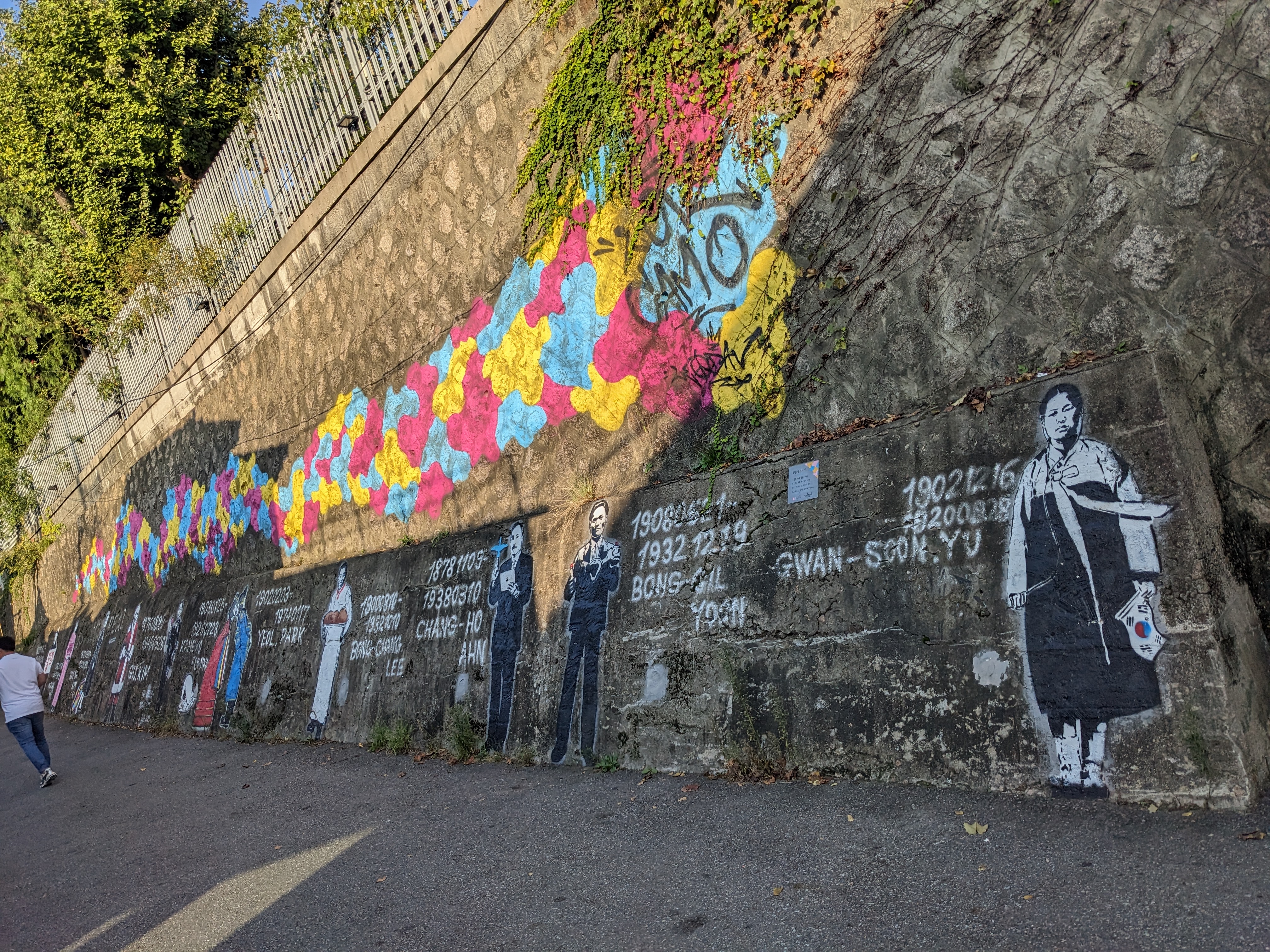
19. Walk around Ihwa Mural Village – Korea is full of these cute mural villages! The story for these places usually goes like this: the neighborhood is falling to disarray and the local government begins making plans to demolish the area. Then local artists or students come together and begin painting cheerful murals all around the area.
20. Take a day trip to Nami Island – Seoul has many day trip options to go to nearby spots and Nami island is one of them. Nami island is a popular spot for tourists and its mainly famous for the Kdrama shoot locations. Honestly, its way too touristy for our taste but if you have a day at your hand, you can go to Nami rent a bikecycle to see this tiny island and come back with many insta worthy photos. nami is most famous for autumn season as this place turns yellow with autumn leaves.
21. See DMZ – The De Militarised Zone (DMZ) is the 4km thick buffer zone or border between North & South Korea and has quiet a draw. At DMZ through binoculars, they show you the North Korea border & their military. However the during any conflict time, DMZ is affected and it can partially or completely shut. During our visit DMZ was partially shut so we didnt see worth going for it. Best way to visit DMZ is to take a tour that helps to reach DMZ, navigate through the entry formalities, and ensure to see everything that you can see there at that time but has to be booked about2-5 days in advance. Preferably check if the tour can get you to Joint Security Area (JSA) which is much closer to the North Korea. This is the most popular tour for DMZ.
Essentials for Seoul
| Currency: KRW (Korean Won) |
| Sim Card/ Transport card: They have a common card for tourists | KT, LG, and SK network | look for packages before travel on klook | esim option available which can be booked prior to flying online |
| Copy of Lonely Planet for South Korea |
| Airlines: Korean Air, Vietname airlines, Qatar, Emirates for international | T’way, Air busan, and Jeju air for local |
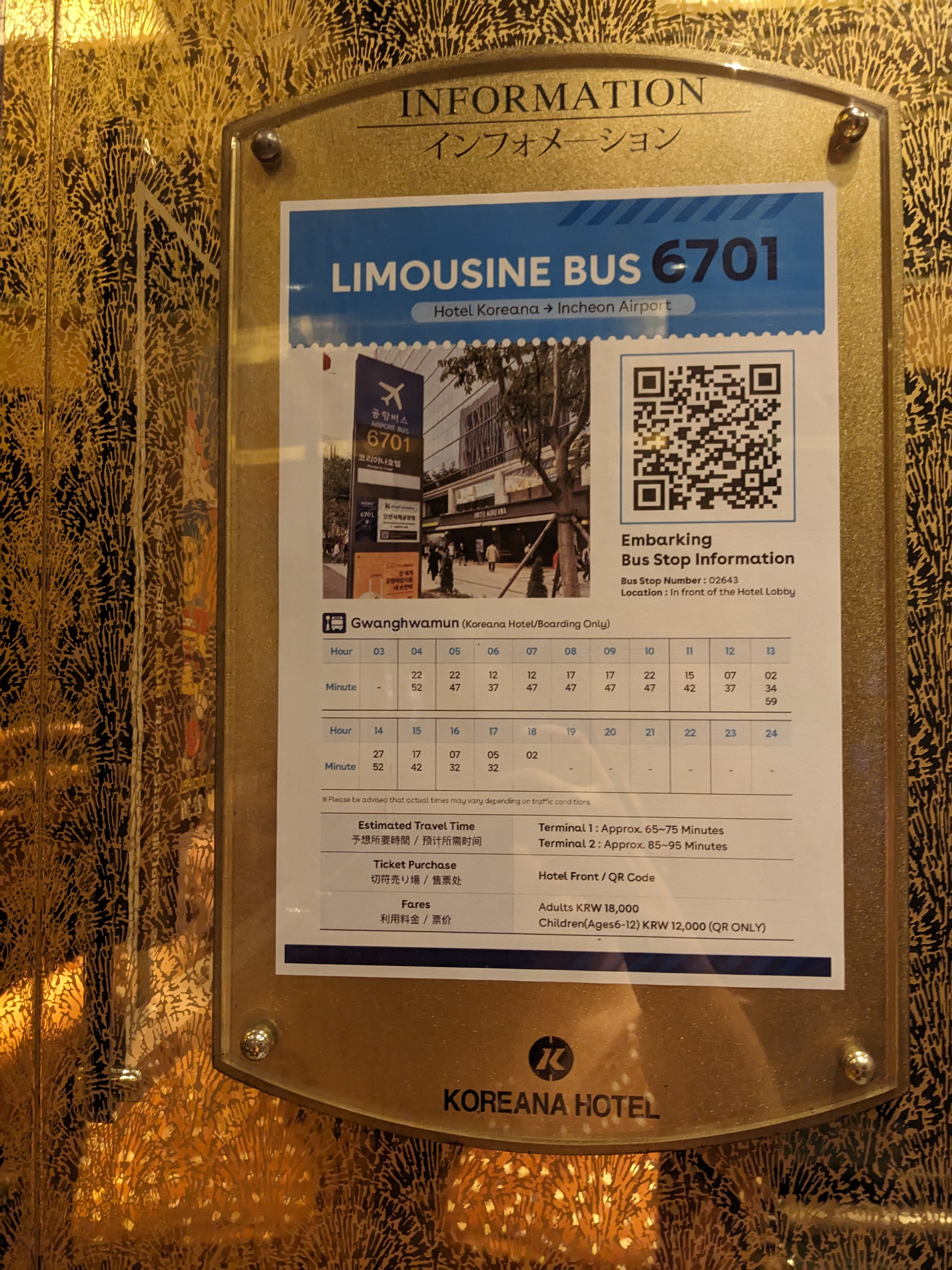
| Airport City Transfer: For Incheon to Seoul take the Airport Shuttle Bus to be booked inside airport (best way & takes 1hr max) or take subway with 3 train changes is the cheapest method |
| Tours: Get Your Guide and Free Walking Tour |
| Travel Season: Best time is March to May & September to November. Summers can be really hot & humid and kid you not, its can get hotter than Mumbai. I got hot flash in Seoul as their summer had prolonged. In winter it can go upto -6°C so unless skiing, winter can make it tough too. |
Where to stay in Seoul and stay options with prices
Seoul is made up of 25 different districts called a “gu”(구) in Korean and mainly can be divided into 9 areas with each having their uniqueness. Here is about these 9 areas and their uniqueness:
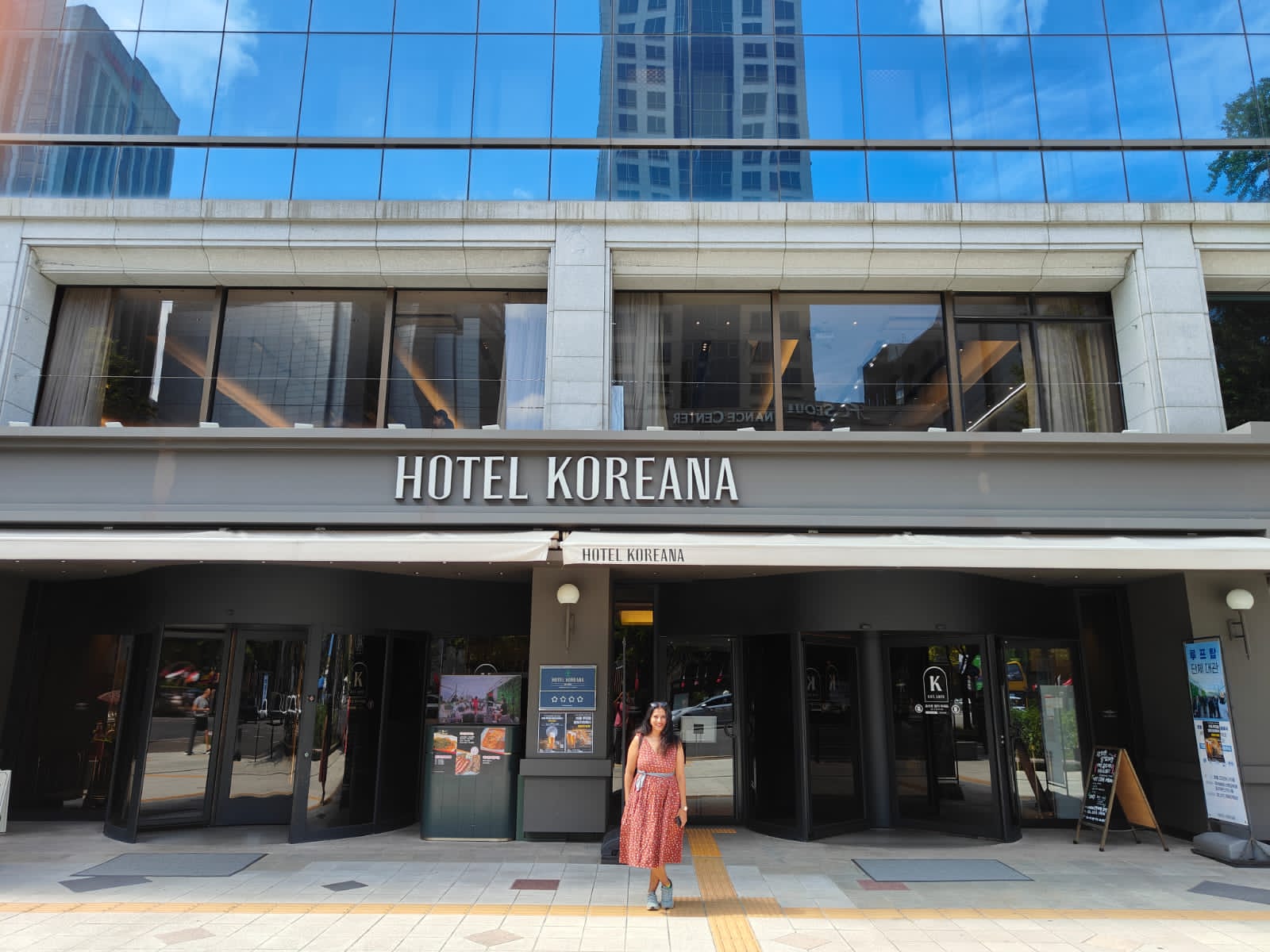
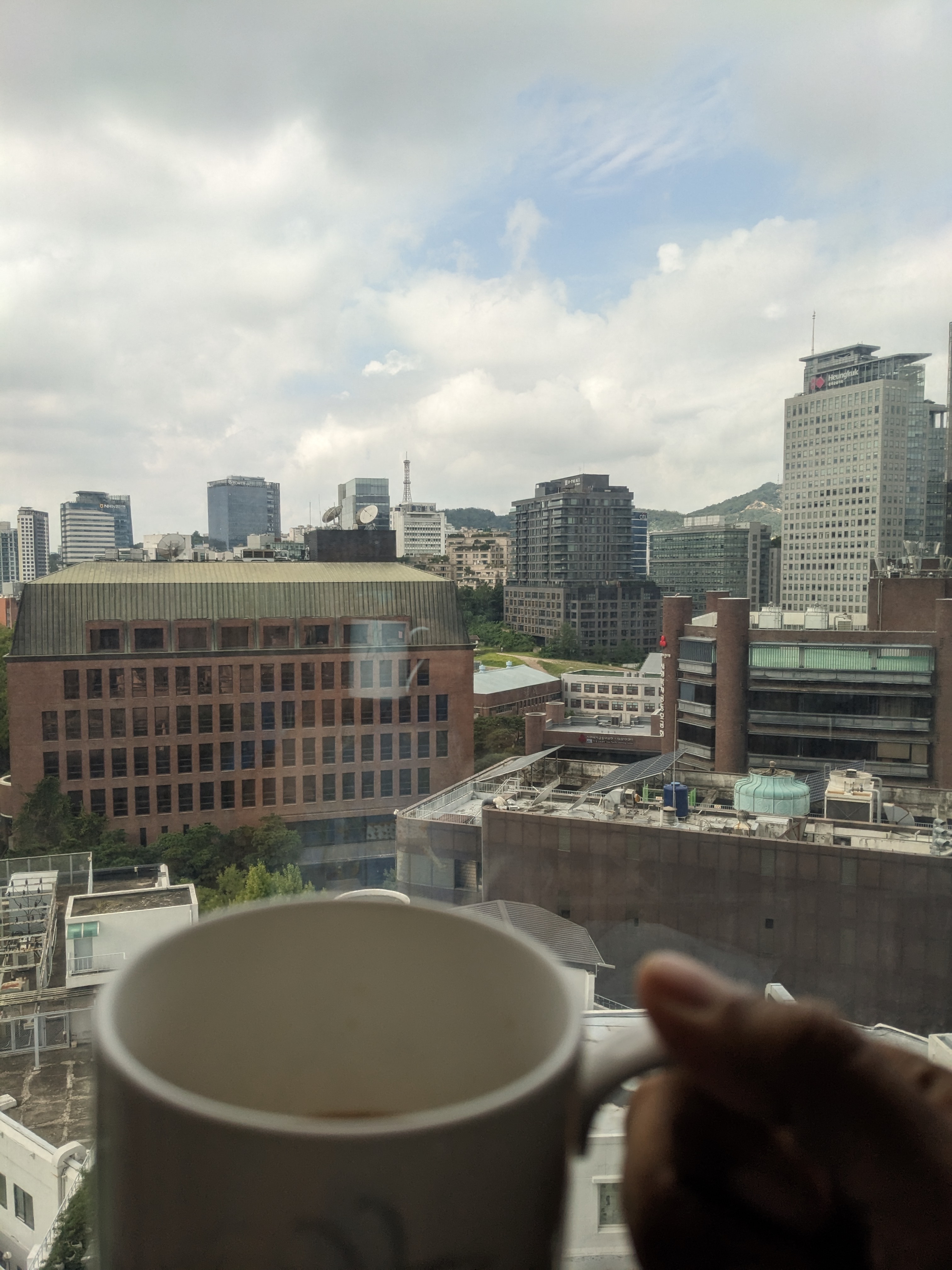
- *Jongno or Jungno (ideal location) – is closest to most iconic palaces, temples, parks, squares, and hanok village but still has most number of offices (Euljiro Nogari Alley is super nearby) with few hotels. This is ideal for most middle aged traveller like us who love to in key area but away from noise. Stay options: Budget friendly options are Seoul cube is a chain throughout Seoul (most guest houses for 20$-30$). Slightly expensive options are *Koreana Hotel* (recommended as we stayed here and its really good), Hotel May, and Orakai Daehakro Hotel. Find a stay near jonggak station or Gwanghawmun station
- Hongdae – ideal for youth as this area has much younger local crowd due to the closest University. This also mean cheap food options, cheap stay, and good nightlife. But Hongdae can get very loud with street performances & clubs and roads filled with creepy drunk people wobbling around. Stay options: Budget friendly options are Birdnest hostel, *Bulgama sauna* (Hongdae 24hr Bulgama sauna for that unique experience especially for a short transit stay), and L7 hotel. Expensive options are Ryse and Marriot You will also find many love hotels (러브호텔) in Hongdae, which some say with precautions (from spy camera), can be much cheaper and decent option.
- Sinchon – has mellow & Korean vibe again with more youth due to the University. This area offers some of the cheapest food at Korean bars (Sul jib) and has some nightlife but overall a relaxed atmosphere. Stay options: Love momo ($13), H Avenue hotel ($60) , *Oppa hostel* ($25), Icos Guesthouse ($50).
- Seoul station – Most centrally located and highly preferred by tourist as transporatation is convenient. But has some slum or homeless people camping making this area not so clean & safe. Stay options: Courtyard by *Marriott* ($180).
- Itaewon – is an international district with many expats and foreigners staying in Korea for longer. So you will find more foreigner friendly food options, american vibes to everything, probably more people speaking in languages other than Korean. Itaewon has good nightlife with lots of bars-clubs but it also gets prty loud making it not so ideal for stay. Stay options: Guesthouse mostly cost 20$-30$ such as *Seoul Cube* and Hamilton hotel.
- Myeongdong – This is a shopping district with mostly recommended for tourists as its also quiet a central location. But since its popular among tourists, this is where overall street food quality is not so great and overall I felt everything is expensive. Stay options: *Savoy hotel* and skypark hotel, but most options are quiet expensive due to popularity (average hotel price of about 80$-90$)
- Seong-su – hipster & cool vibe area (nicknamed as Brooklyn of Seoul) but doesnt have many stay option. This place is also a must for fashion inetrested people with shops catering to everything that is vintage thrifters to cool local brands to highend luxury like Dior. They have few guesthouse & some very street stay options. Stay options: Seoul Forrest stay (15$), *H Avenue Hotel*, Hotel Poco, and The Classic 500.
- Gangnam – If you wanna know whats trending in Korea than be in Gangnam. This is expensive with bit more upscale vibe but far from northern area for most location. Tons of plastic sergeon clinics, clothing stores, cosmetics, and cool cafes & bars. Stay options: Yakorea guesthouse ($20 one of the few cheap options), Jerry hotel ($45), *Tokyo Inn* ($51), Josun palace ($400)
- Jamsil – area with lot of new infrastructure and most famous of Lotte tower (3rd tallest in world). Ideal for family that prefers malls & theme park. Stay options: *Hotel lake* ($75), Jamsil zaza hotel ($35 a love hotel), Lotte Hotel World ($200), Signiel ($410).
Budget for Seoul
| Expense Type | Expenses for 2 people (INR) + Flight from India to Korea |
| Local travel | 15000 |
| Meal | 50000 |
| Stay | 125000 |
| Tour/ Experiences | 10000 (this cost was less for us due to Chuseok festival) |
| Grand Total | 200,000 (a mid-range travel cost) + Flight from India to Korea |
Cost saving tips
- If you plan well and stick to a district for most of the day, you can minimise cab usage or walk for nearby distances as walking is the best way to explore a city.
- Take Saigon free walking tours to see the city and but ensure to tip the guide well.
- Use public transport such as bus for leisure times
- Walk. Walk. Walk. This is the best cost saving effort which allows one to see the place at a slow pace.
- Eat at local street food. The Vietnamese food tastes best at the street stalls and unfortunately not so much at the restaurants. This saves money, you get to contribute to local economy, and definitely priceless experience of getting to connect with locals at these joints.
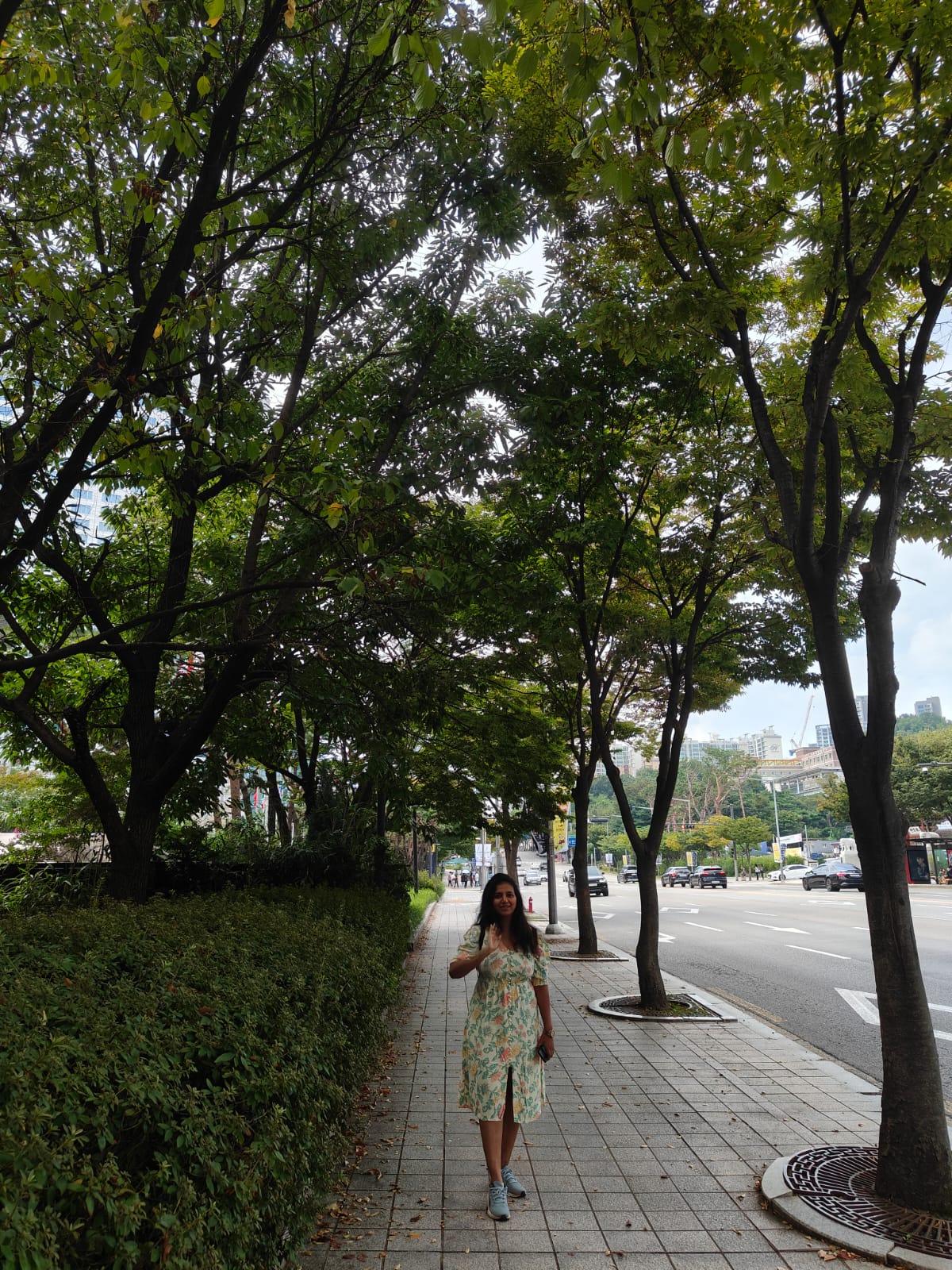
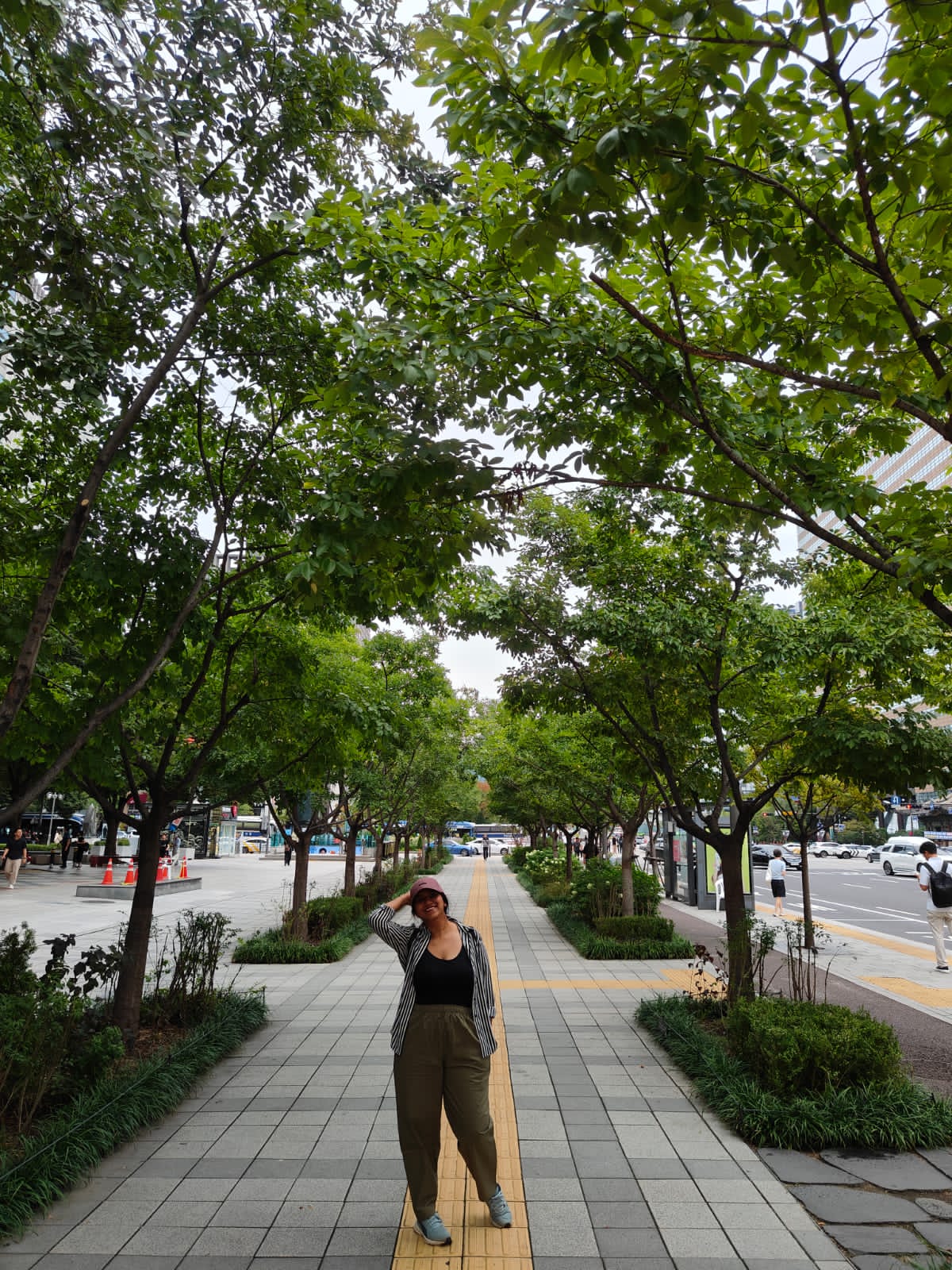
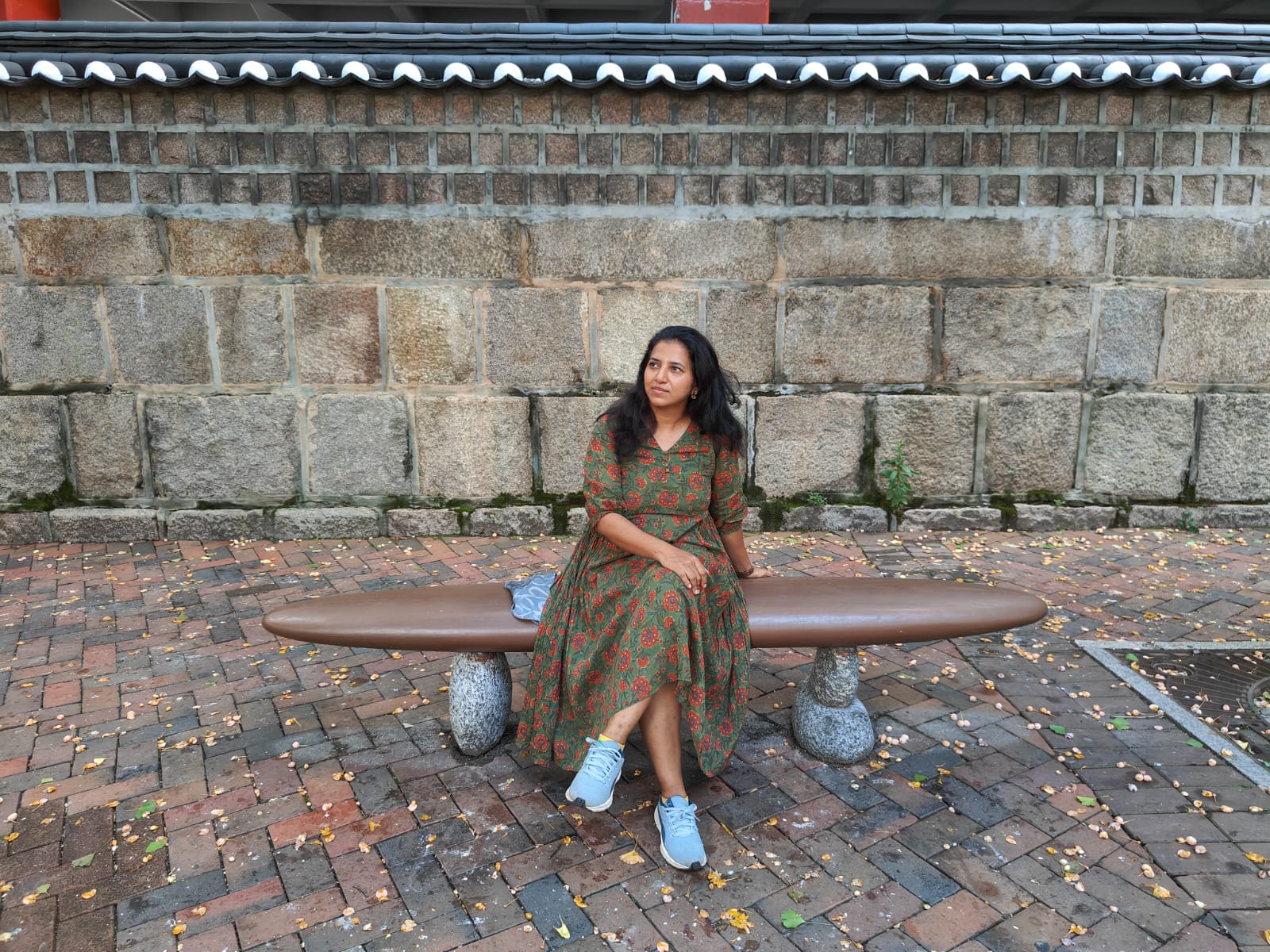
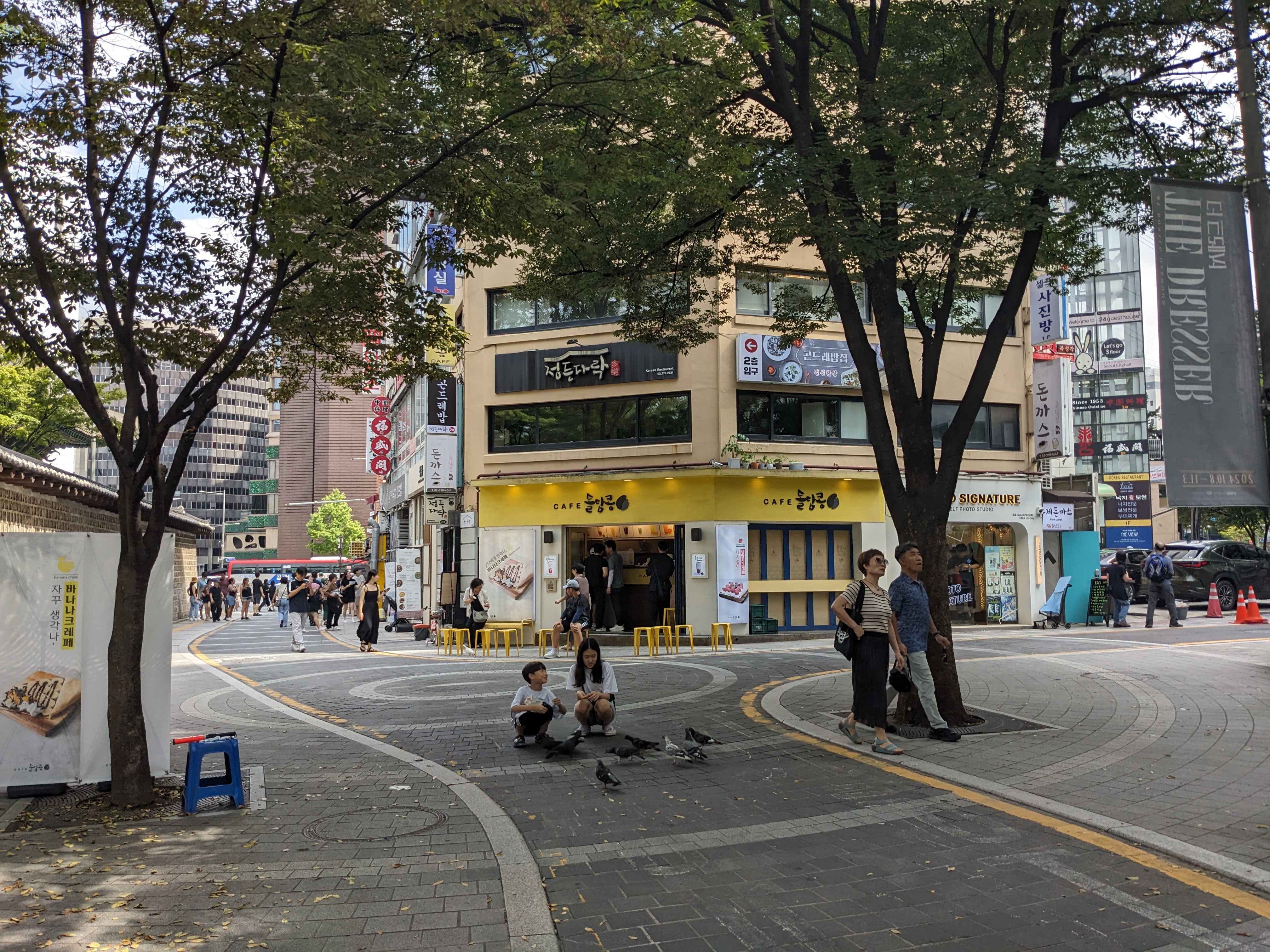
Here is a Visual Tour of our Seoul trip


Discover more from 2HappySouls
Subscribe to get the latest posts sent to your email.

Leave a comment