


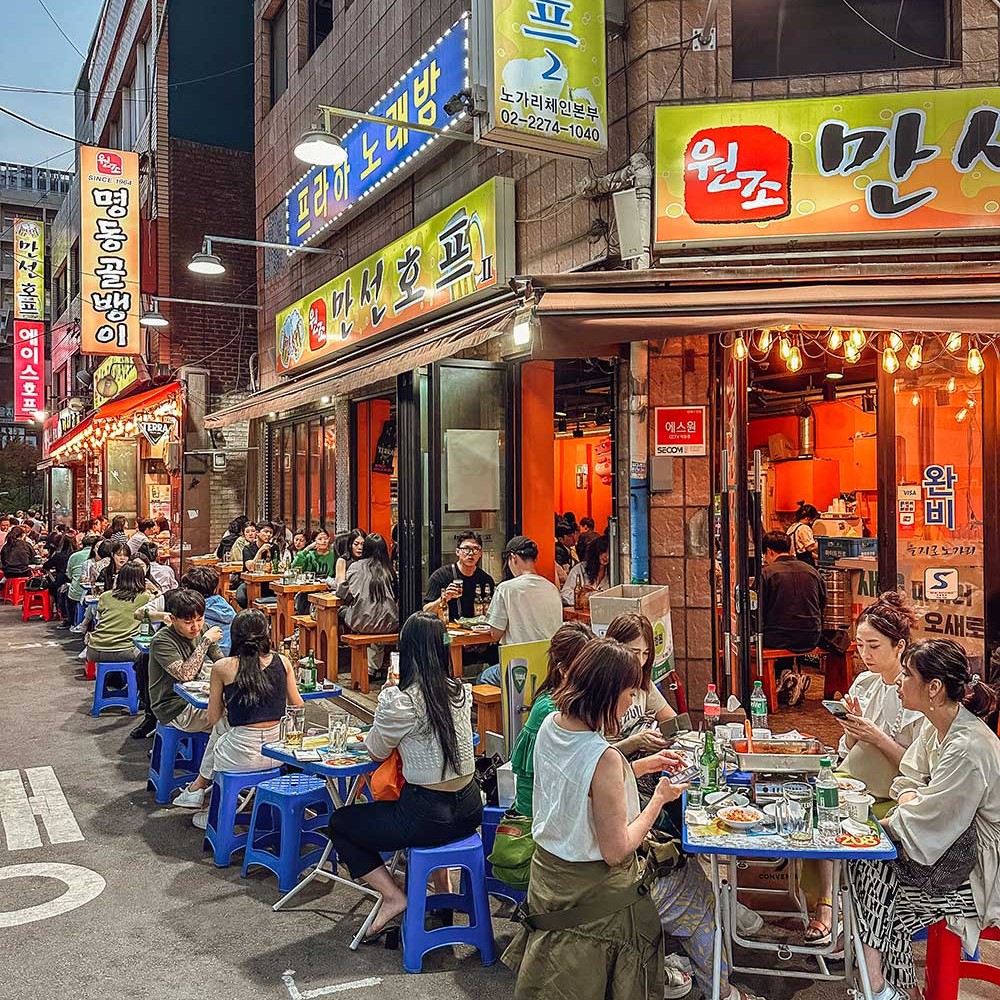
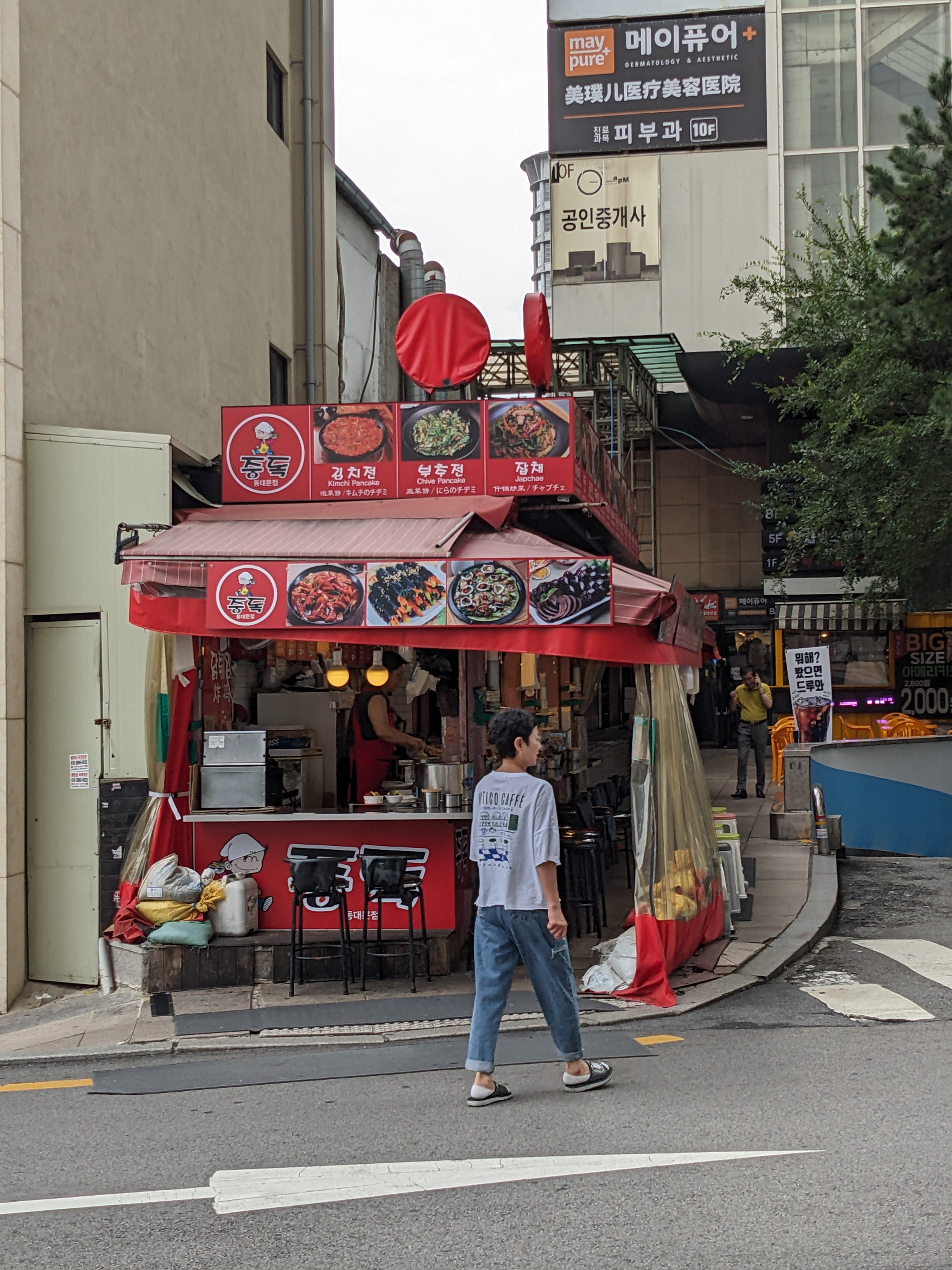
If you have seen any kdrama, you would be familiar with Korean’s often seen eating at street joints perched on blue plastic stool, ordering food with some Soju. So I wanted to confirm if this is actually a cultural thing or just something the Kdrama world was exaggerating. And boy I spotted people eating all the time, everywhere. Even fancy office people at such joints can be seen for their after hours.
| Article Content |
| Traditional eatery markets recommendations |
| Dishes to try in Seoul |
| Restaurants that are must try |
South Korea travel blog links
| South Korea Travel Guide | Seoul Travel Guide | Busan Travel Guide | Jeonju Travel Guide | Incheon Travel Guide |
| Temples of South Korea | Seoul Cafe Guide | Busan Cafe Guide | Jeonju Cafe Gudie | |
| South Korea Food Guide | Seoul Food Guide | Busan Food Guide | Jeonju Food Guide | Incheon Food Guide |
| South Korea Library Guide | Tea ceremoney at a traditional tea house | Cooking experience in Jeonju | ||
| Soju guide for South Korea | Tea House Guide for Seoul | Moju making class in Jeonju, South Korea | ||
| Socks craze of South Korea | Experience of living in a hanok stay |
Read my South Korea Food Guide to get curate a list of dishes that you must try in your trip.
Traditional eatry markets recommendations
There are many many blogs & videos, specially made by foreigners, claiming to share the best go to list. I felt most of them werent quiet right especially as we have extensively travelled to South east Asian countries. A key to finding good spot in the market to eat is, eat where the lcoals are eating. Here are some such spots that are must try in these traditional markets:
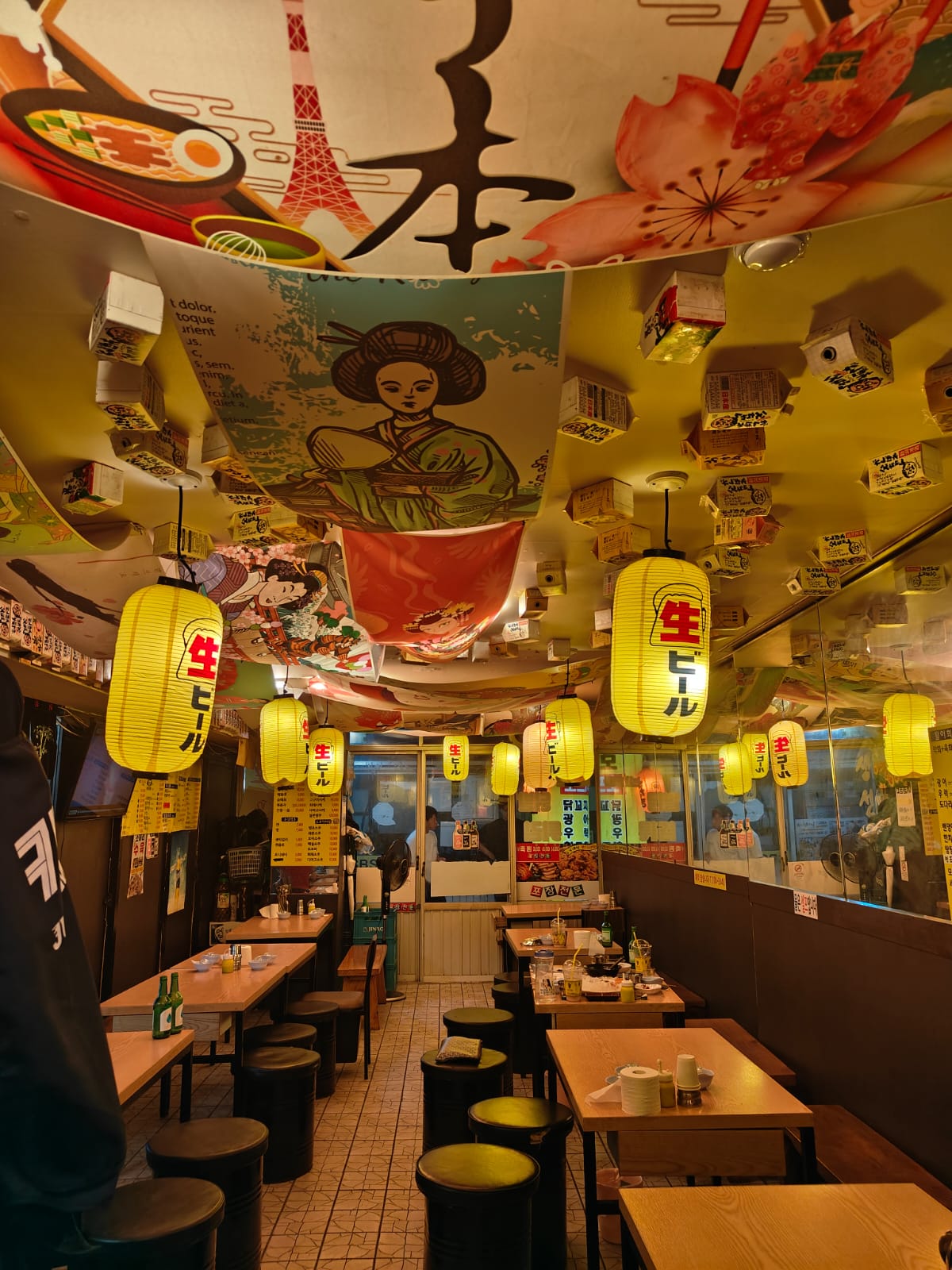
1. Euljiro nogari alley (을지로 노가리골목) – extremely popular among office goers and serves great grilled pollock (fish) and beer hence friday evening is the best time to visit. I highly recommend this place. Incase you are vegetarian, eat someplace else and just visit this area for the vibes. Try Manseon Hof (since 1980s), Hipjiro Pub and other different spots at this local market. There are also some food stalls serving difderent variety of meat. However, many Indians who are not used to crazy meat choices, eat with caution and ask the server exactly what organ are you getting served. Definitely also check out the local craft beer pubs serving locals brews. This alley is located in a bylane so bit difficult to spot. In that case look for directions for Manseon Hof. Food must try: Grilled pollock fish with beer or maekju (beer + soju) Address: Eulji-ro 129, Jung-gu, Seoul. walkable from Myeongdong, Insadong, and Chungmuro station. Timing: Full day till 1am ish as different stores open at different timing.
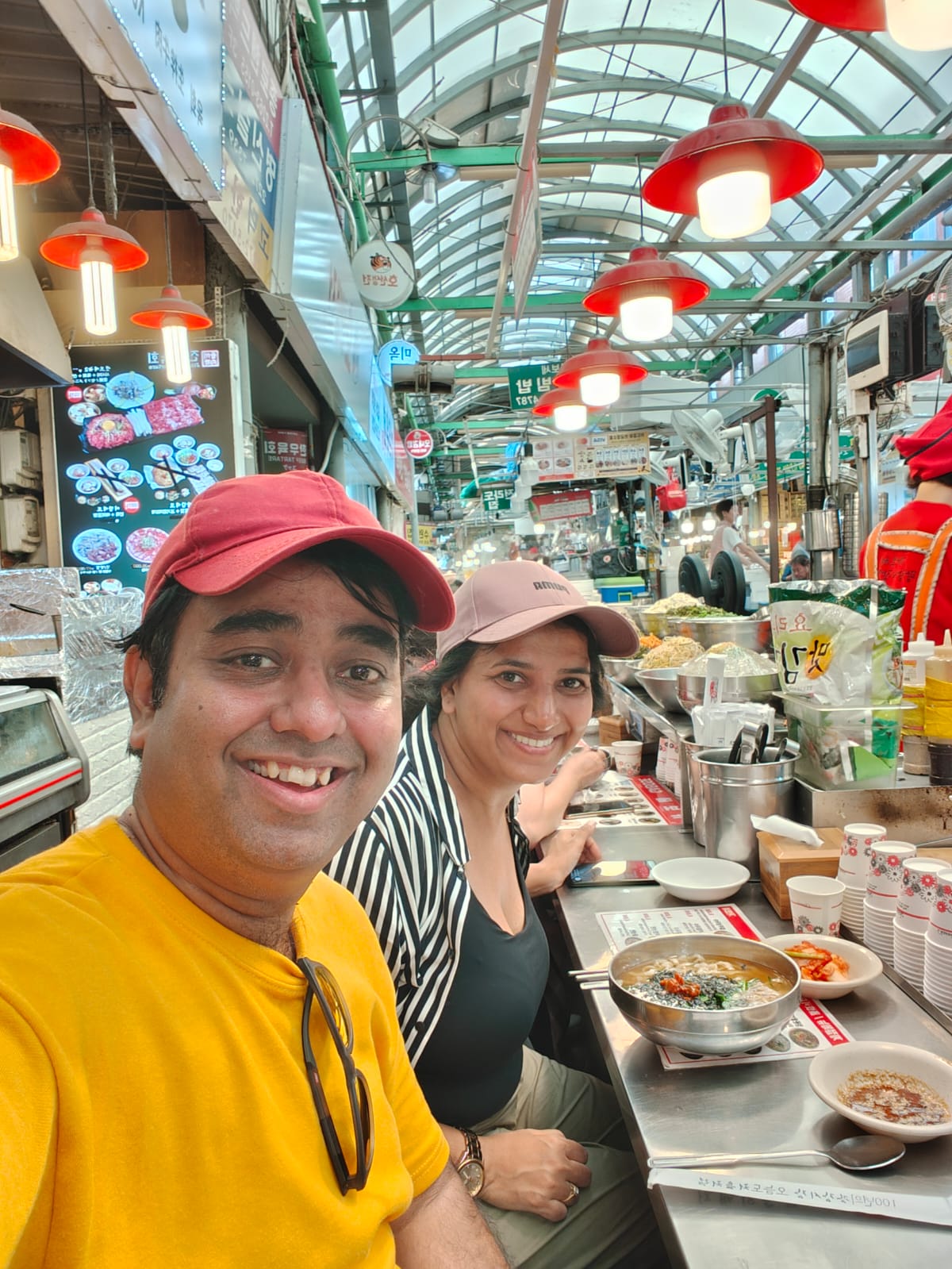
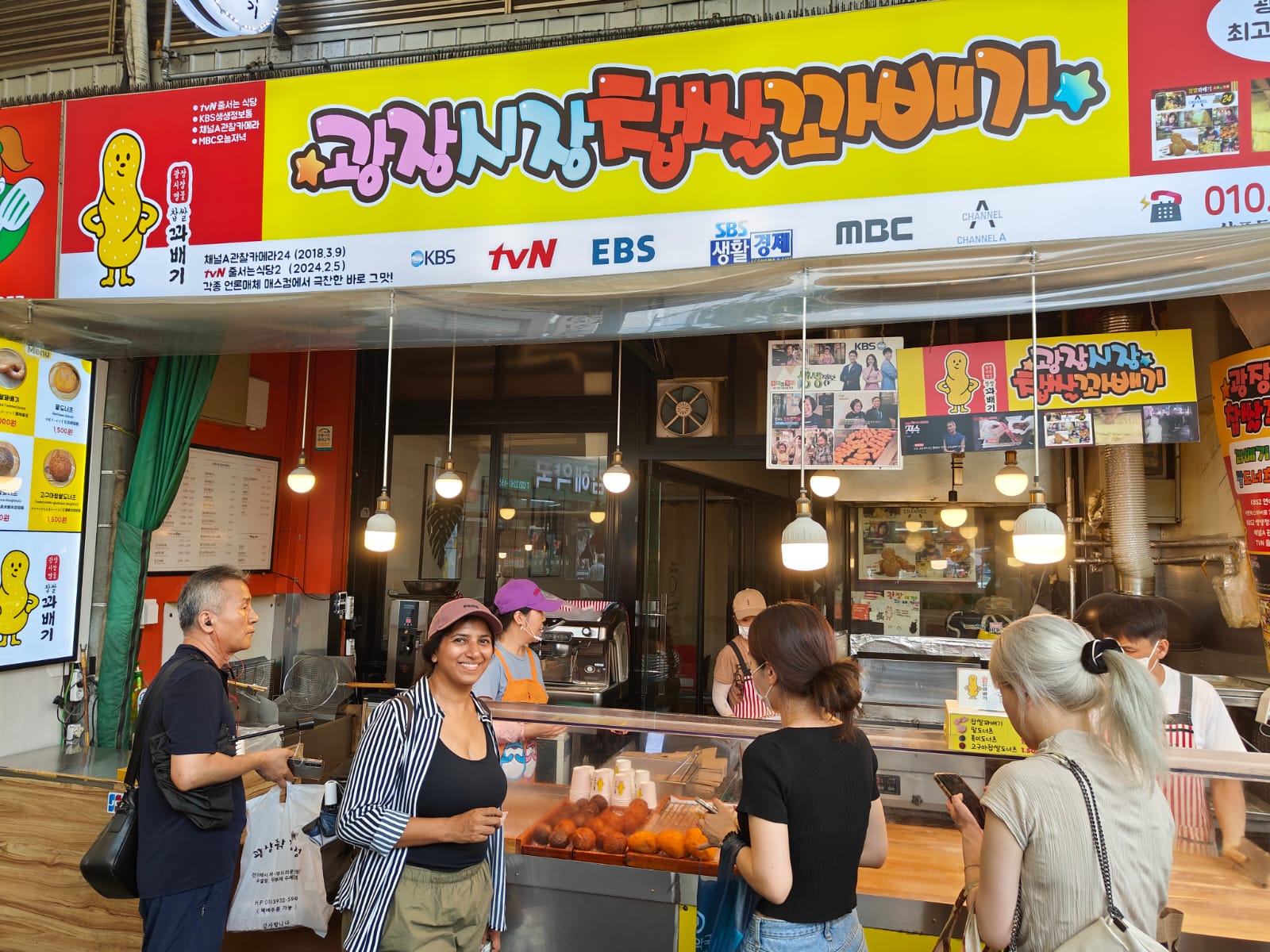
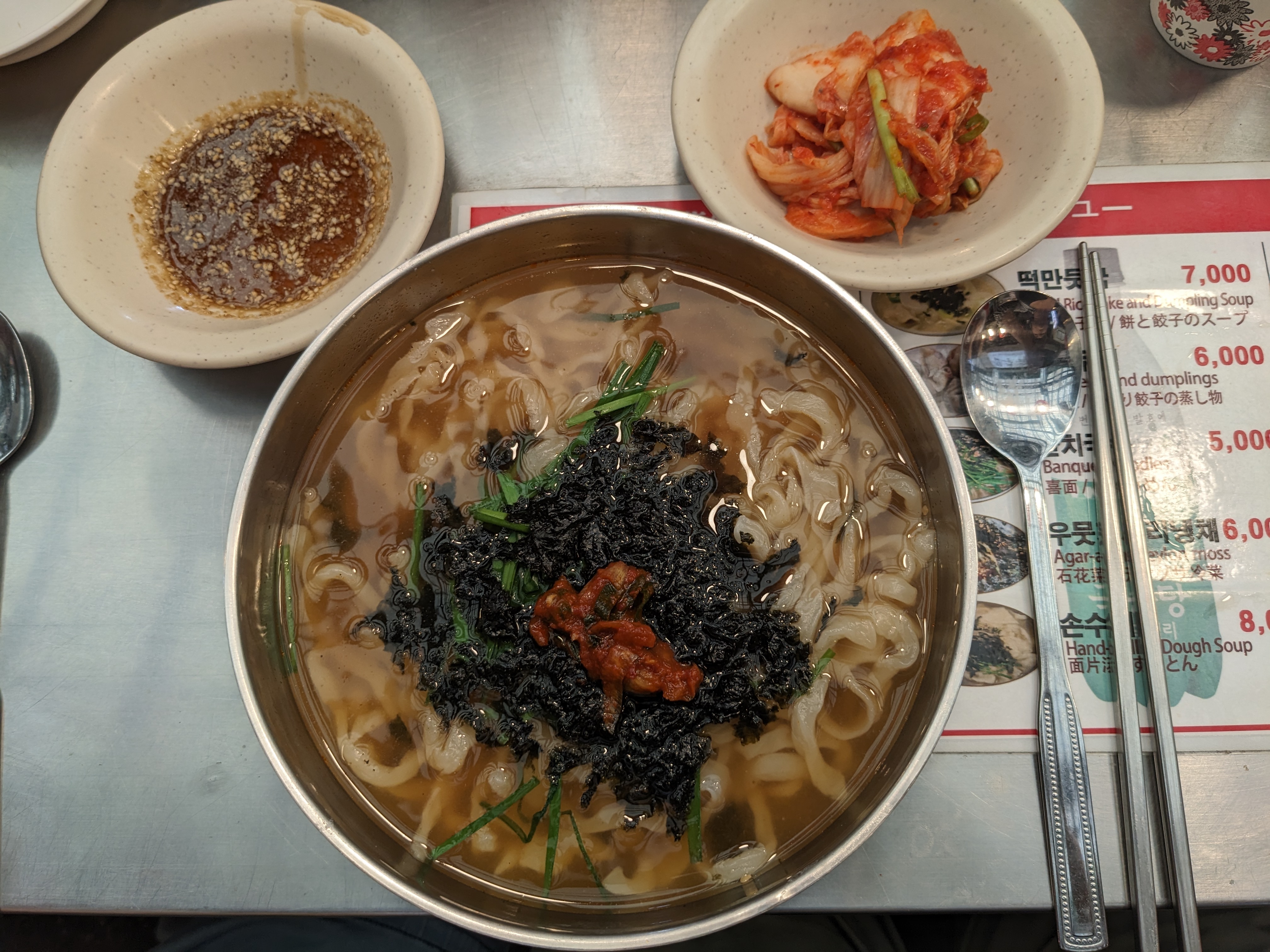
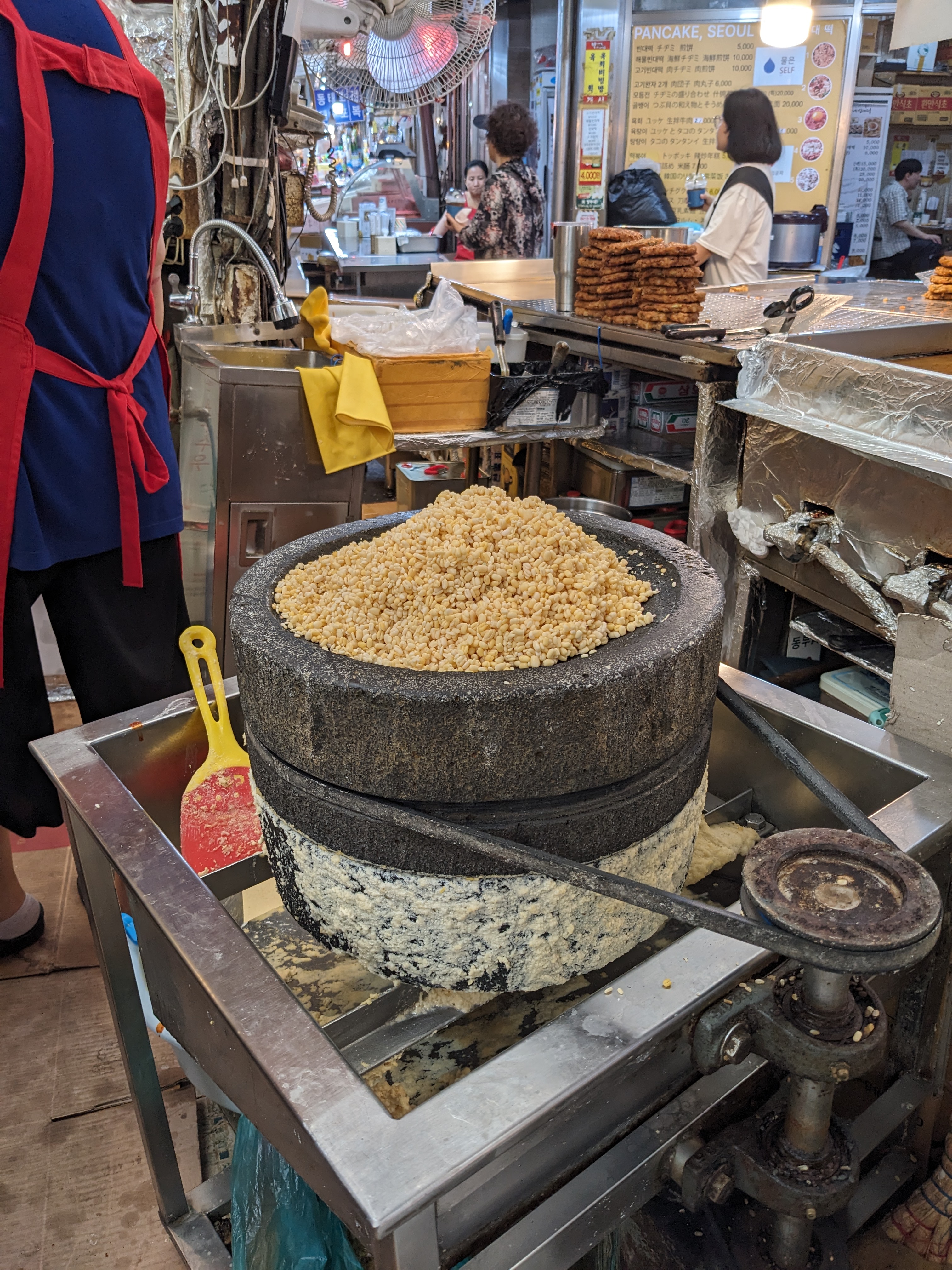
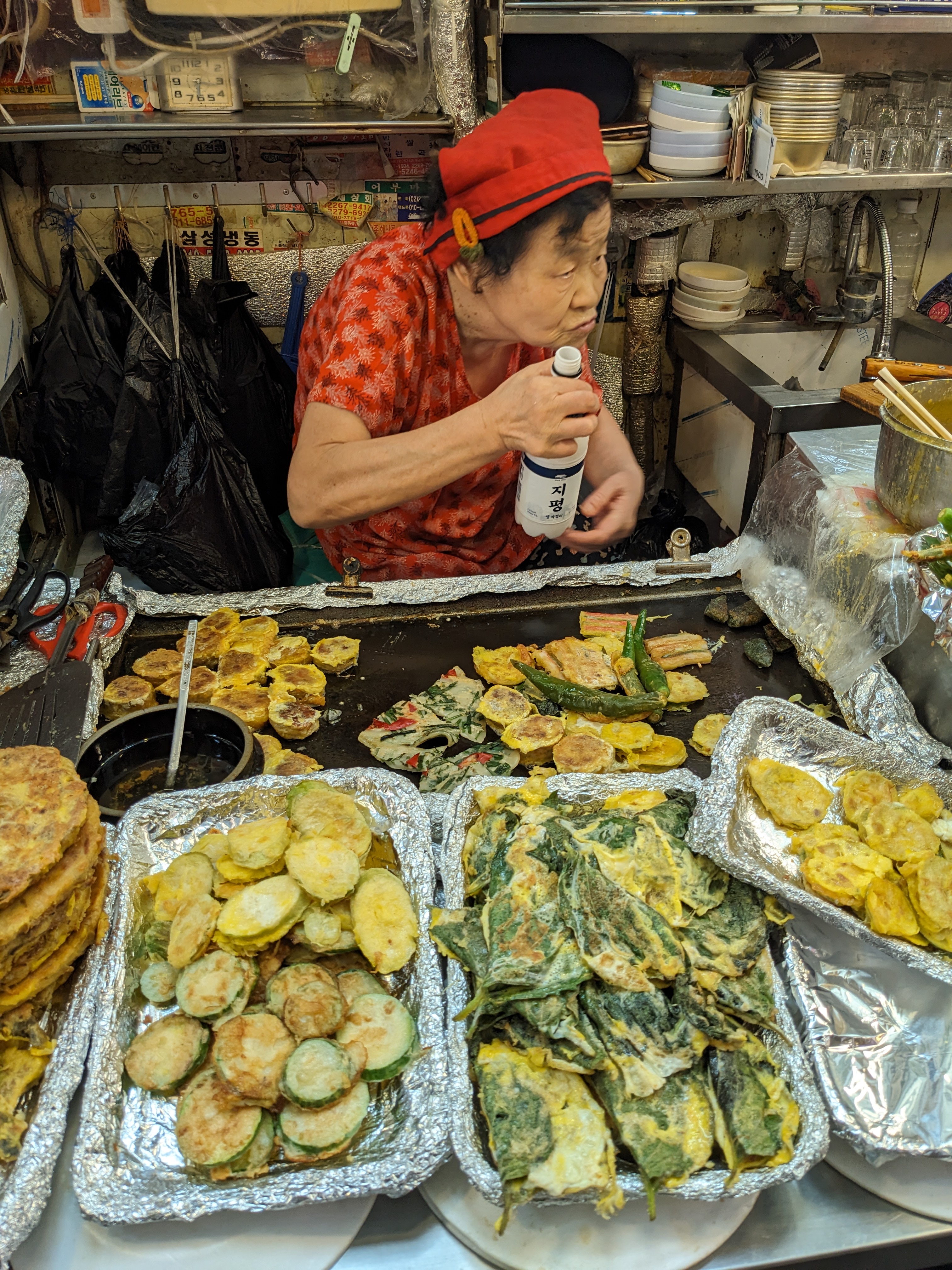
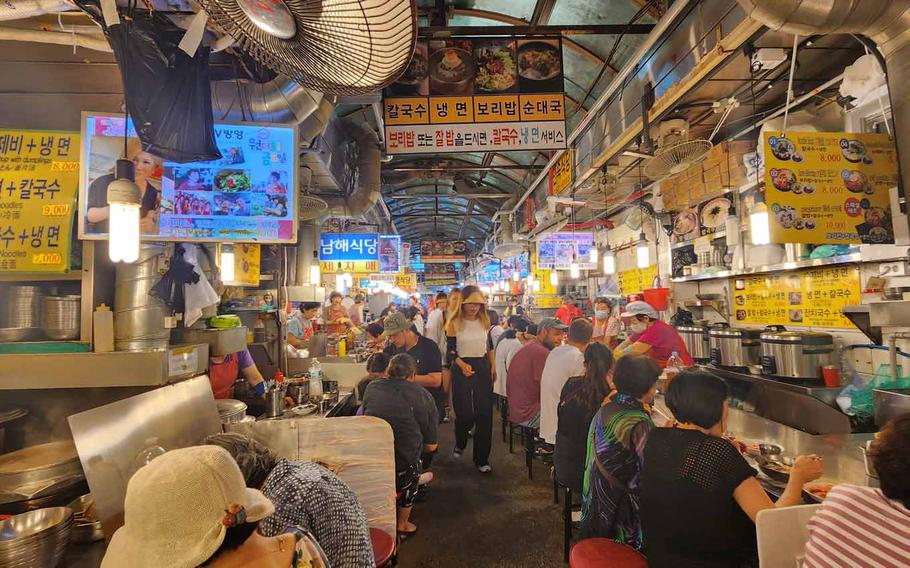
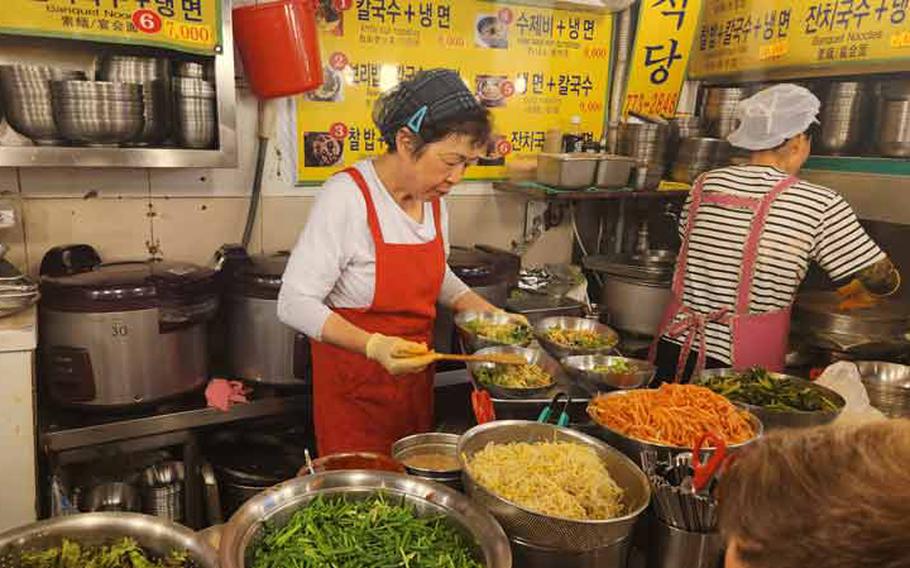
2. Gwangjang Market (광장시장) – is a dedicated food market with tiny stalls selling many easy to whip up street food to complicated ramens. At such markets you will also see stalls run by extremely old people and they are most fun to talk to (with limited vocabulary with lots of expression). There was a stall selling fresh Buchimgae (crispy pancake) with variety of vegetables, Pajeon (crispy mungbean pancake) with a stone batter grinding continously working to create fresh batter. At an all lady stall we ate many variesties of Jeon (pancake) with chillie, eggs, etc. We also tried some hand pulled noodles (Kalguksu) in veg broth and they were great. You will also see some shops selling seaweed sheets, ginseng wine, etc for take away but I wasnt sure if they will give me fair price as everything is written in korean. Food must try: Buchimgae, Pajeon, Kalguksu, hot stone bibimbap, and Kkwabaegi (try the red bean ). For extreme meat lovers try Ssondae (blood sausage), sannakji (octopus), and Soy Raw Crab. Address: Eulji-ro 129, Jung-gu, Seoul. walkable from Myeongdong, Insadong, and Chungmuro station. Timing: 11am to 11pm. Some stalls are closed on Sunday or monday.


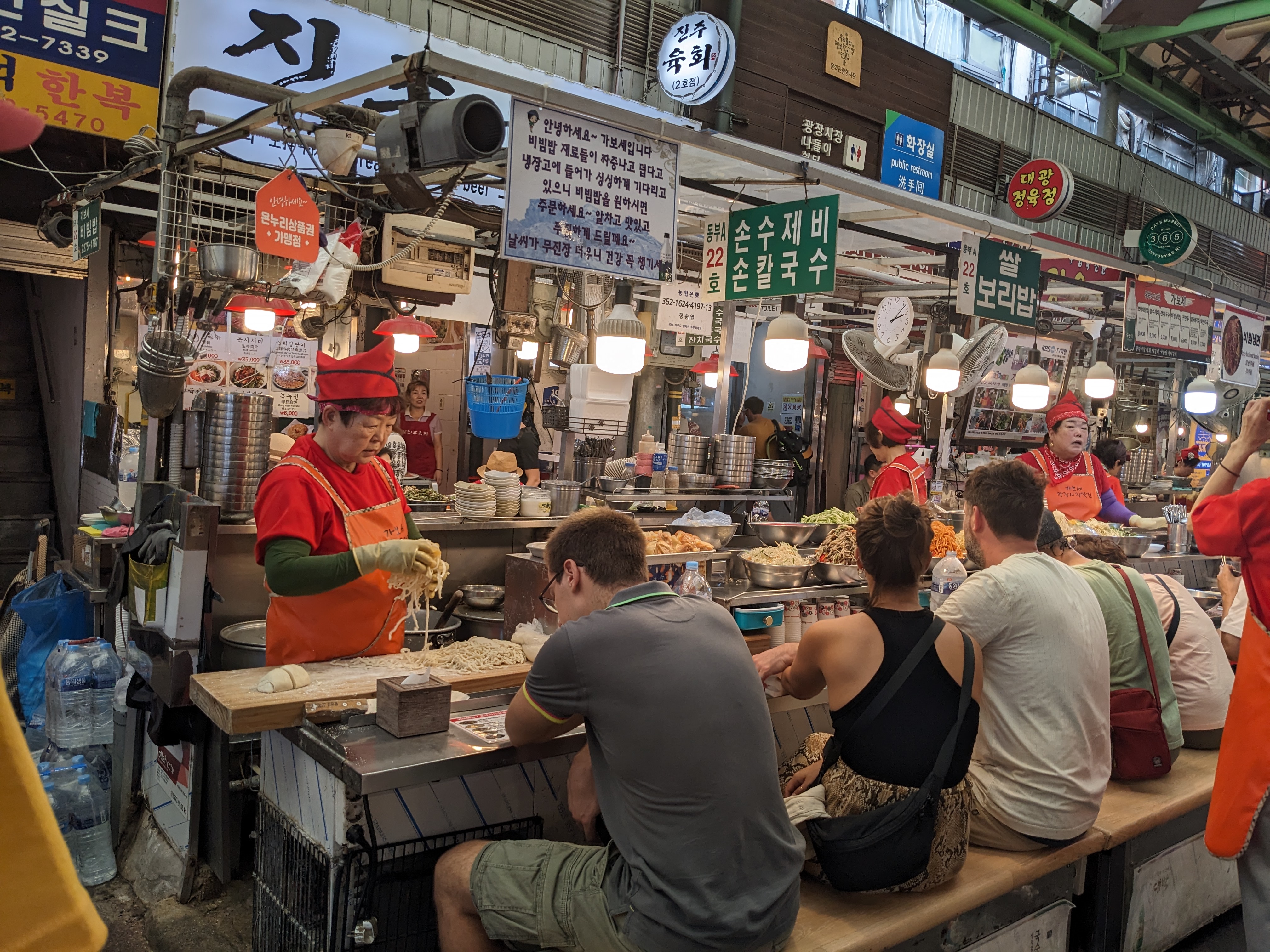
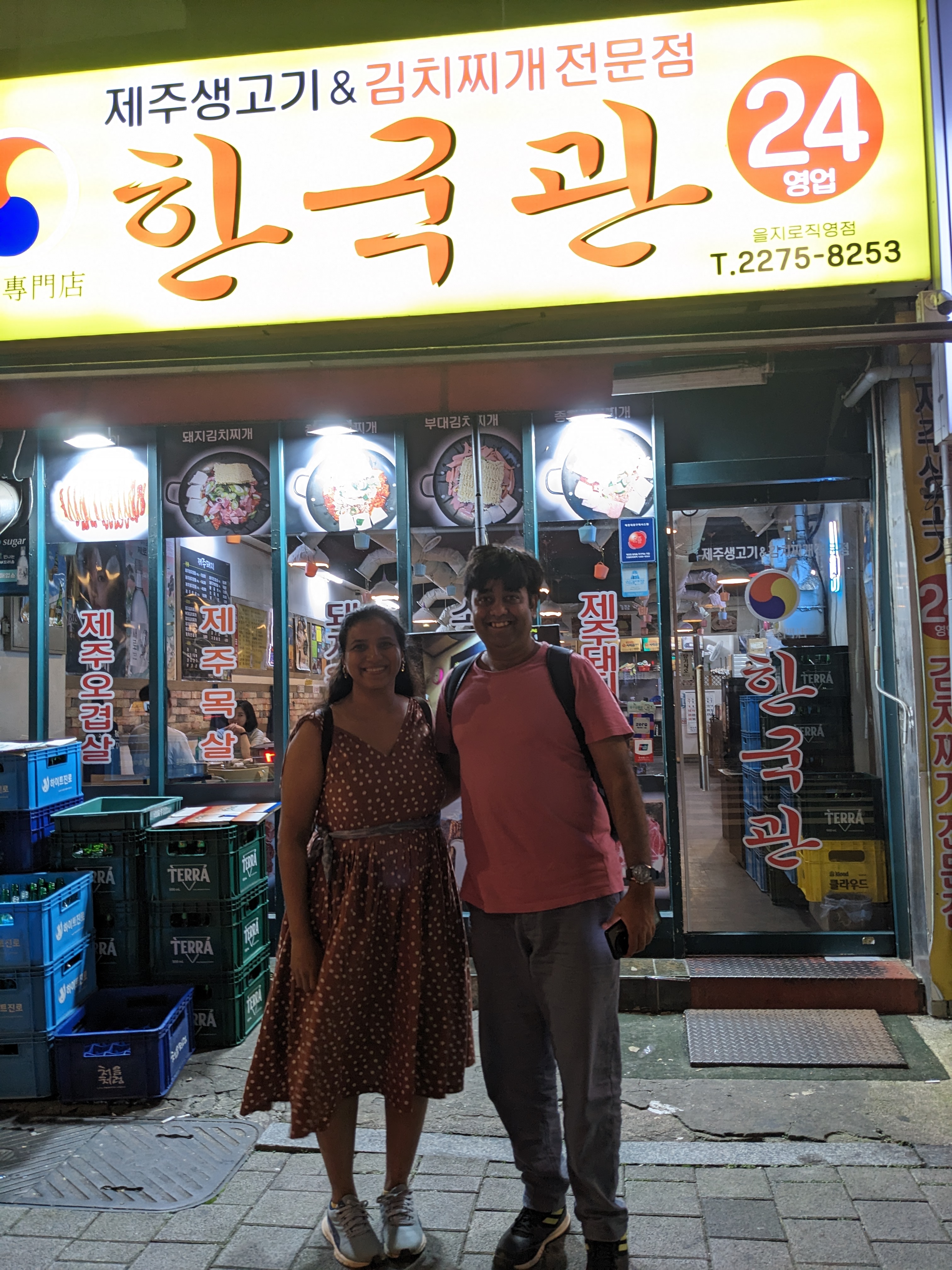
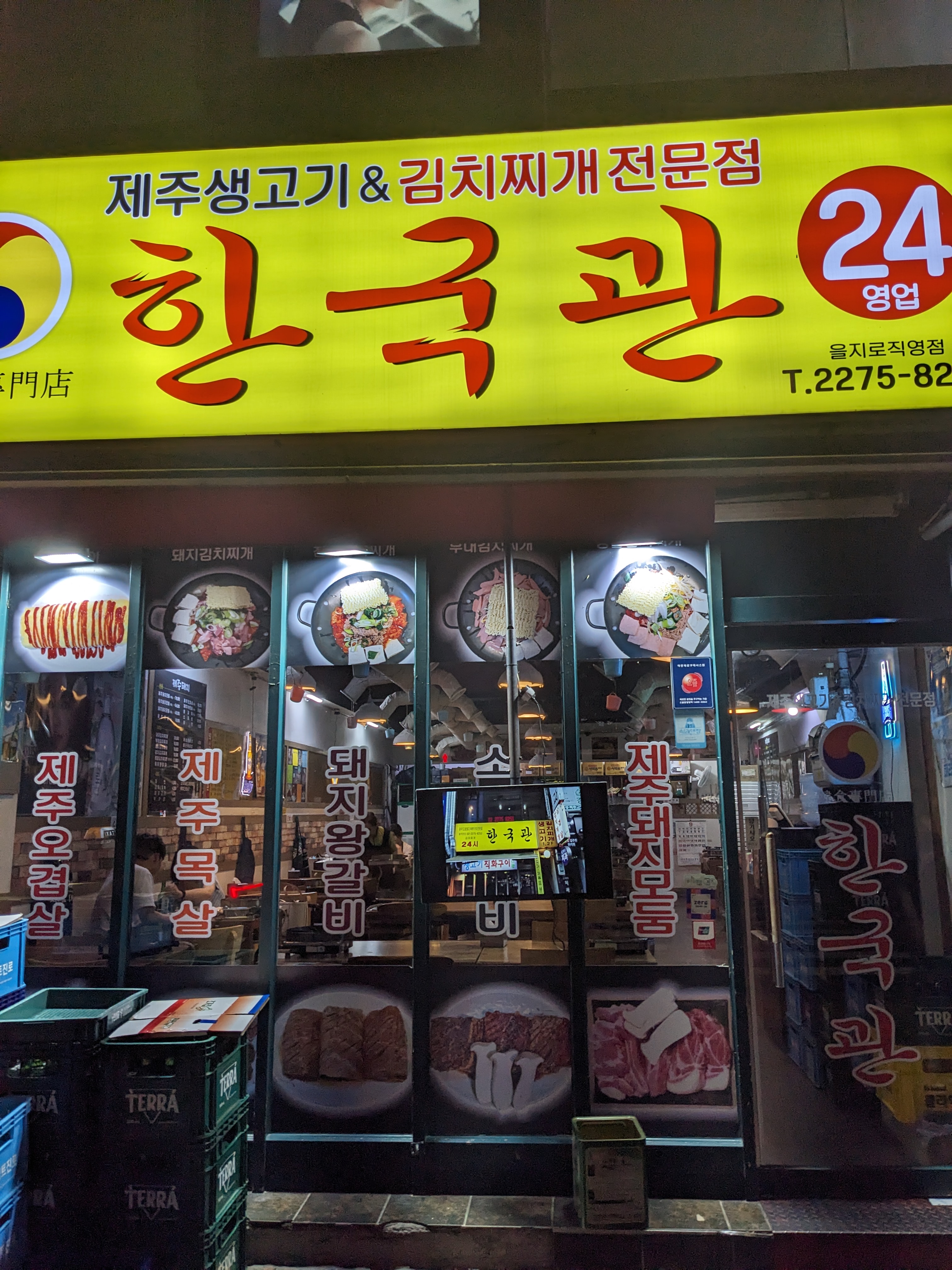
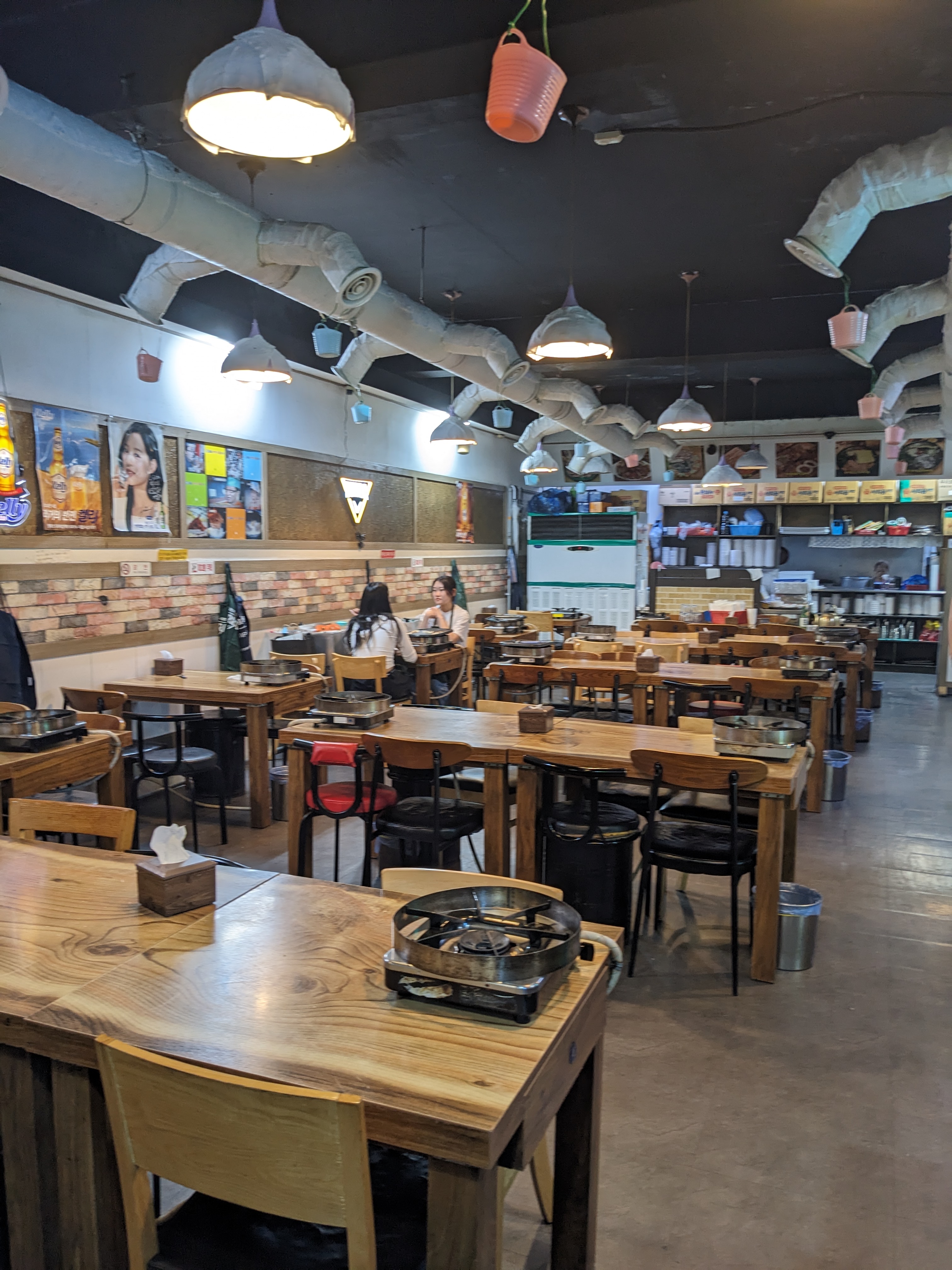
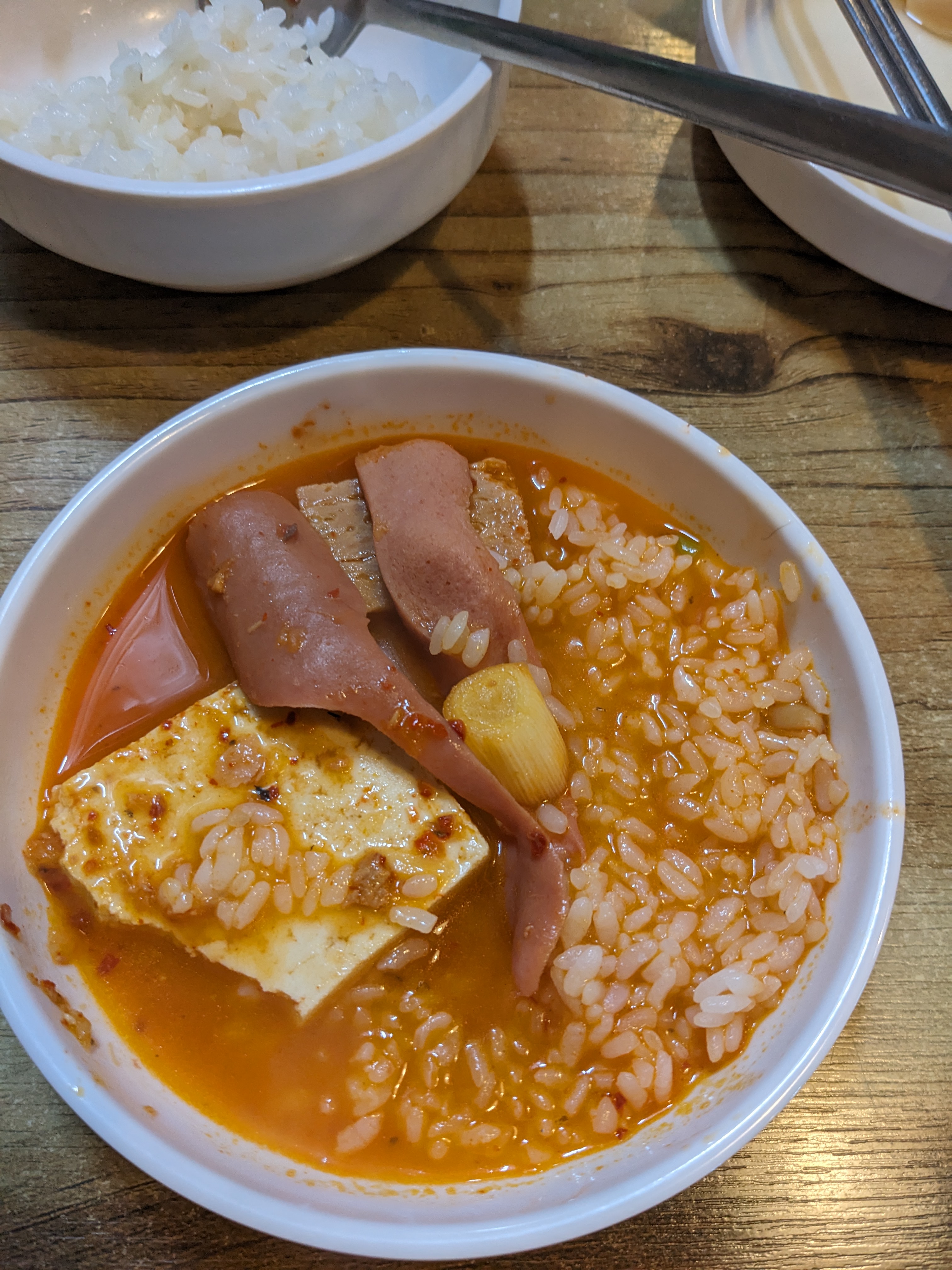
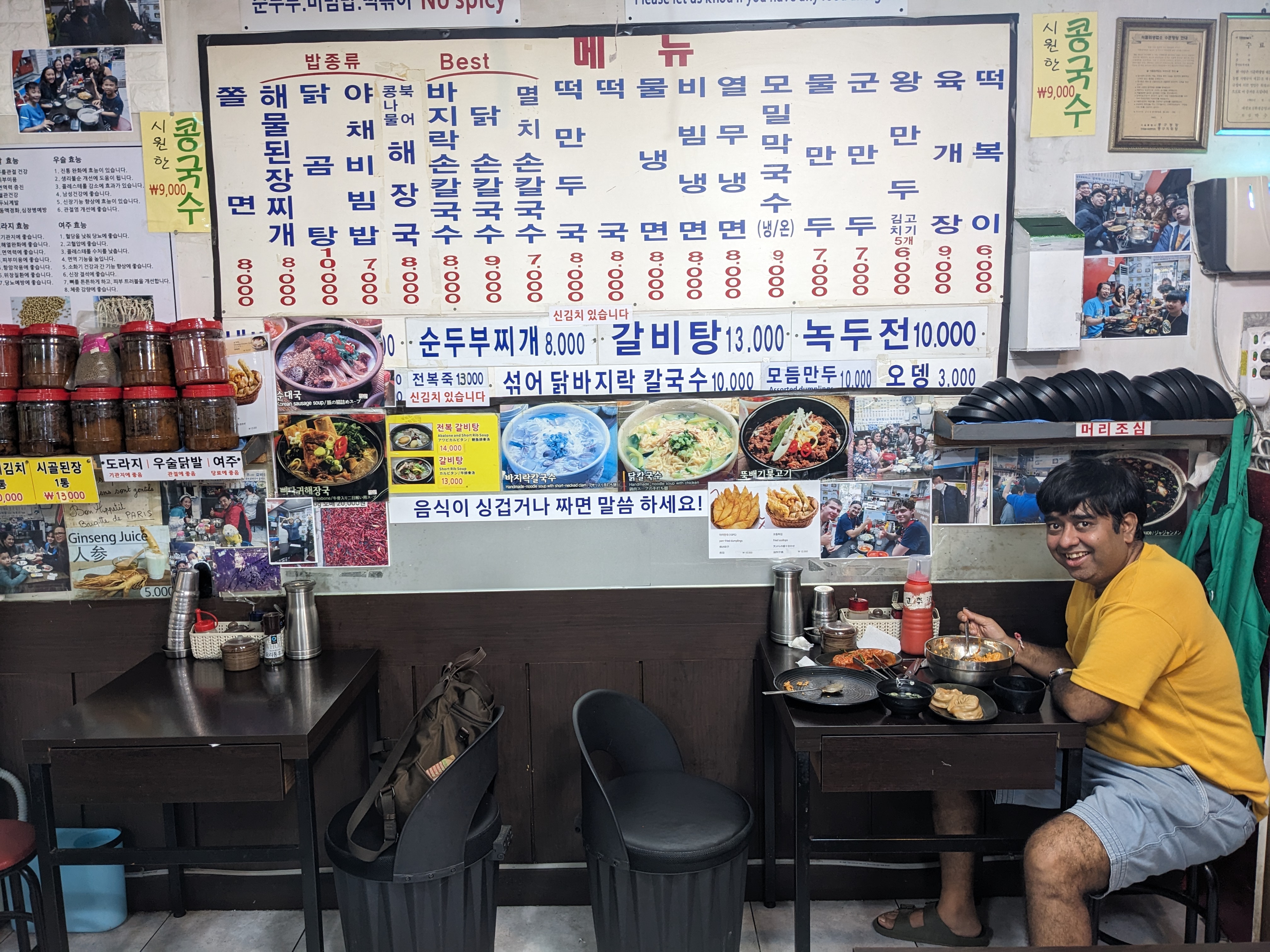
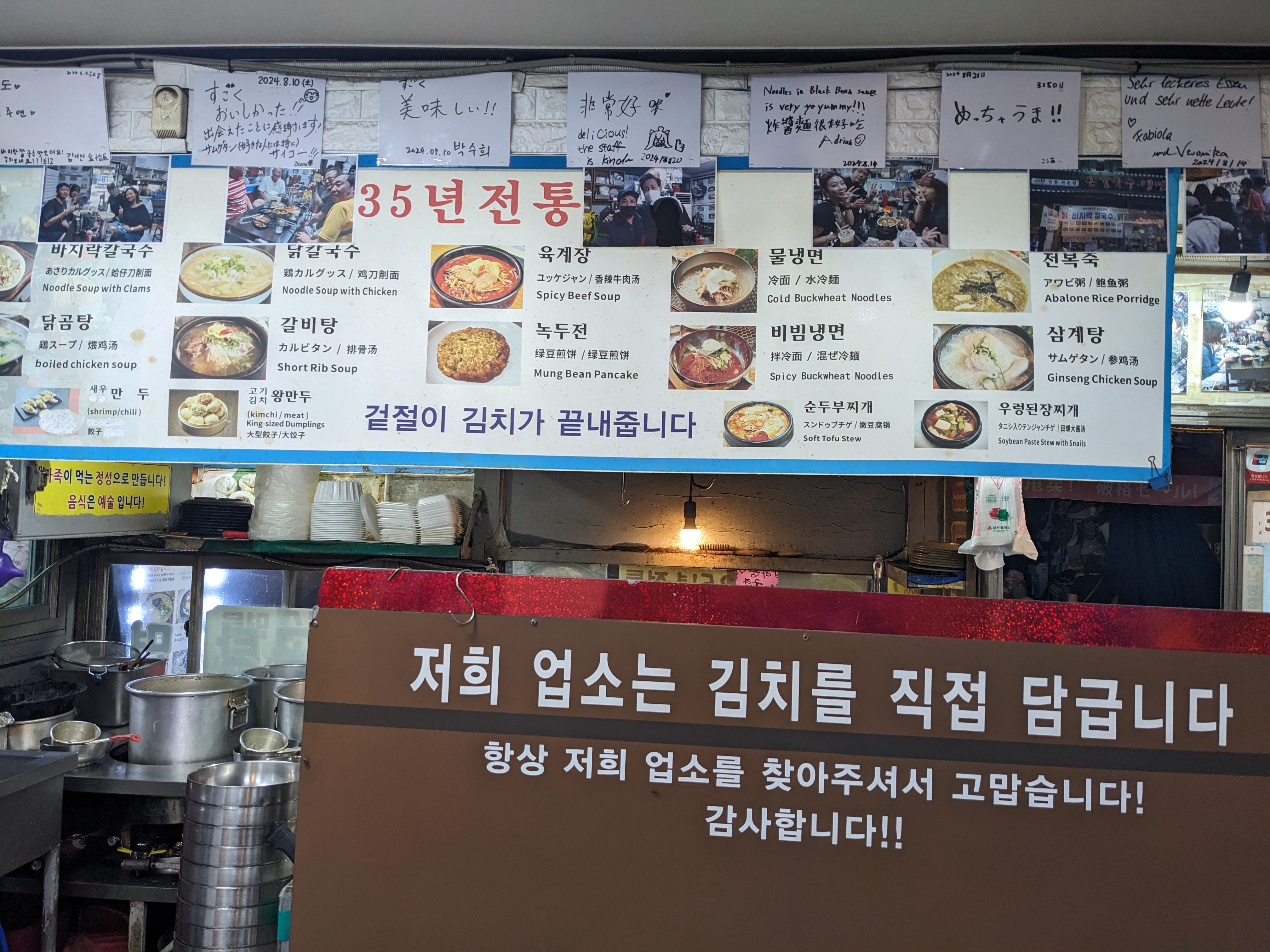
3. Gyeongdong Market – is a bustling market in Seoul, South Korea, offering a wide variety of fresh produce, seafood, ginseng, traditional Korean foods, and more. This is looked like a wholesale market and good place to buy some food souvenier such as ginseng, etc. But i suggest get a local to shop authentic stuff or try your luck. We ended up walking into this random restaurant which was filled with locals, especially student.
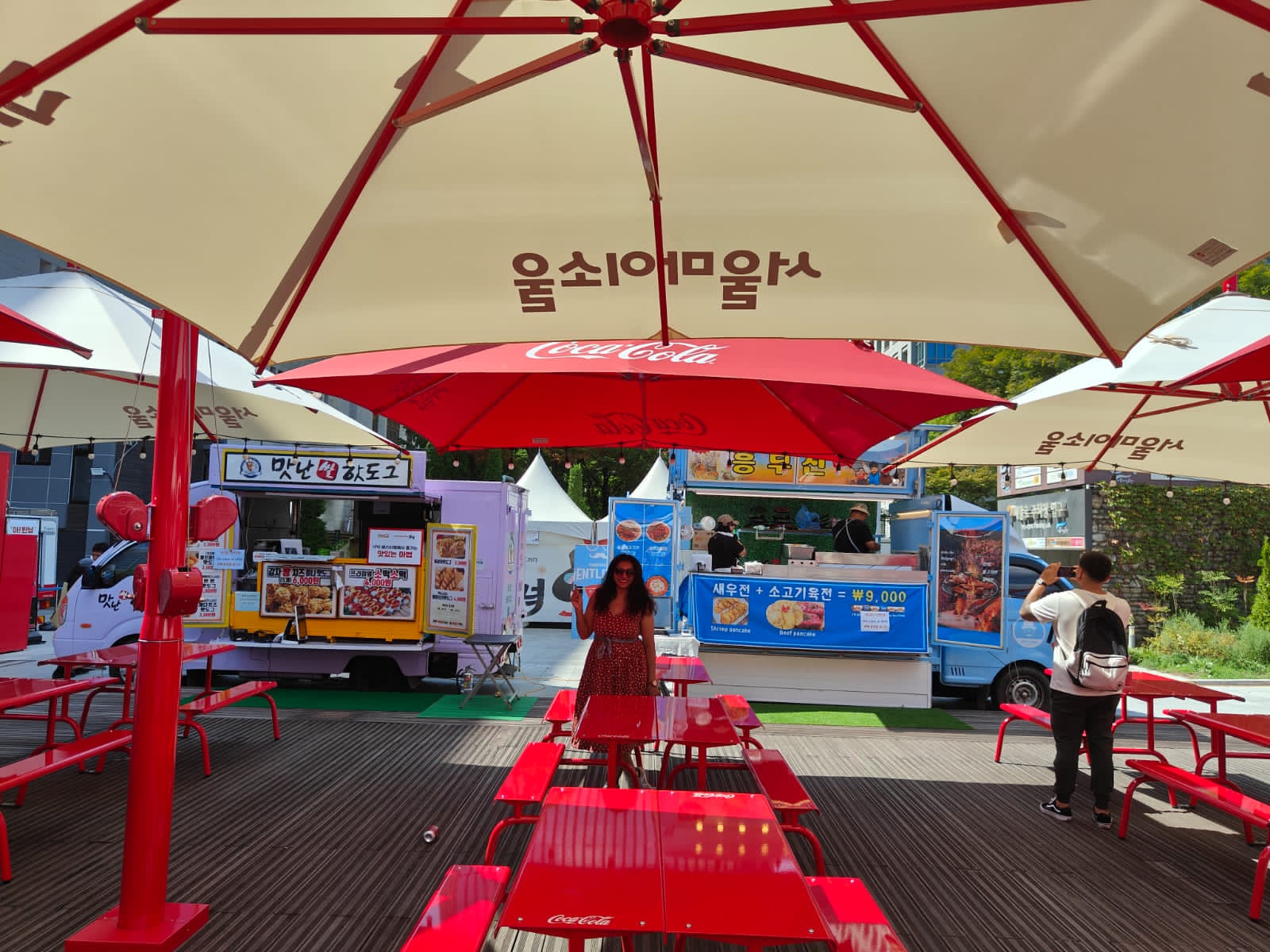
3. Seoul Bamdokkaebi Night Market (서울 밤도깨비 야시장) – It’s a vibrant and fun market to enjoy from summer through autumn in Seoul. With nearly 30 food trucks and 1,000 slots available, it’s an opportunity you don’t want to miss. They sell everything from steak and dakganjeong (deep-fried and braised chicken), to hotdogs, beverages, and more. Address: 88 Changgyeonggung-ro, Jongno-gu, Seoul(03195 서울 종로구 창경궁로 88) Direction: Take subway Line 1 at Jongno 5(o)-ga Station and use Exit 7. It’s a one minute walk from there. Timing: Closed on Sunday. Food Alley: 9:00am ~ 11:00pm
4. Namdaemu Market (남대문시장) – From daily necessities to souvenirs, Namdaemun Market is the largest market in Seoul and many of the stalls here are open until late into the night. Look for the specialized streets of goods between bites like the camera street, souvenir street, and stationary alley, and food alley. There are over 10,000 vendors from day into night in Namdaemun. Plenty to find. Address: 21 Namdaemunsijang 4-gil, Jung-gu, Seoul (04529 서울 중구 남대문시장4길 21). Directions: From Subway Line 4, Hoehyeon Station, take exit 7.


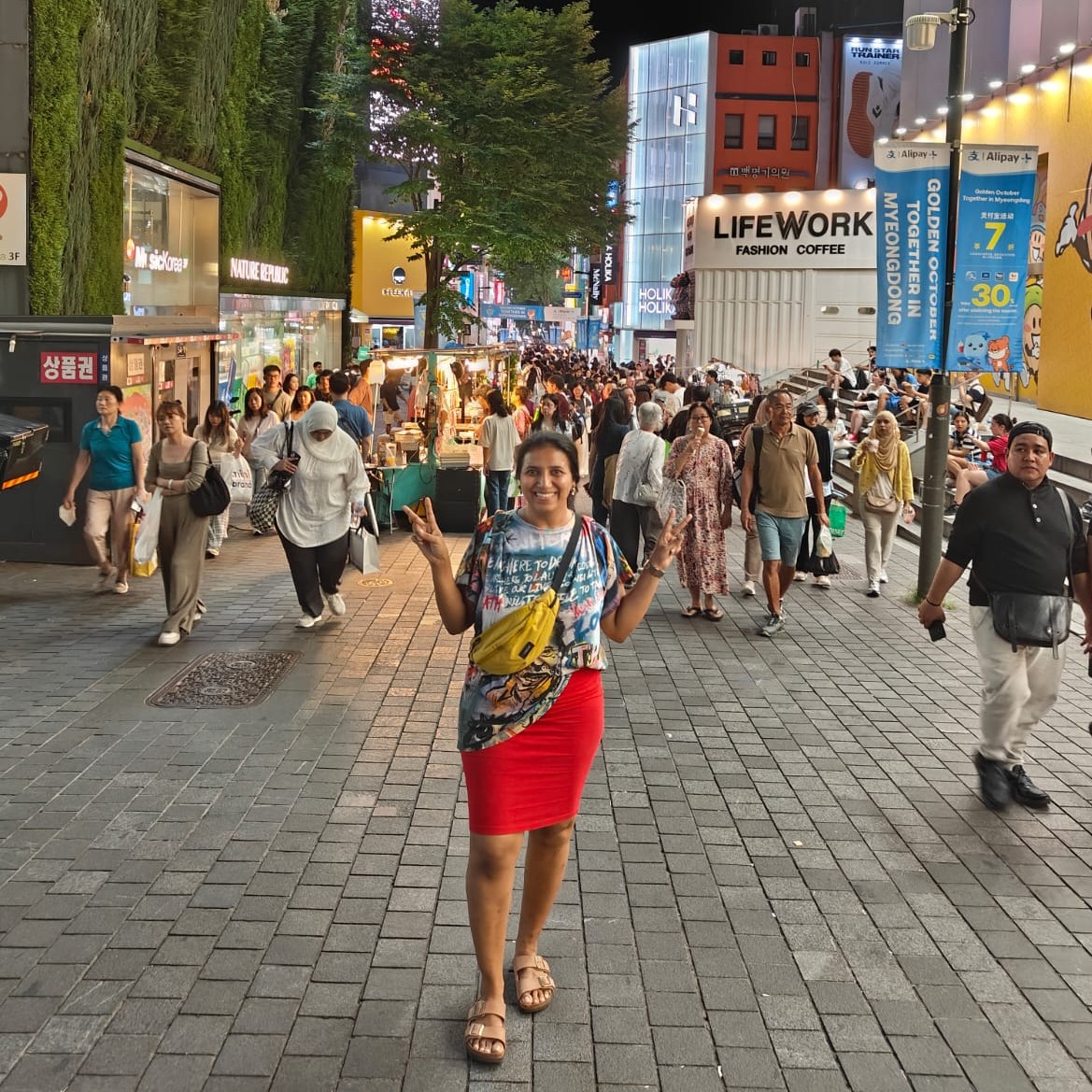
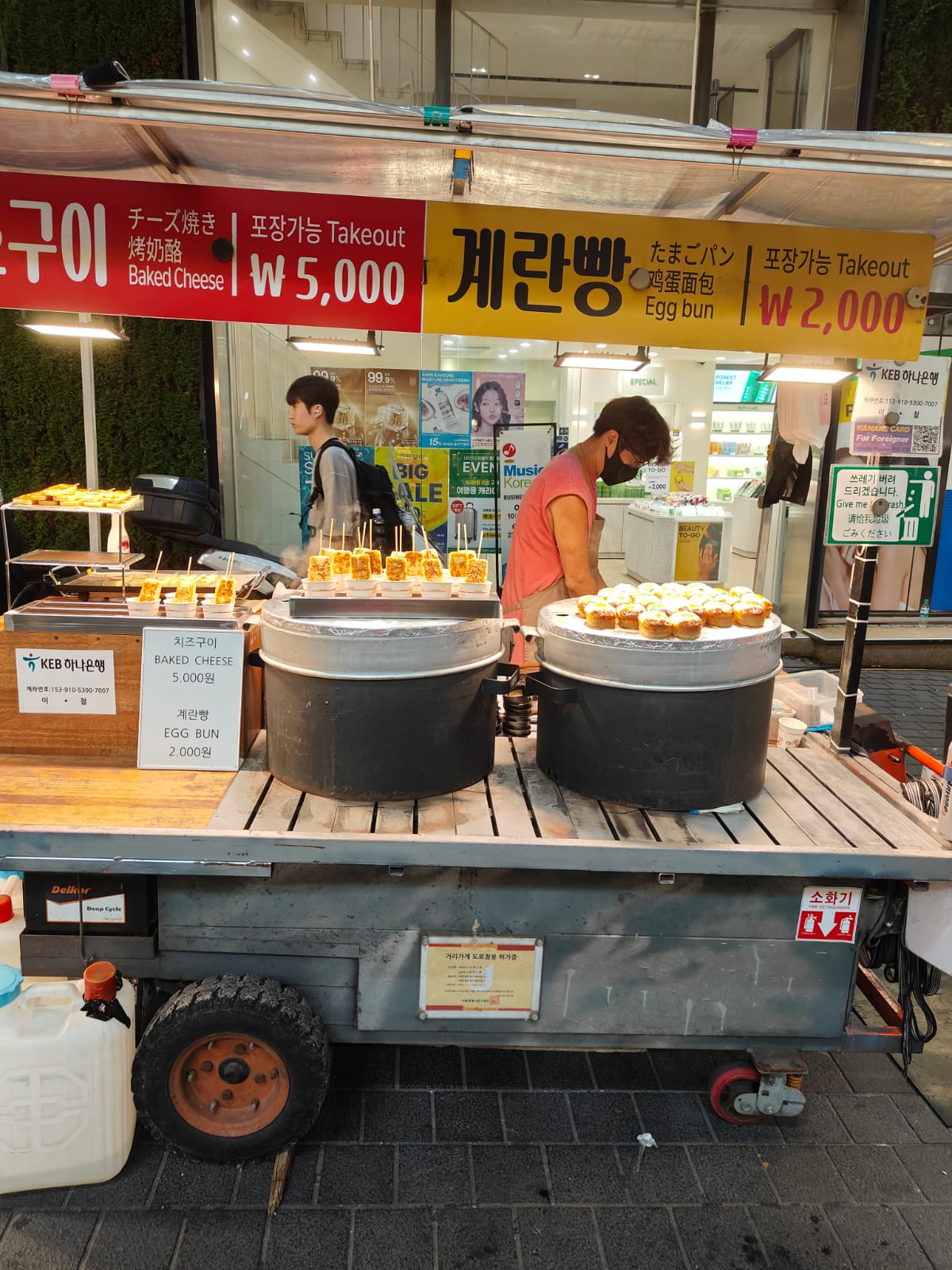
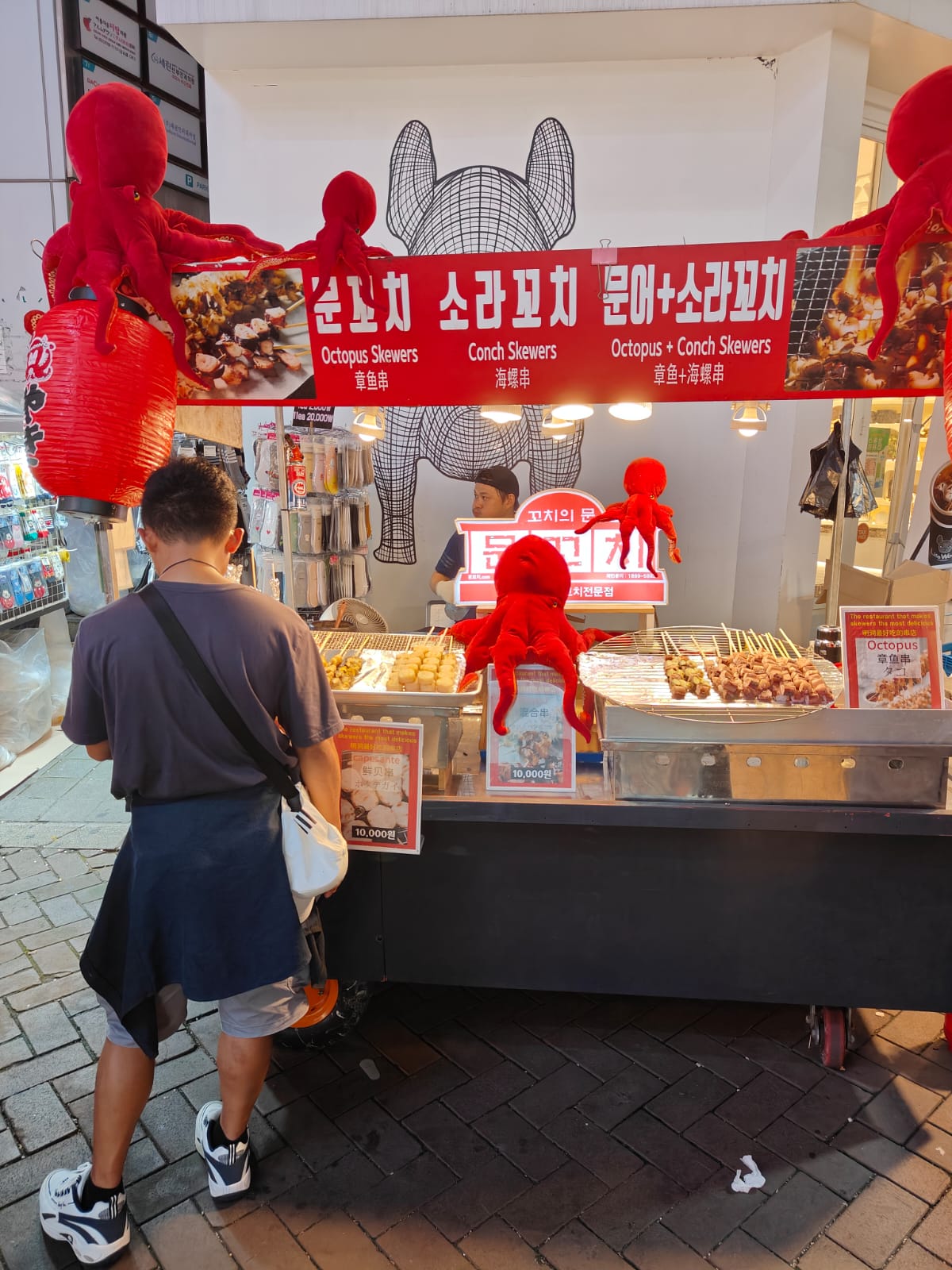
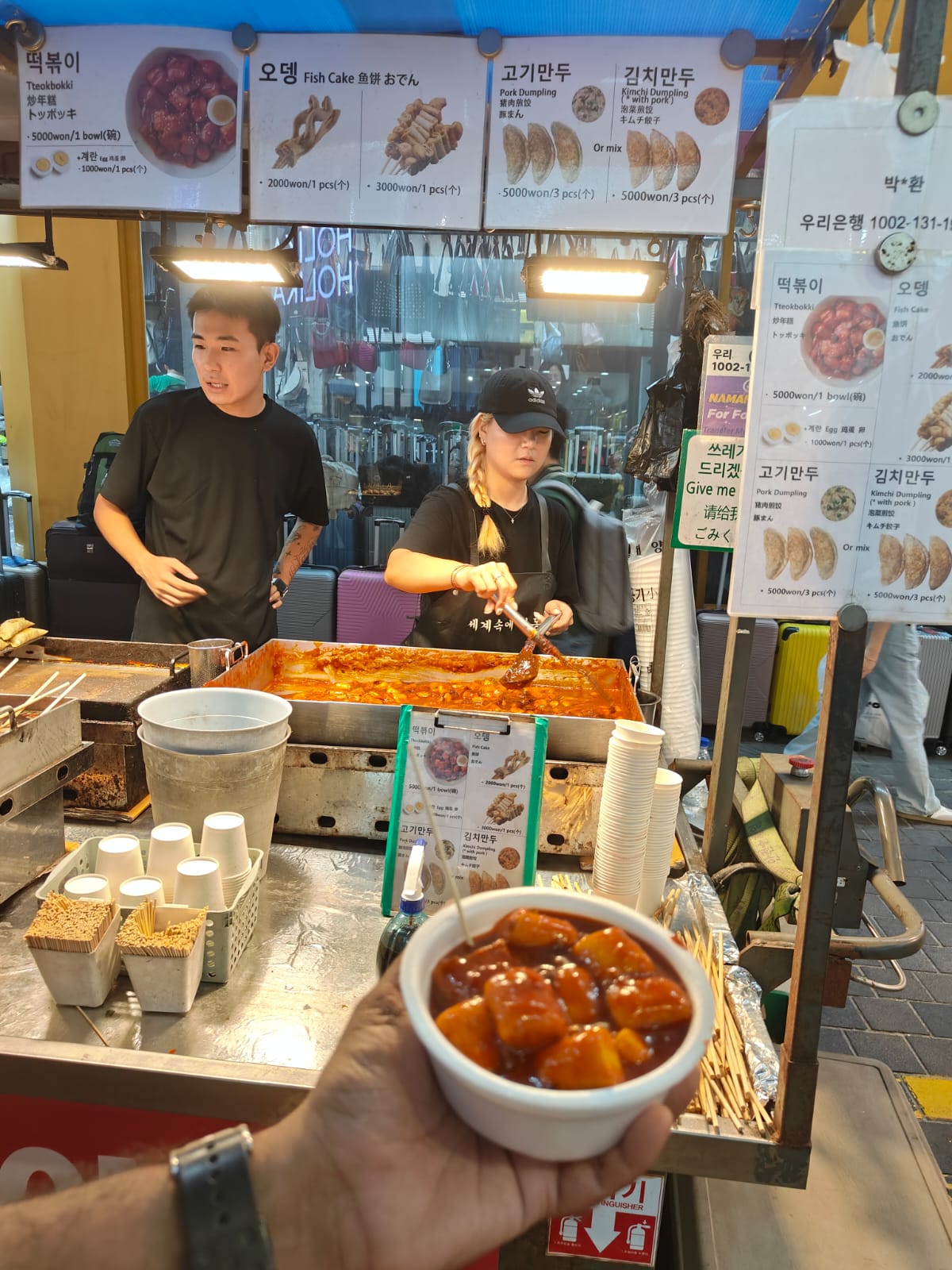
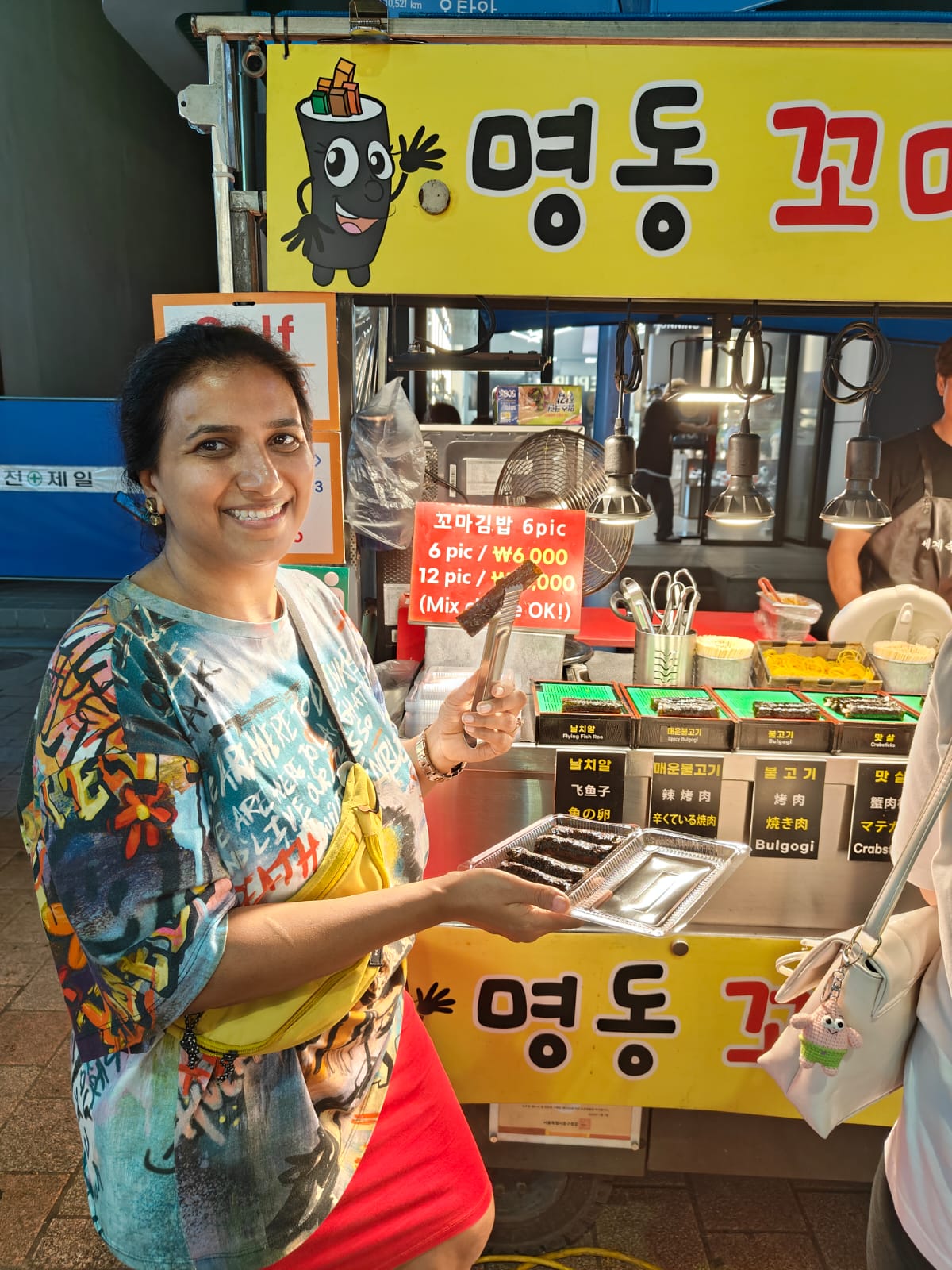
5. (Not recommended) Myeongdong Market – is a popular market and almost every travel guide will suggest Namdaemun market as their top choice. Extremely over rated. After a tired day and freshup, we took a subway to specifically try this market at night. It was horrible. Firstly, almost every street is extremely dirty, garbage spilling over, and we spotted even vomit in corners. the food stalls are extremely touristy selling you subpar food, barely any key ingredients, many are americanised korean food, and almost everything costs 2x or 3x (since this was on day 4 we already had fair idea of street food cost). Just not fun at all. Literally within 30-45mins we called it a night and on our way home we ate a convenience store. It was that bad.
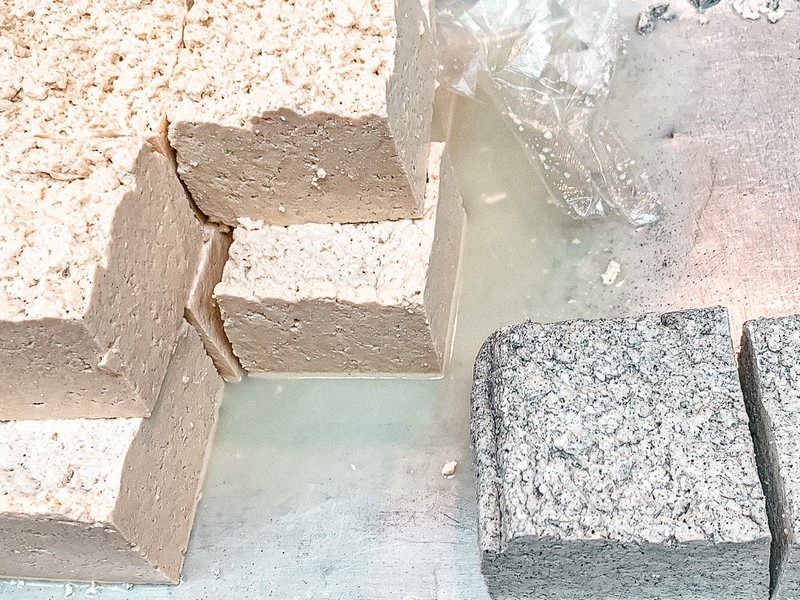
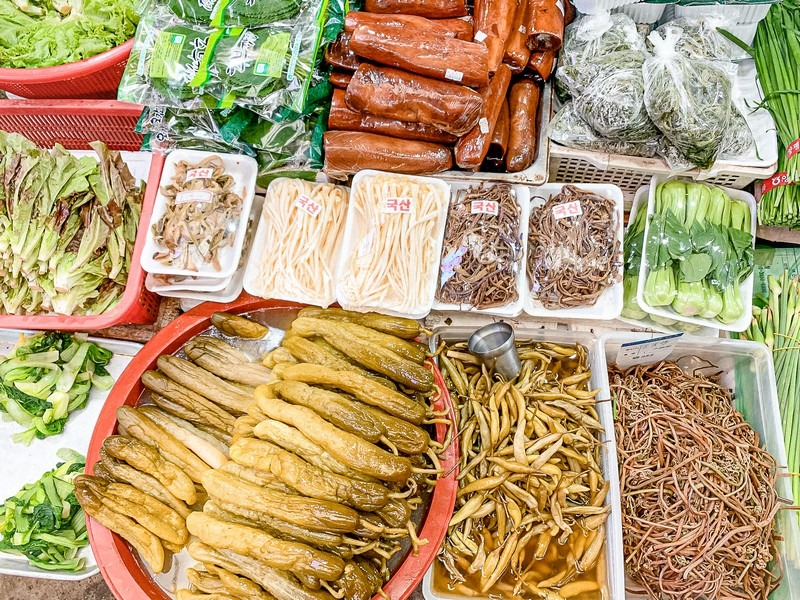
6. Mangwon Market & Mangridan-gil Street – Mangwon market is fresh produce market for lcoals to shop for their week. I love checking out local markets for fresh produce & spices as it gives a good peak into what lcoals eat and what grows in that region.


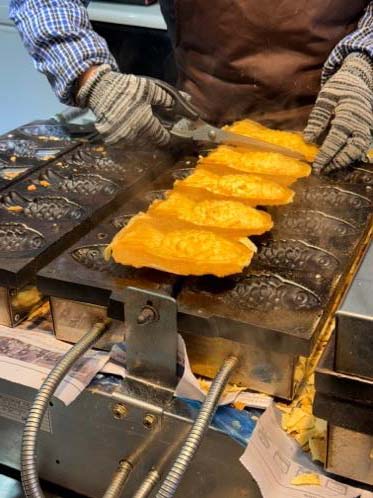
Dishes to try in Seoul
1. (veg) Bindaetteok (빈대떡) is a mung bean pancake and a complete vegetarian option. Usually served with soya sauce and paired with Kulguksu or soju.
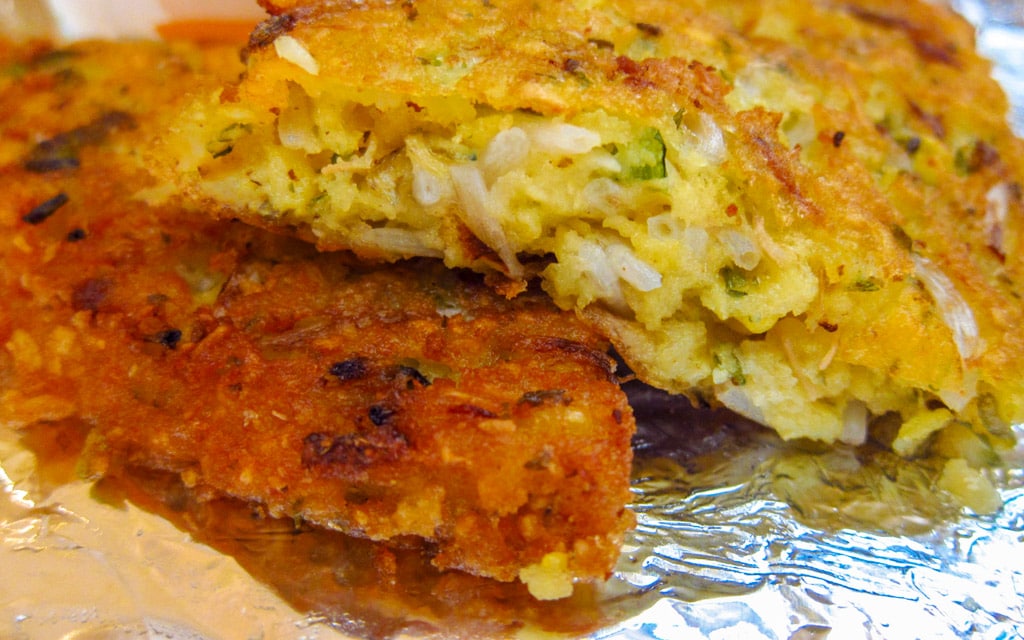
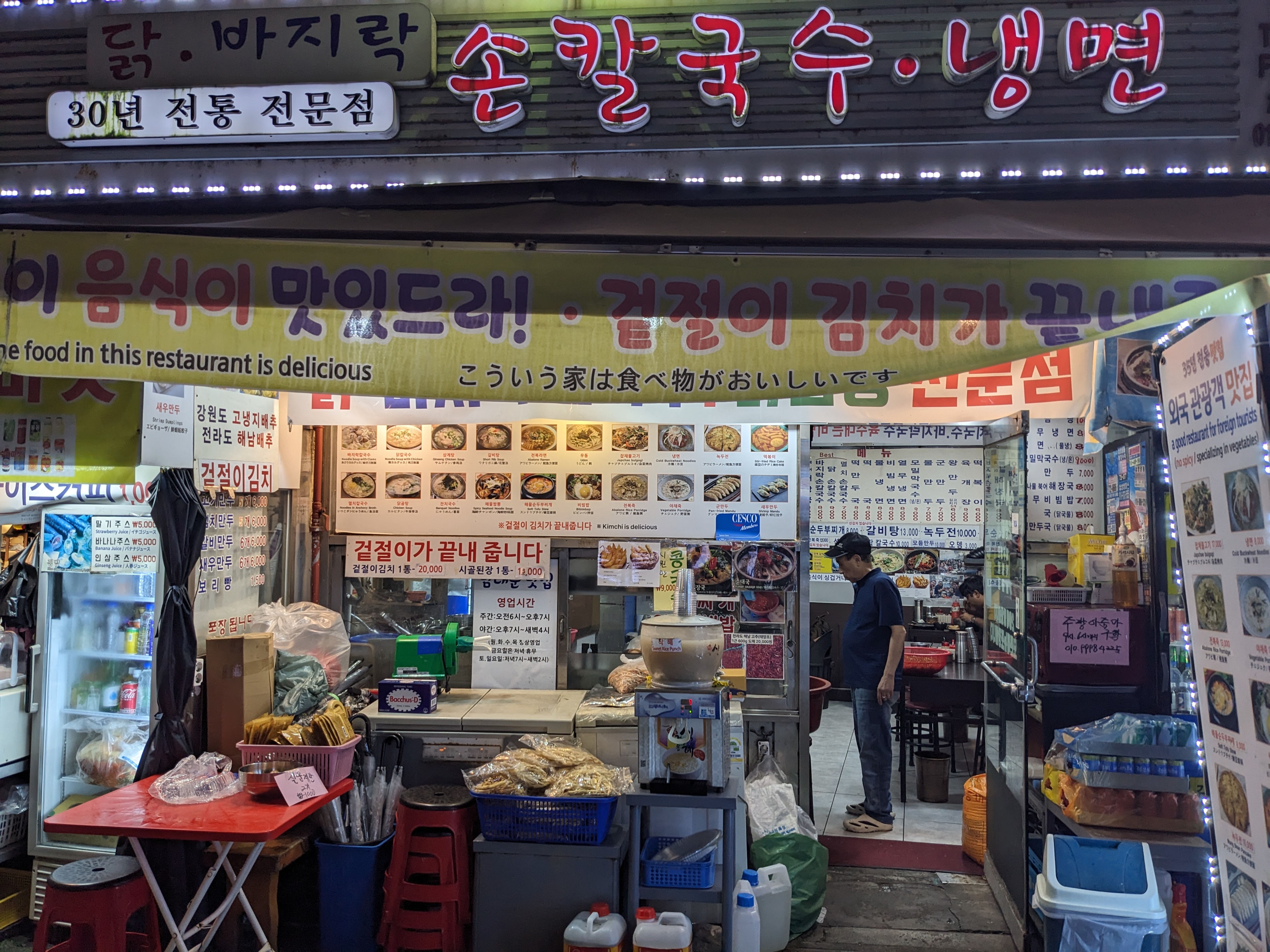
2. (veg) Kalguksu (갈국수) Kalguksu is knife-cut Korean style handmade noodles. The soup is hot and delicious and with a vegetable broth, it’s easy for everyone to eat including your vegetarian friends. The vendor selling Kulguksu was covered in a netflix food show, you will notice the banner.
3. Sundae (순대) Sundae are often translated to pig’s intestines. They’re similar to blood sausages and tend to be for the more adventurous eaters in your group, though I’ll tell you, they’re not adventurous as you really think. They’re sausages stuffed with glass noodles and are more noodles than anything else. You dip them in a little salt and they’re very savory and delicious.
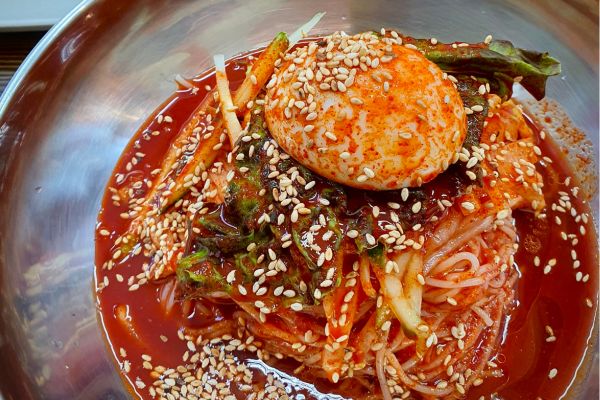
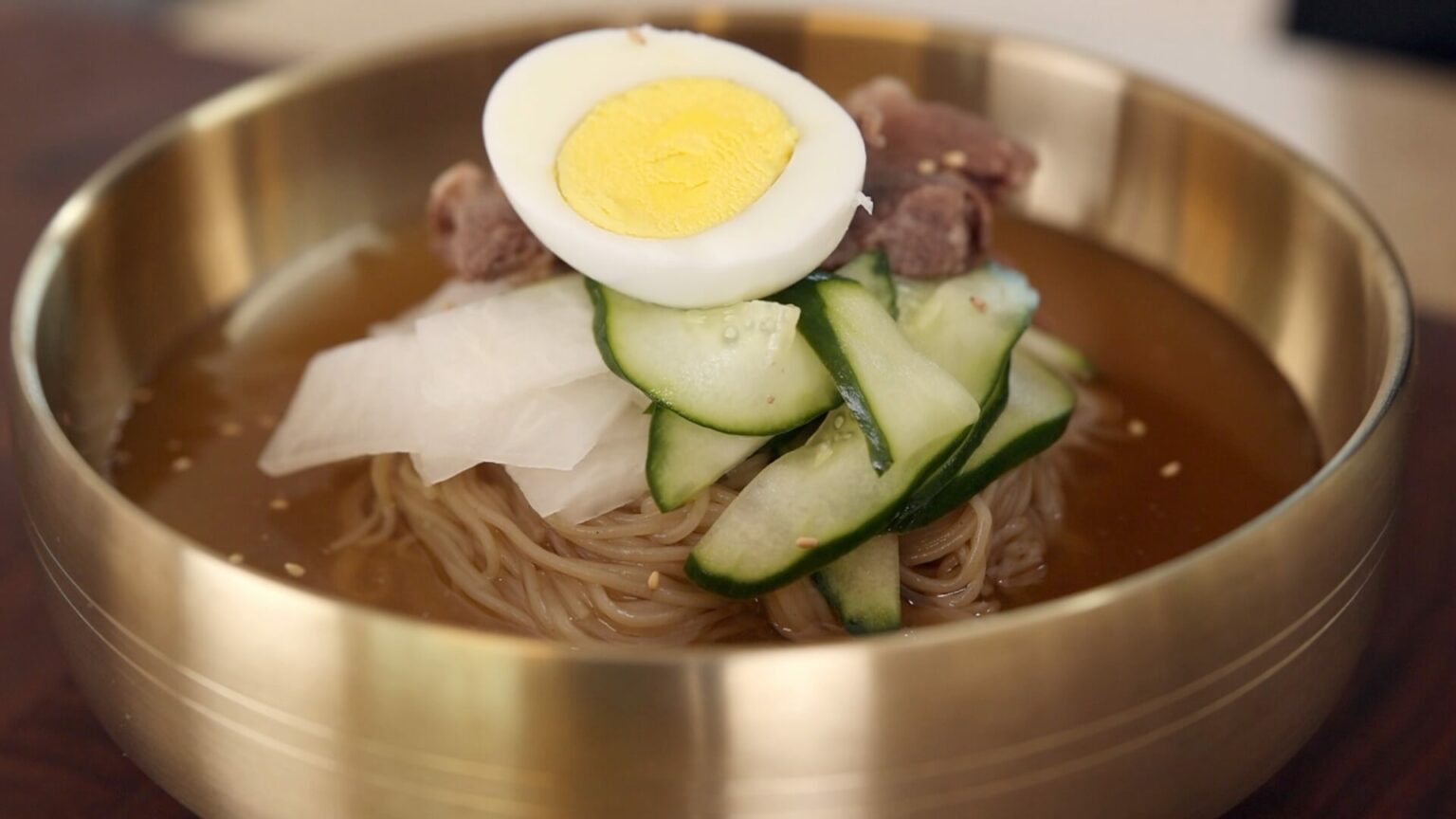
4. Mul-naengmyeon (물냉면) If it’s the hottest point in summer and eating a boiling kalguksu noodle dish isn’t calling you, this is the best option for you. Mul-naengmyeon is a cold noodle broth soup. Yes, there’s actually ice cubes in the soup! The buckwheat noodles are topped with radish, cucumbers and a hard-boiled egg. There is some wasabi on the side as well as the red-pepper paste in the bowl. There is a complete netflix episode on best Mul-naengmyeon served in South Korea. In some parts of Korea, Mul-naengmyeon is served with unique white raddish (Mul) kimchi made in the traditional style where the kimchi eatern pots are places in a dugout in the floor for fermentation. We did not find any restaurant thats serves kimchi from such pot but let me know if you did.
5. Jokbal (족발) Dalkbal is chicken feet and is made with a spicy red pepper sauce and if you’re lucky they have already been de-boned. All of the places in Gwangjang Market serve them de-boned luckily. The skin and tendons that make up the feet make the bite a bit crunchy while at the same time squishy. Jokbal is usually eaten as a side dish along with soju or makgeolli.
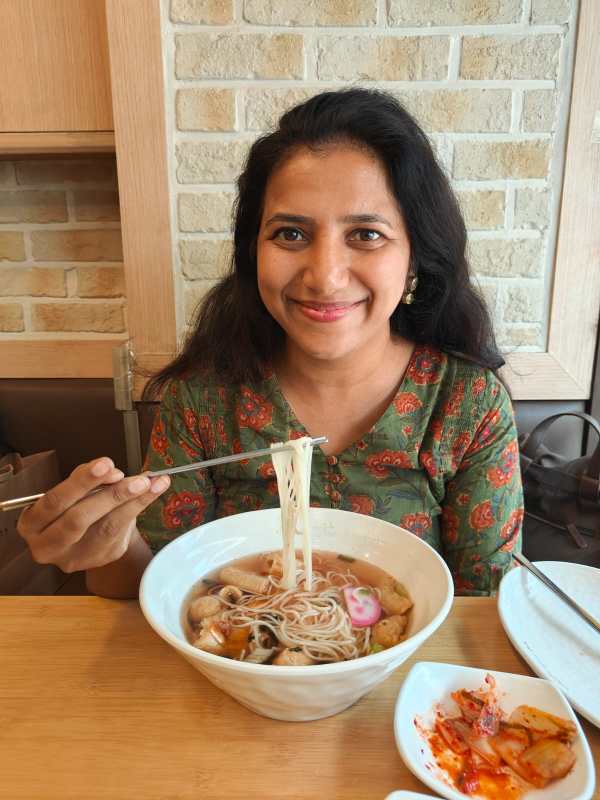
6. Janchiguksu (잔치국수) This soup is often eaten in Korean homes while also common at wedding buffets and other major events. It’s a warm and light soup that fills you up without weighing you down. It’s a pretty straightforward noodle soup with fish broth and some vegetables to top it off.
7. Ganjang gejang (간장계장) is a delicacy made by marinating fresh crabs in a soy sauce-based brine. Unlike other Korean dishes, it’s not grilled, stir-fried, or steamed—it’s raw. It’s not really raw when you eat it though as it’s been cured in the soy sauce marinade’s high sodium that preserves the crab. The process transforms the crab into a flavorful, jelly-like texture, perfect for savoring bite by bite. Ganjang gejang holds a special place in the hearts of umami seekers with its deep, savory notes.
8. Bibimbap (비빔밥) is rice mixed with vegetables, meat, and a spicy sauce to be mixed together. There are 2 versions, cold – which is practically rice & ingredients at room temperature) and hot dolsot bibimbap (돌솥비빔밥) – wherein all the ingredients are placed in this hot stone bowl and served. We really loved the hot stone version (Indians and hot food, ofcourse!) and here the vegetarians can ask to not serve the meat.
8. Yuk-hoe (육회) Yuk means meat and hoe means sashimi. A tender cut of beef is thinly sliced and often mixed with a marinate of soy sauce, garlic, sugar, sesame oil, salt and pepper. It’s served on a platter with the raw egg on top and some thinly sliced Korean pear. Once on the table one person will mix this all together into a rather sloppy mess, it looks much more pleasant before it’s mixed together, and then diners dig in. Yuk-hoe is one of the most popular dishes at Gwangjang Market.
Common quick snacks to try
1. Gimbap (김밥) is a rice roll with vegetables and/or meat inside that is wrapped with seaweed. These dishes are customizable, so you can ask for milder flavors or leave out ingredients your child may not prefer. Tuna gimbap is popular and delicious and just plain gimbap is a good option too and is quite mild. Chungmu kimbap is also a great option. It’s just plain rice wrapped in seaweed. It is served with kimchi and spicy radish, but it’s on the side.
2. Tteokbokki (떡볶이) Easily recognizable, this Korean street food called tteokbokki is all over. Sticky dense rice rolls are stewed in a thick red pepper sauce and they are spicy! They’ll be served hot from the simmering pan. Koreans call it a snack, I call it a meal. Usually, you’ll order a dish of tteokbokki along with a dish of sundae. They go together really well.
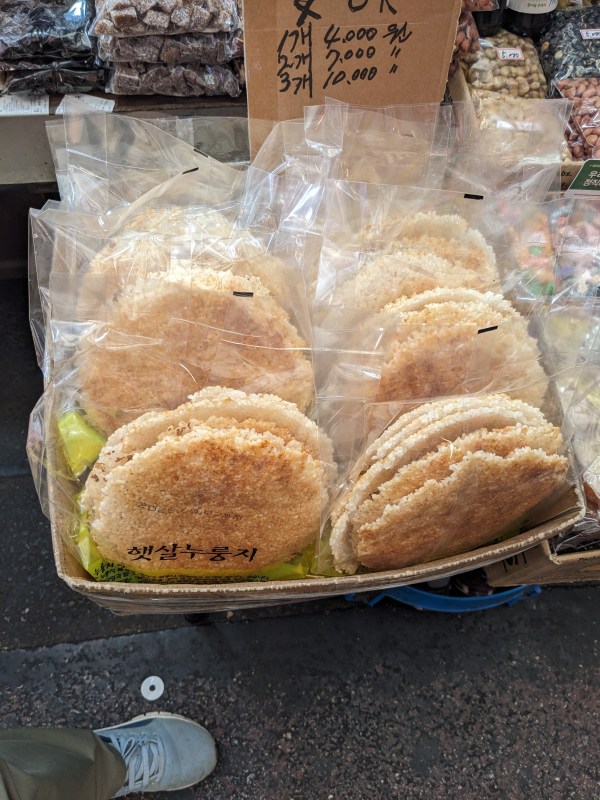
3. Nurungji (누룽지) Called burnt rice or scorched rice, nurungji is the crispy, golden crust that forms at the bottom of the hot pot when cooking rice.
4. Japchae (잡채) This glass noodle dish usually served with vegetables like carrots, spinach, bell pepper, mushroom, and strips of meat.
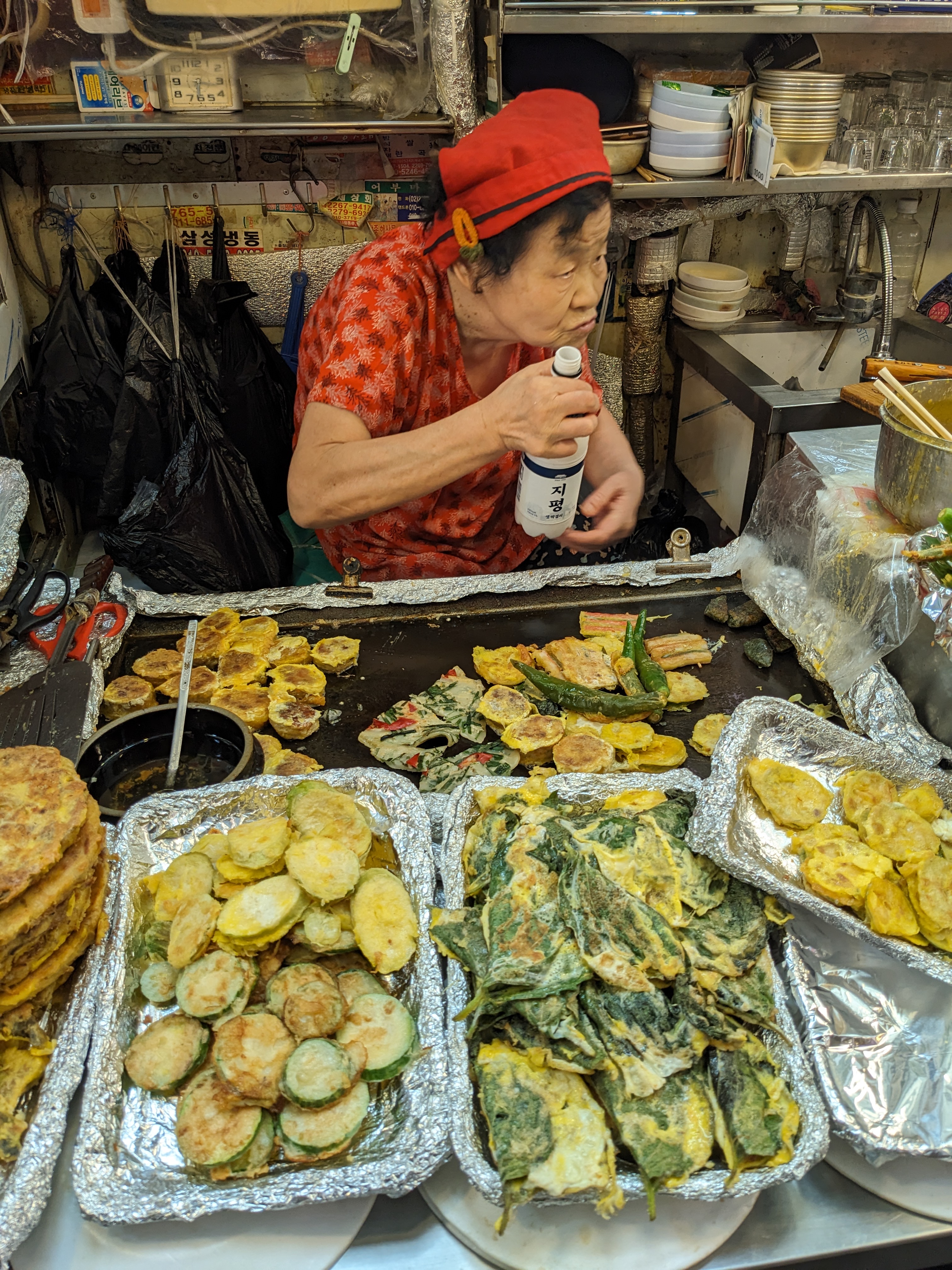
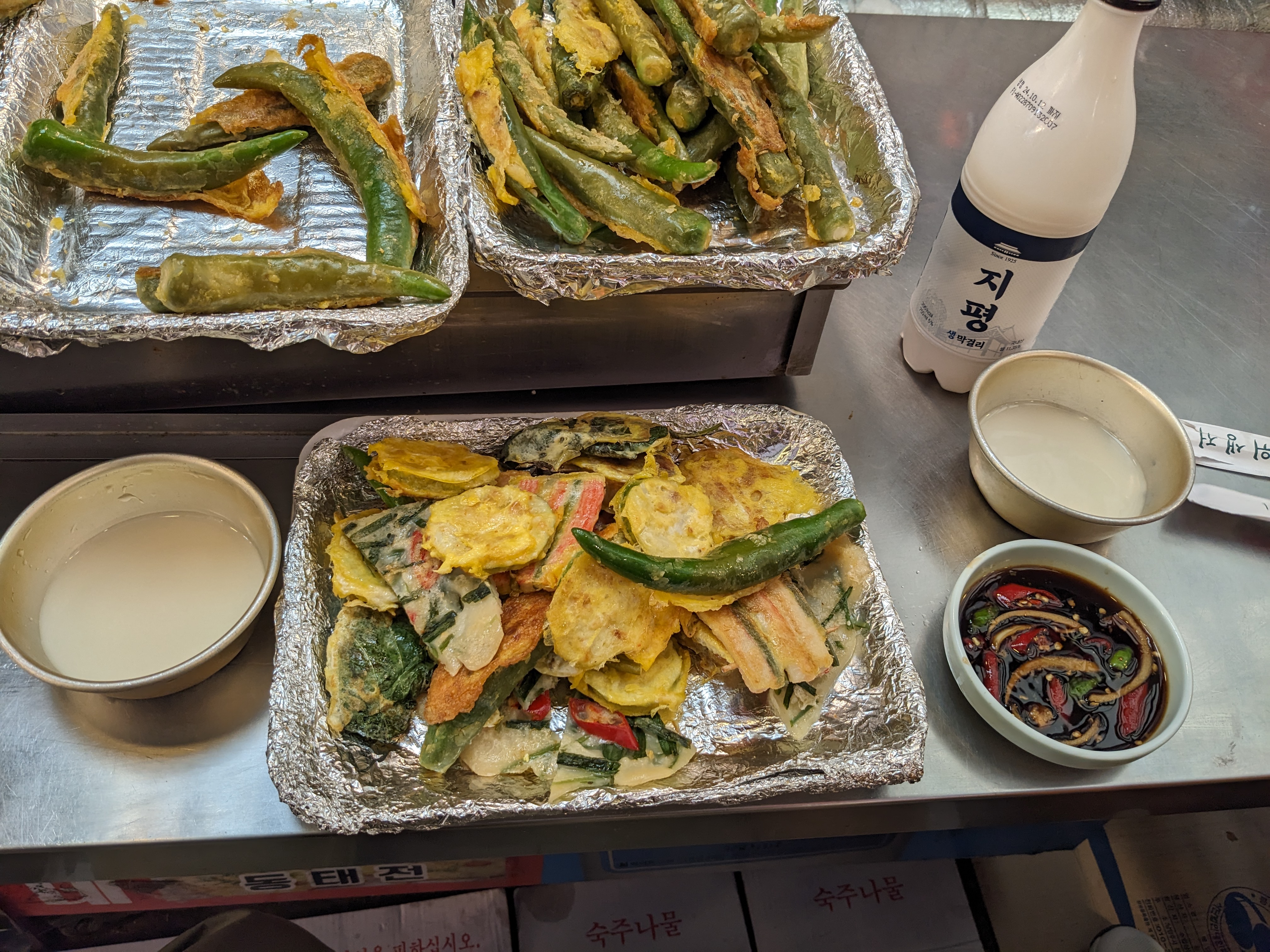
5. Jeon (전) is a kind of Korean pancake that is made with vegetables or seafood, and even kimchi. The variations are called (i) Pajeon (파전) is a scallion pancake (vegetarian) (ii) Gamjajeon (감자전) Potato jeon (most make it vegetarian) (iii) Kimchijeon (김치전) Obviously the spicier option as it has kimchi (iv) Haemul Pajeon (해물파전) is made with squid and shrimp and maybe clams or oysters as well. (v) Yachaejeon (야채전) It usually has zucchini, mushrooms, eggplant, and/or perilla leaves (vegetarian).
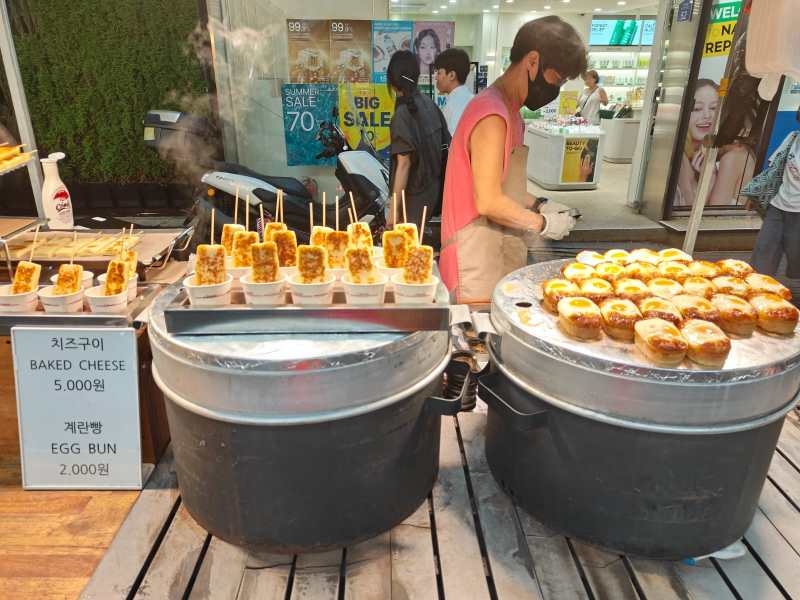
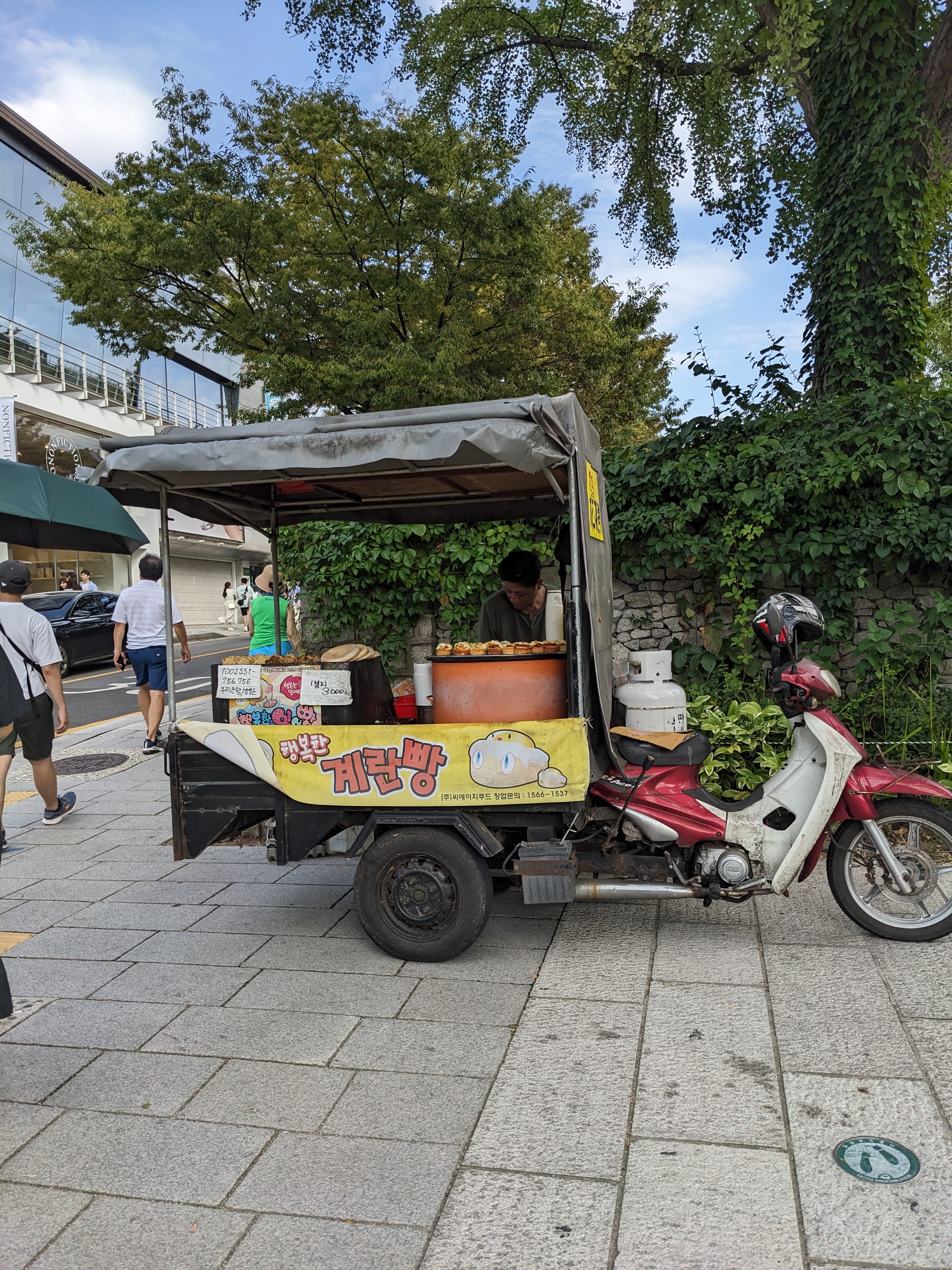
5. Egg bread (계란빵) is a light sweet bread topped with an egg. Straight forward and delicious.
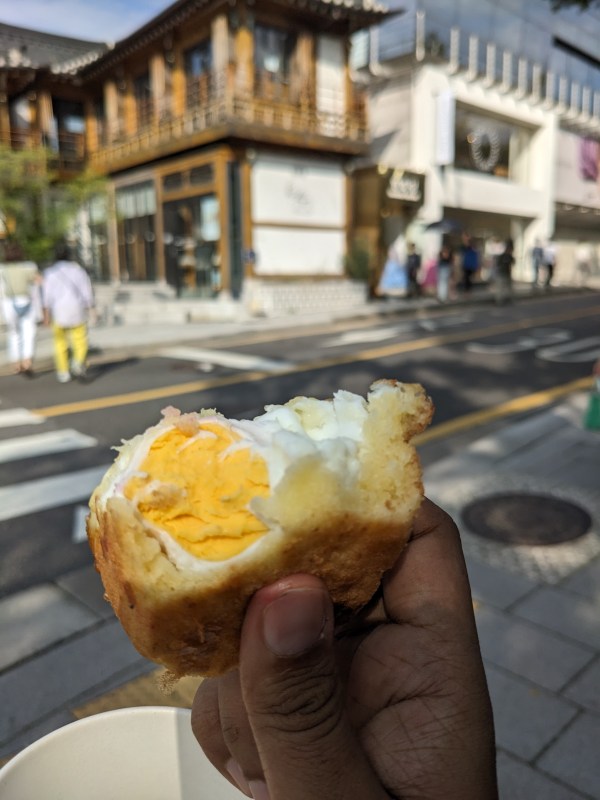
6. Hotteok (호떡) is a Sweet Korean pancake filled with a gooey mixture of brown sugar, cinnamon, and nuts. This is the perfect dessert to finish up any meal.
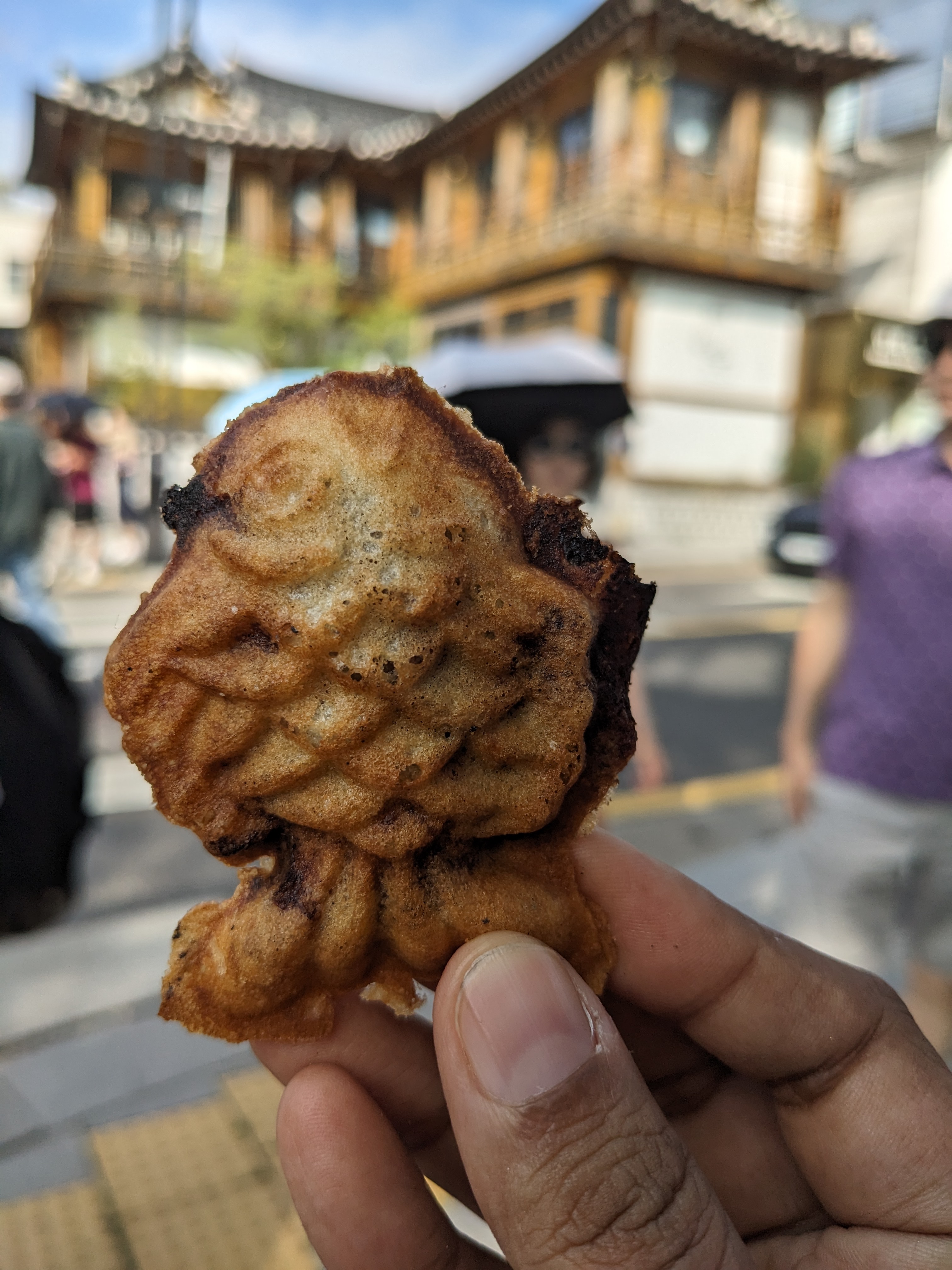
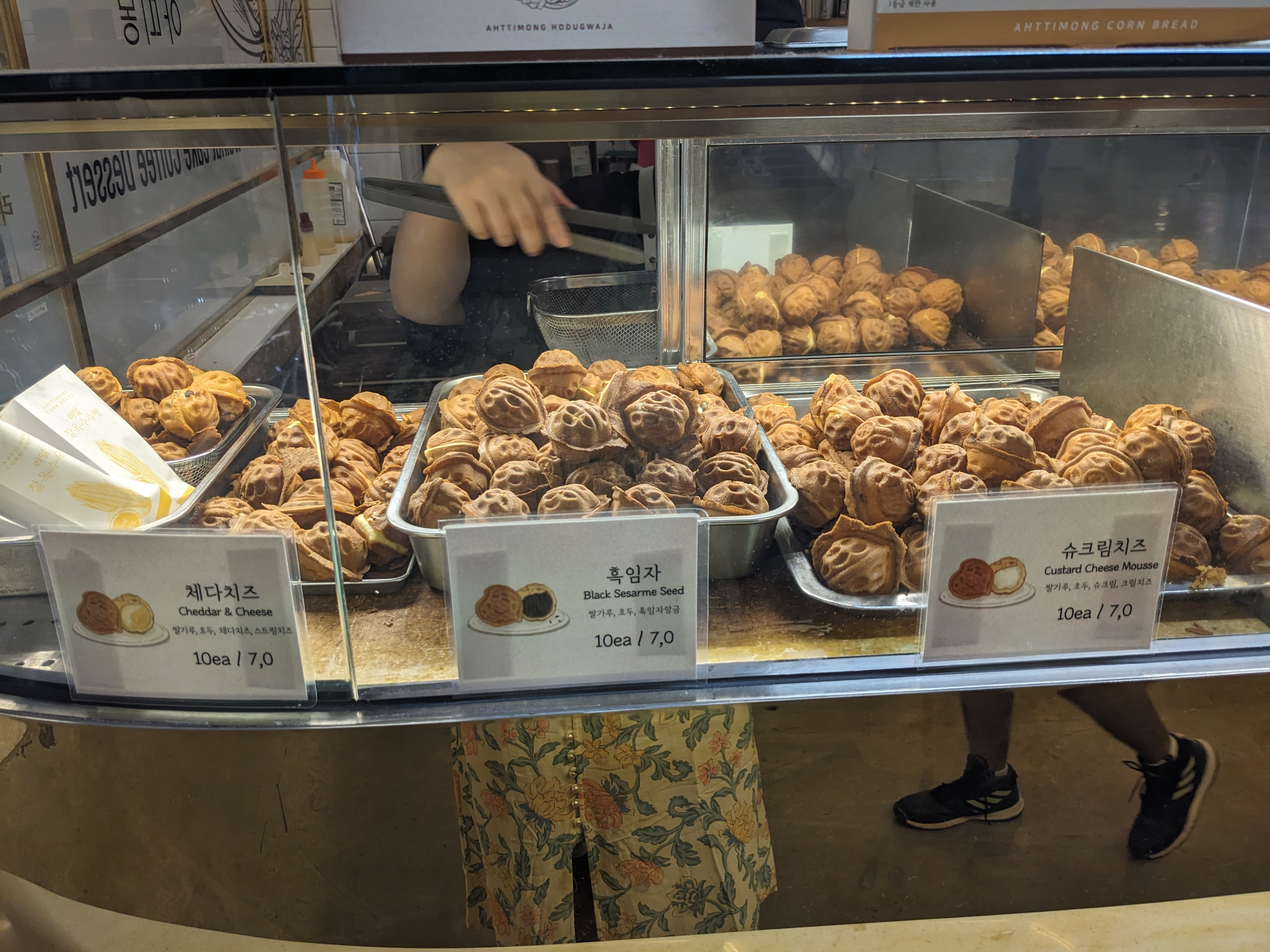
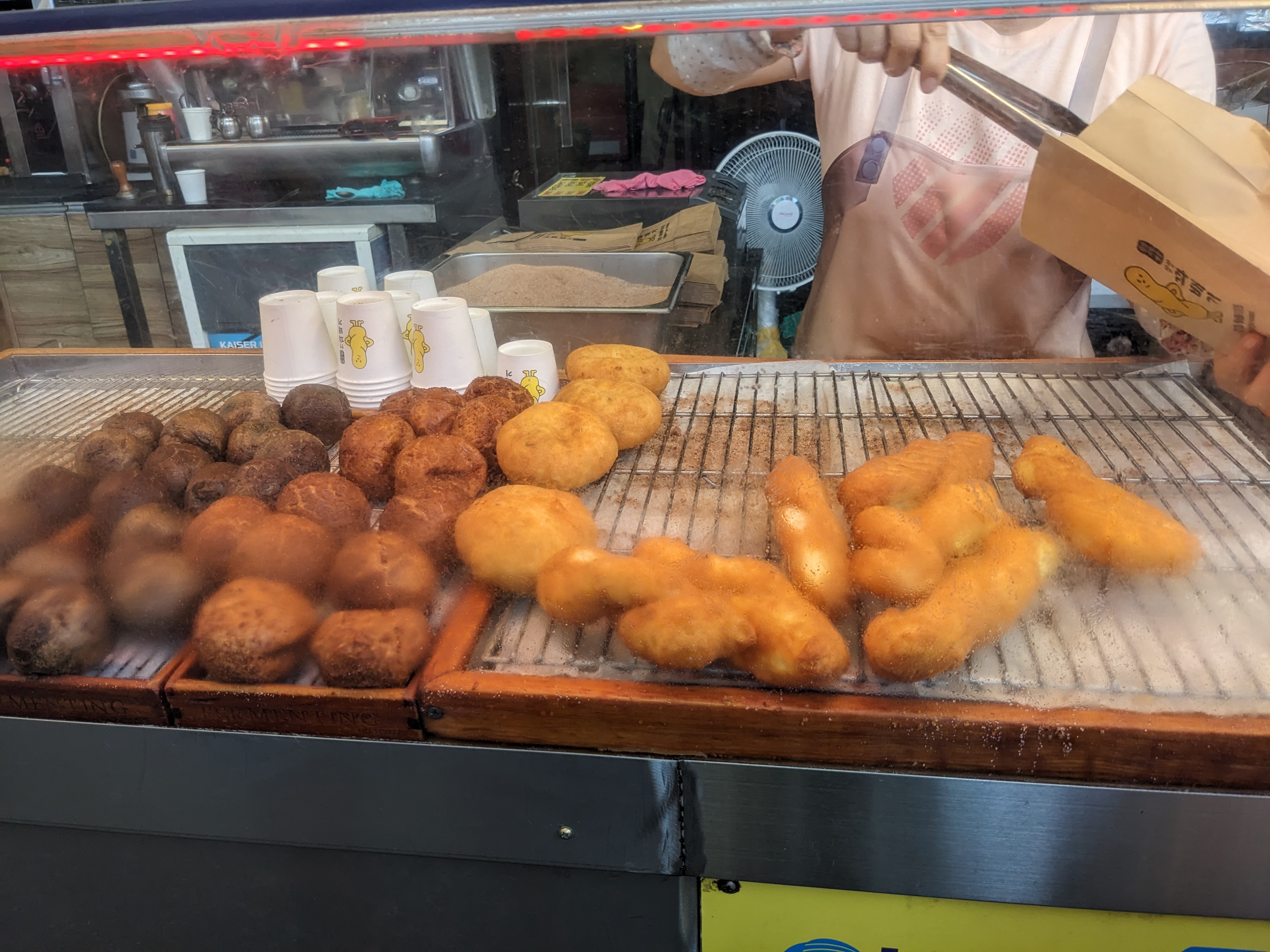
7. Bungeoppang (붕어빵) is a Fish-shaped pastries filled with sweet red bean paste, a popular Korean street dessert. While the fish shaped pang (bread) is peculiar to notice, there are versions of shapes of this pang. I tried the simple round shape, twisted shape, walnut shape, and peanut shape. This is favourite and couldnt pass without eating them.
Common broths served in Korean restaurants
For meat lovers, this is must to understand as what to order. But since my guides are primarily designed for Indians, so even if you are not a beef eater or nonveg eater, you should have basic idea of what not to order or how can you customise to still get the local flavour.
Chuotang (추어탕) – is mud fish stew. The fish is crushed up and boiled with aromatics (leaks, green onions, cabbage, garlic) along with spice and umami (soybean paste and red pepper paste). This is supposed to be a healthy option and sometimes consumed even in light sickness.
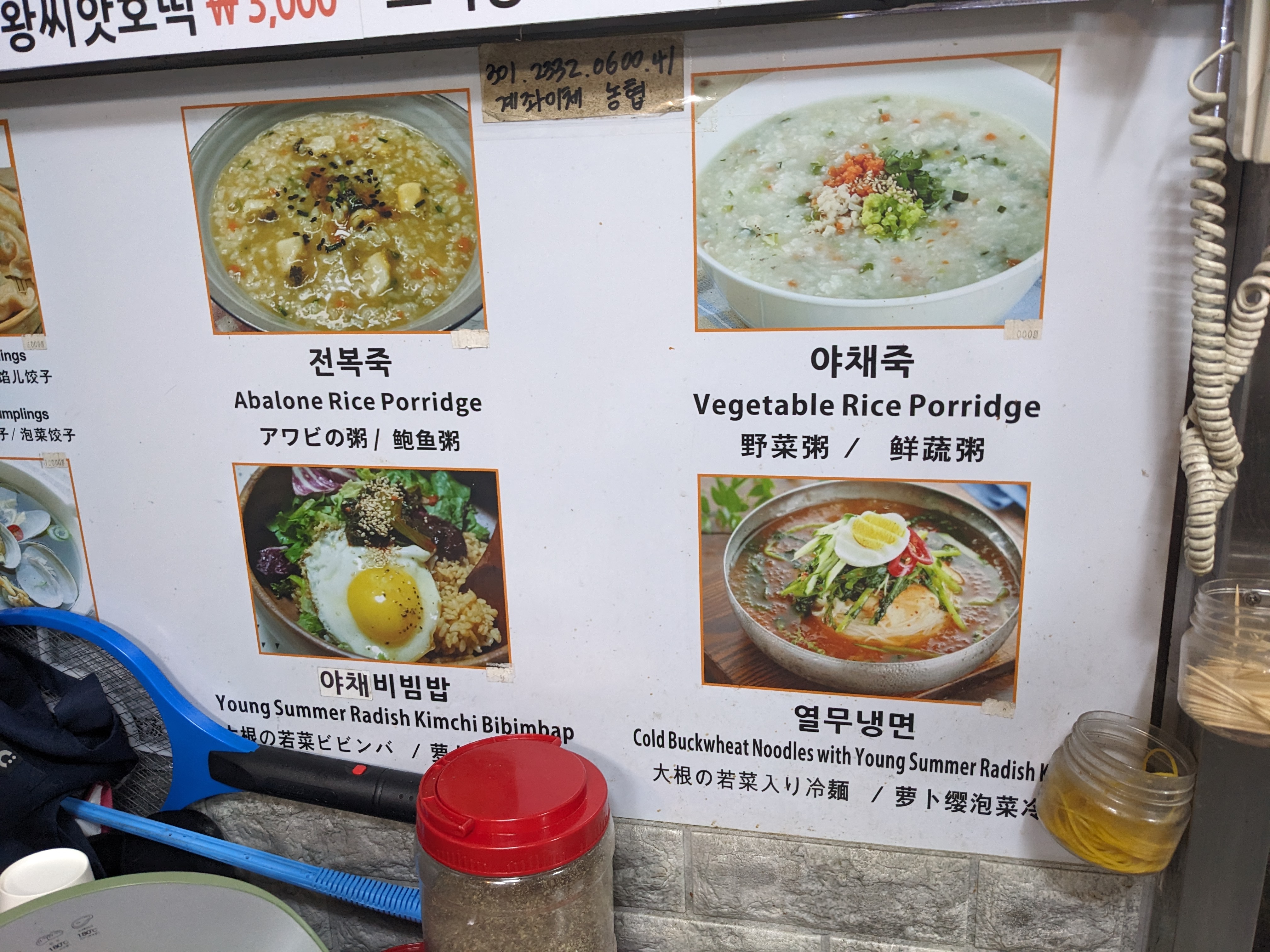
Kongguksu (콩국수) – is a classic Korean cold noodle dish, featuring chewy wheat noodles served in a chilled, creamy, and savory broth made from ground soybeans.
Haejangguk (해장국) – or hangover soup as they call it is a soup made with cabbage, congealed ox blood, and a hearty beef broth. However, in popular tourist places, you will find this soup made from even in chicken & pork. Most areas with all night party hangouts, popularly have some restaurants that operate 24hours or open early morning to serve this soup to all hangover people. Hence, the name!
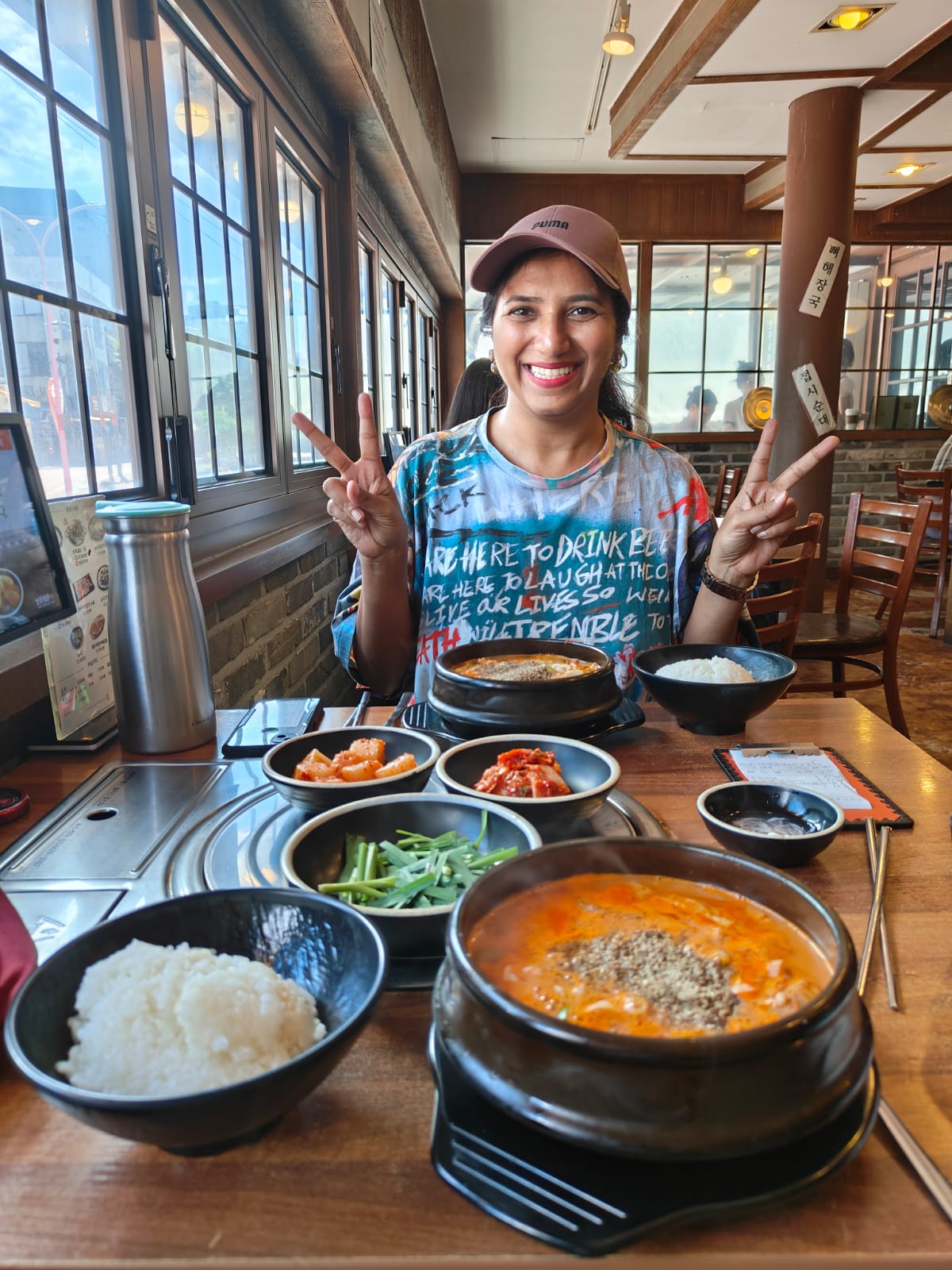
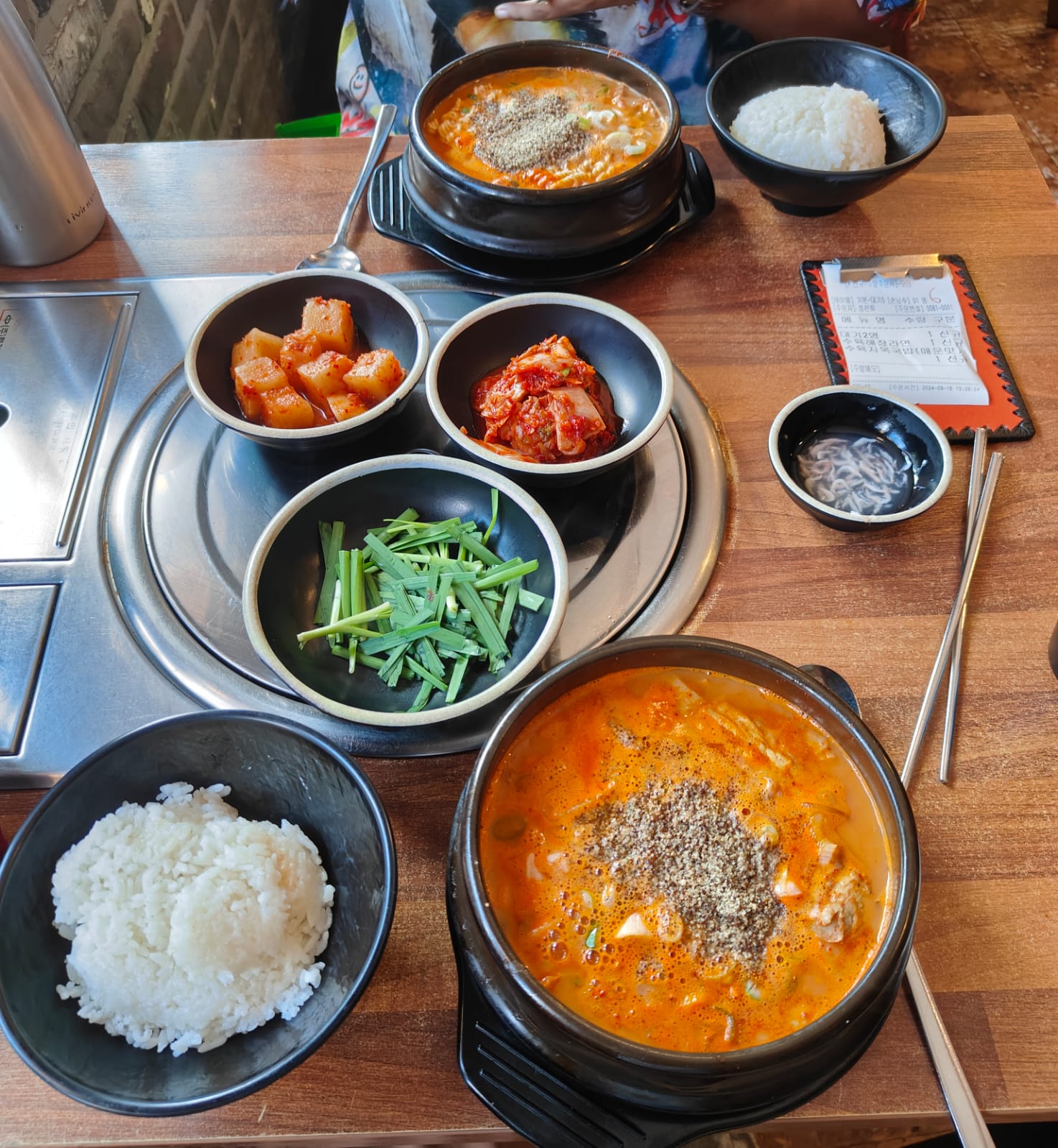

Gamja-ongsimi-guk (감자옹심이국) or Gamjaguk (감자국) – Gamja 감자 means potato, ongsimi 옹심이 means dumplings, and guk 국 means soup. While the main ingredients is potato in this soup, some add meat pieces, meat powder, etc to enhance taste. vegetarians can ask this is to be made in Buddhist temple style.
Seolleongtang (설농탕) – is a milky beef bone soup that’s made by boiling down ox leg bones for several hours until the broth becomes rich and creamy white.
Gomtang (곰탕) – is seemingly simple looking soup that is all about a delectable nutrient-dense broth that has been stewed for hours, gomtang is a traditional soup that was enjoyed by the royal courts. It is typically a clear beef soup made by boiling different cuts of beef including ribs, ox tail, and brisket, among other parts.
Restaurants that are must try
- Yonggeumok (용금옥) – Opened in 1932 in a different location, it has been in its current location since 1961 and serves Seoul-style chuotang as well as Jeollanam-do style chuotang. What’s the difference? Seoul-style has whole loach in the stew while Jeollanam-do is made with ground loach. What to eat: Chuotang Address: 24-2 Dadong-gil, Jung-gu, Seoul (서울 중구 다동길 24-2) Hours: Monday – Saturday: 11:00am ~ 10:00pm
- Cheongjinok (청진옥) – Opened in 1937, this restaurant serves haejangguk (해장국), commonly known as hangover soup. For a country that does a lot of drinking, you won’t be surprised they have a number of hangover cures with the most traditional being a hydrating soup. What to eat: Haejangguk Address: 32 Jongno 3-gil, Jongno-gu, Seoul (서울 종로구 종로3길 32) Hours: Every day: 6:00am ~ 9:30pm
- Jeonju Jungang Hoekwan (전주중앙회관) – If you don’t have the time to visit the Jeonju Hanok Village, but you want to try the food you should eat there, then make time to visit Jeonju Jungang Hoekwan which was opened in 1959 in Seoul. Bibimbap is pretty much a winner with any palate, so take your friends, order a lot, and share the numerous delicious dishes. What to eat: Rice and vegetables served in a hot stone bowl Address: 32-1 Sejong-daero 14-gil, Jung-gu, Seoul (서울시 중구 세종대로14길 32-1) Hours: Every day: 8:30am ~ 10:30pm
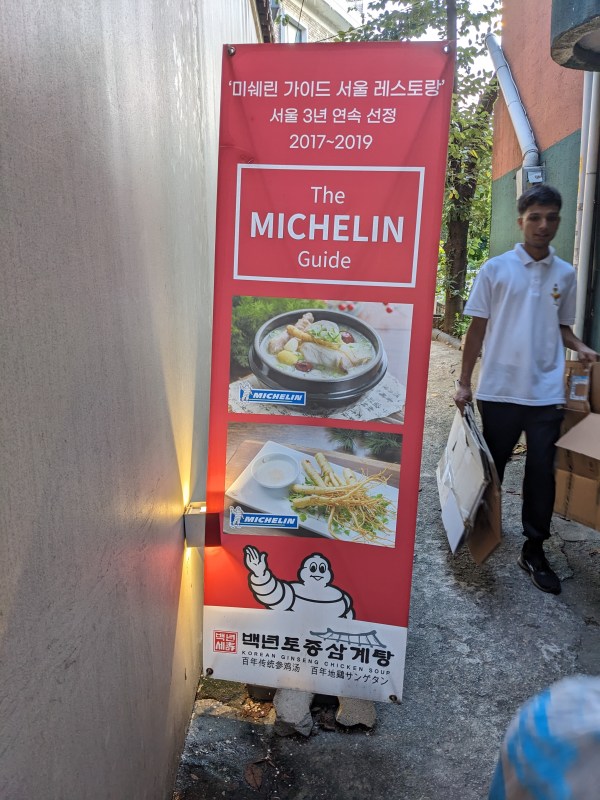
- Goryeo Samgyetang (고려삼계탕) – Opened in 1960, this restaurant serves up a delicious samgyetang soup, or ginseng chicken soup. They pride themselves on buying chickens that are about 49 days old, add ginseng, jujube, garlic, and sticky rice, along with traditional Korean herbs, for a delicious and healthy stew. What to eat: Samgyetang (Ginseng chicken soup) Address: 55-3 Seosomun-dong, Jung-gu, Seoul (서울시 중구 서소문동 55-3)
- Jinju Hoekwan (진주회관) – Opened in 1962, Jinju Hoekwan is known for serving up one of the best bowls of kongguksu, a cold soy milk broth noodle soup, around. Another one of those delectable cold summer soups, it’s thick, filling, and becomes one of those summer dishes you look forward to finding. Find it here if you can. What to eat: Kongguksu (Cold Soymilk Noodle Soup) Address: 26 Sejong-daero 11-gil, Jung-gu, Seoul (서울시 중구 세종대로11길 26) Hours: Monday – Friday: 11:00am ~ 9:00pm; Saturday: 11:00am ~ 8:00pm
- Gebangsikdang (게방식당): Created by fashion marketer Bang Geon-hyuk and his parents, seasoned veterans of the marinated crab trade, the restaurant draws a trendy crowd with its modern design and extensive menu of raw crab dishes. For those who prefer a hassle-free option, they offer crab flesh and roe served over warm rice, eliminating the need to deal with shells. What to eat: Ganjang gejang (간장계장) Address: 17 Seolleung-ro 131-gil, Gangnam-gu, Seoul (서울 강남구 선릉로131길 17) Hours: Monday – Saturday: 11:30am ~ 9:00pm (Breaktime: 3:00pm ~ 5:30pm)
- Okcheonok (옥천옥) – Opened in 1941, Okcheonok serves seolleongtang. Apparently a favorite of former one of the Korean president. What to eat: Seolleongtang Address: 16 Hajeong-ro, Dongdaemun-gu, Seoul (서울 동대문구 하정로 16) Hours: Monday – Saturday: 7:00am ~ 9:00pm; Sunday: 7:00am ~ 3:00pm
- Woorae-ok (우래옥) – Looking for a delicious bowl of Pyeongyang naengmyeon that even President Obama enjoyed? Check out Woorae-ok which opened in 1946. This place always has a line so get there early and just be prepared for a bit of a wait. Is it worth it though? Yes it is. Go hungry! What to eat: Pyeongyang naengmyeon (평양냉면) and Bulgogi (불고기) Address: 62-29 Changgyeonggung-ro, Jung-gu, Seoul (서울 중구 창경궁로 62-29) Hours: Tuesday – Sunday: 11:30am ~ 9:00pm
- Yeonnam Seo Sikdang (연남서식당) – Opened in 1953 just after the Korean War, this family got their hands on some oil drums and propped them up to be used as grills and they became popular with local workers who had little time to eat anyway. This is the original stand and eat spot of Seoul, but you can find other restaurants similarly fashioned that jumped on what became a trend for standing restaurants later. It’s an experience, but don’t expect a ton of sides. Since the table is a grill, you pretty much just get the meat and drinks. If you want something more, you’ll have to bring it yourself. What to eat: Korean bbq Address: 15 Yeonhuimat-ro, Seodaemun-gu, Seoul (서울시 서대문구 연희맛로 15) (this is the new location since 2022) Hours: Tuesday – Sunday: 11:30am ~ 6:30pm
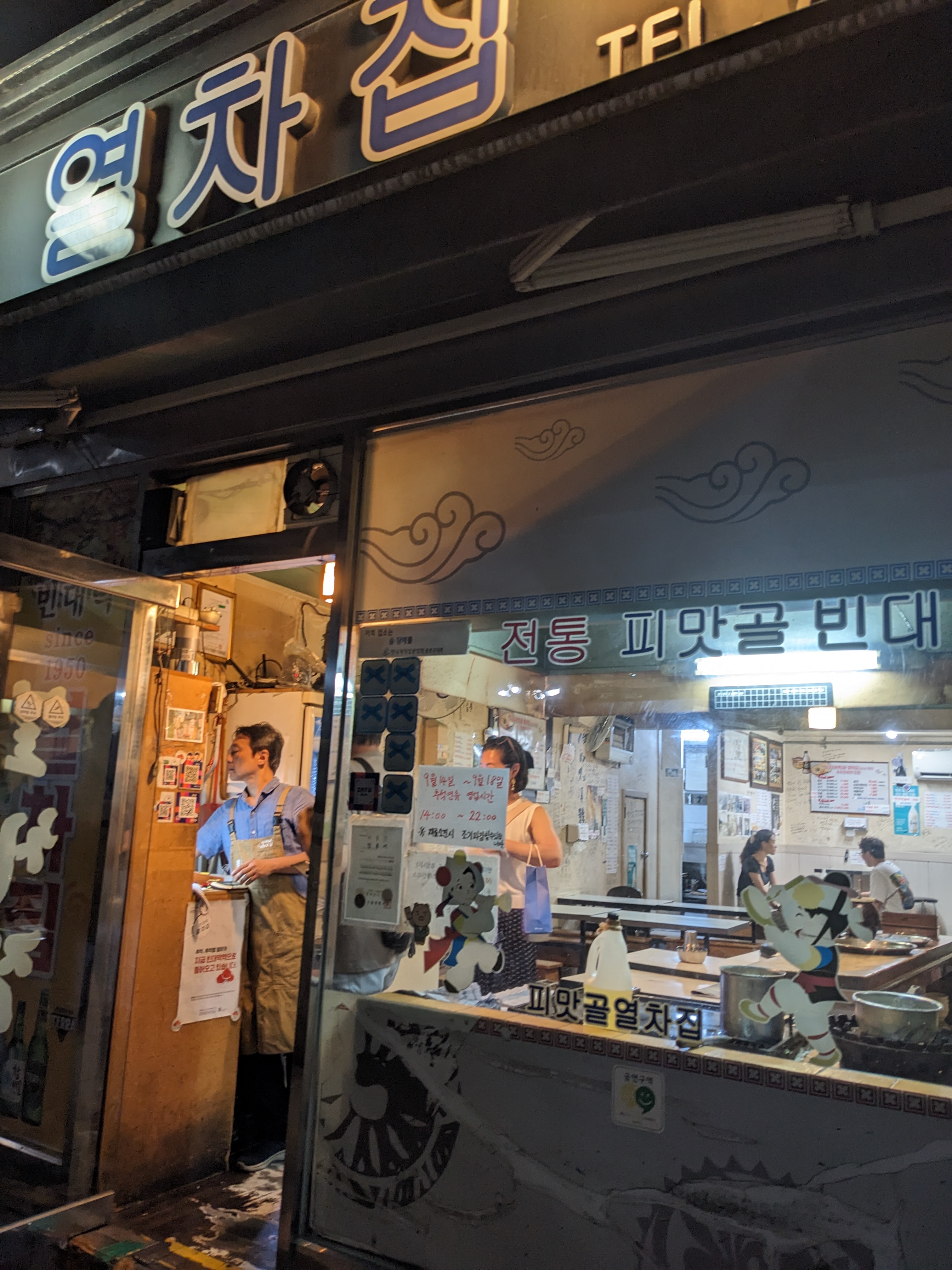
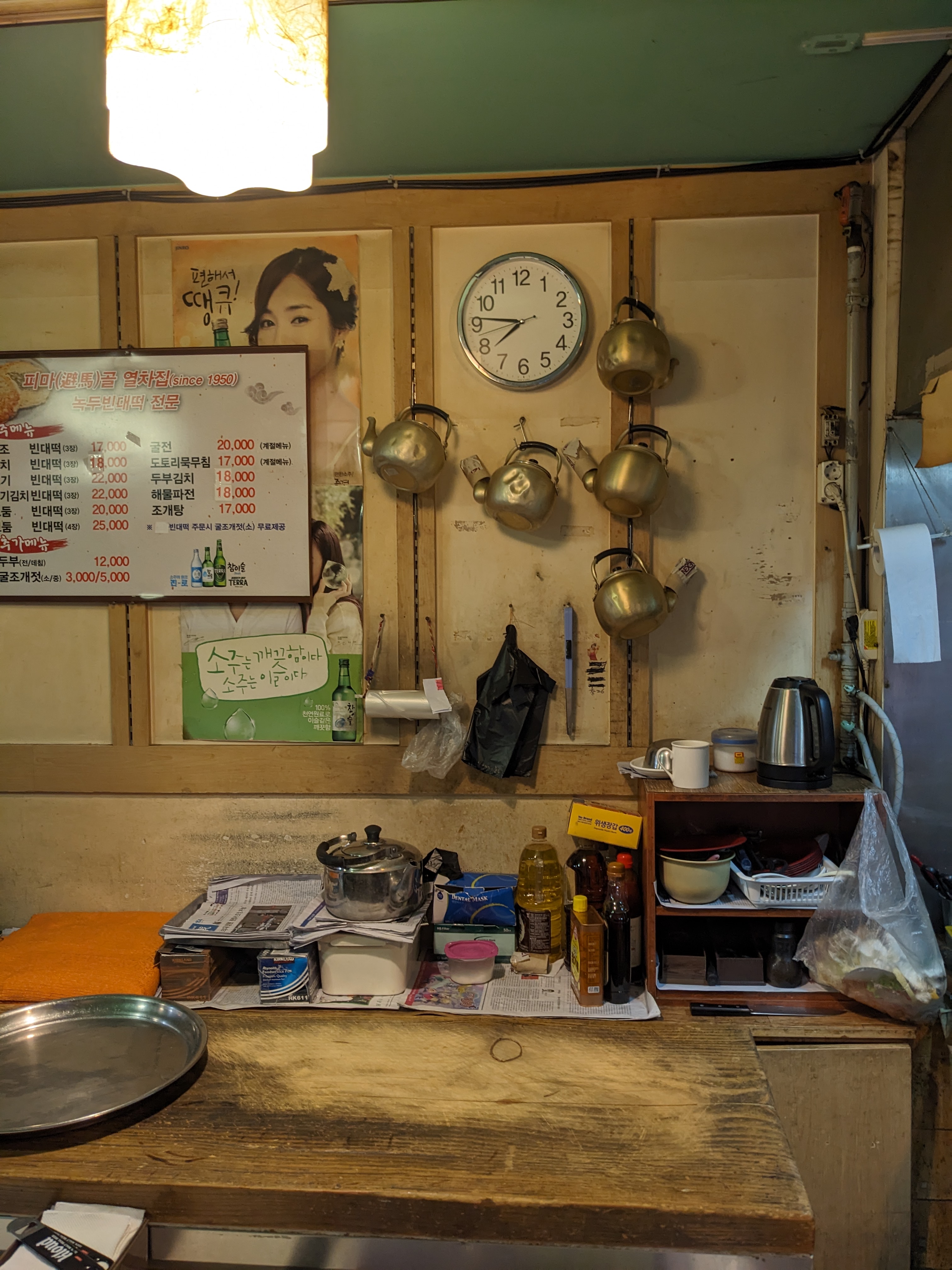
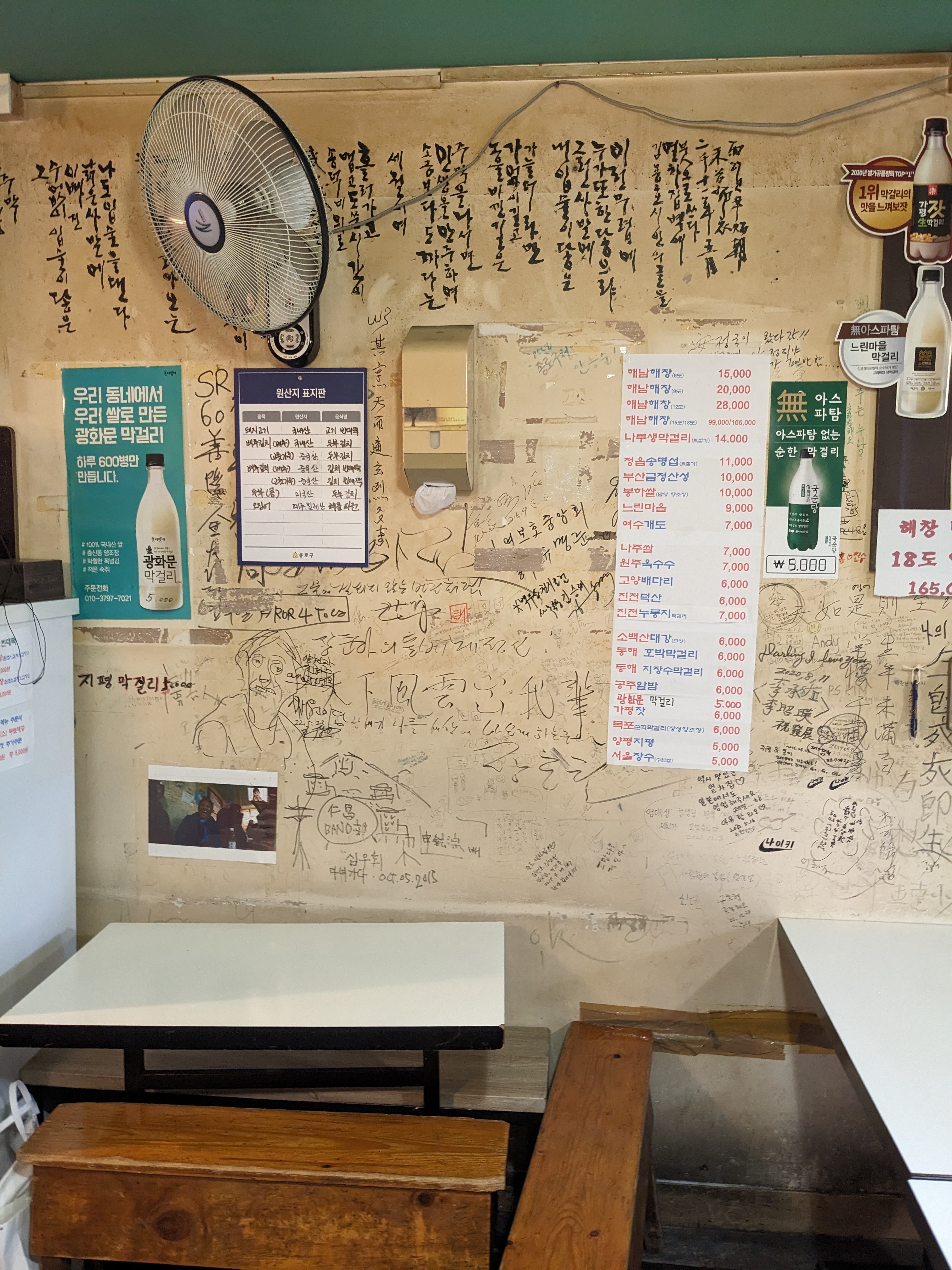
- Yeolchajib (열차집) – Opened in 1956, the main dish at this spot makes it stand out among the oldest restaurants in Seoul as it’s mung bean pancakes. Yeolchajib is a popular makgeolli drinking spot with mung bean pancakes and other jeon, or Korean-style pancakes. What to eat: Bindaetteok (Mung bean pacakes) Address: 47 Jongno 7-gil, Jongno-gu, Seoul (서울시 종로구 종로7길 47) Hours: Monday – Friday: 11:00am ~ 10:30pm; Saturday: 2:00pm ~ 8:30pm; Sunday: 2:00pm ~ 8:00pm
- Ojangdong Hamheung Naengmyeon (오장동함흥냉면) – Serving up two cold Korean soups that are especially popular in the summer in Korea, this restaurant was opened in 1958. The two menu items include a spicy and not so spicy naengmyeon. Order mulnaengmyeon which features a chilled beef broth soup with buckwheat noodles, or order the bibimnaengmyeon, a spicy sauce instead of broth noodle dish. To top it off, you can also order hongeo sashimi, or sliced raw skate, here. Not something you can have just anywhere, so eat it up! This spot is on our summer list this year. What to eat: Hamheung naengmyeon Address: 105 Mareunnae-ro, Jung-gu, Seoul (서울 중구 마른내로 108) Hours: Monday – Thursday: 10:30am ~ 8:00pm; Friday – Sunday: 10:30am ~ 8:30pm
- Taejo Gamjaguk (태조감자국) – Opened in 1958, if you haven’t had gamjatang yet, you’re missing out. This is a great Korea stew that is hearty and delicious and Taejo Gamjaguk has the perfect one to fill you up if you’re over in the northeastern side of Seoul. What to eat: Gamjaguk (Spicy pork bone soup) Address: 43 Bomun-ro 34-gil, Seongbuk-gu, Seoul (서울시 성북구 보문로 34길 43) Hours: Every day: 10:10am ~ 11:00pm (Break time: 3:00pm ~ 4:30pm)
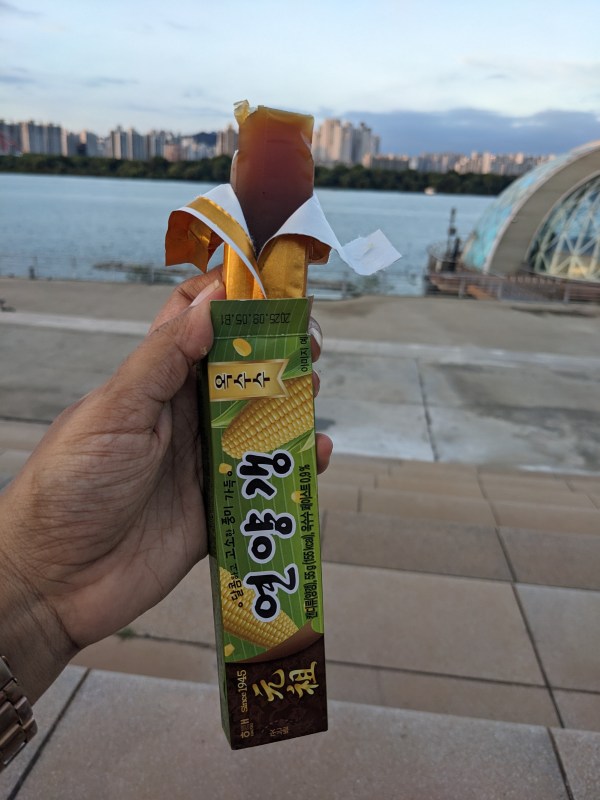
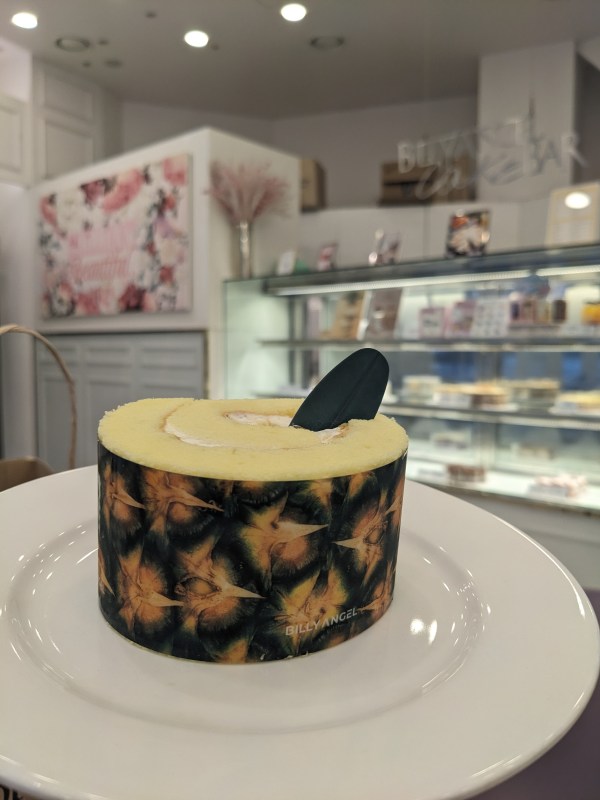
Here are some nick-nacks that we ate in Seoul but cant clasify or identify, but definitely find them & try (I have only images to share)
Banana milk (but has no real banana) is a healthy drink which almost every school/ college kids drink.
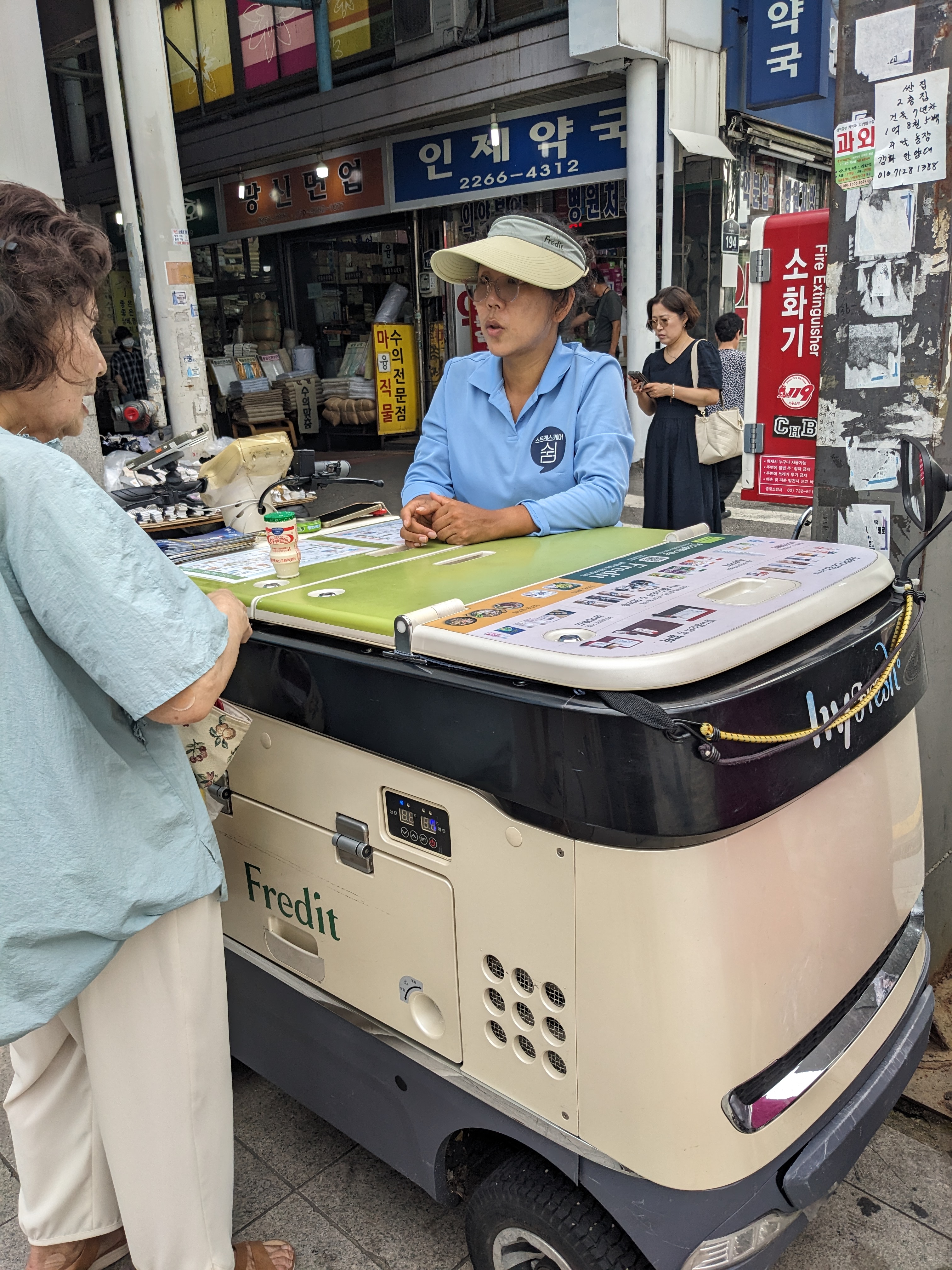
Side note: after Korean war, the government sold this same package milk door to door through milk cart aunties as a promotion to increase nutrition among Koreans. So Koreans associate this drink very fondly.
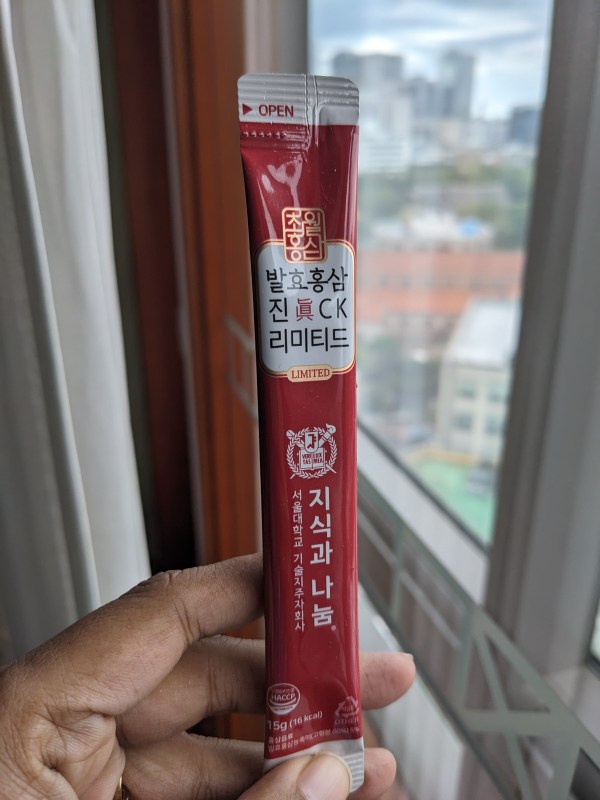
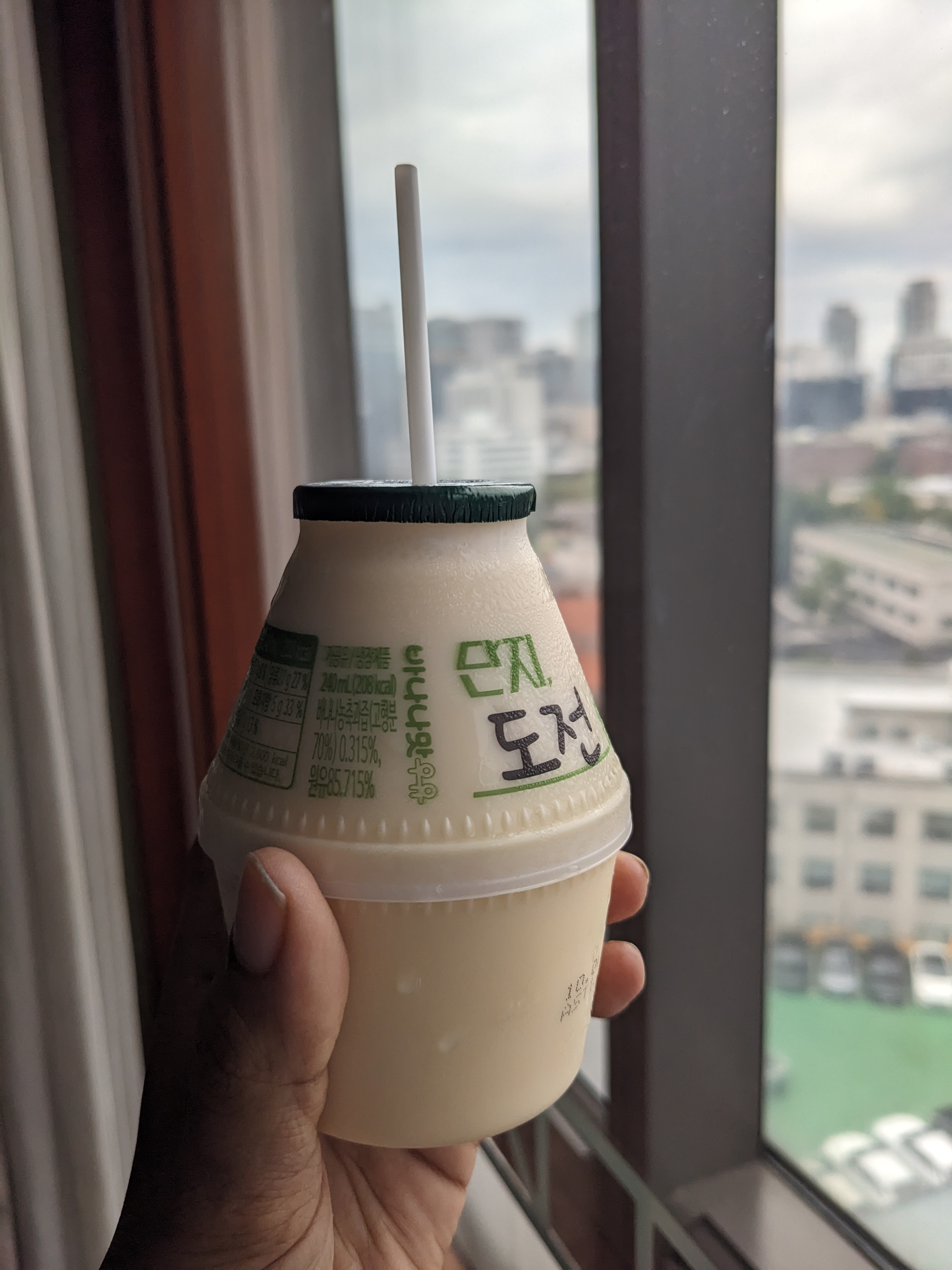
Banana milk (but has no real banana) is a healthy drink which almost every school/ college kids drink.
Side note: after Korean war, the government sold this same package milk door to door through milk cart aunties as a promotion to increase nutrition among Koreans. So Koreans associate this drink very fondly.
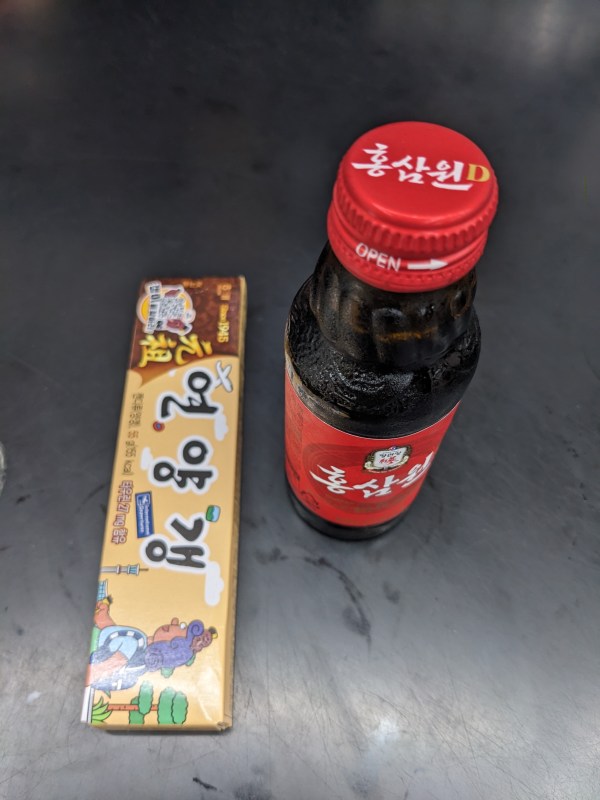
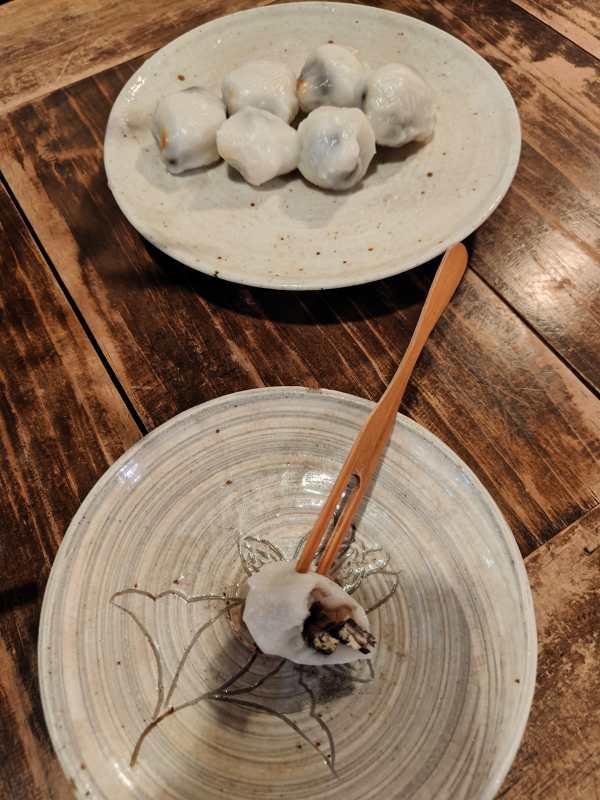
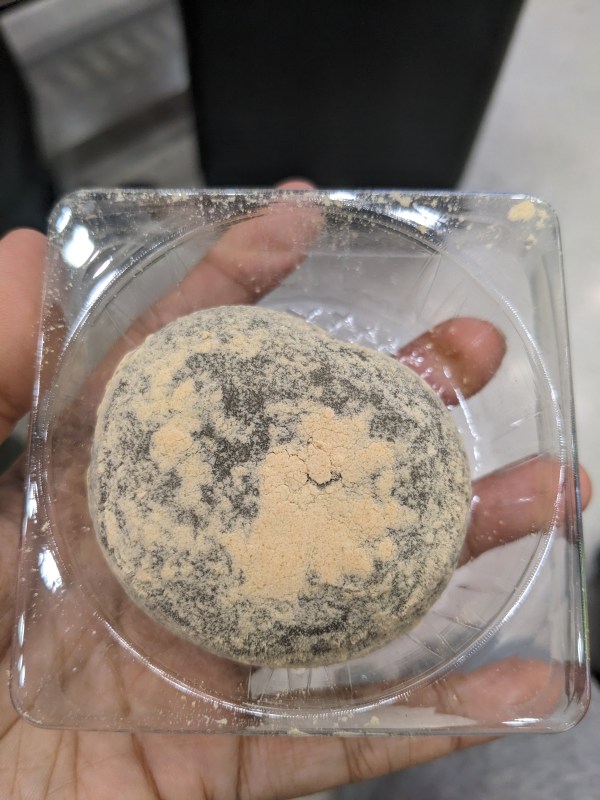
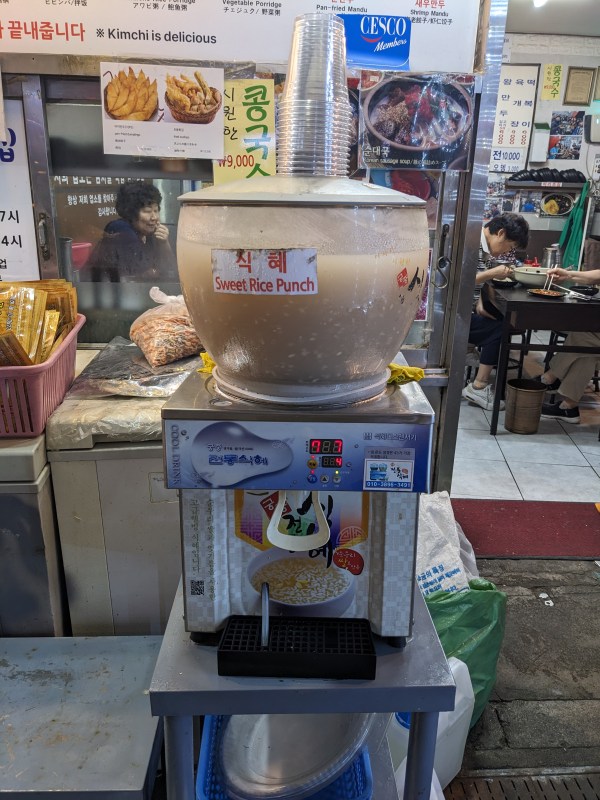
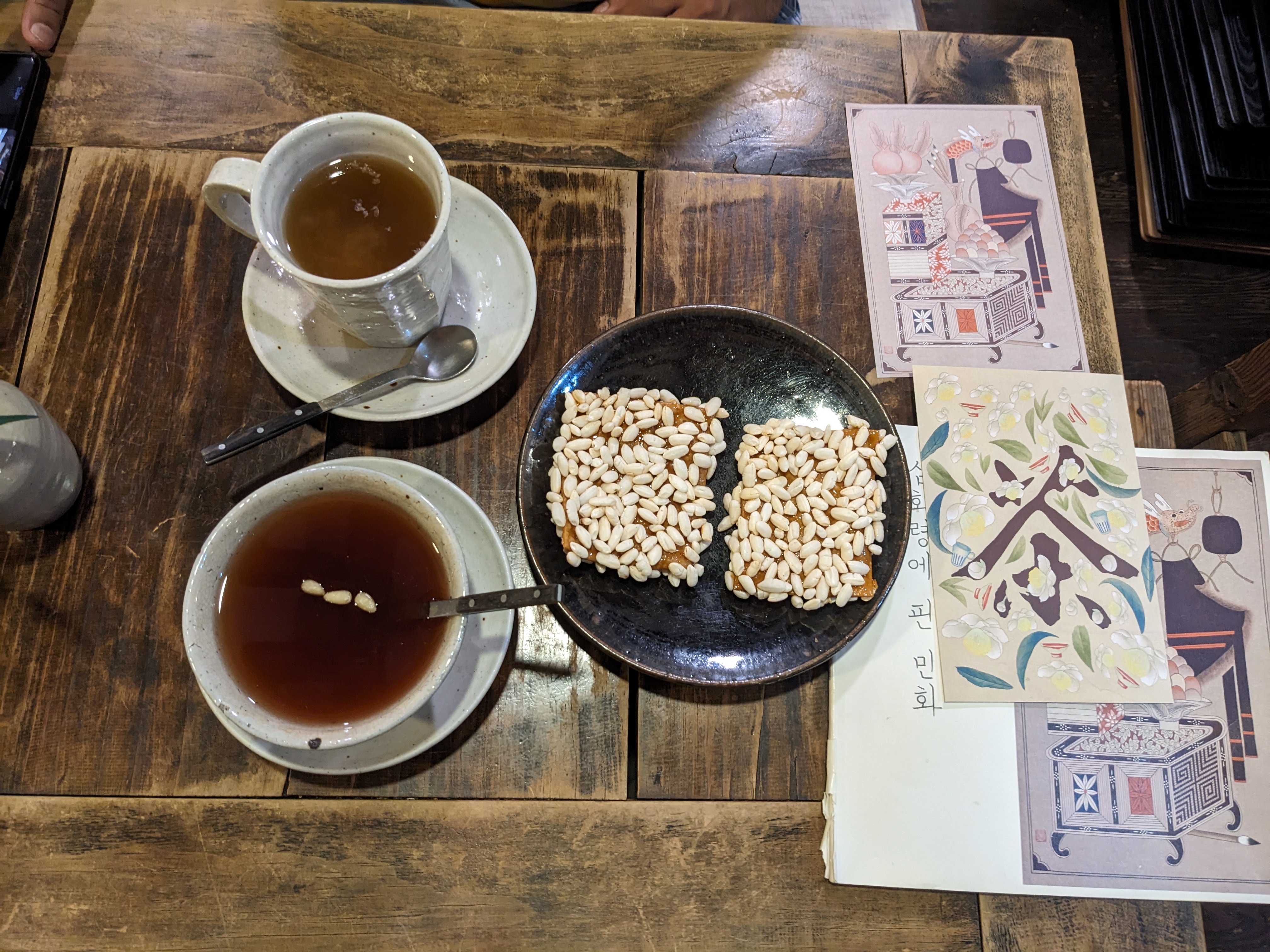
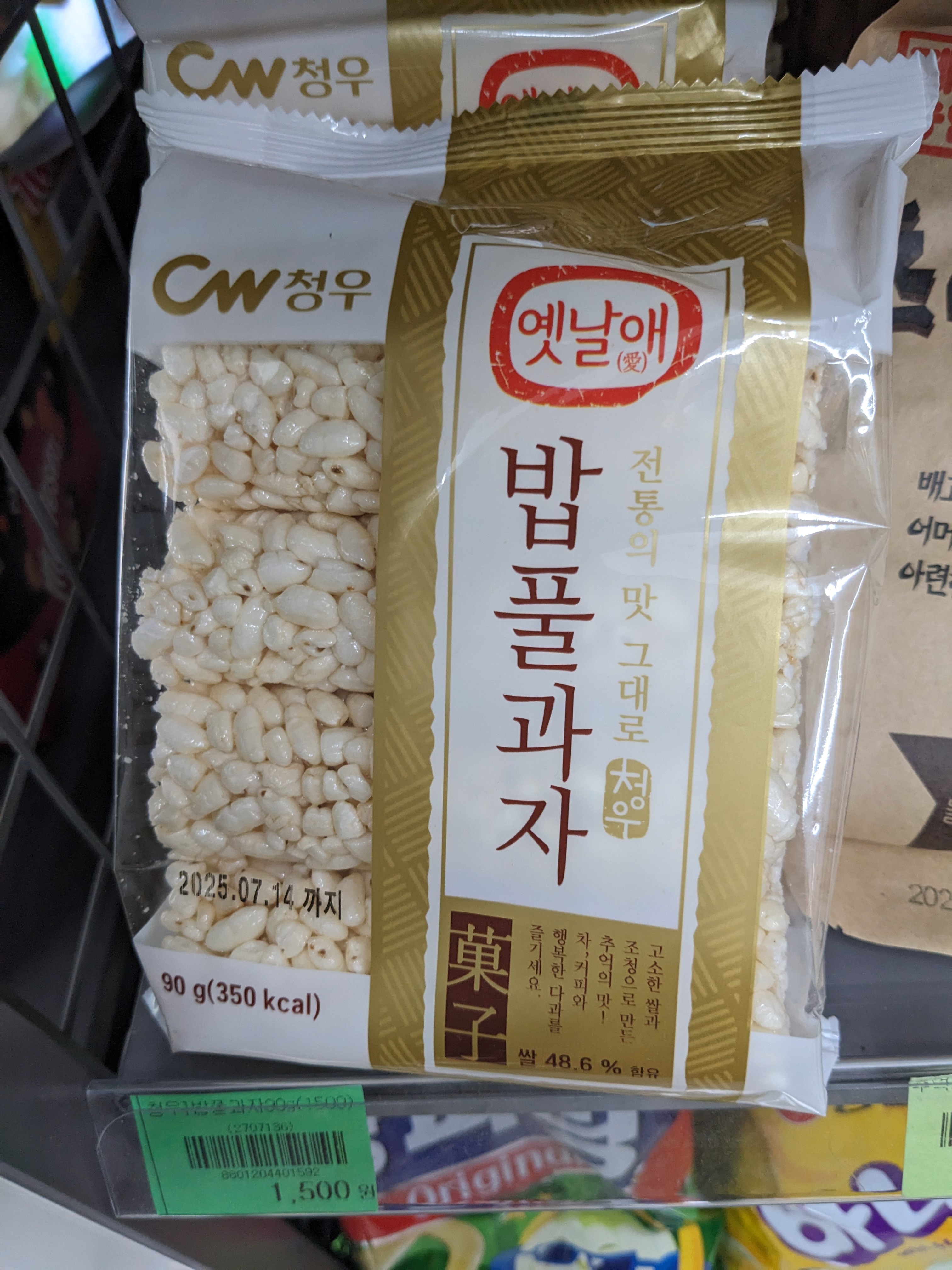
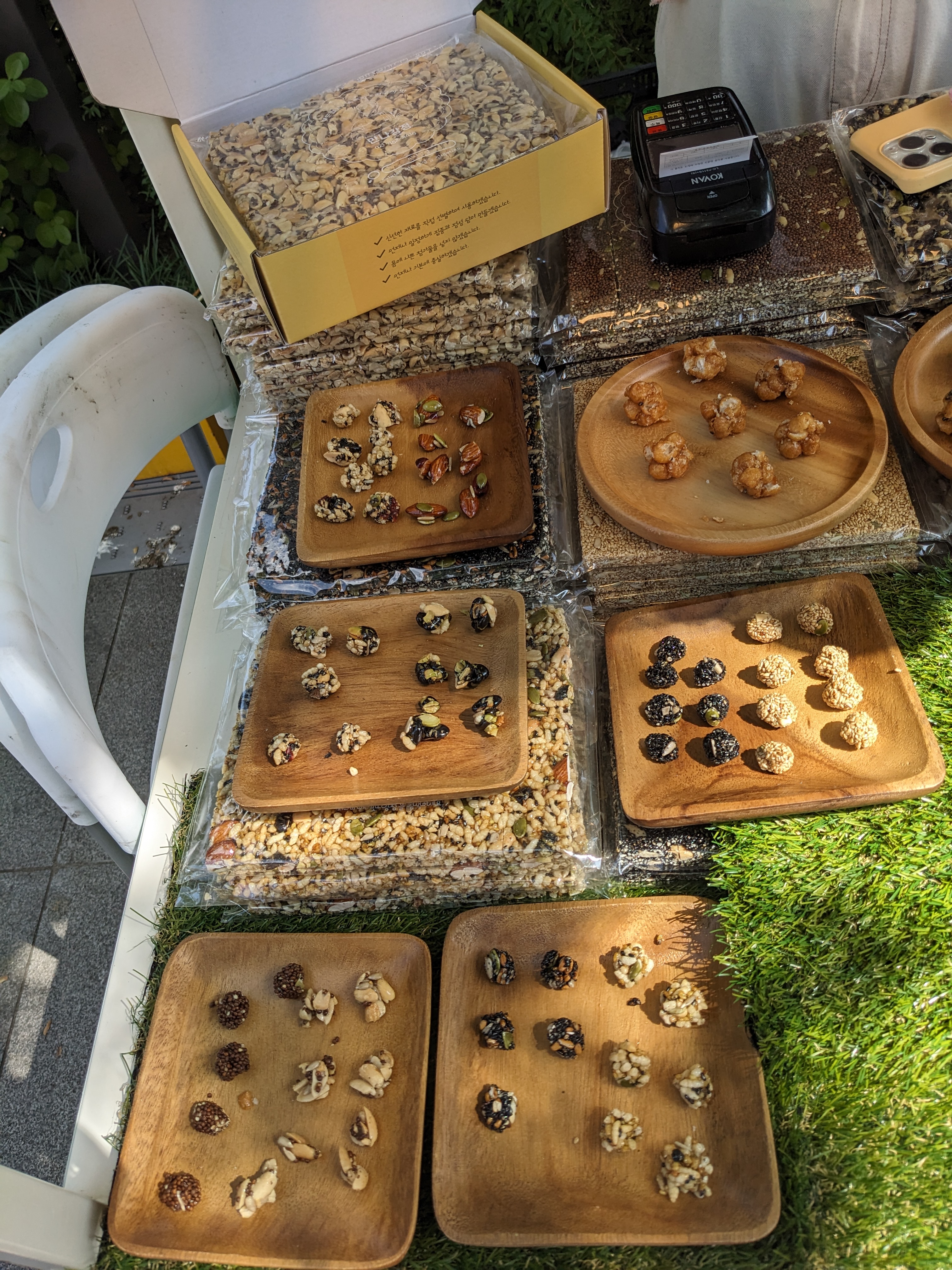

I found so many varieties of Chikkies in Korea. Here you can see puffed rice stuffed chikki, plain puffed rice, and sesame chikki
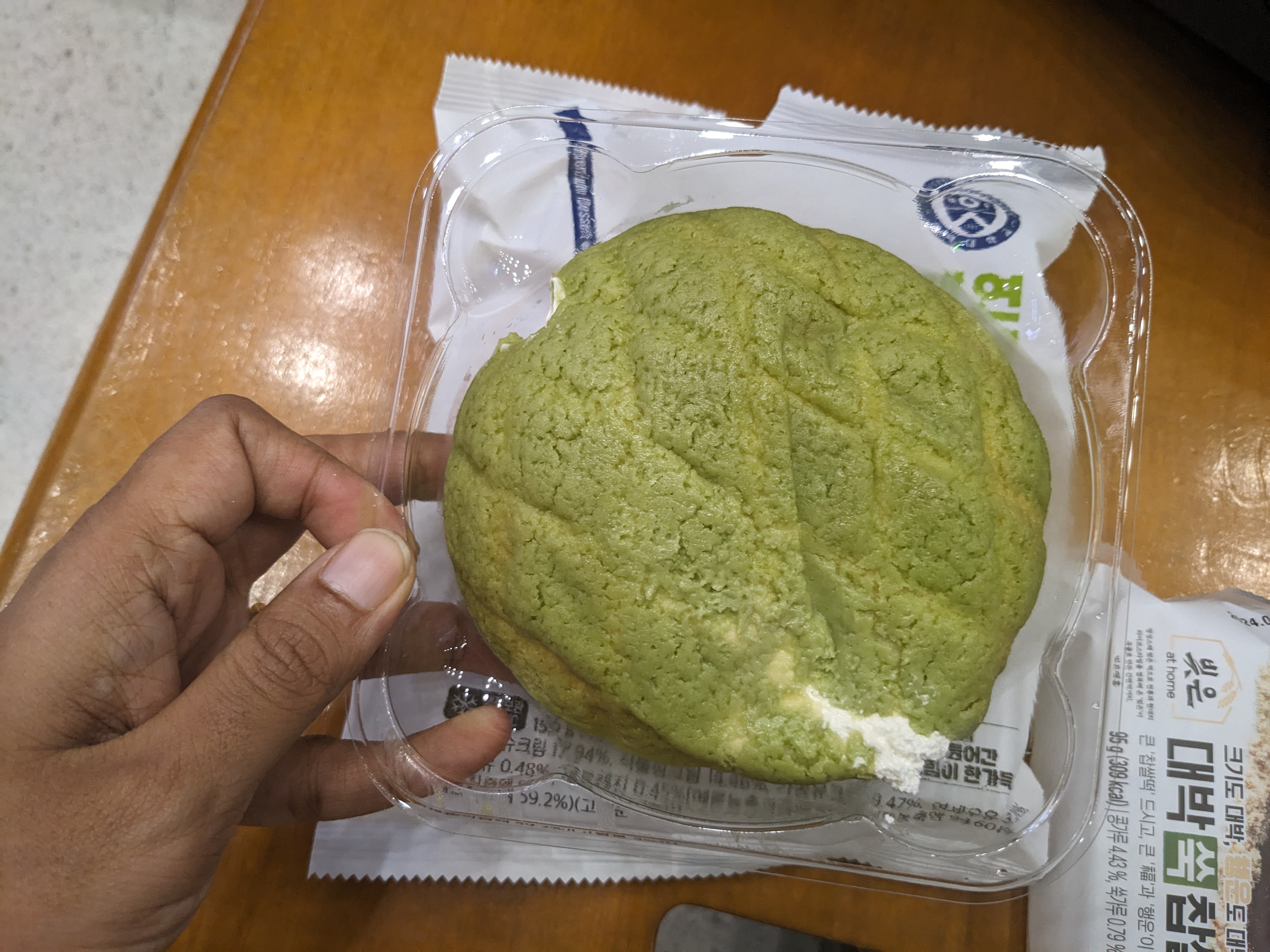
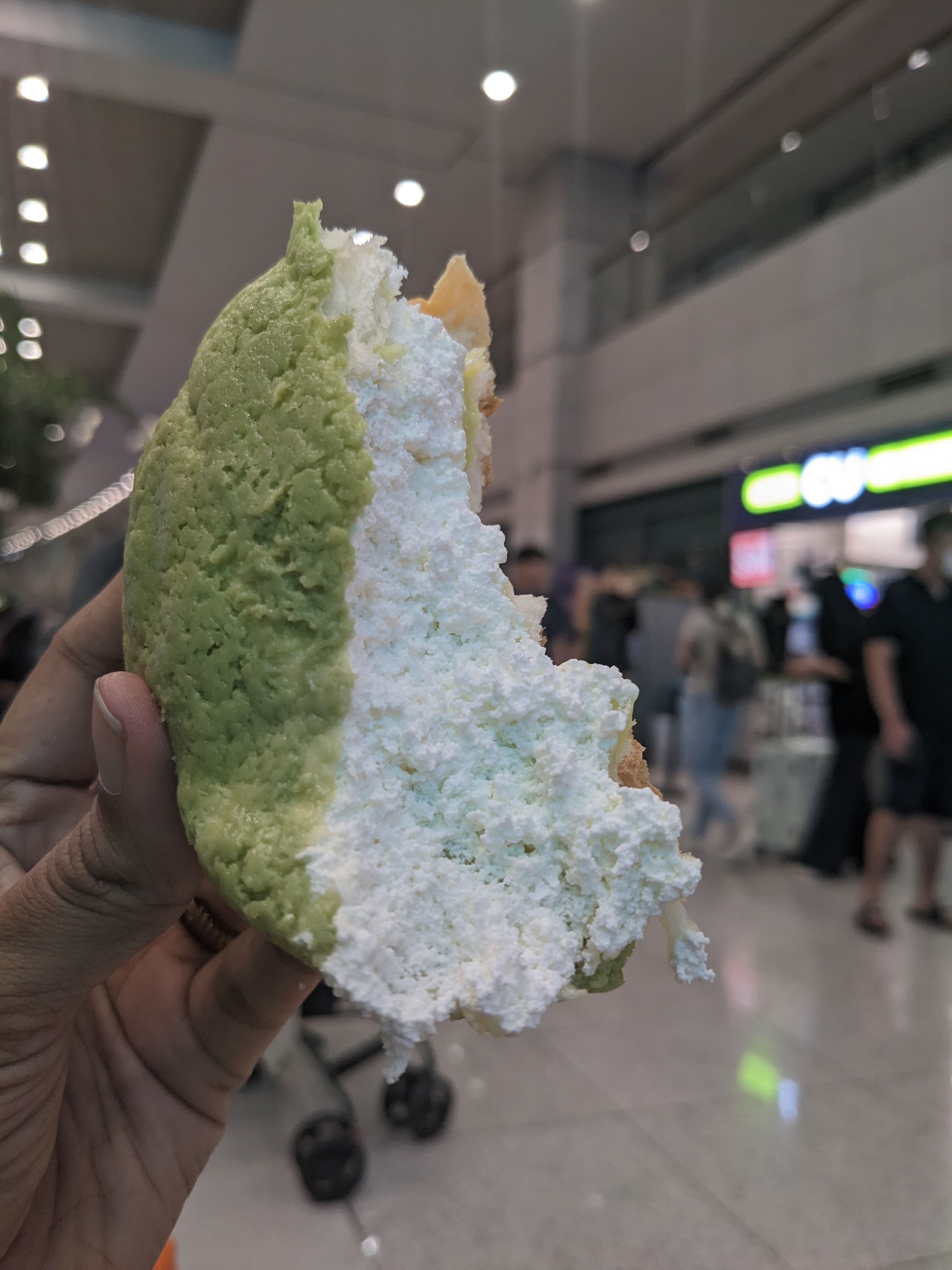
This is some kind of pang (bread)


Discover more from 2HappySouls
Subscribe to get the latest posts sent to your email.

Leave a comment