

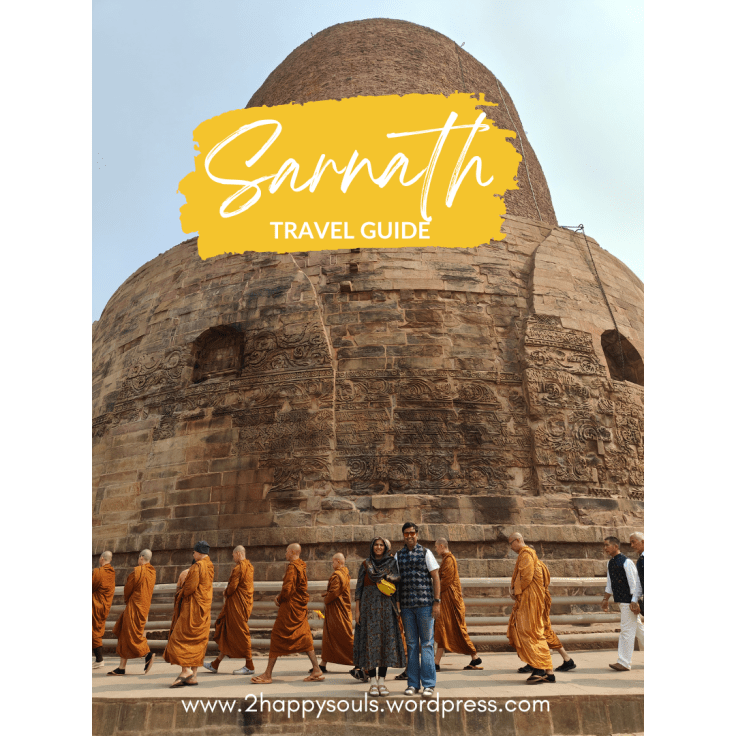
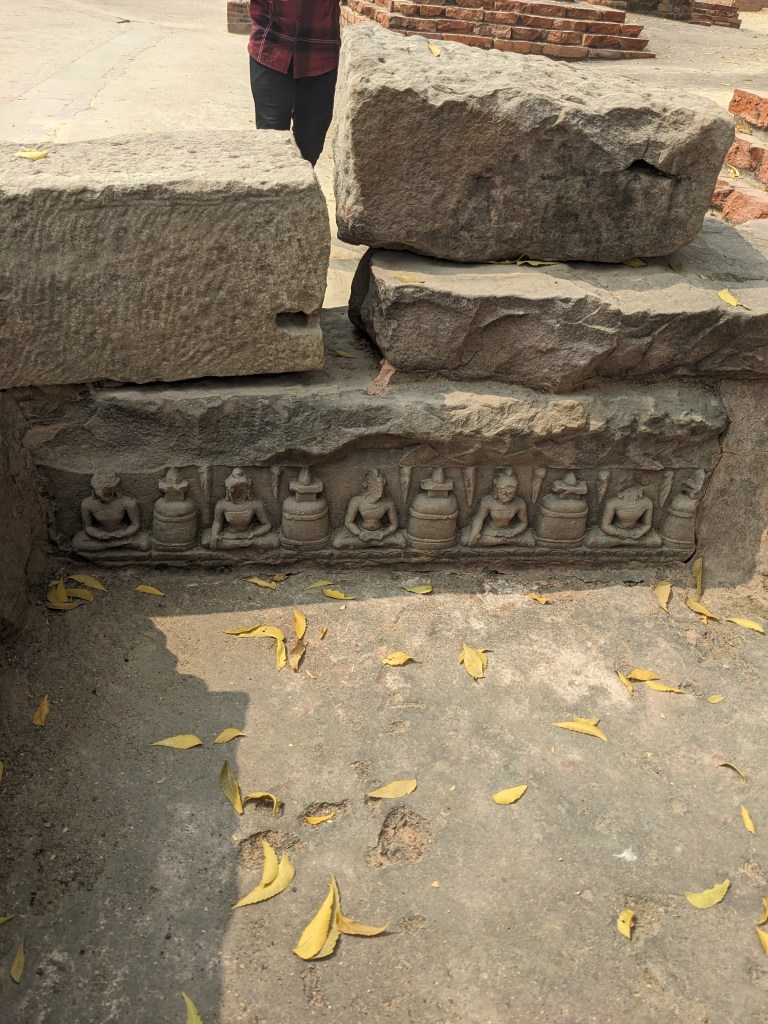
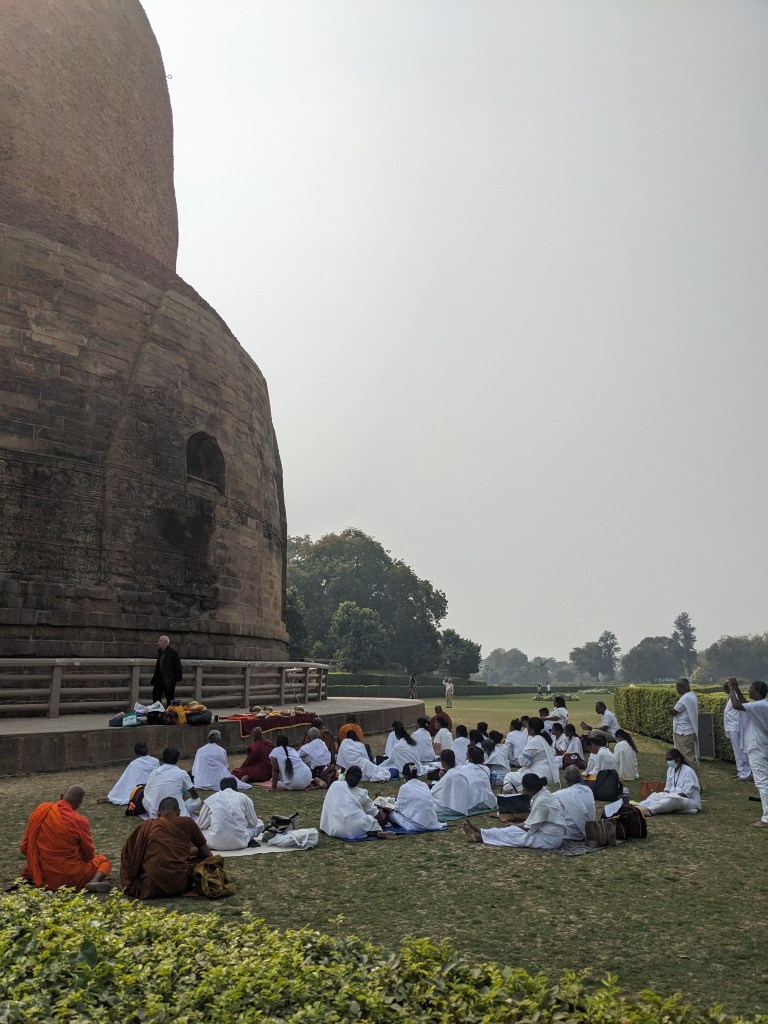
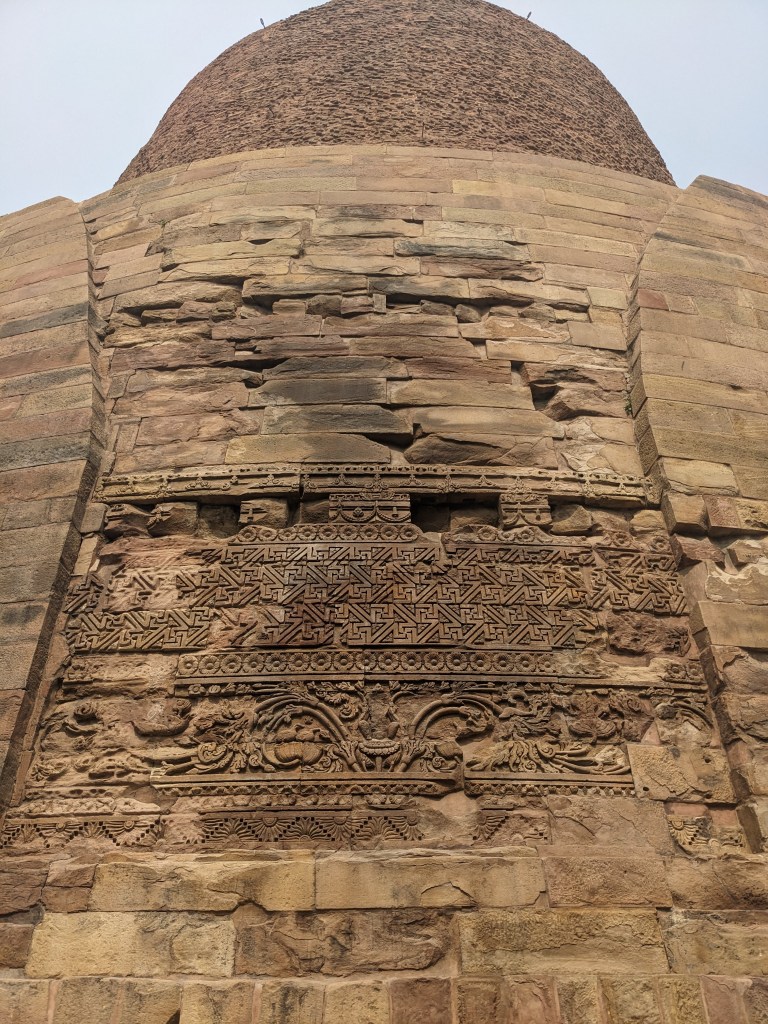
Sarnath, an important pilgrim site in Buddhism, is located just 20kms from Kashi gaats. This marvelous place is where, after attaining enligtenment, in 528 BCE adi Gautam Buddha gave his first teachings called Dhammacakkappavattana Sutta on Vipassana to his 5 friends turned disciples, who like Gautam Budha were also working towards same goal. After the death of adi Gautam Buddha, in about 272-232 BCE, a Dhamek stupa was built at the same place along with Vihāra for monks. Later King Ashok made the Dhamek stupa bigger which currently stands in the place. He also built a temple in front of this stupa, which of the double the height of the current stupa and more Vihāras. He also built a Ashok stambh on it, a symbol that can still be seen on the Indian currency notes.
Other Articles on Kashi/ Varanasi/ Banaras:
Sarnath flourished nad became a major hub for scholars world over to come here and study at variors Mahaviharas (loosely translated as Great Universities) such as Vikramshila. However, this changed during the emergence of muslim conquest which brought massive plunder and destruction of Mahaviharas, other scholarly places, temples, manuscripts, scholars, etc. Most notable among these were the Indian campaigns of Muhammad of Ghor, the Ghurid dynasty ruler from Ghazni, which is in present-day Afghanistan. Qutb ud-Din Aibak — the commander of Muhammad of Ghor‘s army — led his men from Ghazni to Varanasi and Sarnath in 1194 CE and plundered gold, jewels, animals, and destroyed many temples, Viharas including the one at Sarnath. Only this stupa was left behind in the battle field after the tough war with the Hindu king Jayachandra in the battle of Chandawar.
During British’s colonial period in India, Dhamek Stupa that was burried in time, was rediscovered again. Since Independence, the Indian government through ASI has gradually unearth the leftover Vihar structures, Ashok stambh pillar, temple ruins, statues and many such notable items that speaks volumn of the scholarly time of this site. Now most of these important artifacts have a peaceful space in the Sarnath museum, which is a must see. The Sarnath museum remains shut on friday for ASI to continue their study on the artifacts.
Things to see in Sarnath:
- Dhamek Stupa and the temple ruins, built around 500 BCE is the important pilgrim site for Buddhism as the 1st place where adi Gautam Bhuddha shared his 1st teaching on Vipassana.
- Sarnath Museum is a must visit that has housed all the important statues, pillars, carvings, etc from the ruins of the temple, the Vihars and stupa. The museum is said to have detailed out the history of this place and explained things is much detail. Please note the museum remains closed on friday for ASI to continue their study on these ruins.
- Chokhandi Stupa is a square stupa like structure muilt during King Ashoka about 1 km away from Dhamek Stupa on a hill top. This place provides an ariel view of Sarnath.
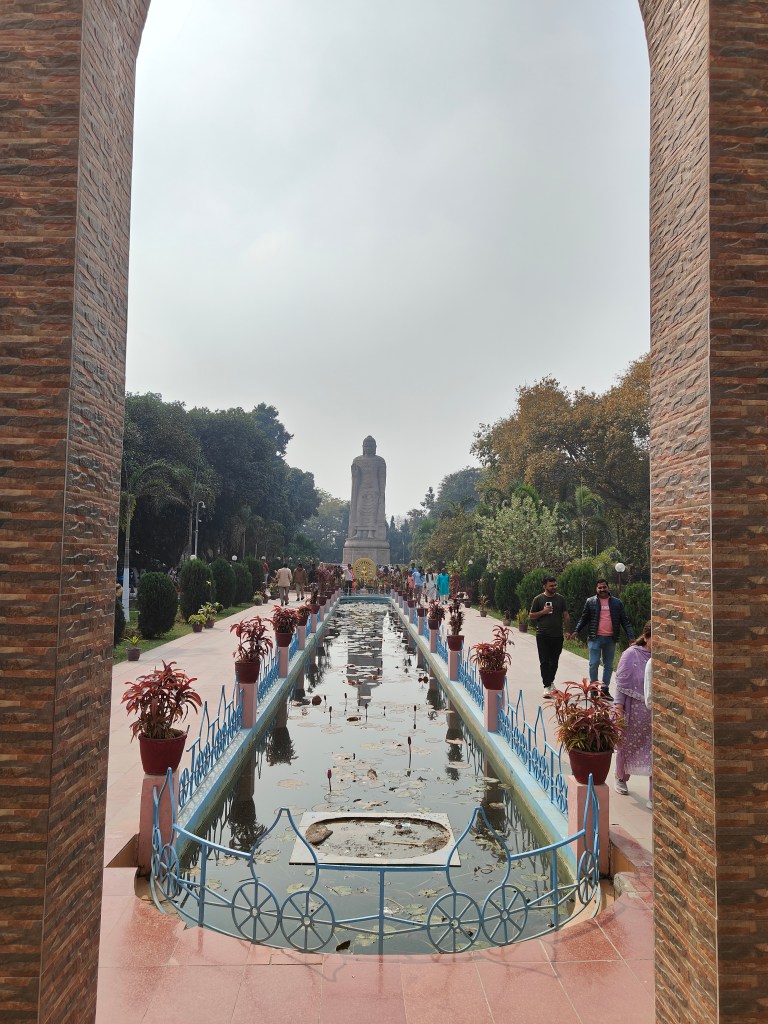
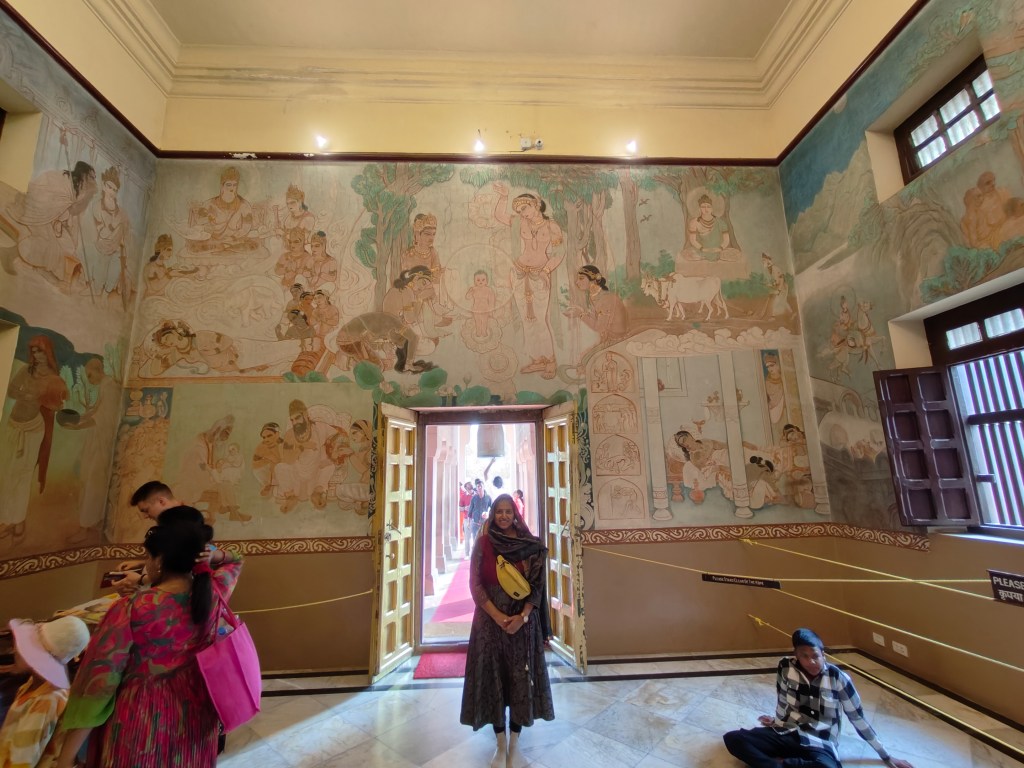
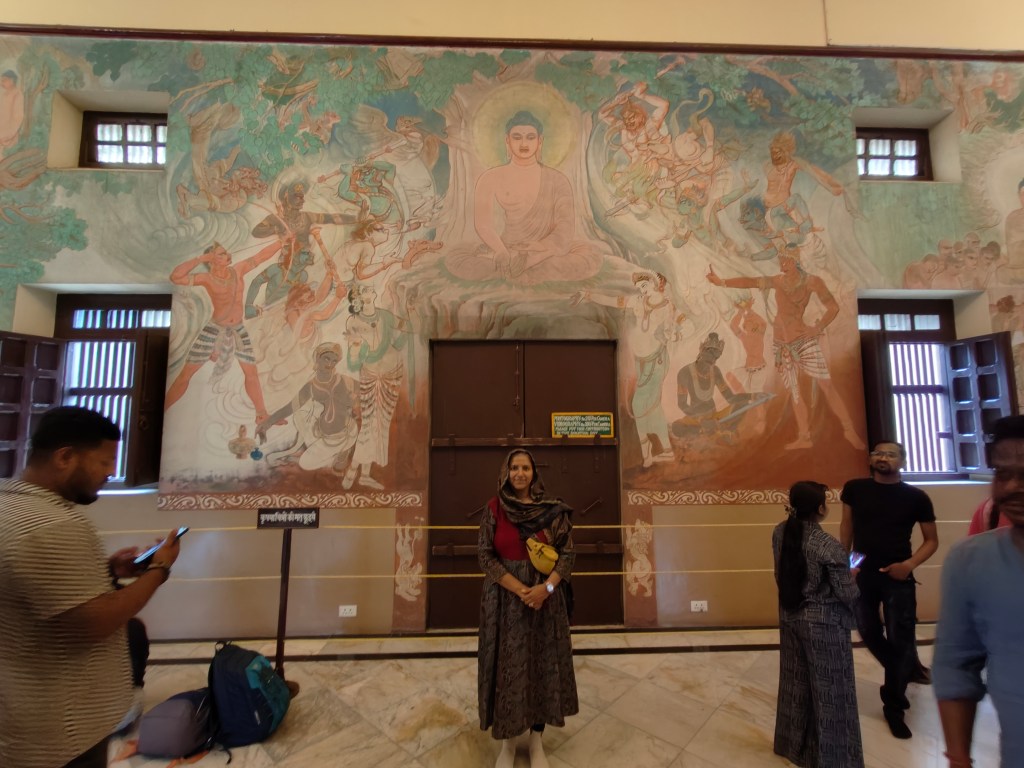
- Srilankan Buddha Temple is a temple built by Sri Lanka. This temple structure is made an exact replica of the the original tall temple that once stood in fron of Dhamek Stupa, just a smaller version. The temple has absolutely beautiful murals depicting Buddha’s life. These murals are painted by a Japanese painter, Kosetsu Nosu in between 1932 to 1936.
- Japanese Buddha Temple is a beautifully constructued structure that has taken inspirations from Buddha temples from Kyoto, Japan. The temple has a wooden carved sleeping Buddha and the typical golden ornamental danglings in the temple.
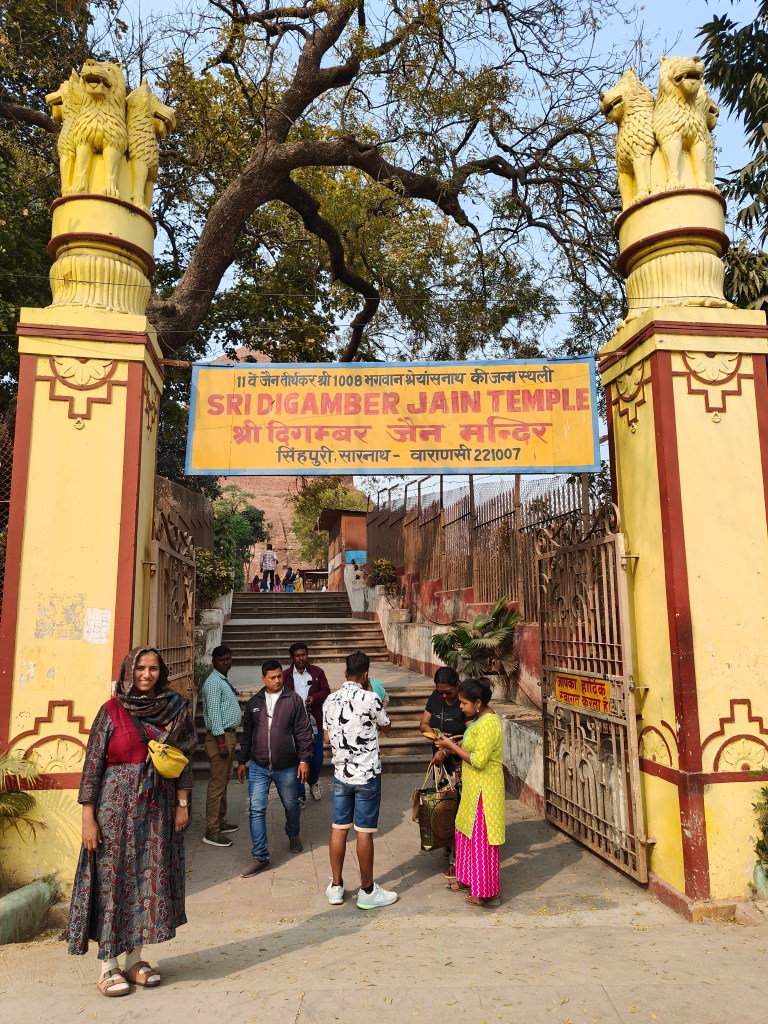
- Sarnath Jain Temple is a jain tirth (pilgrim) place in present-day Singhpuri village, which is believed to be the birthplace of the Shreyansanatha, the 11th tirthankara. This temple site is believed to be as ancient as the stupa, however, the current day temple was reconstructed in 1824.
- Try the malai pav is a sumptous snack when the cut open an pav (round bread), slightly roast it over charcoal and then generously spread malai over it, ideally to be enjoyed with kesar chai.
- Book stores for different nationalities that has books on Buddha. Just like temples built by different nations, you can get books in those languages such as Japanese, srilankan, etc. run by the trusts from these nations.
- The souvenier carts are all lined up just at the entrance of this stupa. The carts carry some beautiful carved small replicas of Buddha murty, meditation bowls, prayer beads, etc. Its fascinating to pick one of these and take home as a memory.
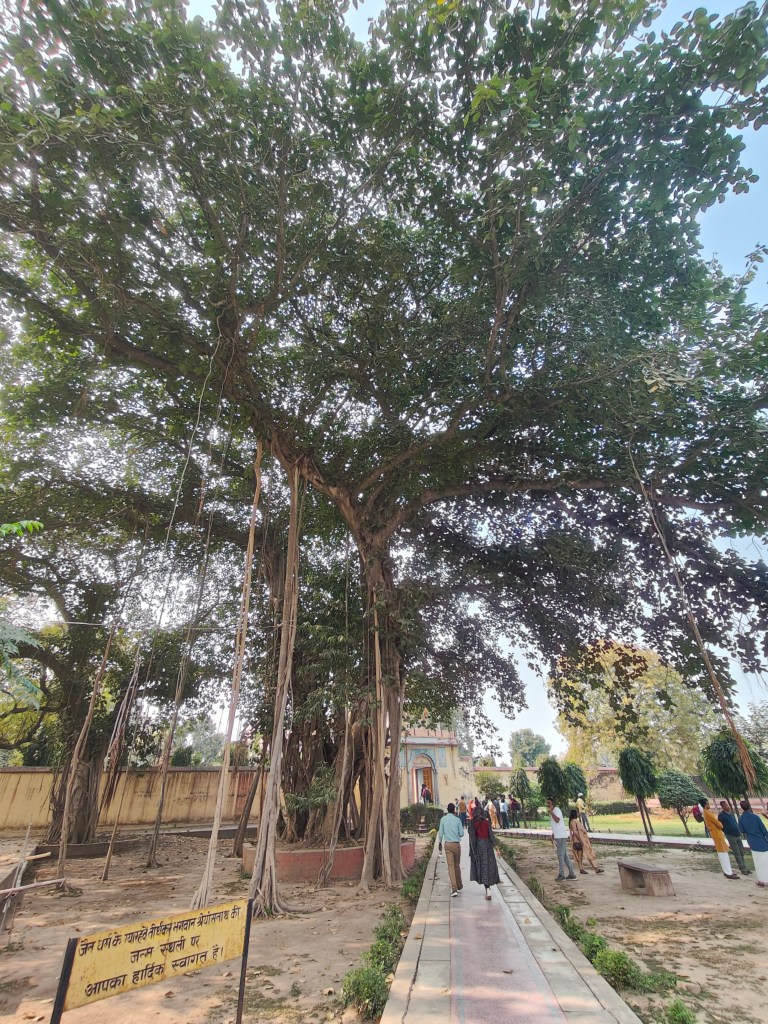
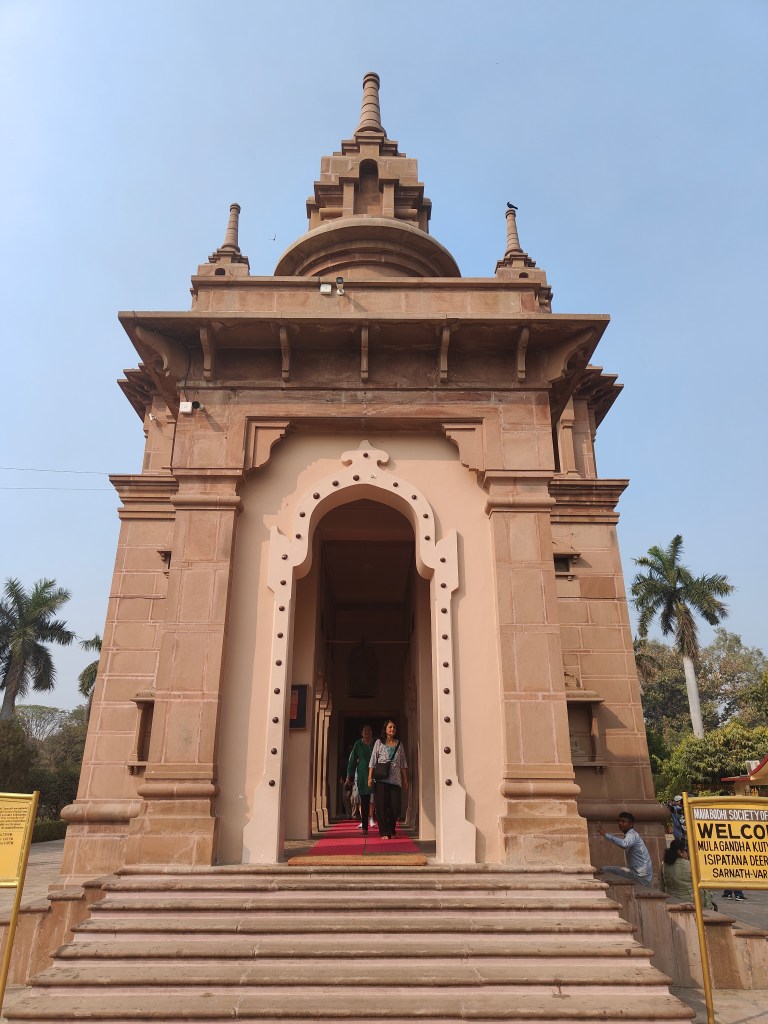
Here is a visual of my trip to Sarnath:
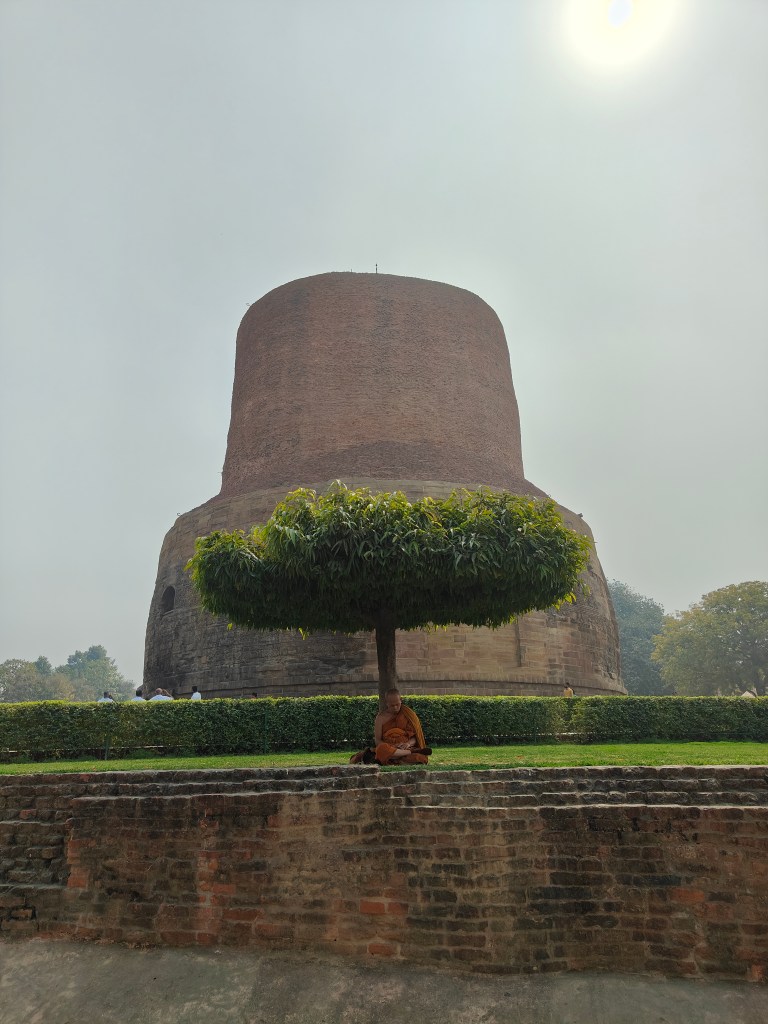
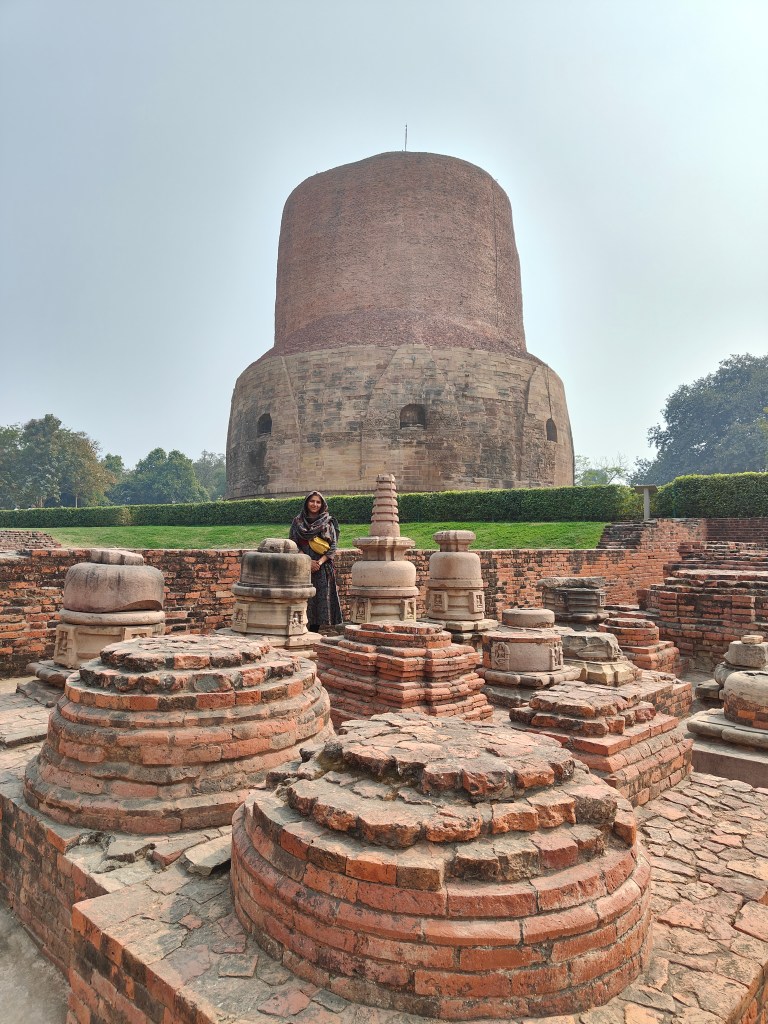
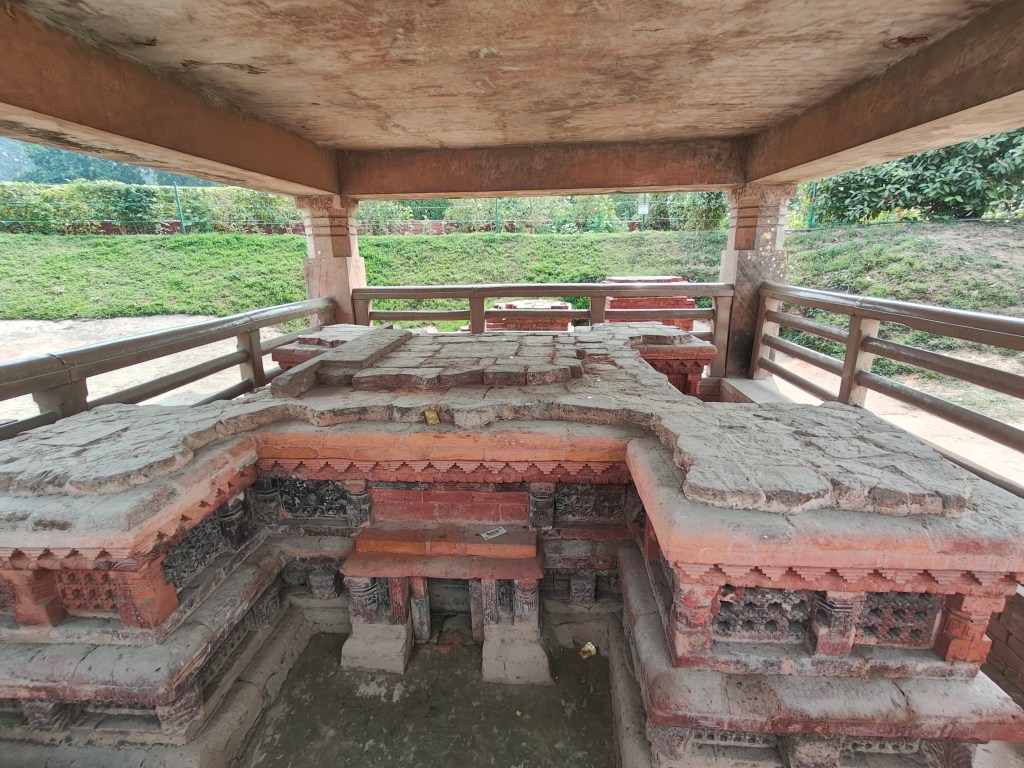
May all beings be happy! May peace be with all of you! May you all achieve Nirvana!
Discover more from 2HappySouls
Subscribe to get the latest posts sent to your email.
