

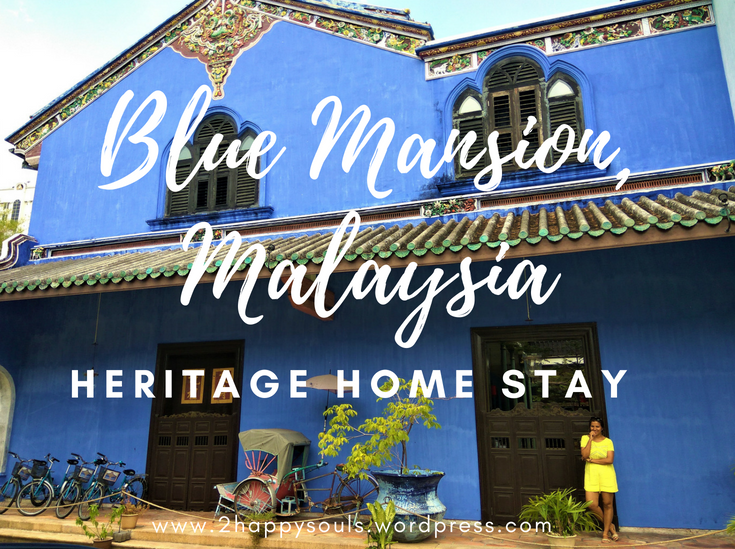
Blue Mansion is a beautiful heritage homestay, originally built by Cheong Fatt Tse, with a history that’s grandeur, intricate and desolate.
HISTORY
Back in the days, Cheong was one of the most successful businessmen in Asia with a typical rags-to-riches story. He’s been nicknamed the ‘Rockefeller of the East’. Born in China in 1840, he migrated to South East Asia during the Second Opium War, in which the English sought to get the Chinese hooked on opiates in order to fund their own addiction to tea.
Armed with the courage and determination to prove himself, Fatt Tse rose from being a mere ‘bearer of river water’ in his early years to a ‘one-man multinational conglomerate’. Hs business empire spanned several countries in commodity trading, banking, glasswork, textile, cattle and and then into banking which made him a filthy rich man.
Cheong leveraged support from Hakka community and Chinese community that boosted his business and image in political circle even further. He gained strong voice in the political circle of Qing Dynasty, who then appointed appointed him as an Imperial Consul.
Cheong wished to build a house that would be worthy of his status of both Chinese diaspora and filthy-rich business tycoon. While most business men were building western-style houses, because if you wanted to be rich and modern, you aspired to be Western-minded. But Cheong was having none of it. A proud Chinese patriot, he set out to build a house reflecting his Chinese and Hakka heritage. And boy, did he succeed.
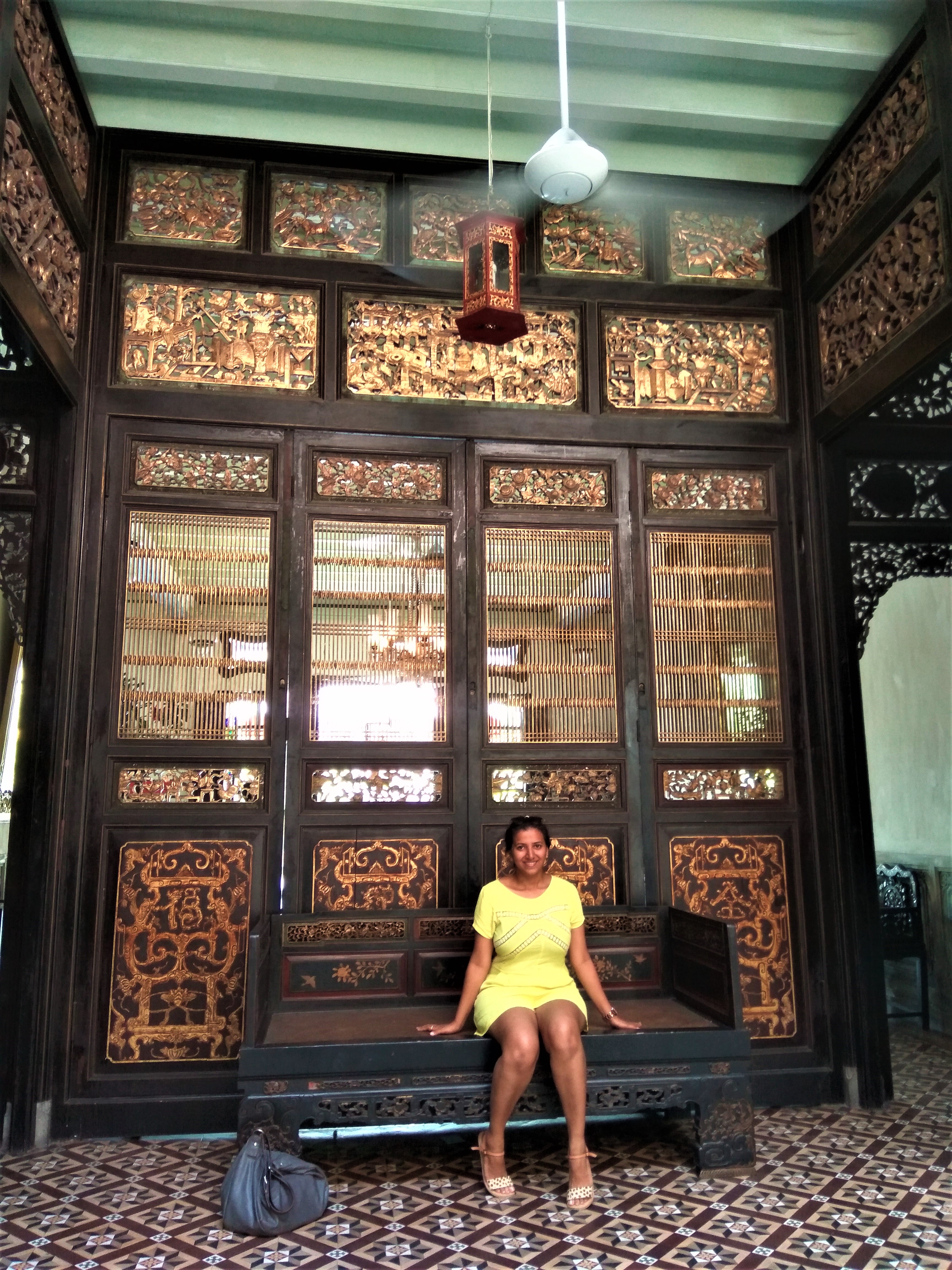
The Cheong Fatt Tze Mansion was completed in the 1880s and was built following Feng Shui principles and using traditional Chinese crafts. It served as his business headquarters, as well as the consular representation of China in Malaya. He also kept his favourite wife here, which happened to be his 7th. (We have to assume that Cheong was not just well-endowed economically, and that is libido was top-notch too. He had at least 14 children.)
In 1916, when Cheong Fatt Tse died, this house was left to his descendants. This didn’t work well leaving the house in complete sham. In 1989, a Penang based merchant purchased this mansion from the descendants and performed the restoration for a huge sum of money.
ARCHITECTURE
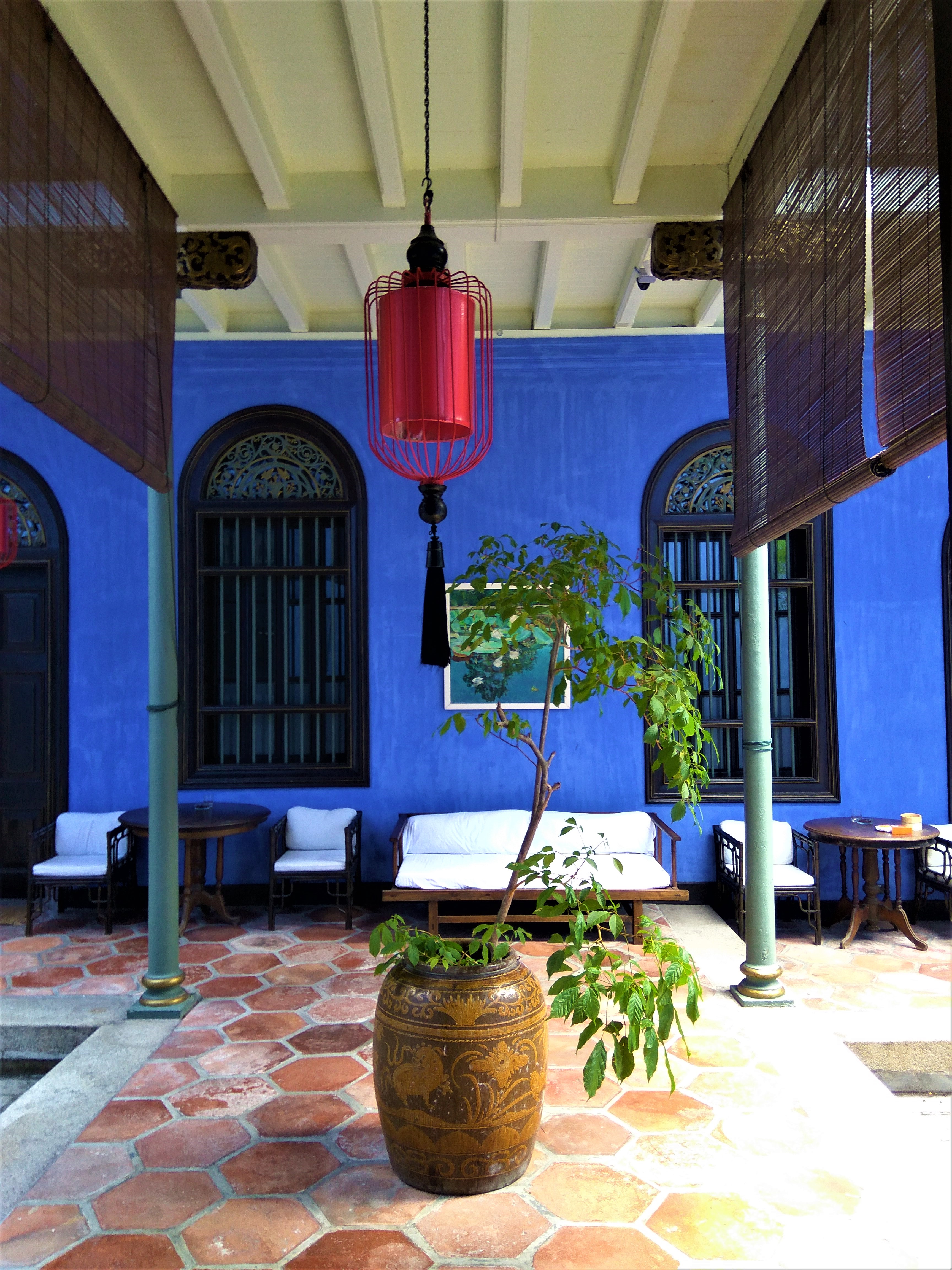
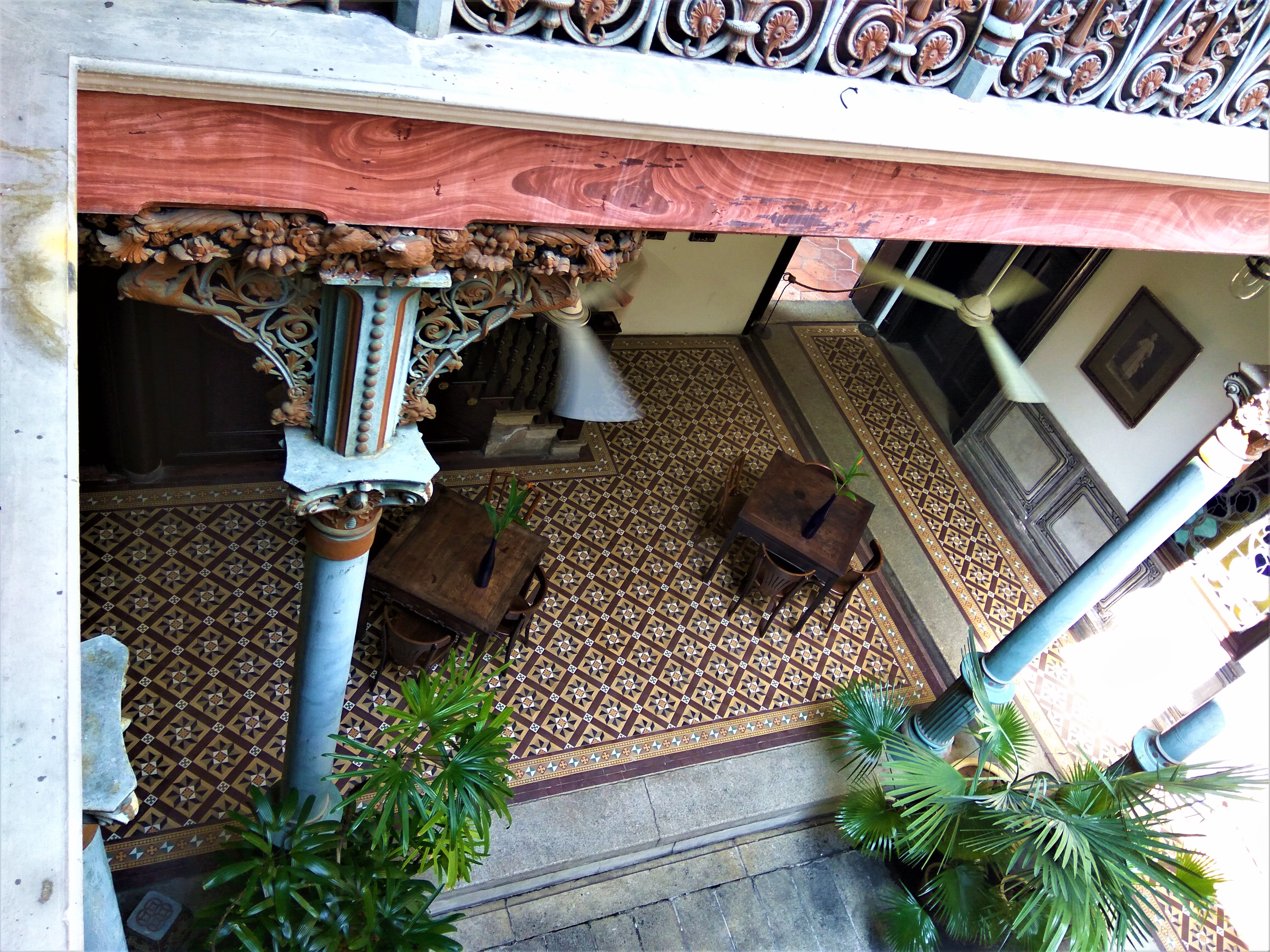
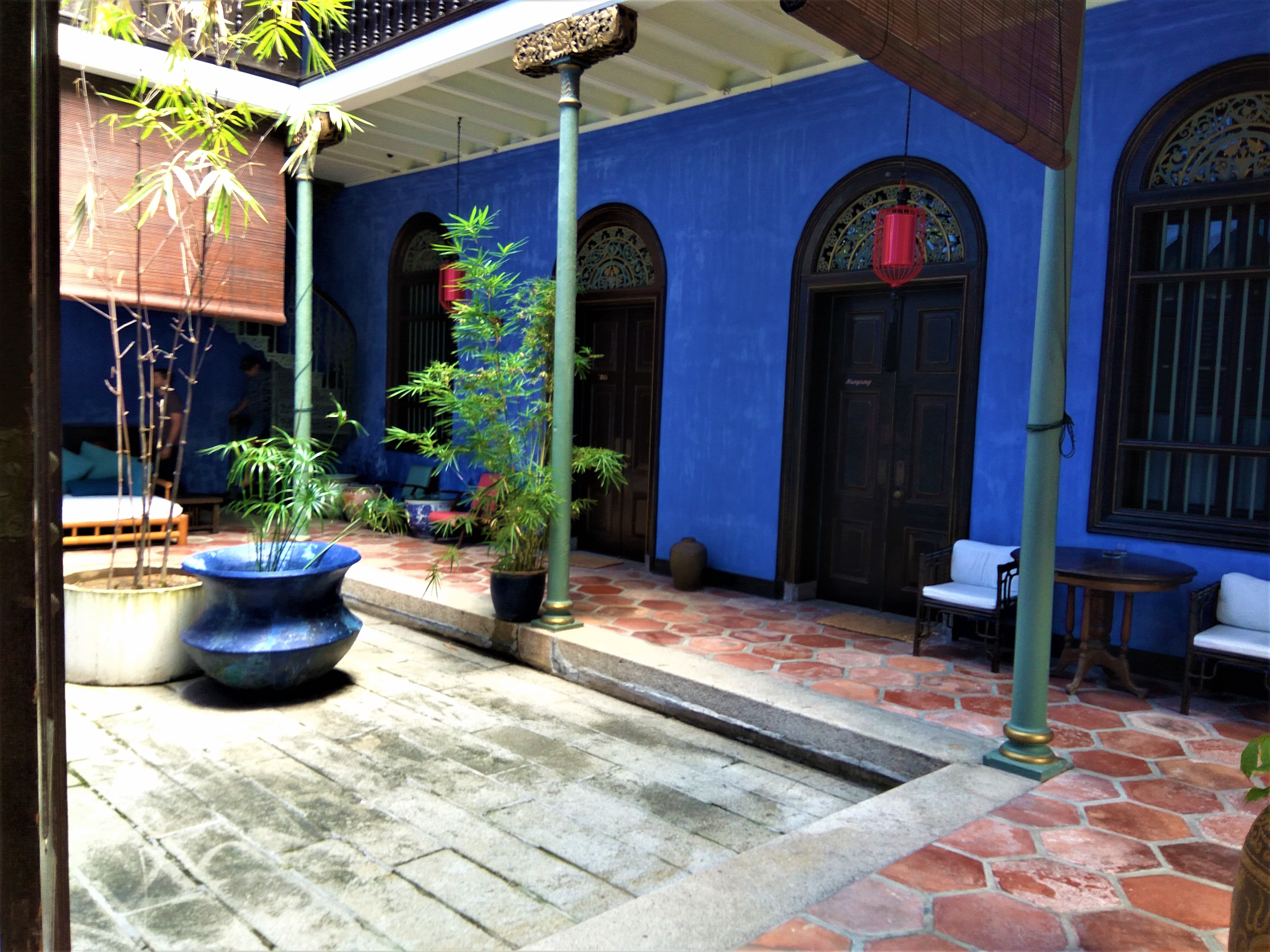
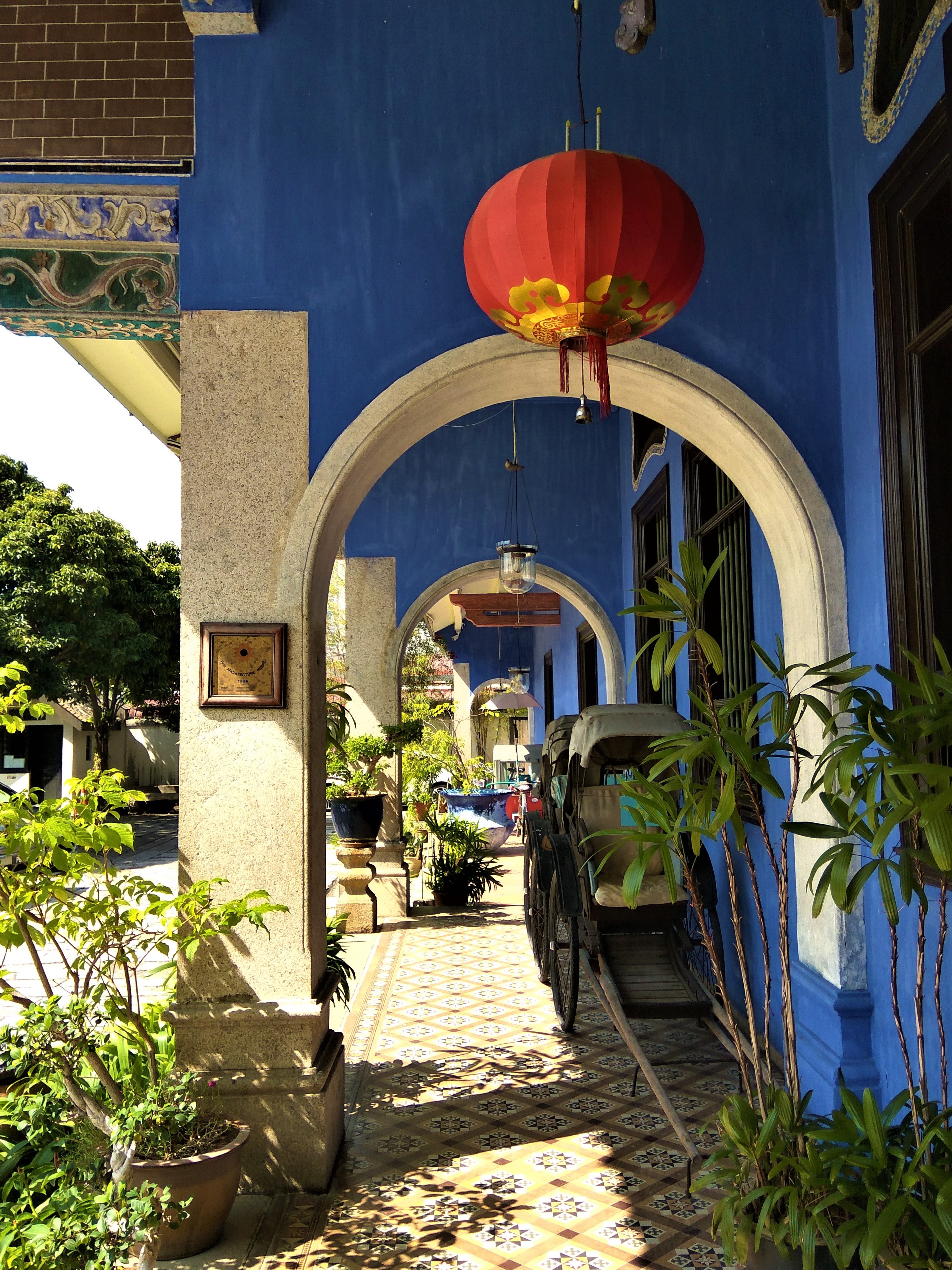
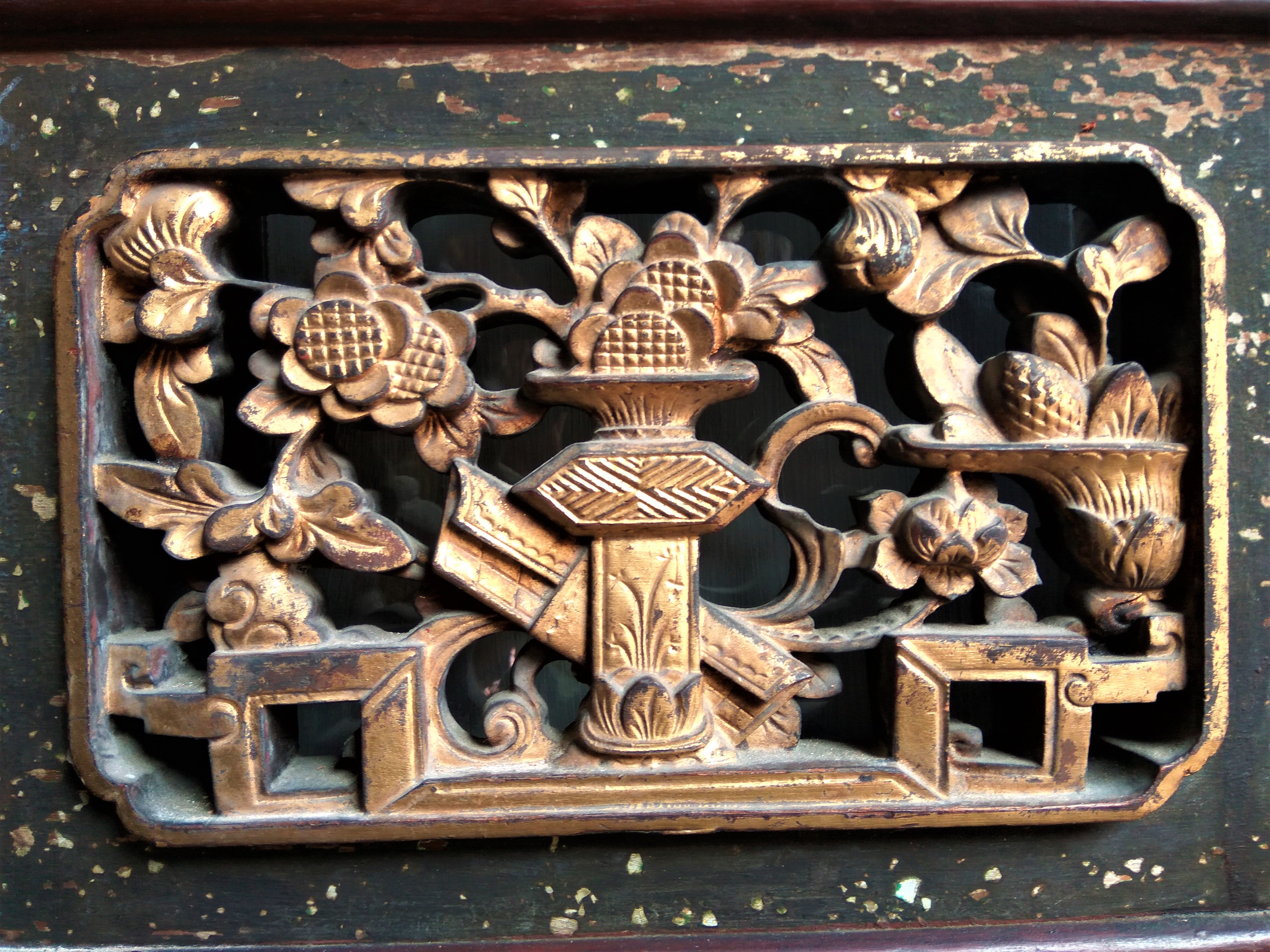
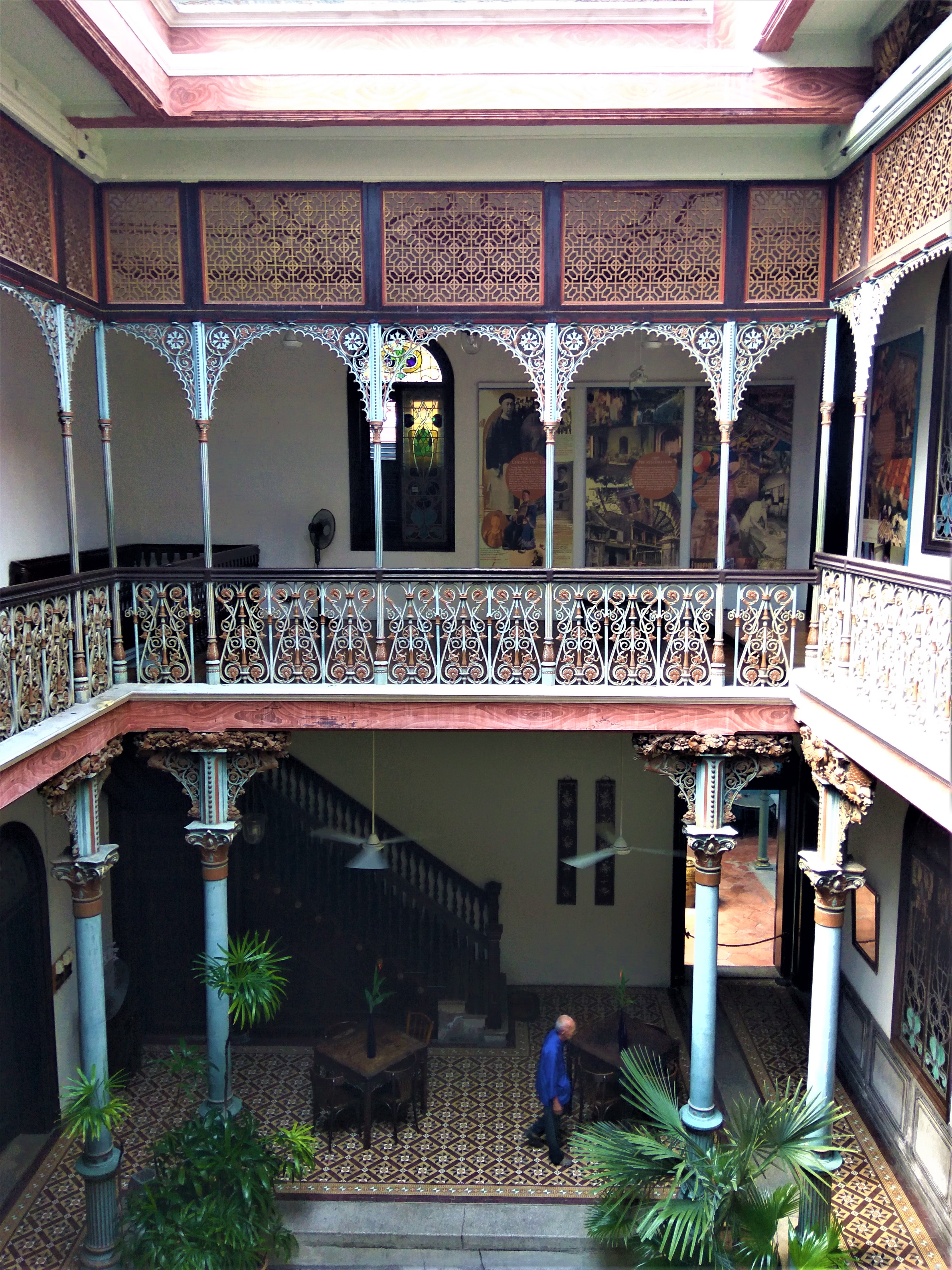
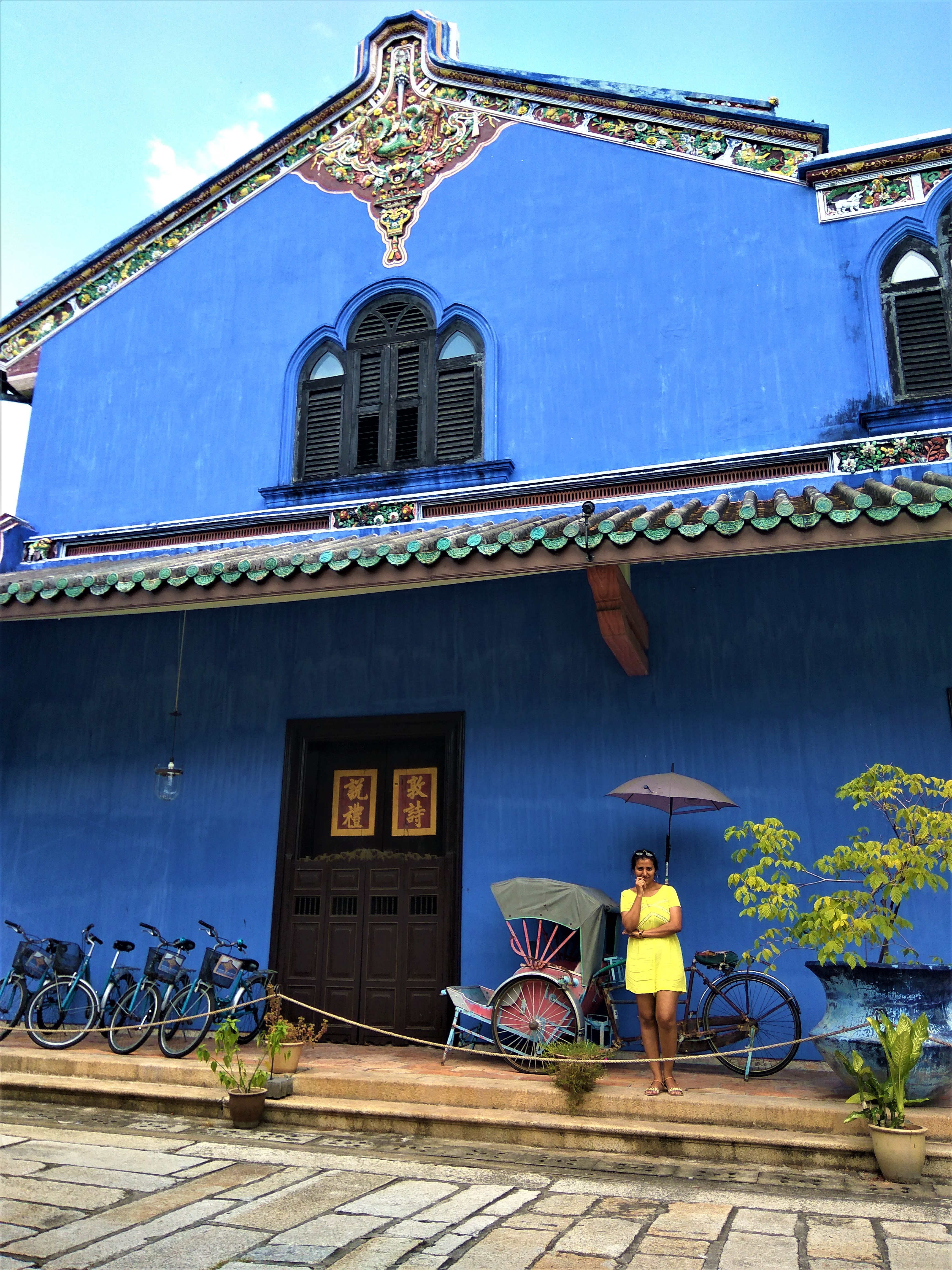
The mansion has 38 rooms, 5 granite-paved courtyards, 7 staircases and 220 vernacular timber louvre windows. The distinctive blue colour of the mansion is the result of mixing lime with natural blue dye made from the Indigo plant. The blue was very popular in the Colonial period and the dye was imported from India to Penang by the British.
VISIT
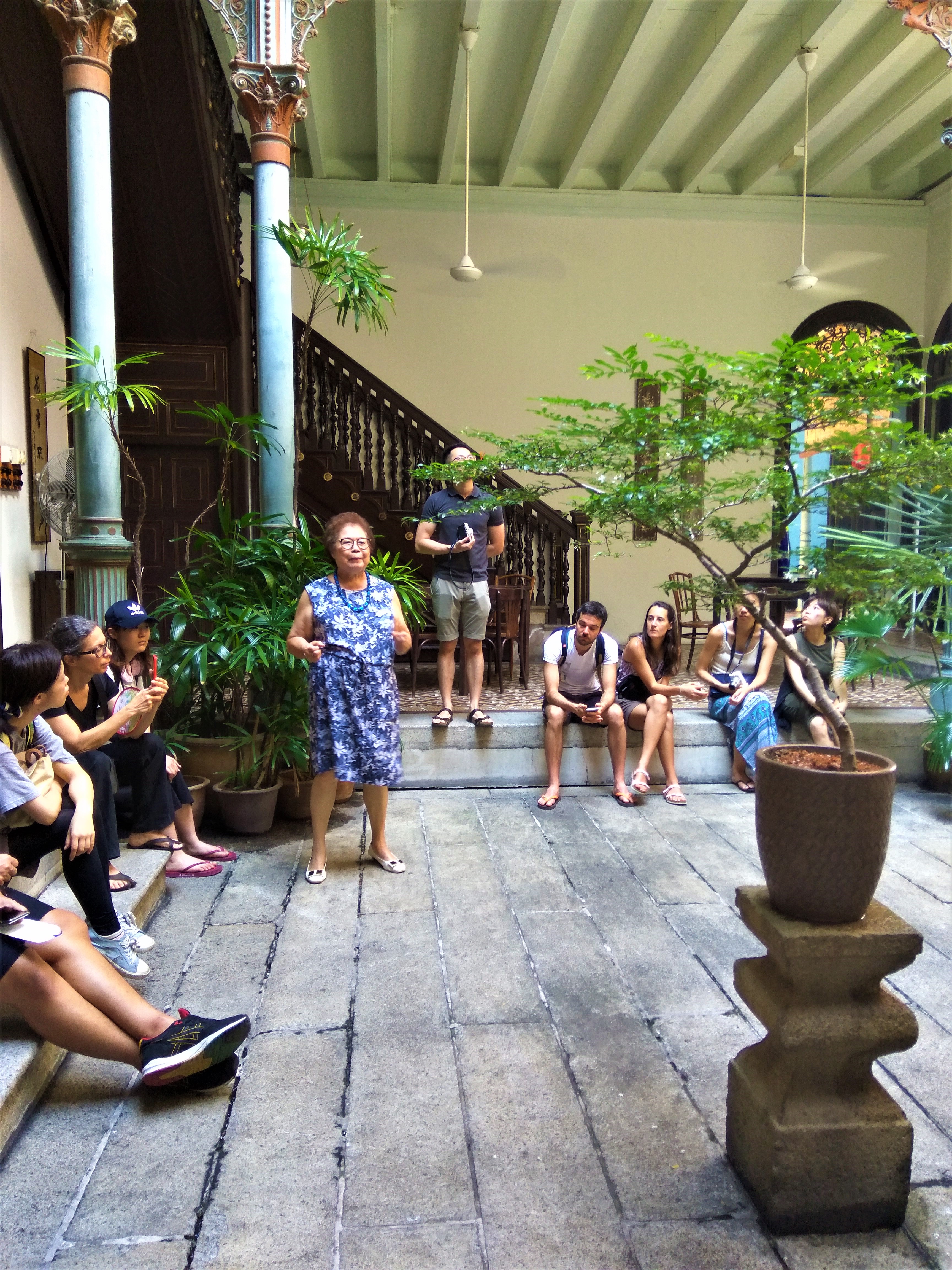
The Cheong Fatt Tze Mansion offers an expert guided tour that will take you around and explain the building’s history and architectural details. There is a beautiful old lady that dress with the taste of a Parisian and speaks like a Malay. She sways through her words as she takes you through the history of Choeng Fatt Tse and the Feng Shui inspired design of the house. The legends got us intrigue into the personal life of Choeng Fatt Tse and his beautiful youngest wife.
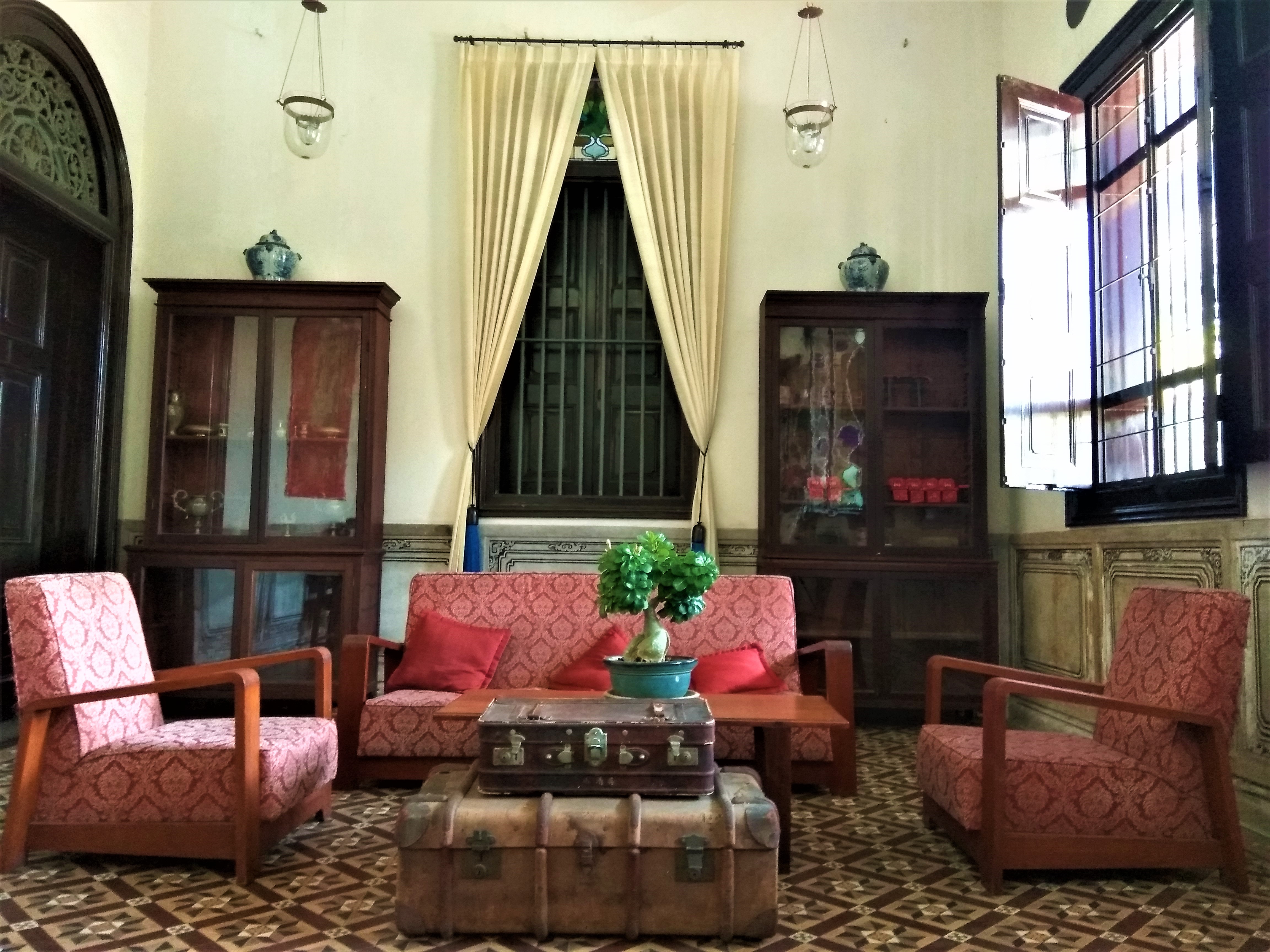
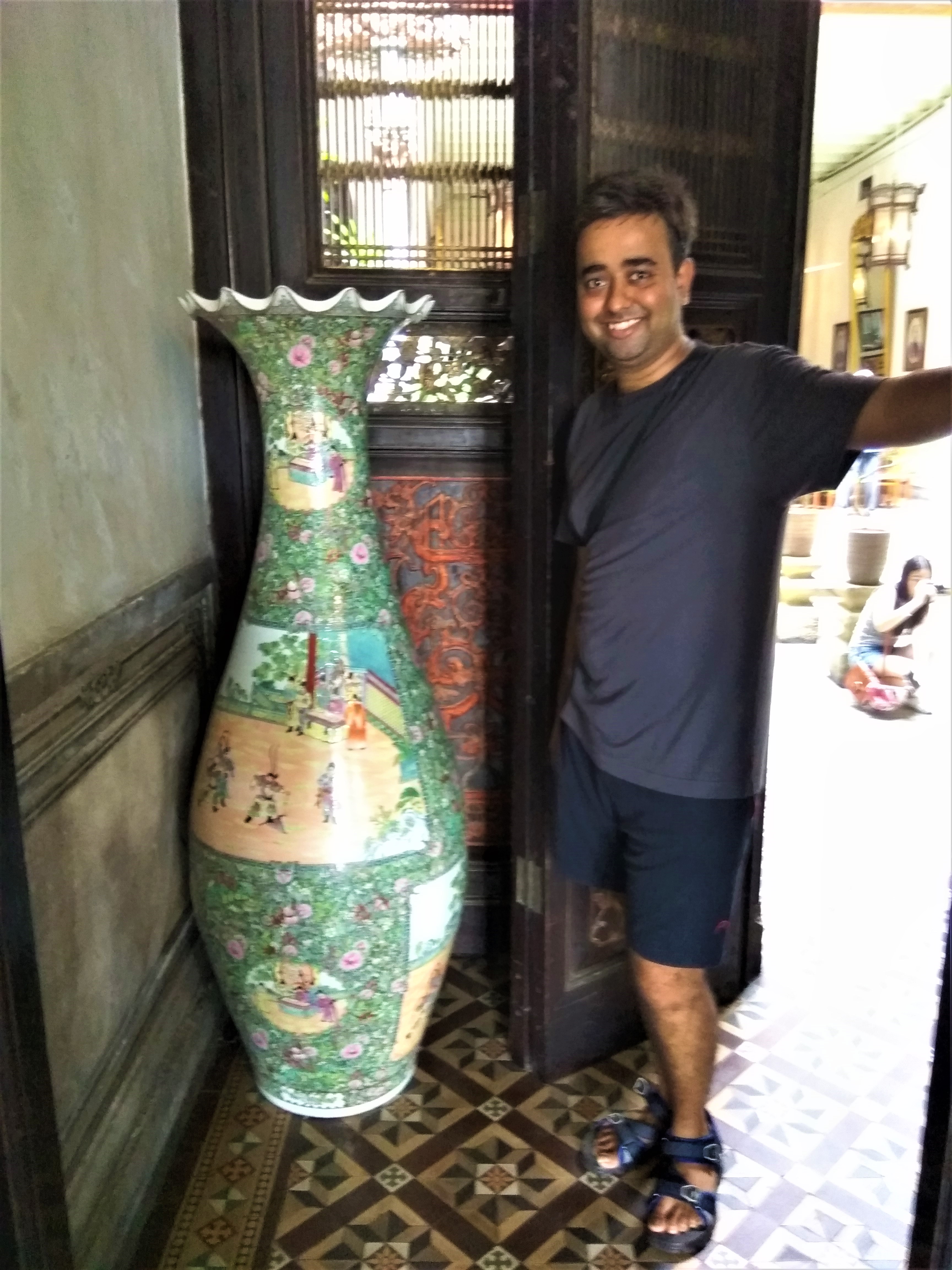
Spending the night in the building is also a good way of experiencing this historic property. You may select from its 16 rooms categorised in Ming, Liang, Tang & Han (named after the Chinese dynasties). Each of these are rooms have modern luxury with the opulence of the 19th century as each room is uniquely furnished with ornaments from Cheong Fatt Tze’s family. Pamper yourself with convenience at your fingertips, tucked in this plush heritage mansion.
EAT
Blue Mansion also offers a restaurant aptly named Indigo, which has interiors designed to complement and enhance the fine dining Malay cuisine. The food is an gastronomical indulgence and an absolute must try.
Cheong also established his own winery in Shantung province of China in 1892 which now belongs to government and supplies 25% of wine to the western countries. While you soak in the ambiance, swirl on brilliant Chilean sauvignon blanc and enjoy your palates being satisfied with some really tasty Malaysian/ Asian cuisine.
Some of the dishes worth trying would be: Fricassee of black angus tanderlion, seafood soup. You could opt for a lunch full course meal to enjoy the hospitality and be surprised by the dishes served.
Read my complete Malaysia tour guide and other such home stay experiences.
A color burst picture gallery of my visit to this place:

Discover more from 2HappySouls
Subscribe to get the latest posts sent to your email.

Leave a comment